LV Speedy 25

Search documents
临近春节,长沙二奢店消费火爆
Sou Hu Cai Jing· 2026-01-27 23:10
Core Viewpoint - The demand for second-hand luxury goods is surging ahead of the Chinese New Year, with many stores announcing price increases and showcasing new arrivals, indicating a strong consumer interest in these products [1][2]. Group 1: Market Demand and Consumer Behavior - Several second-hand luxury stores in Changsha are experiencing increased foot traffic, with some reporting around 50 customers in a morning, significantly higher than typical weekdays [2]. - The holiday season has led to a notable increase in sales, with customers often purchasing multiple items at once, contrasting with the usual single-item purchases [2]. - The scarcity of new luxury items at official retail stores is driving consumers towards the second-hand market, where they can find popular items immediately [3][5]. Group 2: Pricing Dynamics - Despite price increases in the second-hand market, items are still priced 15%-20% lower than their retail counterparts, making them attractive alternatives for consumers looking for immediate availability [5]. - Some second-hand items have reached prices higher than their original retail prices, raising concerns about the value proposition of these products [6]. - Price fluctuations in the second-hand market can vary significantly, influenced by factors such as new product releases and supply-demand dynamics, with potential changes of 30%-50% [8]. Group 3: Consumer Insights - Consumers are increasingly viewing second-hand luxury items as a form of investment, with some referring to them as "wearable financial products" due to their potential to retain value [3]. - The high demand for second-hand luxury goods is partly driven by the inability to purchase new items at retail stores, which often have a stockout rate of over 40% for popular brands [3]. - There is a growing concern among consumers regarding the sustainability of the price increases in the second-hand market, which could diminish the perceived value of these purchases [6][8].

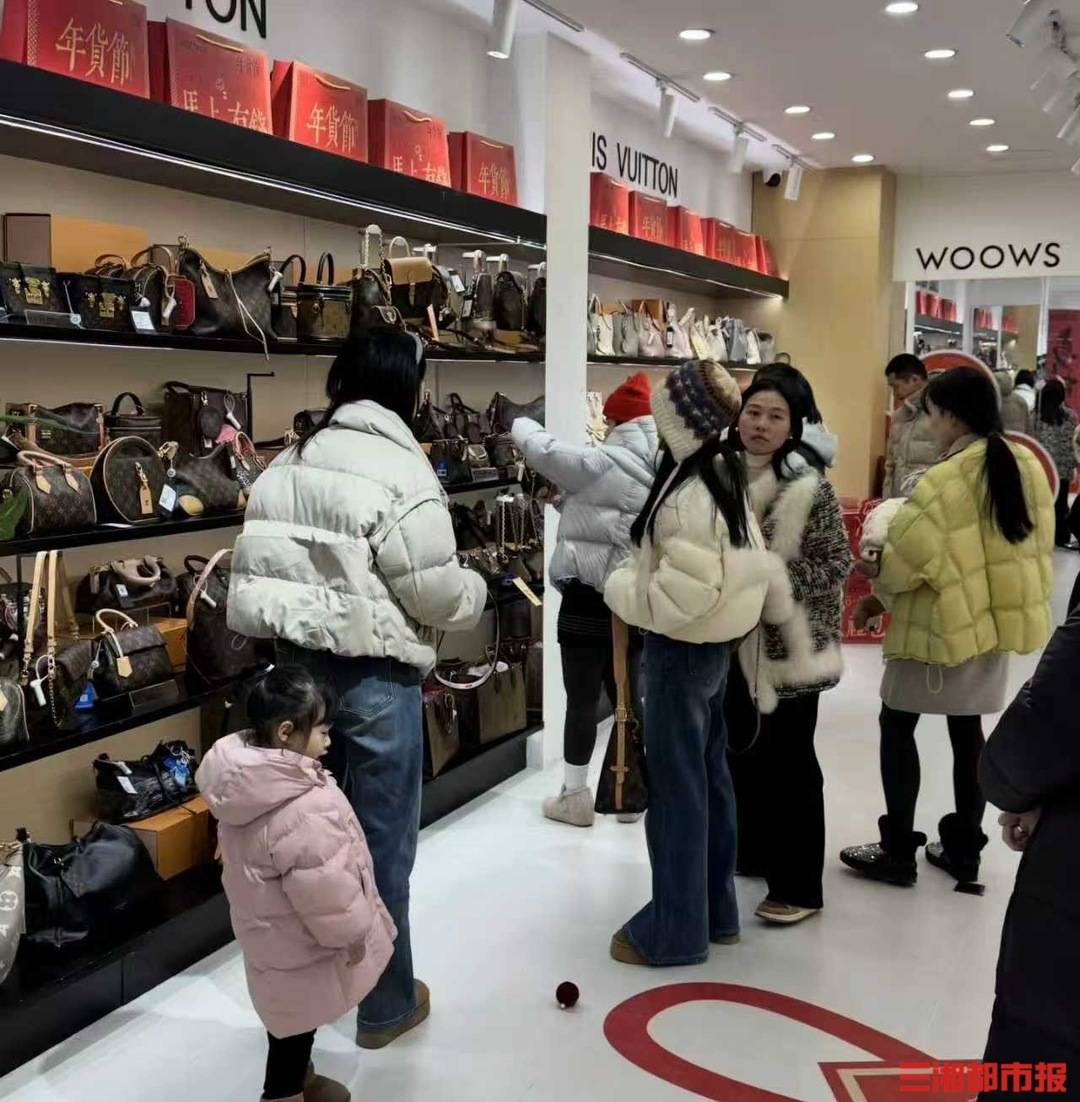
春节临近 长沙二手奢侈品走俏
Xin Lang Cai Jing· 2026-01-27 20:00
Core Insights - The demand for second-hand luxury goods is significantly increasing ahead of the Spring Festival, with many stores reporting a surge in customer traffic and sales [1][2] - The second-hand luxury market is benefiting from a combination of high-end appeal and price advantages, making it a preferred choice for consumers during the festive season [2] - Despite rising prices in the second-hand market, these items still remain 15%-20% cheaper than retail prices, attracting consumers who are unable to find desired items in stores due to stock shortages [2] Group 1: Market Trends - Several second-hand luxury stores in Changsha are experiencing a notable increase in customer visits, with some reporting up to 50 customers in a morning, compared to only a few on regular weekdays [1] - The inventory turnover rate in these stores has increased threefold during the festive season, indicating a strong demand for popular items [1] Group 2: Consumer Behavior - Consumers are willing to accept price increases in the second-hand market to ensure timely access to luxury items for the holiday season [2] - The shortage of new luxury items in retail stores, with a consistent out-of-stock rate of over 40% for brands like Chanel and Hermes, is driving consumers towards the second-hand market [2] Group 3: Price Dynamics - Some second-hand luxury items are now priced higher than their original retail prices, raising concerns about the value proposition of these products [3] - Price fluctuations in the second-hand market can range from 30% to 50%, influenced by factors such as new product releases and market supply and demand [3]
终于,连爱马仕也涨不动了
创业邦· 2025-05-22 10:06
Core Viewpoint - The luxury goods industry is facing significant challenges, including leadership changes in major companies, declining sales growth, and a shift in consumer behavior towards high-quality replicas and alternatives [3][4][30]. Group 1: Leadership Changes and Performance - Recent leadership changes in top luxury brands like LVMH and Kering reflect a response to market pressures and declining performance [3][4]. - Major luxury brands are experiencing disappointing sales, with Hermès' growth slowing by 10 percentage points compared to last year, and Kering's Gucci facing a double-digit decline in sales for five consecutive quarters [4][9]. - LVMH's revenue fell short of market expectations, particularly in its wine and spirits segment, leading to a nearly 13% drop in its stock price this year [7][9]. Group 2: Financial Performance - Burberry reported a staggering 94% drop in profit, prompting the company to cut approximately 20% of its global workforce to save £60 million by fiscal year 2027 [4][5]. - From 2019 to 2024, the luxury goods sector saw economic profits triple, primarily due to price increases, but signs of slowdown are evident as this strategy loses effectiveness [4][30]. - Prada stands out with a 13% revenue increase in Q1 2025, driven by strong performance from its Miu Miu brand, while Kering's overall sales dropped by 14% [9][11]. Group 3: Market Dynamics - The luxury market is experiencing a bifurcation, with core brands like Prada performing well while others like Gucci and YSL struggle [11][15]. - North America remains a stable market for luxury brands, with Hermès and Prada achieving growth of 11% and 9.9% respectively, while Japan shows a remarkable recovery with a 25% increase for Richemont [18][19]. - The luxury sector is witnessing a shift in consumer preferences, with a notable decline in the number of luxury consumers in North America by 12.5% from 2022 to 2024 [32]. Group 4: Product Performance - Leather goods continue to be a stronghold for luxury brands, with Hermès' leather and harness business growing by 10% [24][25]. - In contrast, the wine and spirits segment of LVMH saw an 8% decline, indicating a significant disparity in performance across different product categories [25][26]. - The demand for high-end watches and jewelry is declining, with Rolex's secondary market prices dropping over 30% from their peak two years ago [28][30]. Group 5: Strategic Challenges - The effectiveness of price increases as a strategy is waning, with brands like Prada and Balenciaga implementing price hikes in early 2025, citing inflation and rising costs [30][31]. - The rise of high-quality replicas is challenging traditional luxury brands, with a significant portion of consumers now openly purchasing and wearing these alternatives [33][35]. - The luxury industry faces a complex landscape of changing consumer demographics, economic uncertainties, and evolving retail channels, necessitating a reevaluation of strategies [35][37].