M9级Q布

Search documents
一块布,卡了英伟达的脖子?
首席商业评论· 2026-01-18 04:41
Core Viewpoint - The article emphasizes the critical role of high-end electronic fabric in the AI computing power revolution, highlighting that Japanese companies dominate this market, controlling nearly 70% of the global high-end electronic fabric market, which is essential for AI chip performance [4][6][9]. Group 1: Japanese Dominance in High-End Electronic Fabric - Japanese companies such as Nitto Denko, Asahi Kasei, and AGC dominate the high-end electronic fabric market, which is crucial for AI computing power [6][9]. - These companies have established a significant competitive advantage through decades of research and development, creating a robust patent network that covers the entire production process [9][10]. - The high cost of entry into this market, with investments in production facilities reaching up to 1.5 billion yuan, deters potential competitors, allowing Japanese firms to maintain their market position [9][10]. Group 2: Chinese Companies' Response and Innovations - Chinese companies have begun to challenge the Japanese monopoly, with firms like Honghe Technology and Linzhou Guangyuan making significant advancements in ultra-thin and low-dielectric electronic fabrics [10][11]. - Honghe Technology successfully produced 9-micron ultra-thin electronic fabric in 2021, breaking the long-standing foreign monopoly [10][11]. - Linzhou Guangyuan achieved mass production of low-dielectric fabric in 2021, marking a significant milestone in the industry [11][12]. Group 3: Material Revolution and Future Opportunities - The next generation of quartz electronic fabric is emerging as a critical material for AI applications, providing an opportunity for Chinese companies to leapfrog in technology [12][19]. - Companies like Feilihua are leading the charge in developing M9-level quartz fabric, which has been certified by NVIDIA, thus providing an alternative to Japanese suppliers [12][14]. - The ongoing material revolution is seen as essential for China's technological independence and advancement in various high-tech sectors, including aerospace, new energy, and semiconductors [19][20].


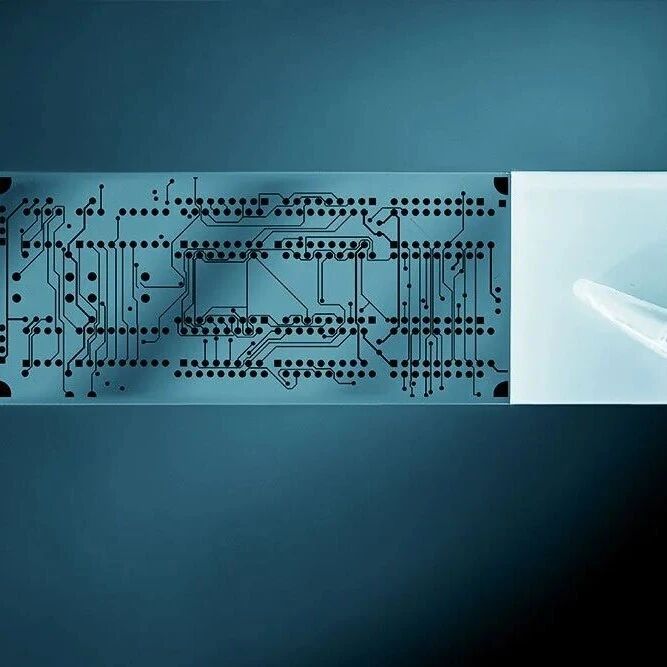
一块布,卡了英伟达的脖子?
创业邦· 2026-01-16 10:14
Core Viewpoint - The article emphasizes the critical role of high-end electronic fabric in supporting AI computing power, highlighting the dominance of Japanese companies in this sector and the emerging competition from Chinese firms. Group 1: Importance of Electronic Fabric - Electronic fabric is likened to the chassis of a supercar, essential for the performance of AI servers, which rely on advanced chips [7][10] - High-end electronic fabric is made from electronic-grade glass fiber, integrating cutting-edge materials science [8] Group 2: Market Dynamics - Japanese companies like Nitto Denko, Asahi Kasei, and AGC dominate nearly 70% of the global high-end electronic fabric market, creating an oligopoly [9] - These companies do not manufacture AI chips but control a crucial segment of AI computing power [10] Group 3: Competitive Landscape - Chinese companies are primarily engaged in the mid-to-low-end market, lacking the technological advancements of their Japanese counterparts [12] - Japanese firms have built a formidable barrier to entry through decades of research and development, creating a dense patent network [17] Group 4: Innovation and Breakthroughs - Chinese companies are beginning to challenge the Japanese monopoly, with firms like Honghe Technology successfully producing ultra-thin electronic fabric [32] - The development of low-dielectric fabric has also seen breakthroughs from companies like Linzhou Guangyuan, marking a significant shift in the competitive landscape [36] Group 5: Material Revolution - The next generation of quartz electronic fabric is emerging as a critical material for AI, with companies like Feilihua leading the charge in this new material revolution [40] - The article underscores the importance of material science in technological advancements, asserting that breakthroughs in materials are essential for the evolution of high-end manufacturing in China [56]
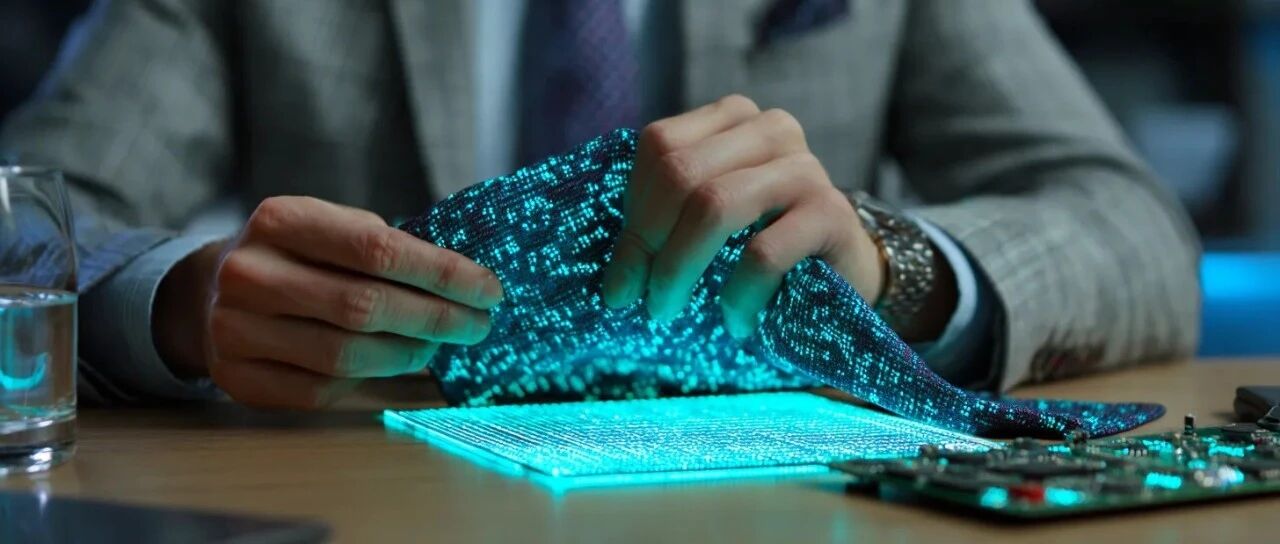
一块布,卡了英伟达的脖子?
芯世相· 2026-01-15 04:23
Core Viewpoint - The article emphasizes the critical role of high-end electronic fabric in the AI computing power revolution, highlighting the dominance of Japanese companies in this sector and the emerging competition from Chinese firms [5][21]. Group 1: Japanese Dominance in High-End Electronic Fabric - Japanese companies like Nitto Denko, Asahi Kasei, and AGC dominate nearly 70% of the global high-end electronic fabric market, creating a near monopoly [7][12]. - These companies do not manufacture AI chips but control a crucial component that supports AI computing power [8]. - The unique chemical formulations of NE-glass and T-glass developed by Japanese firms provide superior dielectric properties, making them difficult to compete against [12][16]. Group 2: Challenges and Innovations from Chinese Companies - Chinese companies have been primarily active in the mid to low-end electronic fabric market, but recent innovations are challenging the Japanese monopoly [10][21]. - Companies like Honghe Technology and Linzhou Guangyuan have made significant breakthroughs in producing ultra-thin and low-dielectric electronic fabrics, breaking the long-standing foreign dominance [27][31]. - The successful production of 9-micron ultra-thin electronic fabric by Honghe in 2021 marked a significant milestone in the industry [27]. Group 3: The Material Revolution - The article discusses the importance of material science in technological advancements, asserting that breakthroughs in materials are essential for the progress of industries like AI and aerospace [39][41]. - The development of M9-level quartz fabric by companies like Feilihua represents a new frontier in high-end electronic materials, providing alternatives to Japanese products [35][36]. - The ongoing material revolution is seen as a critical step for China to achieve self-sufficiency and reduce reliance on foreign technology [49].



一块布,硬卡英伟达的脖子
是说芯语· 2026-01-15 00:06
Core Viewpoint - The article emphasizes the critical role of high-end electronic fabric in the AI computing power revolution, highlighting the dominance of Japanese manufacturers in this niche market and the emerging competition from Chinese companies [4][5][7]. Group 1: High-End Electronic Fabric Market - High-end electronic fabric, essential for AI servers, is primarily produced by Japanese companies like Nitto Denko, Asahi Kasei, and AGC, which control nearly 70% of the global market [5][7]. - These companies have established a significant competitive advantage through decades of research and development, creating a robust patent network that covers the entire production process [7][10]. - The production of high-end electronic fabric requires substantial investment, with costs for advanced production lines exceeding 500 million yuan (approximately 75 million USD), making it difficult for new entrants to compete [7][10]. Group 2: Chinese Companies' Response - Chinese companies, such as Honghe Technology and Linzhou Guangyuan, have begun to break the Japanese monopoly by developing their own high-end electronic fabrics, achieving significant milestones in ultra-thin and low-dielectric materials [9][10][14]. - Honghe Technology successfully mass-produced 9-micron ultra-thin electronic fabric in 2021, marking a significant breakthrough against foreign dominance [9][10]. - Linzhou Guangyuan became the first domestic company to achieve mass production of low-dielectric fabric in 2021, showcasing the potential for innovation within the Chinese market [10][14]. Group 3: Material Science and Innovation - The development of high-end electronic fabric is a complex process that requires extensive experimentation and innovation in material science, often surpassing the challenges faced in chip and algorithm development [15][17]. - The article argues that breakthroughs in material science are crucial for the advancement of technology sectors, including AI, aerospace, and renewable energy, indicating a broader trend of material innovation in China [15][17]. - The successful production of M9-grade quartz fabric by companies like Feilihua represents a significant step in reducing reliance on Japanese materials and enhancing China's technological independence [11][13][14].