MAIC系统

Search documents
人形机器人下半场开始了?
机器人大讲堂· 2025-07-02 06:08
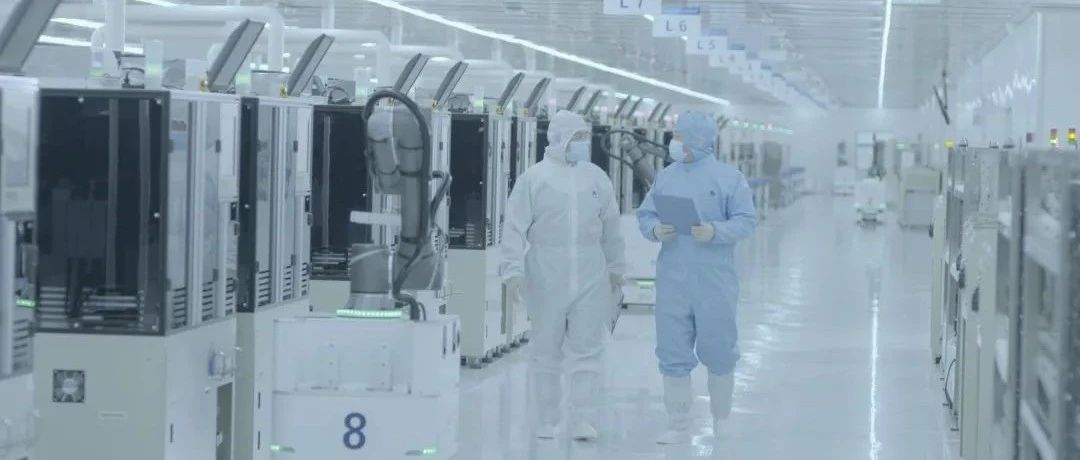
Core Insights - The humanoid robot industry is entering a "second half," with recent developments indicating a shift towards new industry consensus and practical applications [1][2][10] - Huawei's Cloud Robo platform introduces a distributed architecture for embodied intelligence, allowing for more flexible and efficient task execution by integrating various robot forms [2][3][10] Group 1: Industry Trends - The humanoid robot market is facing challenges, including reduced orders for Tesla's Optimus and high market valuations leading to layoffs in some companies [1][2] - The focus is shifting from humanoid robots to specialized robots that can better meet the specific demands of industrial applications, emphasizing efficiency, cost, and reliability [5][10][25] Group 2: Technological Advancements - The Cloud Robo platform utilizes large models to provide a "smart brain" for robots, enhancing their operational intelligence and efficiency through edge-cloud collaboration [2][3] - The platform's architecture allows for real-time processing and task optimization, improving the robots' adaptability to complex environments [3][10] Group 3: Practical Applications - Specialized robots are proving to be more effective in industrial settings, as they can be designed for specific tasks, such as semiconductor manufacturing, where precision and reliability are critical [6][14][20] - The integration of various robot forms under a unified intelligent platform enables companies to maximize production efficiency without extensive facility modifications [13][25] Group 4: Future Directions - The industry is moving towards a model where multiple robot forms collaborate under a single intelligent system, rather than relying solely on humanoid robots [11][25] - The focus on "function determines form" suggests that robots should be designed based on the specific requirements of their tasks, rather than merely imitating human shapes [22][25]