MLCC(多层片式陶瓷电容器)

Search documents
集邦咨询:2026年第一季度MLCC市场呈两极分化 实体AI引爆高端需求 消费电子则陷成本寒冬
智通财经网· 2026-02-05 05:40
Core Insights - The global MLCC industry is experiencing significant differentiation as of Q1 2026, driven by the rise of "Embodied AI" applications, leading to a surge in high-end MLCC demand while mid-to-low-end MLCCs face operational pressures due to seasonal effects and rising raw material costs [1][2] Group 1: High-End MLCC Demand - High-end MLCC orders are robust, supported by AI infrastructure needs from major companies like NVIDIA and cloud service providers such as AWS and Google, resulting in full capacity utilization for leading manufacturers like Murata, SEMCO, and Taiyo Yuden [1] - Murata anticipates a 20% to 25% increase in high-end MLCC orders for Q1 2026, maintaining production lines at full capacity [1] Group 2: Mid-to-Low-End MLCC Challenges - The demand for mid-to-low-end MLCCs is declining, particularly in consumer electronics, with ODM manufacturers like Compal and Pegatron reducing their MLCC orders by an average of 5% to 6% in January [2] - Capacity utilization for MLCC manufacturers focusing on consumer specifications is between 60% to 70%, with inventory adjustment days maintained at 60 to 75 days [2] Group 3: Cost Pressures and Market Dynamics - Rising international metal prices have increased costs for passive components, with magnetic beads and resistors seeing price hikes of 15% to 20%, although MLCC costs remain stable due to lower copper content [3] - The supply chain is expected to reflect a "hot AI, cold consumer" dynamic in Q1 2026, necessitating suppliers to strategically manage high-end AI product inventories while controlling costs and risks associated with traditional products [3]
研报 | 2026年第一季度MLCC市场呈两极分化,实体AI引爆高端需求,消费电子则陷成本寒冬
TrendForce集邦· 2026-02-05 04:47
Core Viewpoint - The global MLCC industry is experiencing extreme differentiation in Q1 2026, with high-end MLCC demand surging due to the implementation of "Embedded AI," while mid-to-low-end MLCC faces operational pressures from seasonal effects and rising raw material costs [2][5]. Group 1: High-End MLCC Demand - High-end MLCC orders are robust, driven by demand from AI infrastructure, particularly from major CSPs like Amazon AWS and Google, leading to full capacity utilization among Japanese and Korean manufacturers such as Murata, SEMCO, and Taiyo Yuden, with capacity rates above 80% [3]. - Murata is expected to see a 20% to 25% quarter-on-quarter increase in high-end MLCC orders, maintaining full production lines due to its control over advanced packaging key materials [3]. - 2026 is viewed as the year of Embedded AI, with applications rapidly extending from cloud servers to robotics, autonomous vehicles, and smart glasses, which require a significant number of micro MLCCs [3]. Group 2: Mid-to-Low-End MLCC Challenges - The smartphone, laptop, and automotive markets are experiencing a downturn, leading to conservative operations among MLCC manufacturers focused on consumer-grade products, with average MLCC orders declining by 5% to 6% month-on-month since Q4 2025 [4]. - Manufacturers like Compal and Pegatron are reducing material procurement, resulting in capacity utilization rates between 60% and 70% and inventory adjustment days maintained at 60 to 75 days [4]. - Rising international metal prices have increased costs for passive components, with magnetic beads and resistors seeing price hikes of 15% to 20%, while MLCC production costs remain relatively stable due to lower copper content [4]. Group 3: Market Outlook - The supply chain in Q1 2026 is characterized by "AI heat, consumer cold," necessitating suppliers to actively position themselves in high-end AI products while strictly managing inventory and cost risks for traditional products [5].

三环集团副总裁邱基华:抢滩“电子工业大米”千亿元市场 贴片电容小型化竞赛持续升温|走进上市公司·高见2025
Mei Ri Jing Ji Xin Wen· 2025-07-10 10:49
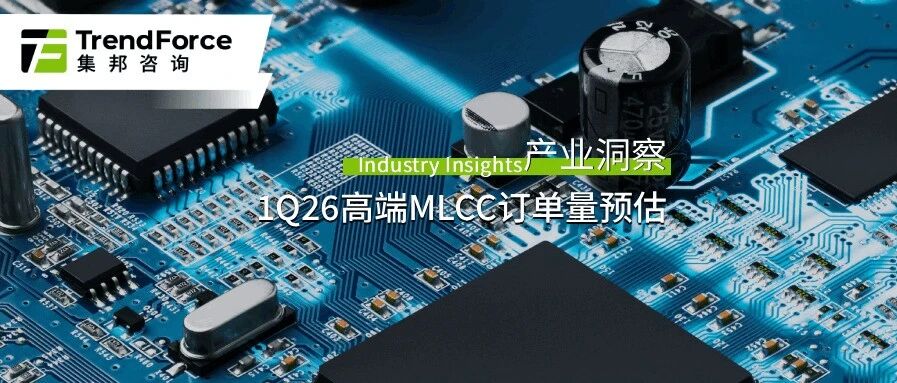
Core Insights - The article highlights the increasing competition in the miniaturization of MLCC (Multilayer Ceramic Capacitor), which has become a focal point for companies in the industry [1][15] - The demand for MLCC is rising due to the growth of AI and new energy industries, with the global MLCC market expected to exceed 140.7 billion yuan by 2028 [2] - SanHuan Group reported a significant increase in revenue and net profit for 2024, attributing this growth to their MLCC products [6] Company Overview - SanHuan Group has been deeply involved in the electronic ceramic components industry for over 50 years and is focusing on technological innovation to enhance product quality and expand application areas [1][16] - In 2024, SanHuan Group achieved total revenue of 7.375 billion yuan, a year-on-year increase of 28.78%, and a net profit of 2.19 billion yuan, up 38.55% [6] - The company has a dedicated R&D team of nearly 1,900 members, with R&D investment reaching 583 million yuan in 2024, accounting for 7.91% of total revenue [16] Industry Dynamics - The electronic components sector is a critical foundation for industrial innovation, with capacitors being the most commonly used components in circuit boards [2] - MLCCs offer advantages over SLCCs (Single Layer Ceramic Capacitors) such as smaller size, higher capacity, longer lifespan, lower loss rates at high frequencies, and greater reliability [2] - The miniaturization of components is essential for modern devices like smartphones, which require over 1,000 MLCCs each, and electric vehicles, which need more than 10,000 [1][15] Technological Challenges - The challenge in MLCC production lies in reducing the thickness of ceramic dielectric films while maintaining uniformity, which is crucial for performance [21] - SanHuan Group has successfully reduced the thickness of these films from 5 micrometers to 1 micrometer, overcoming significant technical barriers [21] - The company aims to enhance its product quality through continuous innovation and R&D efforts, despite facing competition from overseas firms with advantages in high-end product technology and capacity [16][21]