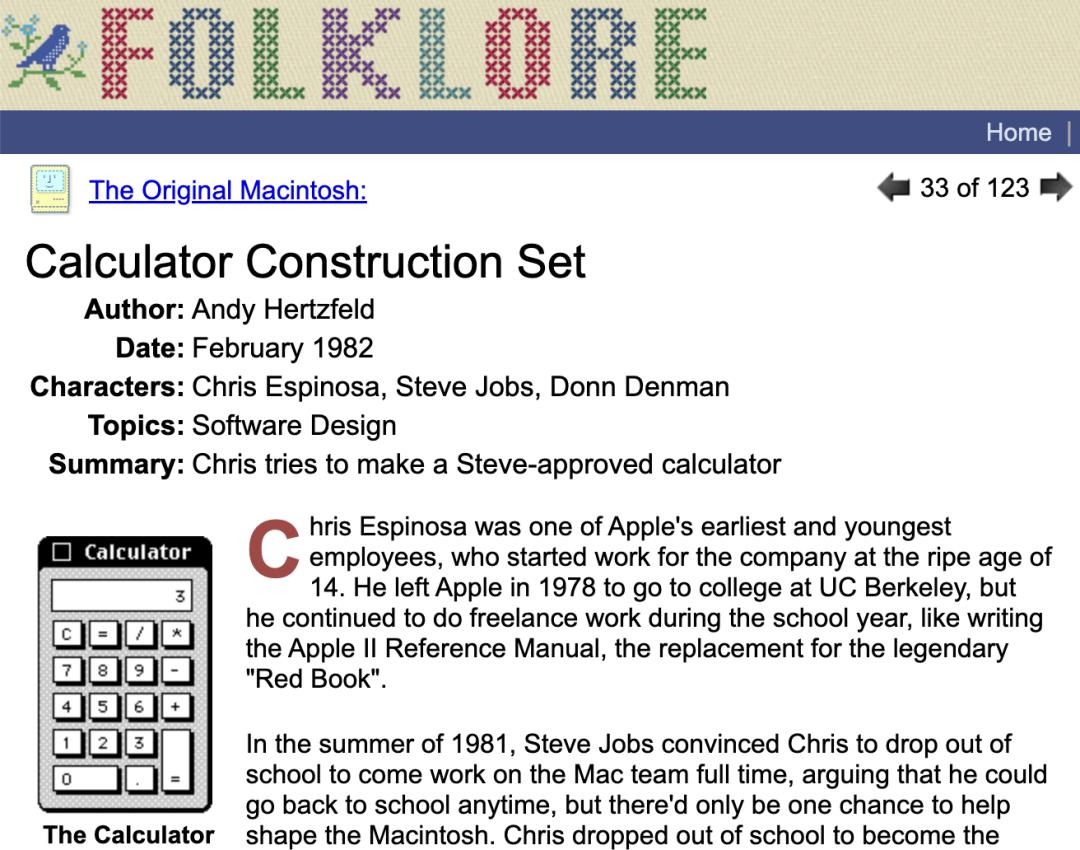
Mac计算器

Search documents
曾被乔布斯逼到崩溃,苹果8号工程师反手做了个工具“让老板自己设计”,竟在十分钟内定下Mac计算器原型,一用就是近20年
猿大侠· 2025-11-15 04:11
Core Viewpoint - The article narrates a story about Chris Espinosa, one of Apple's earliest employees, who creatively addressed Steve Jobs' design critiques by allowing him to directly manipulate the design of a calculator program, leading to a successful outcome and highlighting the importance of hands-on experience in design processes [2][19][24]. Group 1: Background of Chris Espinosa - Chris Espinosa joined Apple at the age of 14, making him one of the youngest employees [4]. - After a brief period in college, he was persuaded by Steve Jobs to return to Apple to work on the Macintosh project, emphasizing the unique opportunity to be part of its creation [5][6]. Group 2: The Design Challenge - Espinosa faced continuous criticism from Jobs regarding the design of a calculator program for the Macintosh, leading to a frustrating iterative process [11][12]. - The team was under pressure to create technical documentation and tools for third-party developers, with QuickDraw being a core component of the Mac system [8][9]. Group 3: Innovative Solution - To resolve the design impasse, Espinosa created a "Steve Jobs Self-Made Calculator Kit," allowing Jobs to directly adjust design parameters, which led to a satisfactory design outcome [13][15][24]. - This approach demonstrated the effectiveness of hands-on interaction over verbal communication in design processes [24]. Group 4: Impact and Legacy - The calculator program, finalized based on Jobs' adjustments, was included in the first Macintosh released in 1984 and remained in use for 17 years until the introduction of Mac OS X [18]. - The method used by Espinosa is considered a precursor to modern visual design tools, showcasing the importance of user interaction in software design [19][21]. Group 5: Reflections on Management Style - The story illustrates Jobs' management style, where he knew what he wanted but struggled to articulate it, highlighting the need for direct engagement in the design process [23][24]. - The anecdote reflects a broader commentary on the evolution of design processes in tech companies, contrasting the past's individual decision-making with today's collaborative approaches [25].


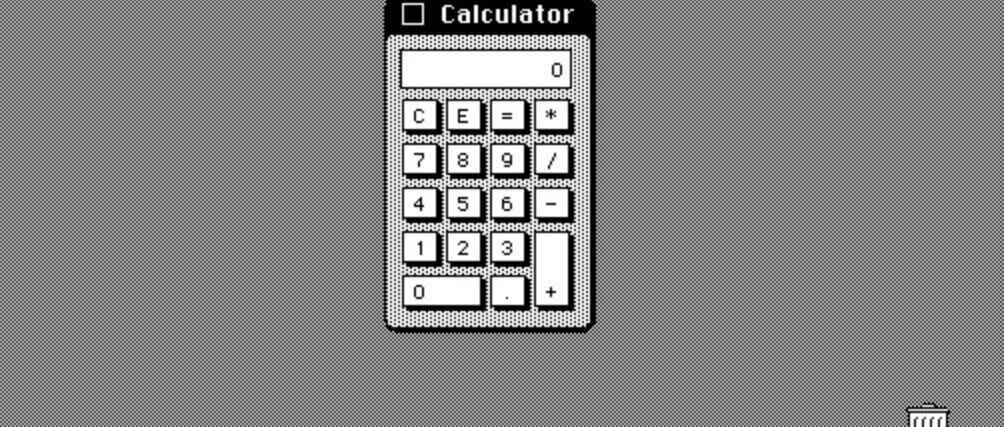
曾被乔布斯逼到崩溃,苹果8号工程师反手做了个工具“让老板自己设计”,竟在10分钟内定下Mac计算器原型,一用就是近20年
程序员的那些事· 2025-11-14 04:43
Core Insights - The article narrates a story about Chris Espinosa, one of Apple's earliest employees, who faced challenges in designing a calculator program for the Macintosh due to Steve Jobs' high standards and constant feedback [1][6][9] - Espinosa's innovative solution involved creating a "Steve Jobs Self-Made Calculator Kit," allowing Jobs to directly manipulate the design parameters, which ultimately led to a successful calculator interface for the Macintosh [11][12][22] Group 1: Background of Chris Espinosa - Chris Espinosa joined Apple at the age of 14, making him one of the youngest employees [2] - He initially left Apple to attend the University of California, Berkeley, but was persuaded by Jobs to return and join the Macintosh team [3][4] Group 2: Design Challenges and Solutions - Espinosa faced repeated criticism from Jobs regarding the design of the calculator, leading to a frustrating iterative process [9][10][21] - The breakthrough came when Espinosa created a toolkit that allowed Jobs to customize the design himself, which proved to be an effective communication method [11][12][22] Group 3: Impact and Legacy - The calculator design, finalized based on Jobs' preferences, was included in the first Macintosh released in 1984 and remained in use for nearly 20 years [16][22] - This incident highlighted a unique aspect of Jobs' management style, where he preferred hands-on interaction over verbal communication, influencing future software design practices at Apple [17][21][23]
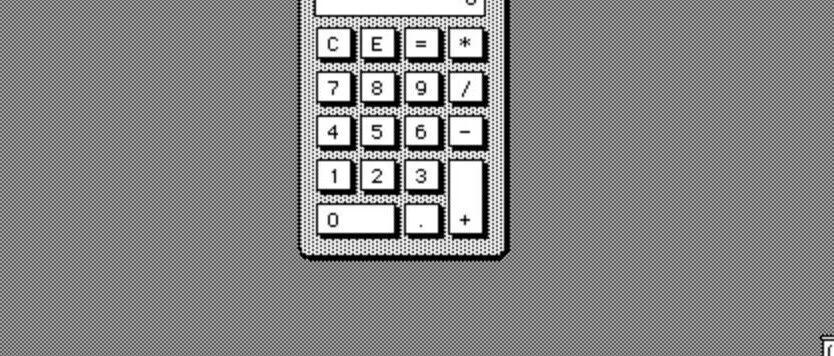
曾被乔布斯逼到崩溃,苹果8号工程师反手做了个工具“让老板自己设计”,竟在十分钟内定下Mac计算器原型,一用就是近20年
3 6 Ke· 2025-11-13 03:02
Core Insights - The article narrates a story about Apple's early team designing the Mac calculator, highlighting Steve Jobs' demanding nature and the innovative solution proposed by Chris Espinosa to meet his expectations [1][4][10] Group 1: Background of Chris Espinosa - Chris Espinosa was one of Apple's earliest and youngest employees, joining at the age of 14 during the mid-1970s when Apple was a small startup [4] - He left Apple to attend the University of California, Berkeley, but was persuaded by Jobs to drop out and rejoin the company to work on the Macintosh project [4][6] Group 2: The Design Challenge - Espinosa faced continuous criticism from Jobs regarding the design of a calculator program for the Macintosh, leading to multiple revisions that failed to satisfy Jobs [6][7] - The team was under pressure to create technical documentation and tools for third-party developers, with QuickDraw being a core component of the Mac system [6][7] Group 3: Innovative Solution - To address Jobs' dissatisfaction, Espinosa created a "Steve Jobs Self-Made Calculator Kit," allowing Jobs to directly manipulate design parameters instead of providing verbal feedback [8][9] - This approach proved effective, as Jobs was able to quickly create a design he was satisfied with, which was later implemented by the engineering team [9][10] Group 4: Impact and Legacy - The calculator design, which emerged from this innovative process, became a staple of the Macintosh operating system, remaining in use for nearly 20 years until the introduction of Mac OS X in 2001 [9][12] - The story illustrates a unique aspect of Jobs' management style, emphasizing hands-on experience over traditional presentations, which has influenced software design practices [12][13]