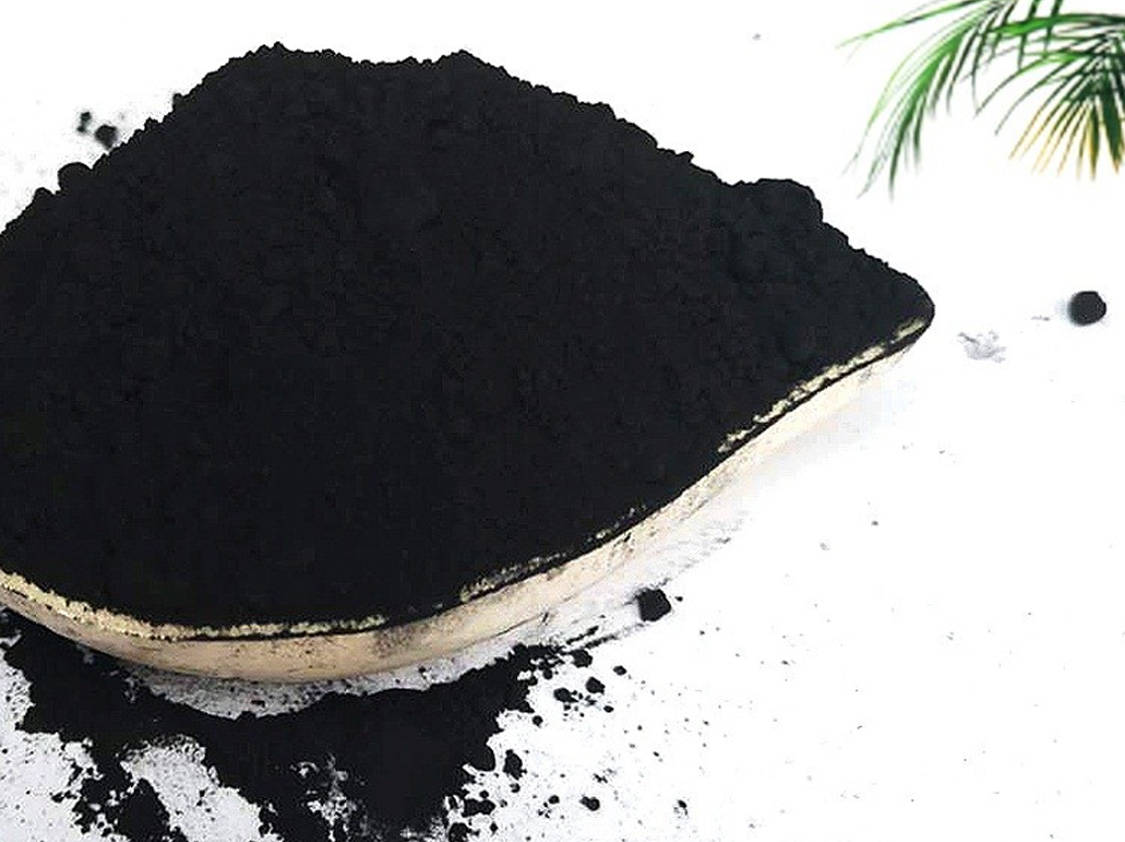
N220炭黑

Search documents
N220炭黑采购价格调查结果及分析
Sou Hu Cai Jing· 2026-02-02 15:39
Core Insights - The procurement price of N220 carbon black has shown certain volatility over the past few years, with current prices ranging between 2000-4000 RMB per ton, influenced by factors such as quality, supply-demand dynamics, and environmental regulations [2][3] Group 1: Price Trends - N220 carbon black procurement prices have generally increased in recent years, although the fluctuations have not been significant [2] - The primary factor affecting the procurement price is the supply-demand relationship, where increased market demand can lead to price hikes, while decreased demand may result in price reductions [2] Group 2: Influencing Factors - Environmental requirements have increasingly impacted the procurement prices, as manufacturers may need to invest in environmental facilities and improve production processes, leading to higher production costs that are passed on to customers [3] - Changes in the international raw materials market, including fluctuations in energy prices, transportation costs, and exchange rates, also affect the procurement prices of N220 carbon black [3] Group 3: Strategic Implications - Understanding the trends and factors influencing N220 carbon black prices is crucial for companies to manage procurement costs and make informed operational decisions [3] - Companies can potentially lower procurement costs and enhance production efficiency and competitiveness through timely market research, effective supply chain management, and flexible procurement strategies [3]

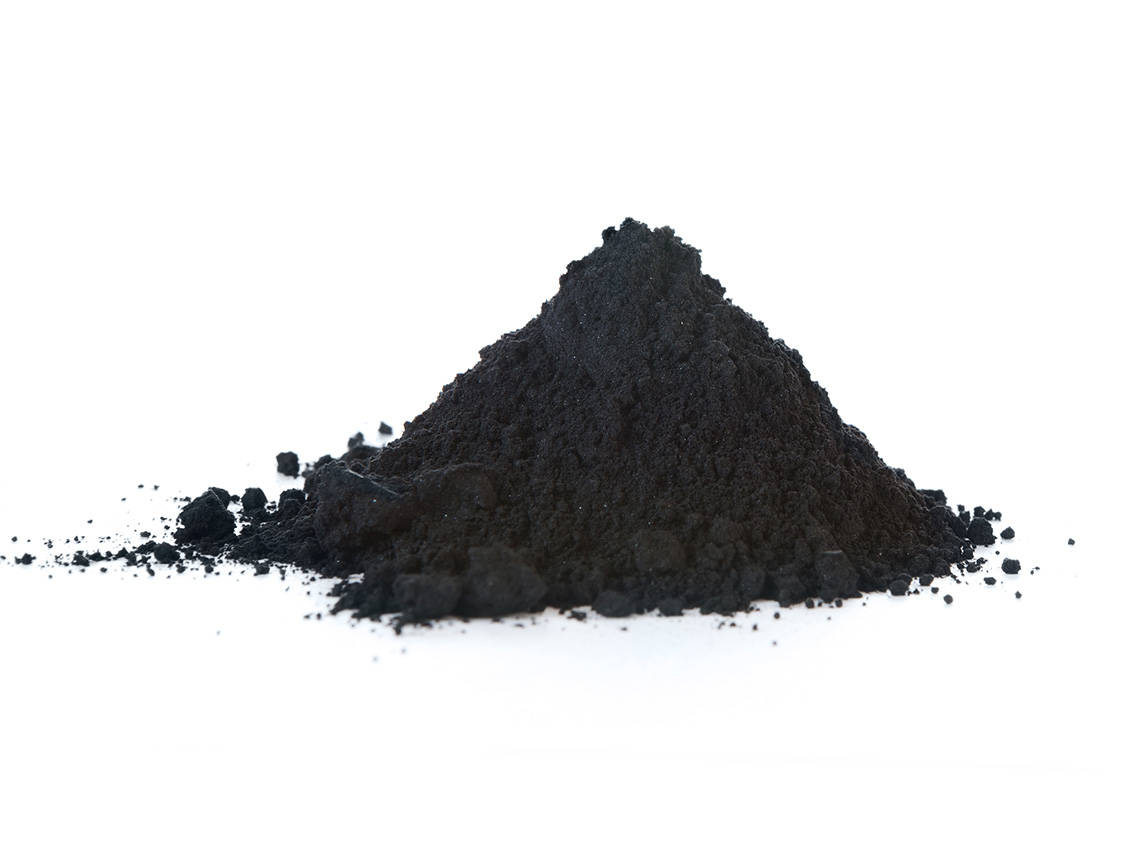
N220炭黑售价趋势分析供需平衡态势下的挑战与机遇
Sou Hu Cai Jing· 2025-05-15 20:42
Core Insights - The N220 carbon black market is experiencing price volatility due to supply-demand imbalances and external factors affecting production costs and market dynamics [2][3] - The production capacity of carbon black is limited by the need for coal as a raw material, significant capital investment, and environmental regulations [2] - Demand for N220 carbon black is increasing across various industries, particularly in rubber, plastics, and inks, driven by economic growth and rising living standards [2] Supply Situation - Carbon black production is constrained by the need for substantial investment and technical support, leading to limited production capacity and output [2] - Environmental pollution concerns associated with carbon black production necessitate strict regulatory oversight, further limiting production capabilities [2] - The overall supply of carbon black is relatively limited, resulting in low supply elasticity and a fragile supply-demand balance [2] Demand Dynamics - The global rubber industry is the largest consumer of carbon black, significantly influencing market demand [2] - Different industries have varying requirements for carbon black in terms of quantity and quality, introducing uncertainty and volatility into the market [2] - The reduction of trade barriers and globalization has led to increased international demand for carbon black, impacting the supply-demand equilibrium [2] Price Volatility - The uncertainty in supply-demand conditions makes it challenging for carbon black producers to set reasonable price levels [3] - External factors such as raw material price fluctuations, technological advancements, and changes in regulations contribute to price instability [3] - Price volatility is a norm in the carbon black market, necessitating strategic responses from producers and consumers alike [3] Strategic Recommendations - Producers should conduct in-depth market demand analysis to adapt to price fluctuations and develop effective business strategies [3] - Strengthening collaboration with downstream customers is essential for producers to navigate market changes [3] - Buyers should focus on balancing quality and price during procurement to ensure suitable product acquisition [3] - Government and regulatory bodies should enhance market oversight to promote fair competition and stability in the carbon black market [3] Conclusion - The analysis of N220 carbon black pricing trends is complex and influenced by supply-demand dynamics, collaboration between producers and consumers, and regulatory guidance [3] - A stable and healthy development of the carbon black market is crucial for supporting the growth of related industries [3]