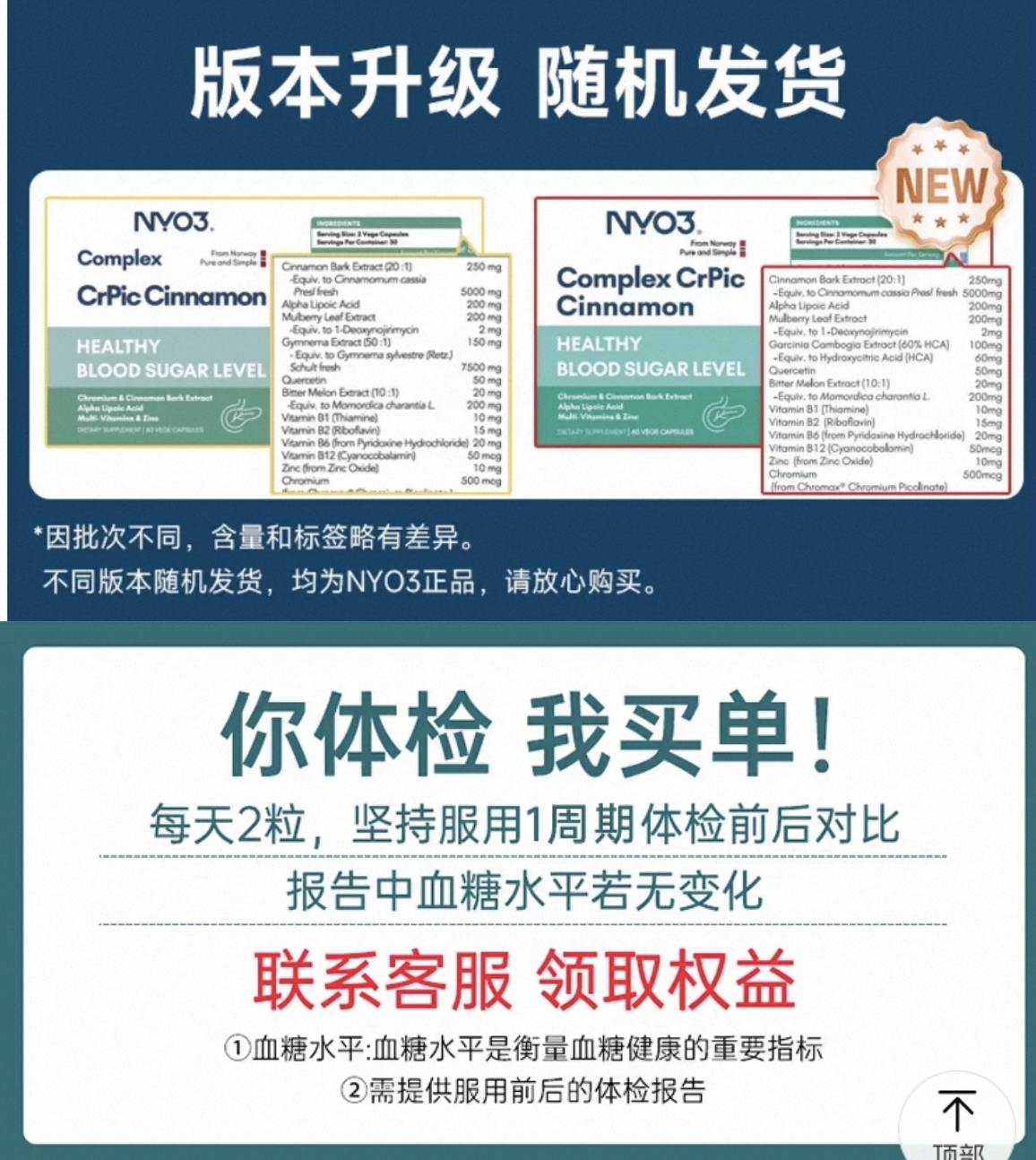
NYO3活性铬平衡胶囊

Search documents
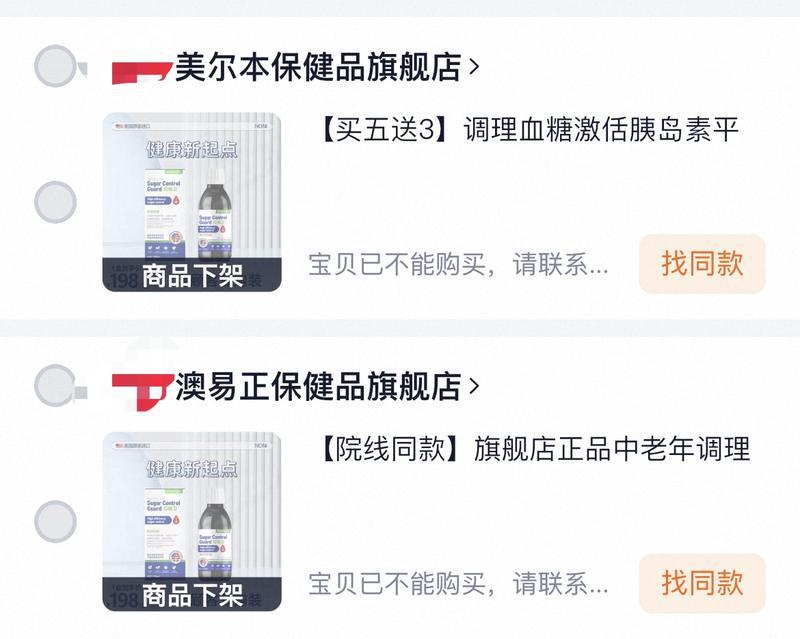
降糖产品质量报告追踪:控糖卫已下架,厦门市场监管部门已立案
Xin Jing Bao· 2025-08-29 09:17
Core Viewpoint - The article highlights the swift action taken by the Xiamen Market Supervision Administration in response to reports of false advertising related to "imported" blood sugar control drinks, leading to the removal of certain products from the market and ongoing investigations into the involved companies [1][4][5]. Regulatory Response - The Xiamen Market Supervision Administration has initiated an investigation into the companies involved in the false advertising of blood sugar control products, specifically targeting the "Kongtangwei" and "Breorqy" brands [1][5]. - The regulatory body has mandated the removal of product links and is conducting further investigations to address the reported violations [1][5][6]. Market Impact - The article notes that the false claims made by these products, such as being "imported" and having extraordinary effects on blood sugar control, misled consumers and posed challenges to diabetes treatment [4][5]. - The cost of the "Kongtangwei" product is estimated to be less than 10 yuan, while it is sold for over 100 yuan, indicating significant markup based on misleading claims [4]. Ongoing Issues - Despite the removal of certain products, many others continue to be sold with unchanged promotional content, indicating a persistent issue with false advertising in the market [7][8]. - The article points out that various other products, including chromium supplements and herbal teas, also make unverified claims regarding their effectiveness in controlling blood sugar levels [5][8]. Recommendations for Improvement - Experts suggest that regulatory efforts need to be strengthened, particularly in enhancing the oversight of e-commerce platforms to prevent the sale of products with exaggerated claims [8][9]. - There is a call for improved collaboration among regulatory bodies across different regions to ensure comprehensive monitoring and enforcement against misleading advertising practices [8][9].

“血糖克星”三价铬真相调查:降糖功效科学性研究不足
Bei Ke Cai Jing· 2025-08-27 05:40
Core Viewpoint - The article highlights the growing trend of chromium trivalent dietary supplements marketed as effective solutions for blood sugar management, particularly targeting individuals with diabetes. However, experts warn that the scientific evidence supporting these claims is insufficient, and such products should not be considered substitutes for conventional diabetes medications. Group 1: Product Claims and Marketing Strategies - Many merchants promote chromium trivalent supplements as "natural insulin" and claim they can help consumers manage blood sugar levels effectively, often using exaggerated language to attract buyers [1][2][3] - Products are primarily sold through cross-border e-commerce platforms, often lacking clear labeling in Chinese, which complicates consumers' understanding of the ingredients and effects [1][13] - Common marketing tactics include promises of "repairing the pancreas" and "no side effects," with many products claiming to balance blood sugar through various mechanisms [3][4][11] Group 2: Expert Opinions and Scientific Evidence - Endocrinology and nutrition experts emphasize that the claims regarding chromium's effectiveness in lowering blood sugar lack robust scientific backing, and the term "natural insulin" is misleading [2][29][34] - Experts caution against self-medication based on these products, as they may lead to delayed treatment and worsening of diabetes [2][12][34] - The consensus among medical professionals is that diabetes management requires a comprehensive approach, including lifestyle changes and conventional medications, rather than reliance on single nutrient supplements [14][34] Group 3: Regulatory and Legal Concerns - The marketing of these dietary supplements often crosses legal boundaries by implying they can replace prescription medications, which violates advertising laws in China [19][20] - Many products are misrepresented as health supplements while lacking the necessary approvals and labeling required for such classifications, leading to potential consumer deception [25][27] - The article highlights the need for stricter regulations and consumer awareness regarding the claims made by dietary supplement manufacturers [20][28]