
Oreos

Search documents
Some foods that appear healthy may be ultraprocessed #shorts
60 Minutes· 2026-02-17 13:45
The granddaddy >> Oreos. >> We met with food author Michael Pollen, who for decades has been warning about inexpensive factory processed food. >> Granola bars. Those look very healthy. All of these would qualify as ultrarocessed foods even though they're very different. This, you know, we have a snack food, couple snack foods. >> Nature Valley, >> I would argue because of the number of uh ingredients in it. So there's a lot of sugar in here, >> but but this is sold as >> Yeah. a healthy health food. >> Poll ...

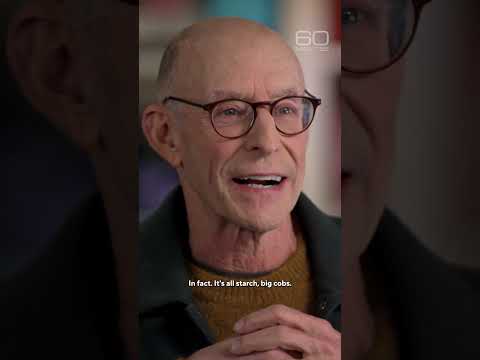
Big Food gets leaner with divestitures and breakups as consumers turn away from packaged snacks
CNBC· 2026-01-31 13:00
Core Viewpoint - Kraft Heinz is planning to split into two separately traded companies, reversing its 2015 merger, amid a broader trend in the food industry where companies are divesting underperforming brands due to changing consumer preferences and regulatory pressures [1][2][18]. Industry Trends - The consumer products industry is experiencing a significant shift, with nearly half of M&A activity in 2024 coming from divestitures, as companies like Unilever and Keurig Dr Pepper also pursue similar strategies [3][2]. - The trend of breaking up is not limited to consumer packaged goods; industrial companies and legacy media firms are also undergoing similar transformations [4]. Market Dynamics - There is increasing pressure on packaged food and beverage companies due to lower demand and shrinking sales volumes, prompting them to divest underperforming brands to regain investor confidence [5][11]. - Consumers are shifting their purchasing habits towards fresh produce and protein, leading to declining sales for traditional grocery items [7]. Regulatory Environment - Regulatory scrutiny on processed foods is intensifying, influenced by health initiatives and the rise of medications that reduce appetite for sugary and salty snacks [8]. Competitive Landscape - Major consumer packaged goods companies are losing market share to upstart brands and private-label products, with only about 35% of their portfolios in high-growth categories compared to over half for private-label brands [9][10]. Financial Performance - Kraft Heinz has seen a 73% decline in its stock price since its merger, attributed to aggressive cost-cutting measures that neglected brand investment [19]. - The merger of Keurig Green Mountain and Dr Pepper Snapple Group in 2018 is cited as an example of a poorly conceived deal, leading to a significant rise in shares but still underperforming compared to the S&P 500 [15][14]. Strategic Moves - Kraft Heinz has appointed Steve Cahillane, former CEO of Kellogg, to lead the new entity focused on high-growth brands post-split [23]. - The divestiture trend is expected to continue, with companies like General Mills and Nestle also announcing sales of non-core brands to concentrate on their main offerings [25]. Acquisition Landscape - Smaller acquisitions are becoming more common, with deals under $2 billion representing a growing share of consumer products transactions, as larger deals face regulatory hurdles [26][27].

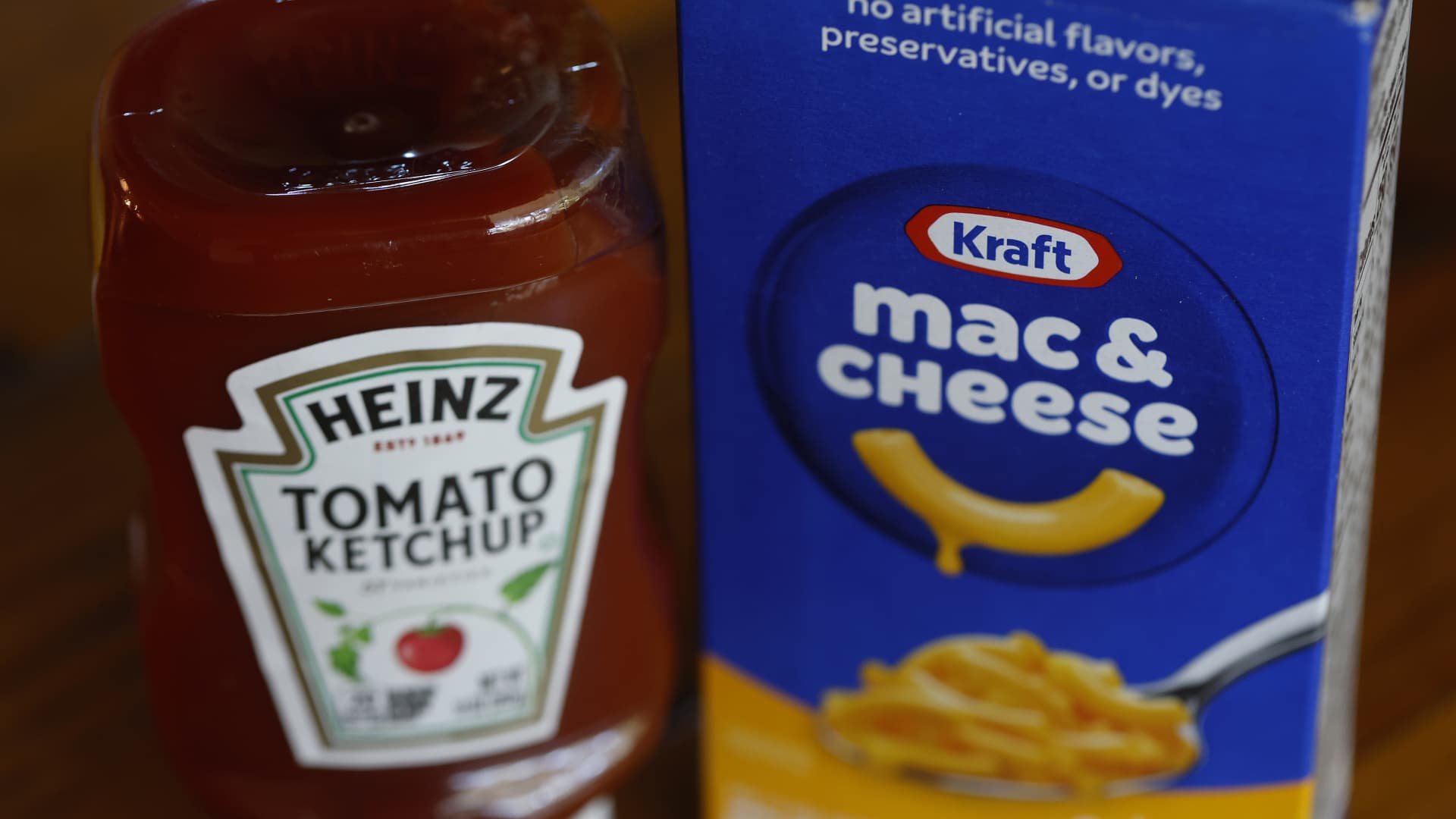
How social media upended the 75-year-old playbook of big CPG
Yahoo Finance· 2026-01-28 14:30
Core Insights - The traditional business model of America's largest consumer packaged goods (CPG) companies, which relied on massive advertising, widespread product availability, and economies of scale, is becoming obsolete due to the rise of social media influencing consumer behavior [1][2][3] Industry Trends - Consumers are increasingly turning to social media for product recommendations, with a survey indicating that 50% of respondents tried new recipes based on social media, and 42% experimented with new products [4] - The emergence of nutrition-themed micro-communities on platforms like TikTok, Instagram, and YouTube is reshaping consumer preferences, leading to niche demands such as avoiding seed oils or seeking high-protein products [5] Market Dynamics - Hundreds of direct-to-consumer brands are rapidly emerging to cater to these niche markets, with examples including Day Out (plant-based snacks), Lucky Energy (zero-sugar drinks), and Goodles (healthier macaroni and cheese) [6] - Incumbent CPG companies face challenges in adapting to these trends, as acquiring successful startups from micro-communities may not align with their traditional growth strategies [7] Financial Implications - Many emerging brands plateau at around $50 million in annual sales, which is not substantial enough for larger companies like PepsiCo (over $90 billion in annual sales) or General Mills (around $20 billion) to justify acquisition efforts [8]
X @Nick Szabo
Nick Szabo· 2025-12-23 04:00
RT ConservativeCarolinaGirl (@RightGoDeacs)*Me just now on a Walmart errand for my mom*Me to Walmart employee: “Excuse me, do y’all have any more of the white fudge Oreos?Walmart employee: *just smiles*Me: *Repeats the same sentence*Walmart Employee: *Tries handing me her phone so I could type in what I was needing.*Me refusing to take her phone but noticed it was in all Spanish so began using what little Spanish I know: “No habla English?”Her: “No”Me: “Never mind then” and I walked off.Wasn’t trying to be ...

Halloween is challenge for chocolatiers as high prices bite
Financialpost· 2025-10-29 17:13
Core Insights - Major companies are expanding their product portfolios to capture market demand, particularly in the confectionery sector [1] Company Summary - Mondelez International Inc., known for brands like Cadbury and Toblerone, is focusing on gummies in the American market [1] - The company highlights that limited-time offerings, such as Halloween-themed Sour Patch Kids and Oreos, significantly boost seasonal demand [1]

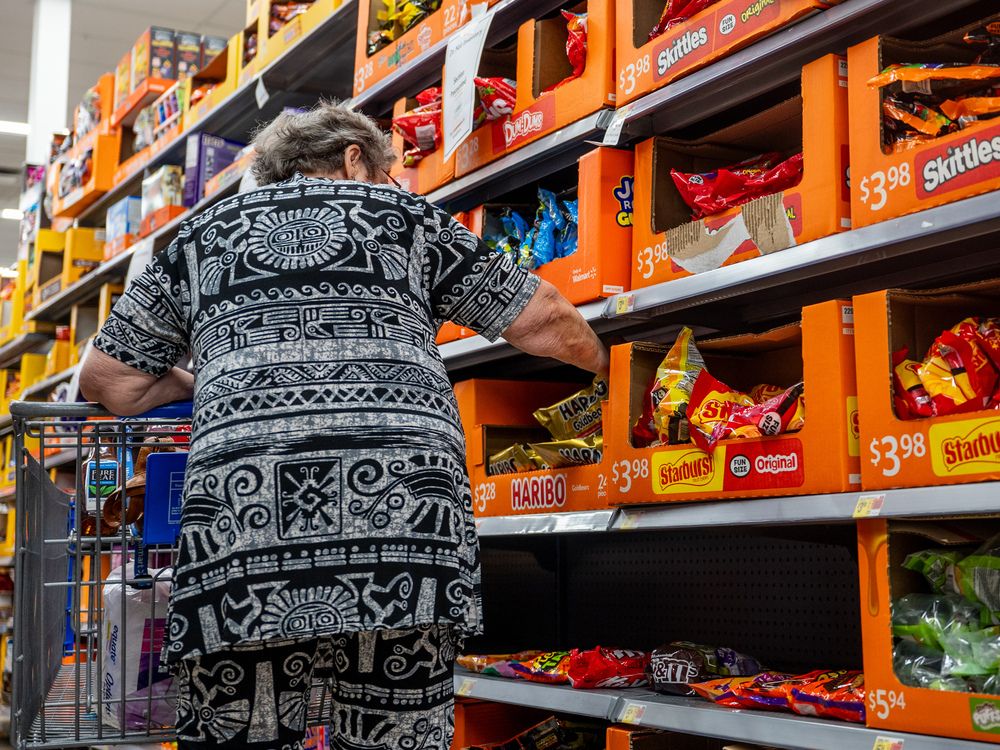
Food giants may lean more on lawsuits as private label encroaches on their turf
Yahoo Finance· 2025-10-27 10:00
Core Insights - The rise of private label products is prompting more consumer packaged goods (CPG) manufacturers to take legal action against retailers for alleged imitation of their products [2][3][7] Group 1: Legal Actions - J.M. Smucker has filed a lawsuit against Trader Joe's, claiming that its crustless PB&J sandwiches are a clear imitation of Smucker's Uncrustables [2] - Mondelēz International has also sued Aldi, alleging that the grocery chain's snack products replicate the packaging of well-known brands like Oreos and Chips Ahoy! [2] Group 2: Market Dynamics - Private label products, once considered inferior, have become significant competitors in the market, available in various retail environments from small stores to large chains like Walmart and Costco [3] - Private label is projected to account for over 20% of food and grocery sales by 2025, up from 12% two decades ago, with sales reaching a record $271 billion in 2024, marking a 3.9% increase from the previous year [4][5] Group 3: Consumer Behavior - Inflation has led consumers to seek cost-saving options, making private label products more appealing [5] - Retailers are investing more in enhancing the quality and value of private label offerings, contributing to their growth [5] Group 4: Competitive Landscape - The competition between national brands and private label products is intensifying, with manufacturers increasingly willing to defend their market share through legal means [3][7] - The relationship between private label retailers and branded products is described as a "game of cat and mouse," where retailers attempt to closely mimic popular items to attract consumers [6][7]
Smucker sues Trader Joes over ‘crustless' PB&J sandwiches which resemble iconic Uncrustables
New York Post· 2025-10-15 20:16
Core Viewpoint - The J.M. Smucker Co. is suing Trader Joe's, claiming that the grocery chain's new frozen peanut butter and jelly sandwiches infringe on Smucker's trademarks due to their similar design and packaging [1][4]. Group 1: Lawsuit Details - Smucker alleges that Trader Joe's sandwiches have the same pie-like crimp markings and round, crustless design as its Uncrustables, which violates its trademarks [1][6]. - The lawsuit states that the blue color of the packaging used by Trader Joe's is identical to that of Smucker's Uncrustables, further infringing on its trademarks [2][3]. - Smucker claims that the visual representation of a sandwich with a bite taken out of it on Trader Joe's packaging is also similar to Uncrustables, contributing to customer confusion [3][8]. Group 2: Brand Development and Investment - Smucker has invested over $1 billion in developing the Uncrustables brand over the past 20 years, focusing on perfecting the product and expanding its flavor offerings [7]. - The company emphasizes that it does not oppose the sale of other crustless sandwiches but cannot allow others to use its intellectual property for their sales [3][6]. Group 3: Previous Legal Actions - This lawsuit is not the first instance of Smucker protecting its Uncrustables brand; in 2022, it sent a cease and desist letter to a Minnesota company for producing similar products [13]. - The lawsuit follows a recent similar case where Mondelez International sued Aldi for packaging that resembled its well-known brands [14].


Mondelez International’s (MDLZ) Solid Dividend History Makes it One of the Best Food Dividend Stocks to Own
Yahoo Finance· 2025-10-10 03:11
Core Insights - Mondelez International, Inc. (NASDAQ:MDLZ) is recognized as one of the best food dividend stocks to buy according to analysts [1] - The company has a strong portfolio of popular snack products, including Oreos, Cadbury chocolate, and Sour Patch Kids, contributing to its significant market presence [2] Dividend Performance - Over the past five years, Mondelez has increased its dividend by more than 10% annually and has repurchased billions of dollars' worth of shares, reducing the total stock by approximately 15% since 2018 [3] - In July, Mondelez raised its quarterly dividend to $0.50 per share, marking the 12th consecutive year of dividend increases, with a current dividend yield of 3.19% as of October 5 [4]
X @The Wall Street Journal
The Wall Street Journal· 2025-08-09 02:03
Product Innovation - The snack industry is seeing innovative combinations of popular brands, such as Oreos and Reese's [1] - The combination is being compared to the Manhattan Project, suggesting a significant and impactful collaboration [1]