Ottava手术机器人系统

Search documents
算力飙升万倍,无需开胸!达芬奇机器人再添手术新技能,马斯克预言将成真?
第一财经· 2026-01-27 08:53
Core Viewpoint - Intuitive Surgical's da Vinci 5 surgical robot has received FDA approval for specific cardiac surgeries, marking a significant milestone in the field of surgical robotics [3]. Group 1: Product Approval and Market Impact - The da Vinci 5 system is now approved for mitral valve repair and coronary artery bypass grafting, expanding its application in cardiac surgery for the first time [3]. - Over 140,000 cardiac surgeries have been performed globally using da Vinci robots, showcasing the system's established presence in the market [3]. - The company anticipates creating 160,000 surgical opportunities annually with the new cardiac applications, indicating a substantial market potential [5]. Group 2: Technological Advancements - The da Vinci 5 system boasts a computational power increase of 10,000 times compared to previous models, enhancing surgical precision [3]. - The use of robotic-assisted minimally invasive surgery can reduce patient trauma by allowing surgeries to be performed through small incisions without opening the sternum [3]. Group 3: Competitive Landscape - Intuitive Surgical's early entry into cardiac surgery with the da Vinci 5 may provide a competitive advantage over other medical giants, which have not yet ventured into this area [6]. - Competitors like Medtronic and Johnson & Johnson are developing surgical robots, but their current systems are limited to other surgical fields, such as urology and general surgery [6]. Group 4: Future Outlook - The global volume of da Vinci robotic surgeries is projected to grow by 13% to 15% by 2026, reflecting a positive trend in the adoption of robotic surgery [5]. - High-profile endorsements, such as from Elon Musk, suggest a growing confidence in robotic surgery's potential to surpass human capabilities in the near future [5].


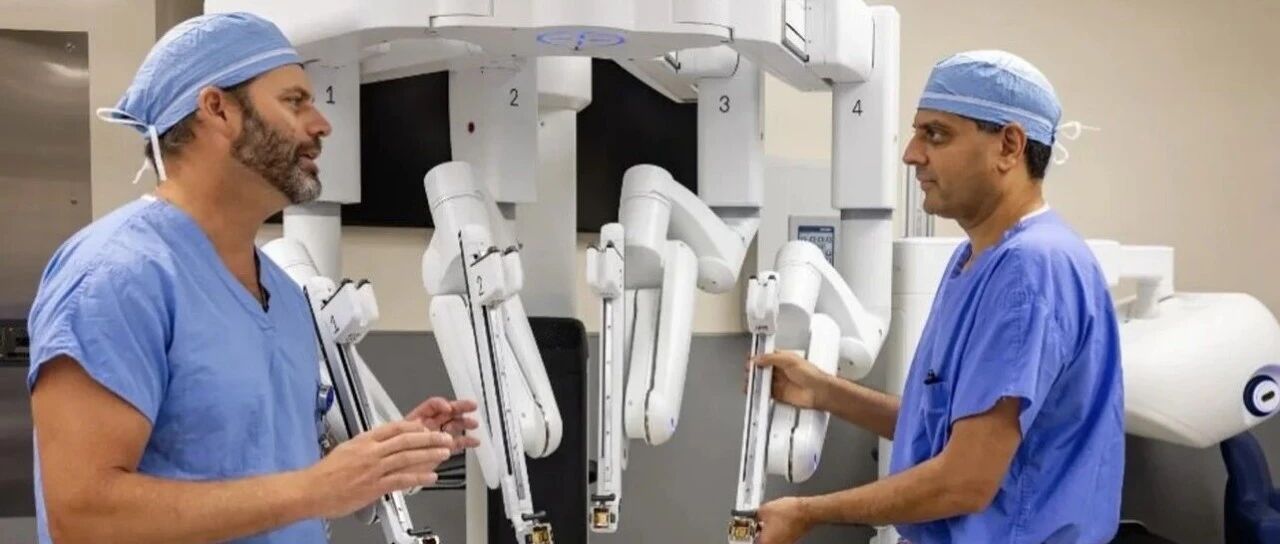
算力飙升万倍,无需开胸!达芬奇机器人再添手术新技能,马斯克预言将成真?
Di Yi Cai Jing· 2026-01-27 07:32
Core Insights - Intuitive Surgical's da Vinci 5 surgical robot has received FDA approval for specific heart surgeries, marking the first time the da Vinci system is officially approved for cardiac procedures [1][3] - The da Vinci robot has been used in over 140,000 heart surgeries globally, with its computational power increased by 10,000 times [1][3] - The approval expands the indications to include mitral valve repair and coronary artery bypass grafting, which are significant advancements in the field of robotic surgery [1][3] Industry Overview - Approximately 18 million people die from cardiovascular diseases annually, with over 2 million patients undergoing open-heart surgery, most requiring sternotomy [3] - Robotic-assisted minimally invasive heart surgery reduces patient trauma by allowing procedures through small incisions without opening the sternum [3] - The approval of the new indications is considered a milestone in the robotic surgery field [3] Market Potential - Intuitive plans a "controlled rollout" of the da Vinci 5 system, initially in the U.S. and South Korea, with an estimated potential of 160,000 surgical opportunities annually [3] - The global volume of da Vinci robot surgeries is expected to grow by 13% to 15% by 2026 [3] Competitive Landscape - Other medical giants are developing surgical robot systems but have not yet entered the cardiac surgery market, such as Medtronic's Hugo system and Johnson & Johnson's Ottava system, which are focused on urology and general surgery, respectively [4] - Truist Securities notes that the approval of da Vinci 5 for cardiac surgery may enhance Intuitive's competitive advantage in the market [4] Expert Opinions - Elon Musk predicts that within three years, robots will surpass human surgical skills, and within five years, they will outperform even top human surgeons [4] - Some experts believe that while robotic surgery has matured in fields like abdominal surgery, its value in cardiac surgery is still limited and requires further clinical validation [4]

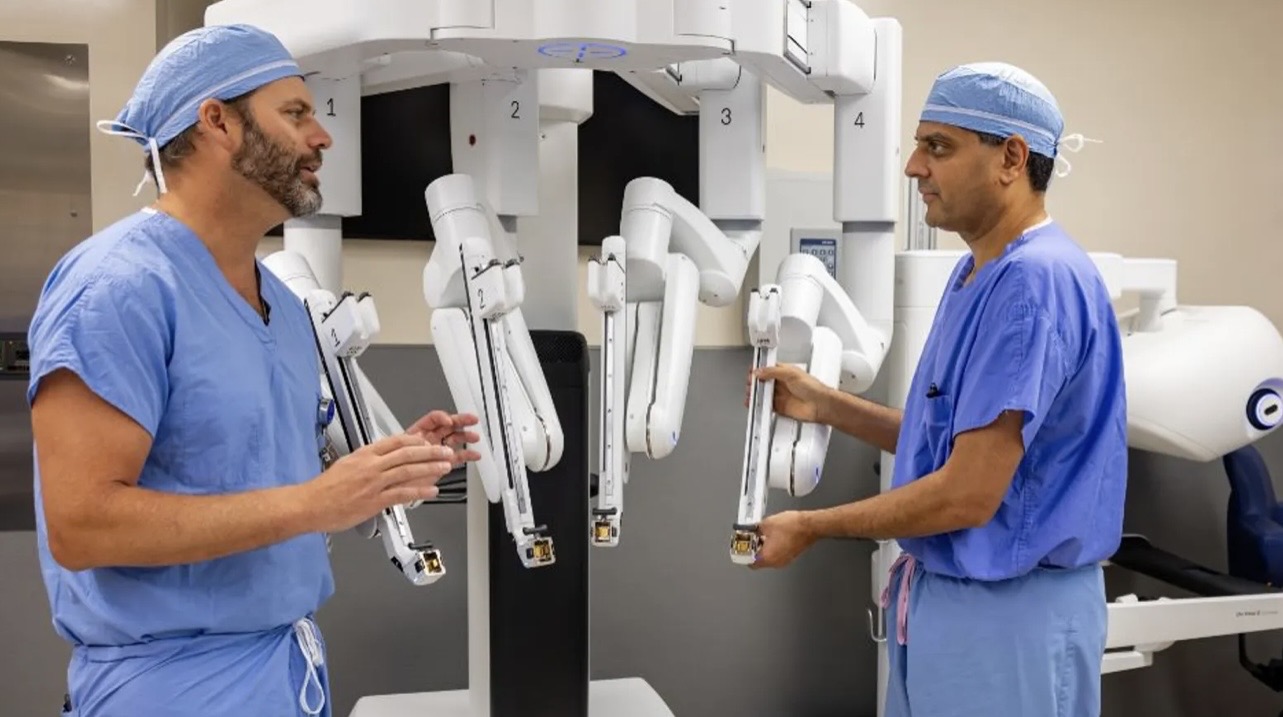
医械巨头核心战略解码:美敦力、波科、史赛克、强生等|JPM 2026
思宇MedTech· 2026-01-15 08:30
Core Insights - The JPM Health Conference highlighted a shift in focus among major medical device companies from investment narratives to growth execution, emphasizing the importance of mergers and acquisitions, AI integration, and organizational restructuring for future growth [2][4]. Medtronic - Medtronic's leadership emphasized a transition to a "growth execution phase," with a focus on accelerating growth through existing technologies and strategic acquisitions, particularly smaller tuck-in acquisitions [6][7]. - The company plans to launch its Hugo surgical robot system in the U.S. in 2026, targeting soft tissue surgery as a key growth area, and sees significant market potential in cardiac electrophysiology and renal denervation [7][8]. - Medtronic aims for mid-to-high single-digit revenue growth in 2026, driven by advancements in ASC penetration and AI-enabled surgical planning [8]. Boston Scientific - Boston Scientific reported over 10% revenue growth for three consecutive years, driven by core products like PFA and WATCHMAN, with a focus on maintaining high growth in the electrophysiology market [10][11]. - The company aims to enhance the overall adoption of arrhythmia treatments and expand its product offerings, including the FARAPOINT catheter, to new indications [11]. - Boston Scientific's growth strategy includes targeting outpatient surgical centers and advancing its clinical pipeline with new innovations [11]. Stryker - Stryker's CEO highlighted the importance of mergers and acquisitions, particularly in orthopedics and neurology, while focusing on enhancing the Mako robotic platform [12][14]. - The company expects to achieve 7%-9% revenue growth in 2026, with a strong emphasis on outpatient surgical centers as a significant growth driver [14]. Johnson & Johnson - Johnson & Johnson's CEO indicated a return to fundamentals, with a focus on execution and long-term growth, planning to invest approximately $55 billion in new facilities and R&D, particularly in MedTech [15][17]. - The company is preparing for regulatory milestones for its Ottava surgical robot system, with significant contributions expected post-2028 [17][18]. - J&J's strategy includes strategic investments in robotic systems to enhance its outpatient surgical capabilities [18]. Intuitive Surgical - Intuitive Surgical's focus remains on expanding its da Vinci system and integrating AI functionalities to improve surgical efficiency [19][20]. - The company anticipates a competitive landscape in soft tissue robotics but believes its established ecosystem provides a competitive advantage [20]. - Intuitive expects revenue growth of 12%-15% in 2026, driven by increased surgical volumes and international market expansion [20]. Alcon - Alcon is committed to innovation in eye health, focusing on surgical and vision care segments, with a significant emphasis on enhancing operational efficiency [22][23]. - The company aims to launch 10-15 new products over the next two years, maintaining an annual R&D investment of around $1 billion [23]. Abbott - Abbott's strategy emphasizes stable execution, particularly in diabetes management, with plans to expand the FreeStyle Libre system's applications [24]. - The company expects 8%-10% revenue growth in its MedTech business for 2026, focusing on internal innovation and operational efficiency [24]. GE Healthcare - GE Healthcare is shifting its AI capabilities towards standalone software tools, emphasizing the commercialization of AI in imaging [25]. - The company plans to simplify its product offerings to enhance customer experience and reduce internal costs, aiming for organic growth through advanced imaging technologies [25]. Illumina - Illumina's growth strategy focuses on sequencing, multi-omics, and scaling services, with a strong emphasis on partnerships to accelerate drug development [29][30]. - The company aims to maintain a balanced approach between innovation investment and shareholder returns, with a positive outlook for the Chinese market [30]. Edwards Lifesciences - Edwards Lifesciences is focused on structural heart disease, with a commitment to innovation in TAVR and TMTT platforms, expecting 8%-10% sales growth [33][34]. - The company is addressing regulatory challenges while continuing to invest in breakthrough therapies and expanding market access [34]. Jabil - Jabil's CEO discussed the company's transformation and focus on integrating recent acquisitions, with a strategic emphasis on improving sales efficiency in the U.S. market [36][37]. - The company plans to launch new products and leverage AI technology to enhance its offerings in the orthopedic sector [37]. Conclusion - The overall sentiment from the JPM26 conference indicates that major medical device companies are prioritizing alignment of products, organizational structure, and capital utilization to drive growth, rather than focusing solely on new technologies [40].