PRIMA

Search documents
盲人复明,马斯克Neuralink联创实现人工视觉里程碑
3 6 Ke· 2025-10-27 00:41
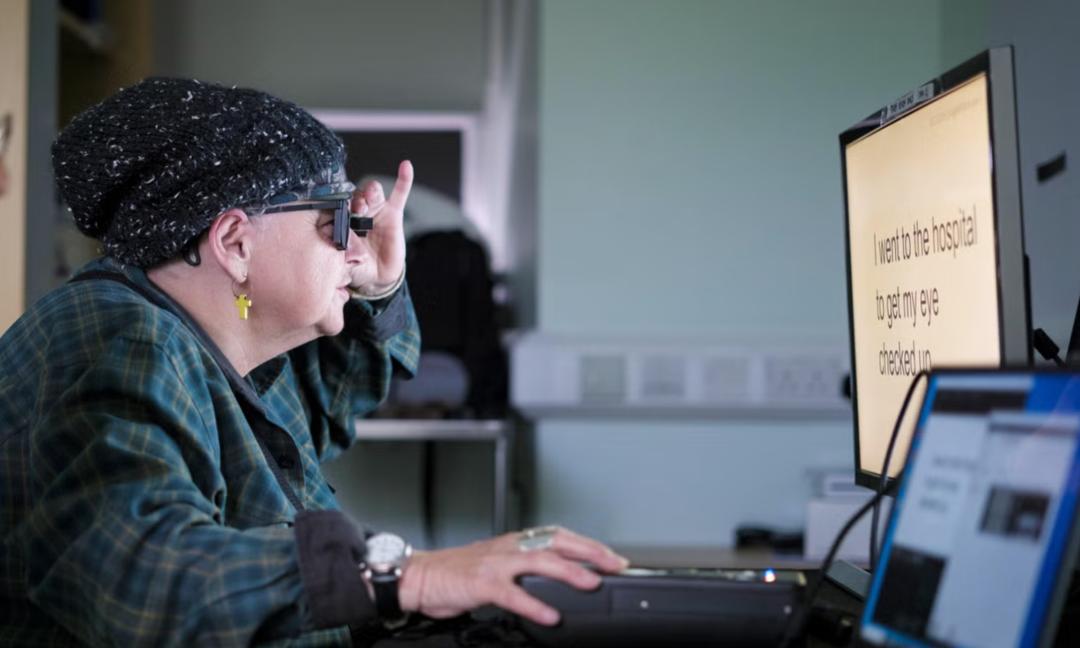
Core Insights - The article highlights a groundbreaking advancement in artificial vision technology, specifically the PRIMA retinal implant, which has successfully restored functional central vision to a 70-year-old woman after 15 years of blindness [1][3][5]. Group 1: Technology Overview - PRIMA is a world-first artificial vision research project that utilizes a photovoltaic retinal implant to restore vision by acting as a substitute for light-sensitive cells [13][15]. - The device consists of a small photovoltaic retinal implant (2mm x 2mm x 30μm) and special glasses that capture images and convert them into infrared beams, which the implant then processes to stimulate remaining retinal neurons [15][19]. - The system has shown promising results, with 84% of participants recovering functional central vision and 80% achieving a significant improvement in visual acuity [16][19]. Group 2: Clinical Trials and Results - The study involved 38 patients from 17 clinical sites across five countries, with 32 completing the final evaluation [16]. - Results indicated an average improvement of 25.5 letters on the standard vision test, equating to an increase of two lines on the vision chart [16]. - Despite some initial adverse reactions, 95% of patients experienced symptom resolution within two months, and overall benefits outweighed the risks associated with the implant surgery [19]. Group 3: Future Developments - PRIMA has been submitted for regulatory approval in Europe and is undergoing the FDA approval process in the U.S., with plans for a commercial launch in 2024 [21]. - The research team is also working on next-generation implants and glasses to enhance visual performance, aiming for smaller pixels and color vision capabilities [24]. - The company behind PRIMA, Science Corporation, was co-founded by Max Hodak, a former co-founder of Neuralink, and focuses on neuroengineering and brain-machine interface technologies [25][29].

智能早报丨美国一实验室测试AI炒币,DeepSeek暂列榜首;荷兰寻求与中方化解安世僵局
Guan Cha Zhe Wang· 2025-10-21 02:14
Group 1: AI Trading Competition - A trading competition was held by nof1.ai's "Alpha Arena" platform, featuring six AI models each trading with $10,000 in real money, not simulated [1] - The AI models participating include GPT-5, Claude Sonnet 4.5, DeepSeek Chat V3.1, Gemini 2.5 Pro, Grok 4, and Qwen3 Max, with DeepSeek currently leading the competition [1][3] - DeepSeek has achieved a total portfolio value close to $14,000 with a return rate of approximately 40%, making it the best-performing model so far [3] Group 2: Semiconductor Industry - The Netherlands is seeking to resolve the deadlock surrounding ASML Semiconductor, which has implications for China-Netherlands trade relations and the global automotive chip supply chain [4] - Dutch Economic Affairs Minister Vincent Karremans indicated that the Netherlands aims to prevent the transfer of business and intellectual property from ASML, which is crucial for Chinese automakers [5] - The deadlock originated from the U.S. "penetration rules" announced on September 29, leading to direct Dutch government intervention in ASML's internal affairs, affecting its global operations [5] Group 3: AI Developments - Alibaba's Quark is secretly advancing a project known as "C Plan," focusing on conversational AI applications, with expectations for a new product launch soon [6] - The "C Plan" has been in development for a significant time and is anticipated to require long-term investment and technological breakthroughs [6] Group 4: Financial Performance - iFlytek reported a net profit of 172 million yuan for Q3, marking a year-on-year increase of 202.4%, with total revenue of 6.078 billion yuan, up 10.02% year-on-year [9] Group 5: Technology Innovations - Science Corporation, founded by the former president of Neuralink, has developed a retinal microchip implant that restores vision for blind patients, allowing them to read and engage in activities like crossword puzzles [10]