PackBot

Search documents
杉川能把iRobot救活吗?
3 6 Ke· 2025-12-19 06:23
Core Viewpoint - The potential acquisition of iRobot by Sugawa involves the forgiveness of over $350 million in debt, but the deal is still in the preliminary stages and subject to legal compliance reviews. iRobot's CEO emphasizes maintaining the Roomba brand and operational functions in the U.S. to distinguish from other Chinese companies, while also addressing data management concerns related to user privacy and compliance risks [1][2]. Group 1: Acquisition Details - Sugawa's acquisition of iRobot is contingent upon addressing data security issues, particularly due to iRobot's past involvement in military applications and the sensitivity of user data [2]. - iRobot's CEO has stated that the company will retain its brand and sales structure while ensuring that data will not be stored on servers in China, indicating a focus on compliance with local regulations [2][3]. - The acquisition is seen as a necessary step for Sugawa to manage its debt, but there are concerns about whether it will enhance operational competitiveness given past challenges faced by the Sugawa+iRobot model [1][2]. Group 2: Financial Implications - iRobot relies heavily on Sugawa as its sole contract manufacturer, with significant operational dependence highlighted in a filing to the U.S. Securities and Exchange Commission [7]. - Sugawa's production capacity for robotic vacuums exceeds 8.5 million units, with iRobot accounting for over 17% of this capacity, making it a critical customer for Sugawa [8]. - iRobot owes Sugawa over $350 million, which constitutes more than 70% of its total liabilities, raising concerns about the financial implications if iRobot were to declare bankruptcy [8][9]. Group 3: Strategic Benefits - The acquisition could provide Sugawa with access to over 2,000 patents held by iRobot, which are crucial for competitive advantage in the robotics industry [11][13]. - Sugawa aims to leverage iRobot's established brand and distribution channels to enhance its market presence, particularly in North America and Europe, where iRobot has a strong foothold [14][15]. - The integration of Sugawa's manufacturing capabilities with iRobot's brand and technology could potentially lead to significant operational synergies and market expansion [13][17]. Group 4: Market Position and Challenges - iRobot's market share has significantly declined, with its global share dropping to 7.9% by the third quarter of 2023, indicating a need for strategic repositioning [16]. - The challenge lies in merging the high-end brand image of iRobot with Sugawa's cost-efficient manufacturing approach, which requires careful management to ensure a successful integration [17][18]. - Cultural integration between the U.S. and Chinese corporate environments, along with retaining key talent from iRobot, will be critical for the success of the acquisition [17][18].

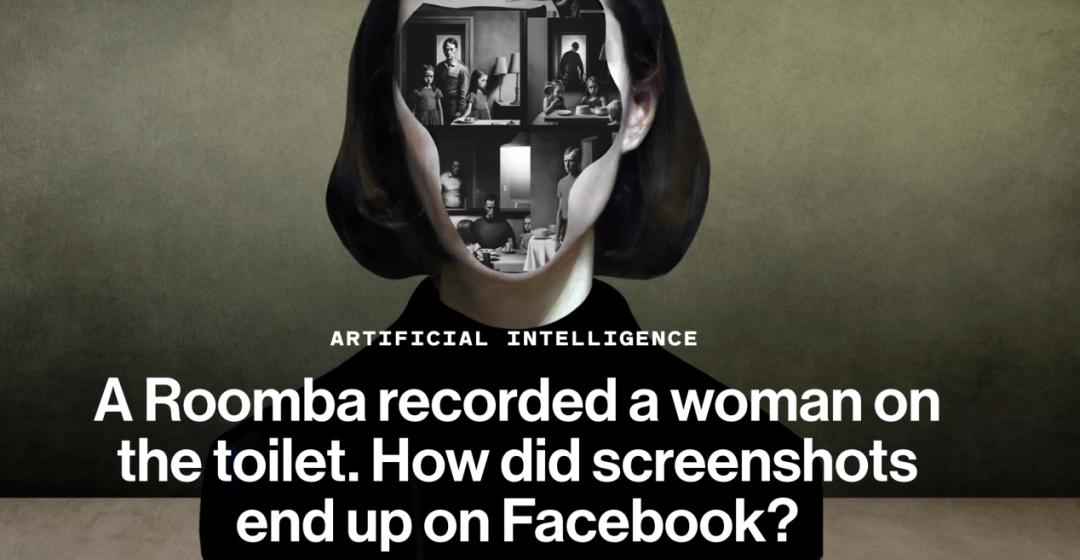
iRobot filed for bankruptcy: How the Roomba maker got here
Business Insider· 2025-12-16 16:30
Core Insights - iRobot, known for its Roomba vacuum cleaners, filed for Chapter 11 bankruptcy protection due to financial struggles and a failed $1.4 billion acquisition deal with Amazon [1][22] - The company, founded in 1990 by MIT roboticists, initially focused on military and space-related robots before achieving consumer success with the Roomba in 2002 [4][12] - iRobot's annual revenue peaked at $1.56 billion in 2021 but has since declined due to increased competition from lower-cost rivals [19] Company History - iRobot was established by Colin Angle, Helen Greiner, and Rodney Brooks with the vision of making practical robots a reality [4] - The company gained prominence with the launch of the Roomba, selling over 50 million units globally [12] - iRobot went public in 2005, with its shares trading on Nasdaq under the ticker symbol IRBT [15] Financial Struggles - Following its peak revenue in 2021, iRobot experienced a decline in sales, attributed to competition from brands like Dreame, Roborock, and Ecovacs [19] - The failed acquisition by Amazon, which was intended to strengthen iRobot's market position, fell through due to regulatory issues, leading to significant layoffs and the resignation of CEO Colin Angle [22][31] - iRobot expressed "substantial doubt" about its ability to continue operations in a March 2025 earnings report [26] Bankruptcy Filing - iRobot filed for Chapter 11 bankruptcy on December 14, 2025, and plans to be acquired by its primary contract manufacturer, Picea Robotics, through a court-supervised process [31] - The company aims to maintain normal operations and ensure continuity for consumers and partners during the bankruptcy process [31][32]

The maker of the Roomba is running out of cash and options. After its failed Amazon deal, iRobot could face bankruptcy.
Business Insider· 2025-11-06 10:18
Core Viewpoint - iRobot, once a leader in the robotic vacuum market, is facing severe financial difficulties and is on the brink of bankruptcy due to failed acquisitions and increasing competition [1][2][3]. Financial Strain - iRobot has been under financial pressure, worsened by the collapse of Amazon's $1.4 billion acquisition plan in early 2024 [2]. - The company reported that its last potential buyer withdrew after exclusive negotiations, offering a price significantly lower than its recent stock trading price [2][3]. - iRobot warned that without new funding, it may have to significantly reduce or cease operations and could seek bankruptcy protection [3][16]. Product and Market Position - iRobot has sold over 50 million Roomba models since its launch, but competition has intensified from brands like Dreame, Roborock, and Ecovacs [8][13]. - The company launched a new fleet of Roomba vacuums and mops in March 2023, aiming to reinforce its market leadership [4][8]. - iRobot's annual revenue peaked at $1.56 billion in 2021 but has been declining since, with shares dropping about 65% year-to-date, currently priced at $2.70 [13][16]. Historical Context - Founded in 1990 by MIT roboticists, iRobot initially focused on military and space-related robots before achieving consumer success with the Roomba in 2002 [9][11]. - The company sold its defense and security business in 2016 for up to $45 million, shifting its focus entirely to consumer robotics [12]. Strategic Challenges - iRobot acknowledged increased competition in the robotic floorcare segment, leading to a loss of market share [14]. - The failed acquisition by Amazon, initially agreed upon at $61 per share, was a significant setback, resulting in layoffs of 350 employees, or about 31% of its workforce [14][15].