Protein Pockets

Search documents
速递|CEO透露:星巴克也要为GLP-1布局了
GLP1减重宝典· 2026-02-04 09:57
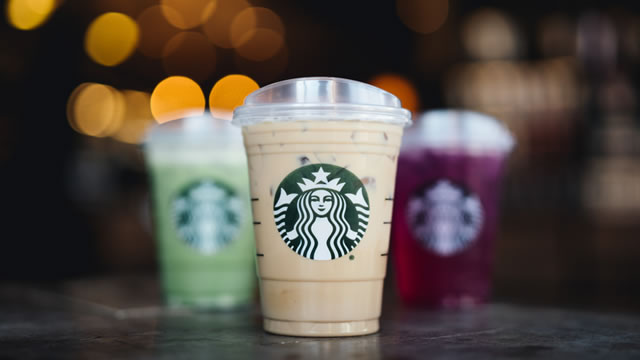
Core Insights - The article discusses the impact of GLP-1 drugs on consumer behavior, particularly in the food and beverage industry, highlighting how these medications are reshaping eating patterns and preferences [4][6][9] Group 1: Industry Impact - The use of GLP-1 drugs for weight loss has nearly doubled in the past two years, with a higher penetration rate among women, indicating a significant shift in consumer behavior [6] - Approximately one in eight American adults is currently using GLP-1 medications for weight loss, diabetes, or other chronic disease management, which is influencing spending habits [6] - Consumers using GLP-1 drugs tend to reduce overall food expenditure and meal sizes, favoring high-nutrient products while decreasing consumption of high-calorie snacks [6][9] Group 2: Company Strategies - Starbucks is integrating protein products into its long-term menu, emphasizing the importance of protein in response to changing consumer preferences driven by GLP-1 usage [8] - The company is focusing on health and lifestyle platforms, particularly targeting the afternoon segment for reactivation, and is simplifying its menu by reducing complexity by about 25% [8] - Other chains, such as Dunkin and Subway, are also launching protein-focused products, indicating a broader industry consensus on the shift towards protein and smaller portion sizes [8][9] Group 3: Consumer Behavior - The trend indicates that GLP-1 does not lead to reduced eating but rather encourages smaller, more frequent meals through beverages and functional snacks, prompting companies to adapt their product offerings accordingly [9] - The restructuring of consumer eating habits suggests a need for food and beverage companies to pivot from traditional meal-centric narratives to lighter, more functional food options [9]



The protein boom: Starbucks, Subway and beyond load up menus
Fox Business· 2026-01-16 21:57
Core Insights - A growing trend among restaurants is the incorporation of higher protein options in their menus as more Americans seek healthier diets [1][4] - Subway has introduced new Protein Pockets, each containing over 20 grams of protein and priced under $4, as part of its strategy to cater to this demand [1][2] - The trend towards higher protein meals is being accelerated by weight-loss drugs and a shift in dietary guidelines promoting protein consumption [4] Company-Specific Developments - Subway is enhancing its value menu with daily "Sub of the Day" specials that focus on protein-rich options [5] - Starbucks has launched Protein Cold Foam and a new line of protein lattes, containing 15 to 36 grams of protein per 16-ounce beverage, as part of its menu modernization efforts [6][8] - Sweetgreen has introduced a Protein Max Bowl with 106 grams of protein and increased portion sizes for chicken and tofu by 25% without raising prices [11] - Sweetgreen's app now features a macronutrient calculator, providing transparency on protein, carbohydrates, and fats in menu items [11] - Cava plans to expand its protein offerings, including new items like roasted salmon, in response to customer preferences for premium protein options [12][14] Industry Trends - The shift towards higher protein consumption is influenced by changing consumer behaviors, including the impact of GLP-1 drugs on appetite and food choices [17] - Companies like Rä Foods are focusing on not just increasing protein but also enhancing nutrient quality and bioavailability in their products [17]