
R44Ⅱ型直升机

Search documents
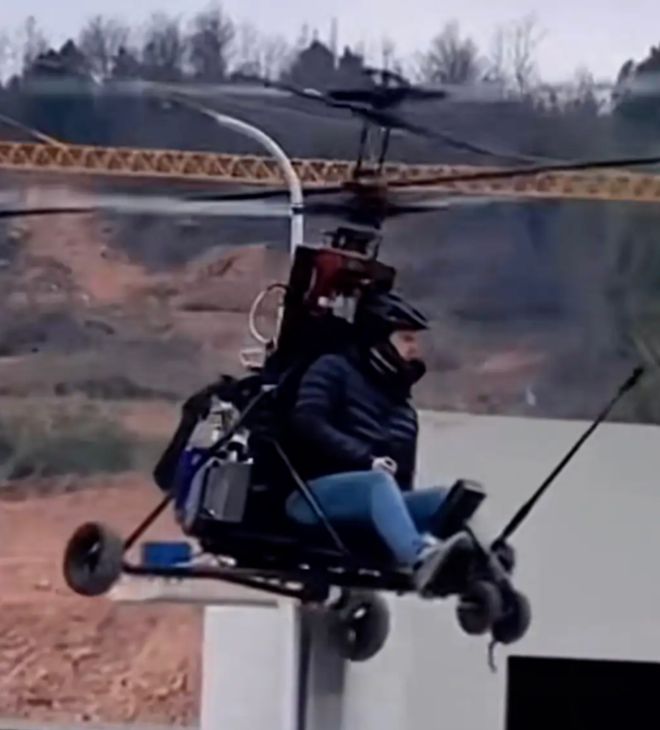
从“唐飞机”坠机到低空游火爆,“人人可飞”如何才能更安全
Di Yi Cai Jing Zi Xun· 2025-09-29 16:19
Core Viewpoint - The recent death of a popular figure in low-altitude aviation has raised concerns about the safety and regulation of ultralight aircraft in China, highlighting the need for stricter oversight and better training for enthusiasts [2][3][4]. Regulatory Environment - Ultralight aircraft in China are defined as single-pilot vehicles used for recreational purposes that do not require a license, but they must still adhere to specific regulations, such as avoiding densely populated areas and maintaining visual flight rules [3][4]. - The current regulatory framework allows for a degree of freedom for flying enthusiasts, but there are calls for more stringent regulations, especially for more complex aircraft types like gyroplanes [3][4]. Safety Concerns - The incident involving a helicopter crash during a sightseeing tour underscores the potential dangers associated with low-altitude aviation, prompting temporary suspensions of similar activities until safety assessments are completed [4]. - The rapid growth of low-altitude tourism, supported by government initiatives, has increased pressure on safety regulations, necessitating a focus on operational safety over profitability [4][5]. Industry Challenges - The low-altitude economy is facing significant challenges in airworthiness certification, with a dramatic increase in the number of unmanned aerial vehicle manufacturers and models requiring certification, which has overwhelmed existing resources [5]. - The shortage of qualified personnel for airworthiness certification is a critical bottleneck that needs to be addressed to support the growth of the low-altitude economy [5][6].

从“唐飞机”坠机到低空游火爆,“人人可飞”如何才能更安全
第一财经· 2025-09-29 16:07
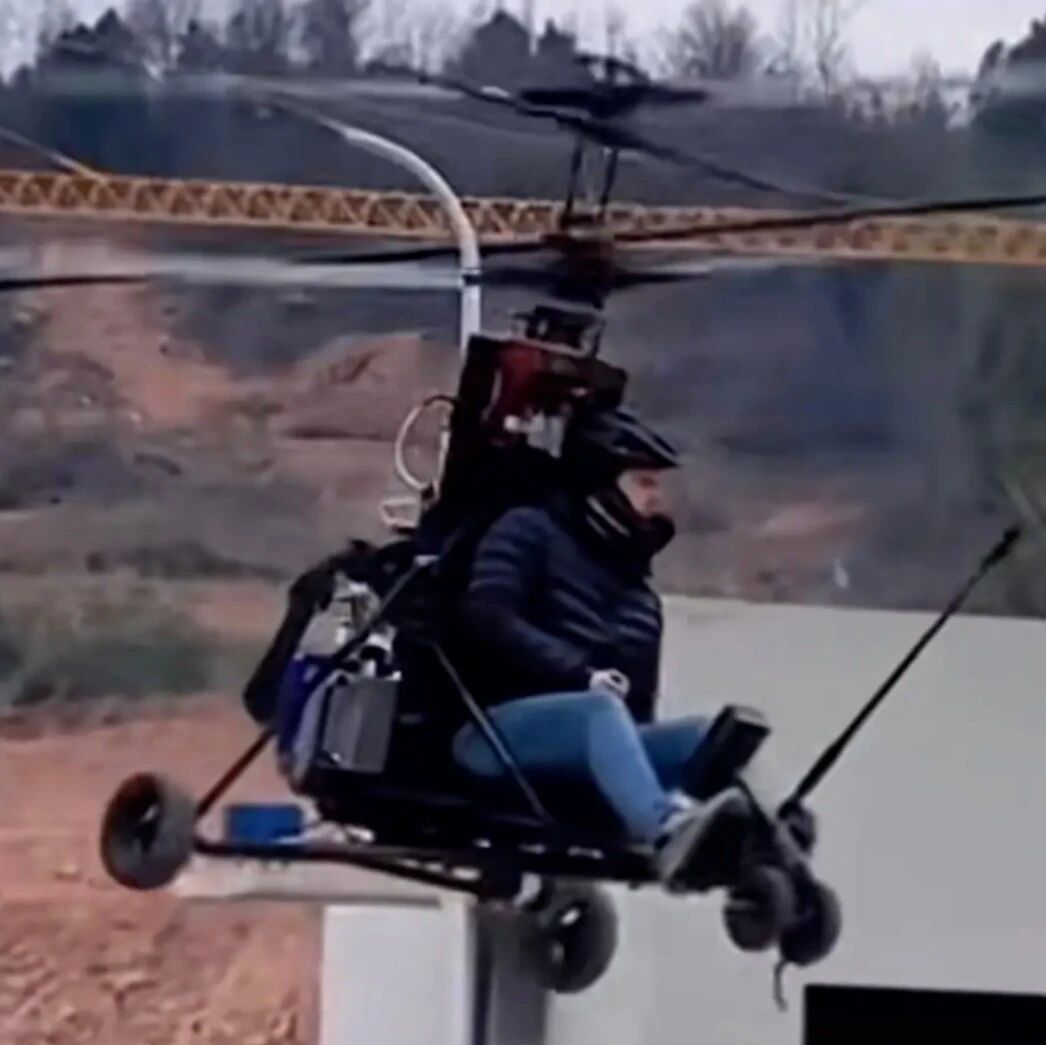
Core Viewpoint - The article discusses the safety concerns and regulatory challenges surrounding low-altitude flying vehicles in China, particularly in light of the recent fatal accident involving a popular figure known as "Tang Feiji" [3][4]. Regulatory Framework - The article explains that ultra-light aircraft, which do not require licenses, are defined by the Civil Aviation Administration of China (CAAC) as single-pilot vehicles used solely for recreational or sports activities [5]. - Despite the lack of stringent licensing requirements, ultra-light aircraft must still adhere to specific regulations, such as avoiding densely populated areas and maintaining visual flight rules [5][6]. Industry Insights - Industry experts highlight the growing number of flying enthusiasts in China, many of whom operate homemade aircraft without formal aviation training, raising safety concerns [6]. - The article notes that the safety oversight of personal flying enthusiasts is challenging due to the prevalence of unregulated homemade aircraft, which pose inherent safety risks [6]. Low-altitude Economy - The low-altitude economy has gained momentum, with multiple regions in China launching low-altitude tourism projects, particularly helicopter sightseeing tours, which have become popular among tourists [6][7]. - The rapid development of the low-altitude economy has increased pressure on safety regulations, as the CAAC emphasizes that operational safety must take precedence over economic benefits [7][8]. Regulatory Challenges - The article points out that the surge in demand for airworthiness certification for new types of aircraft, especially eVTOLs and drones, has created a significant challenge for regulatory bodies due to a shortage of human resources [8]. - The CAAC has acknowledged the overwhelming workload in certifying new aircraft, with over 700 drone manufacturers and more than 800 drone models requiring certification, compared to only 81 manned aircraft models certified in the past 40 years [8]. Safety as a Priority - Experts assert that safety is the fundamental baseline for the low-altitude economy, emphasizing that maintaining safety is crucial for future growth [8].
从“唐飞机”坠机到低空游火爆,“人人可飞”如何才能更安全|姗言两语
Di Yi Cai Jing· 2025-09-29 13:38
Core Viewpoint - The incident involving the death of a popular figure known as "Tang Feiji" while piloting an ultra-light aircraft has raised concerns about the regulatory framework surrounding such aircraft in China, highlighting the need for stricter safety measures and oversight in the burgeoning low-altitude economy [1][5]. Regulatory Environment - The current regulations for ultra-light aircraft allow individuals to operate them without a license, provided they are used solely for recreational purposes [1]. - The Civil Aviation Administration of China (CAAC) has established guidelines that prohibit ultra-light aircraft from flying over densely populated areas and require adherence to basic visual flight rules [1][4]. Industry Challenges - There is a growing concern among industry experts that the management of certain types of ultra-light aircraft, particularly rotorcraft, should be more stringent due to their complexity in manufacturing and operation [2]. - The rise of low-altitude tourism and the increasing number of new aviation models, such as eVTOLs, have put additional pressure on regulatory bodies, which are already facing resource shortages [6][7]. Safety Concerns - The safety of personal flying enthusiasts is a significant issue, as many operate home-built aircraft without formal training in aviation theory or emergency procedures [4]. - A recent incident involving a mature helicopter model resulted in injuries and fatalities, underscoring the need for enhanced safety protocols in low-altitude operations [5]. Economic Implications - The low-altitude economy has been emphasized in government reports, leading to the introduction of various low-altitude tourism projects across multiple regions, which further complicates safety oversight [5][7]. - The rapid growth in the demand for airworthiness certification for new types of aircraft, particularly drones, has created a bottleneck in the certification process, necessitating an expansion of the certification workforce [7]. Expert Opinions - Experts in the field stress that safety must be the foundational principle of the low-altitude economy, advocating for a balance between operational freedom and stringent safety measures [8].
苏州一直升机坠落致1死4伤 事故调查正展开
news flash· 2025-05-02 16:35
智通财经5月3日电,据苏州市吴中区应急管理局通报,5月2日17时许,一架R44Ⅱ型直升机(注册号B- 7541)在吴中区上空飞行返航时,从距离地面十米左右的高度坠落。事件造成4名机上人员受伤,1名地 面人员死亡。吴中区应急、公安、卫健等部门开展救援,将4名伤者送医救治,目前均无生命危险。江 苏民航主管部门正开展事故调查工作。 (央视新闻) 苏州一直升机坠落致1死4伤 事故调查正展开 ...