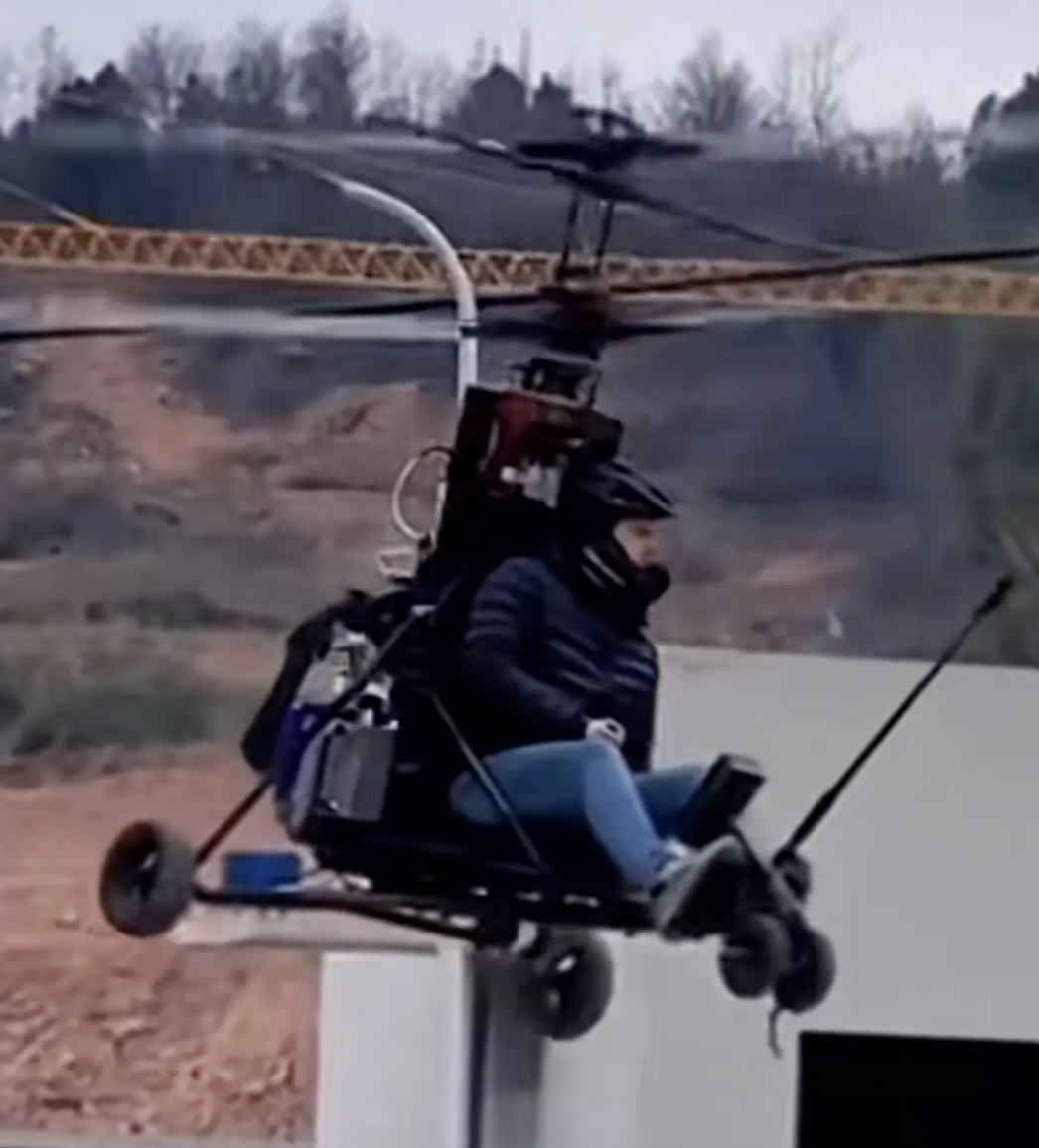
超轻型飞行器

Search documents
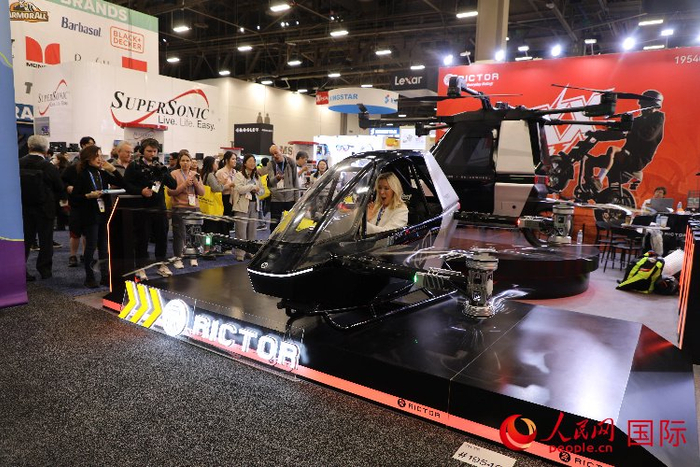
中国企业创新实力闪耀美国消费电子展
Ren Min Wang· 2026-01-10 06:56
Group 1: Event Overview - The 2026 Consumer Electronics Show (CES) took place in Las Vegas from January 6 to January 9, attracting over 4,100 exhibitors showcasing innovations in artificial intelligence, digital health, mobility, and robotics [1] - Over 1,000 Chinese companies participated, highlighting their strong innovation capabilities and industrial upgrade momentum [2][4] Group 2: Company Highlights - Leading Chinese companies such as Lenovo, TCL, Hisense, Geely, and BOE showcased their latest products and technologies, receiving significant attention [2] - Hisense's Vice President emphasized the company's transition from "Made in China" to "Created in China," showcasing their global presence with 30 R&D centers and 37 industrial parks [5] - TCL occupied the largest booth at CES, focusing on technological innovations across various products, indicating a shift from low-cost branding to capturing the mid-to-high-end global market [6] Group 3: Innovation and Technology - Lenovo held a technology innovation conference at CES, presenting a series of products centered around mixed artificial intelligence, demonstrating clear innovation direction and successful product implementation [8] - The event showcased advancements in smart devices, including TCL's latest display technologies and Hisense's interactive robots, reflecting the growing capabilities of Chinese manufacturers in the global market [6][9]

建立强制培训制度健全保险体系
Ren Min Wang· 2025-11-15 01:46
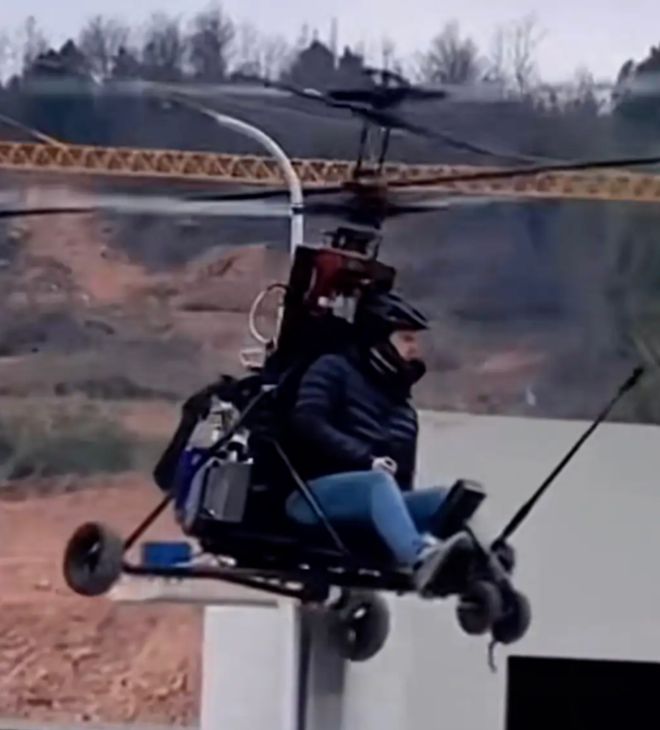
Core Viewpoint - The tragic accident involving the influencer "Tang Feiji" while flying an ultralight aircraft highlights significant safety and regulatory gaps in the ultralight aviation sector, necessitating urgent reforms to ensure safety while fostering aviation enthusiasm [1][2]. Group 1: Safety and Regulatory Issues - Ultralight aircraft, as a part of general aviation, are popular due to their lightweight and flexible characteristics, but they face serious safety risks and regulatory loopholes in flying, trading, and assembly processes [2][3]. - The phenomenon of "black flying" is prevalent, with existing regulations being insufficiently detailed and not effectively integrated into the current general aviation regulatory framework [2][3]. - Current laws exempt ultralight aircraft from mandatory airworthiness certificates and pilot licenses, which, while intended to lower barriers for public participation in aviation sports, do not equate to a lack of regulation [2][3]. Group 2: Legal and Accountability Concerns - The lack of clarity in legal responsibilities and the outdated nature of legal norms contribute to the challenges faced in the ultralight aviation sector [5][6]. - The absence of mandatory airworthiness management for ultralight aircraft does not imply a lack of oversight, as the Civil Aviation Administration retains the right to conduct inspections [6][7]. - Producers and sellers of ultralight aircraft may face liability for product defects, with legal provisions allowing for claims against both manufacturers and sellers in cases of damage caused by defective products [6][7]. Group 3: Recommendations for Improvement - Experts advocate for a comprehensive safety net mechanism that includes training, insurance, and regulatory measures to address the issues surrounding ultralight aircraft [7][8]. - A proposed stricter training regime for heavier ultralight aircraft and the inclusion of essential skills in training programs aim to enhance operational safety [7][8]. - The current insurance framework lacks coverage for ultralight aircraft, leading to legal complications in accident liability; recommendations include establishing mandatory liability insurance to protect victims and ensure timely compensation [8].
从“唐飞机”坠机到低空游火爆,“人人可飞”如何才能更安全
Di Yi Cai Jing Zi Xun· 2025-09-29 16:19
Core Viewpoint - The recent death of a popular figure in low-altitude aviation has raised concerns about the safety and regulation of ultralight aircraft in China, highlighting the need for stricter oversight and better training for enthusiasts [2][3][4]. Regulatory Environment - Ultralight aircraft in China are defined as single-pilot vehicles used for recreational purposes that do not require a license, but they must still adhere to specific regulations, such as avoiding densely populated areas and maintaining visual flight rules [3][4]. - The current regulatory framework allows for a degree of freedom for flying enthusiasts, but there are calls for more stringent regulations, especially for more complex aircraft types like gyroplanes [3][4]. Safety Concerns - The incident involving a helicopter crash during a sightseeing tour underscores the potential dangers associated with low-altitude aviation, prompting temporary suspensions of similar activities until safety assessments are completed [4]. - The rapid growth of low-altitude tourism, supported by government initiatives, has increased pressure on safety regulations, necessitating a focus on operational safety over profitability [4][5]. Industry Challenges - The low-altitude economy is facing significant challenges in airworthiness certification, with a dramatic increase in the number of unmanned aerial vehicle manufacturers and models requiring certification, which has overwhelmed existing resources [5]. - The shortage of qualified personnel for airworthiness certification is a critical bottleneck that needs to be addressed to support the growth of the low-altitude economy [5][6].
从“唐飞机”坠机到低空游火爆,“人人可飞”如何才能更安全
第一财经· 2025-09-29 16:07
Core Viewpoint - The article discusses the safety concerns and regulatory challenges surrounding low-altitude flying vehicles in China, particularly in light of the recent fatal accident involving a popular figure known as "Tang Feiji" [3][4]. Regulatory Framework - The article explains that ultra-light aircraft, which do not require licenses, are defined by the Civil Aviation Administration of China (CAAC) as single-pilot vehicles used solely for recreational or sports activities [5]. - Despite the lack of stringent licensing requirements, ultra-light aircraft must still adhere to specific regulations, such as avoiding densely populated areas and maintaining visual flight rules [5][6]. Industry Insights - Industry experts highlight the growing number of flying enthusiasts in China, many of whom operate homemade aircraft without formal aviation training, raising safety concerns [6]. - The article notes that the safety oversight of personal flying enthusiasts is challenging due to the prevalence of unregulated homemade aircraft, which pose inherent safety risks [6]. Low-altitude Economy - The low-altitude economy has gained momentum, with multiple regions in China launching low-altitude tourism projects, particularly helicopter sightseeing tours, which have become popular among tourists [6][7]. - The rapid development of the low-altitude economy has increased pressure on safety regulations, as the CAAC emphasizes that operational safety must take precedence over economic benefits [7][8]. Regulatory Challenges - The article points out that the surge in demand for airworthiness certification for new types of aircraft, especially eVTOLs and drones, has created a significant challenge for regulatory bodies due to a shortage of human resources [8]. - The CAAC has acknowledged the overwhelming workload in certifying new aircraft, with over 700 drone manufacturers and more than 800 drone models requiring certification, compared to only 81 manned aircraft models certified in the past 40 years [8]. Safety as a Priority - Experts assert that safety is the fundamental baseline for the low-altitude economy, emphasizing that maintaining safety is crucial for future growth [8].
从“唐飞机”坠机到低空游火爆,“人人可飞”如何才能更安全|姗言两语
Di Yi Cai Jing· 2025-09-29 13:38
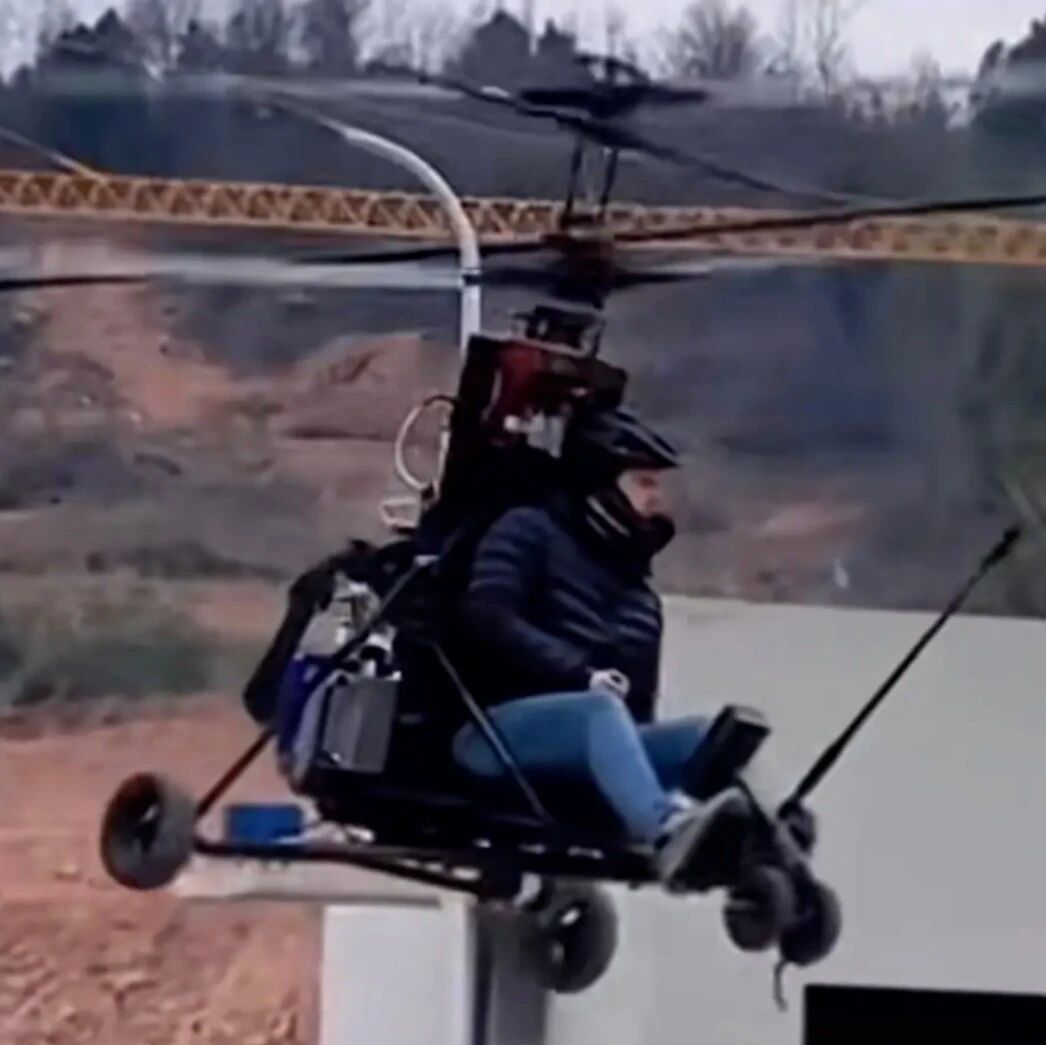
Core Viewpoint - The incident involving the death of a popular figure known as "Tang Feiji" while piloting an ultra-light aircraft has raised concerns about the regulatory framework surrounding such aircraft in China, highlighting the need for stricter safety measures and oversight in the burgeoning low-altitude economy [1][5]. Regulatory Environment - The current regulations for ultra-light aircraft allow individuals to operate them without a license, provided they are used solely for recreational purposes [1]. - The Civil Aviation Administration of China (CAAC) has established guidelines that prohibit ultra-light aircraft from flying over densely populated areas and require adherence to basic visual flight rules [1][4]. Industry Challenges - There is a growing concern among industry experts that the management of certain types of ultra-light aircraft, particularly rotorcraft, should be more stringent due to their complexity in manufacturing and operation [2]. - The rise of low-altitude tourism and the increasing number of new aviation models, such as eVTOLs, have put additional pressure on regulatory bodies, which are already facing resource shortages [6][7]. Safety Concerns - The safety of personal flying enthusiasts is a significant issue, as many operate home-built aircraft without formal training in aviation theory or emergency procedures [4]. - A recent incident involving a mature helicopter model resulted in injuries and fatalities, underscoring the need for enhanced safety protocols in low-altitude operations [5]. Economic Implications - The low-altitude economy has been emphasized in government reports, leading to the introduction of various low-altitude tourism projects across multiple regions, which further complicates safety oversight [5][7]. - The rapid growth in the demand for airworthiness certification for new types of aircraft, particularly drones, has created a bottleneck in the certification process, necessitating an expansion of the certification workforce [7]. Expert Opinions - Experts in the field stress that safety must be the foundational principle of the low-altitude economy, advocating for a balance between operational freedom and stringent safety measures [8].