
Rare Earth

Search documents
化工板块_锂与稀土_再探行业结构性动态-Chemicals Sector_ Lithium and Rare Earth_ Revisiting Structural Dynamics
2026-04-01 09:59
Summary of Key Points from the Conference Call Industry Overview - The conference call focuses on the **Lithium and Rare Earth** sectors, highlighting the ongoing efforts in the US and allied nations to rebuild critical mineral supply chains, which are progressing unevenly [1][18]. Core Insights and Arguments Rare Earths Supply and Demand - Planned US NdFeB magnet capacity is projected to reach approximately **50,000 tons per year by 2030** across seven projects, primarily targeting lower-grade industrial magnets, leaving high-grade magnets for automotive and wind applications largely unaddressed [2]. - The physical output of rare earths is lagging behind investment, indicating the early-stage rebuilding of a supply chain with minimal Western participation for over a decade [2]. MP Materials Dynamics - Historically, **60-70%** of Mountain Pass concentrate was shipped to Shenghe in China for processing. Due to export restrictions, Shenghe can no longer process this concentrate, prompting MP Materials to perform in-house separation, producing NdPr oxide and heavy rare earth byproducts [3]. - Significant inventories are being stockpiled at Mountain Pass, with discussions around government-backed stockpiling or pricing support mechanisms [3]. Pricing and Market Dynamics - A "rest-of-world" rare earth price is being formed to detach from Chinese pricing, but caution is advised regarding EU Rotterdam quotes, which can trade at significant premiums compared to China [4]. - The pricing of **~99.98% yttrium oxide** is around **$10/kg**, while residual volumes can command premiums of approximately **7,000%** [4]. Coal Ash Recovery Skepticism - Coal ash rare earth recovery is viewed skeptically due to low grades and poor recoveries, with potential viability only when paired with mandatory environmental remediation [5]. Government Capital Allocation - The selection of USA Rare Earths for government capital allocation surprised industry participants due to challenges in grade and processing. However, the acquisition of Less Common Metals and planned expansions are seen as positives [6]. Policy Framework - The US approach to rare earths contrasts with China's consolidation strategy, focusing on building competition from a near-zero base and accepting failure risk [8]. - A Western pricing and stockpiling framework is anticipated to involve the US, EU, Japan, and Korea, with true market-based liquidity expected to take years to develop [9]. Heavy Rare Earths Supply Bottleneck - Western supply chains have focused on NdPr, leaving heavy rare earths structurally undersupplied. Separation requires significant capital expenditure, and the most advanced pathways are expected to yield production by late-decade [10]. Lithium Market Insights Price Fluctuations - Lithium prices have fluctuated from a mid-cycle low of **$8,000/ton LCE** to around **$25,000/ton**, driven by various factors including demand growth and supply disruptions [11]. - Prices have since eased to approximately **$20-21,000/ton**, reflecting weaker EV sales in China [11]. Battery Demand Outlook - Battery demand is expected to dominate the lithium outlook, with carbonate favored until around 2030, after which hydroxide is anticipated to regain market share [12]. - Supply expansions of roughly **350 kt LCE** are planned across Australia and Africa, while many Chinese mines may not restart operations [13]. EV Growth Projections - Global EV growth is estimated at **20% year-on-year** in 2025, with significant energy storage installations expected to reach **~300 GWh** by 2025 [14]. Company Valuation and Risks - MP Materials has a 12-month price target of **$90**, equating to **33x 2027E EBITDA**. Key risks include delays in ramp-up, rising prices for processing chemicals, and fluctuations in REO demand [19]. Conclusion - The conference call highlights the complexities and challenges within the lithium and rare earth sectors, emphasizing the need for strategic investments and policy support to navigate the evolving landscape. The focus on rebuilding supply chains and addressing pricing dynamics will be critical for future growth and stability in these industries.

Critical Metals (CRML) Shares Jump On Rare Earth Project Acceleration
Benzinga· 2026-03-10 14:54
Group 1 - The Tanbreez Rare Earth Project is progressing towards first ore production, expected in late 2028 or early 2029, with concentrate exports targeted for the third quarter of 2029. The company plans to use funding for drilling, engineering, metallurgical work, and infrastructure development [2] - There is a growing demand for rare earth elements driven by electrification, renewable energy, and advanced manufacturing, which presents strategic tailwinds for the company [3] - Recent exploration campaigns have yielded strong assay results, and the proximity to an international airport, along with ongoing offtake and refining discussions with partners in the U.S., Europe, and Saudi Arabia, could enhance the project's long-term prospects [3] Group 2 - Critical Metals shares have shown significant volatility over the past year, rising from approximately $1.37 to a peak of about $29.97, but have generally remained above the 200-day moving average, indicating an overall upward trend [4] - The stock price has recently stabilized in the $9–$12 range, with the 20-day and 50-day moving averages trending slightly higher [5] - On a recent trading day, Critical Metals shares increased by 7.27%, reaching a price of $9.59 [6]



Greenland Resources Conditionally Approved for up to $7 Million From the Government of Canada
Businesswire· 2026-03-02 16:47
Core Viewpoint - Greenland Resources Inc. has received conditional approval from the Government of Canada for a non-repayable contribution of up to $7,000,000 to support its Malmbjerg Molybdenum Optimization & Magnesium and Rare Earth By-product Feasibility Study project [1] Funding Details - The funding amount is set at a maximum of $7,000,000 [1] - The financial support will be provided through Natural Resources [1] - The approval is conditional and subject to final diligence and definitive documentation [1]


美国真慌了?砸111亿元,想摆脱对中国稀土的依赖
Sou Hu Cai Jing· 2026-01-27 07:50
Core Viewpoint - The Trump administration plans to invest $1.6 billion in USA Rare Earth, Inc. (USAR), acquiring approximately 10% of the company, marking the largest investment by the U.S. government in the rare earth industry to date [1][3]. Group 1: Investment Details - The $1.6 billion investment is aimed at accelerating the development of rare earth mining projects in the U.S. and establishing a domestic supply chain to reduce reliance on Chinese rare earths [3]. - In 2025, the U.S. government previously invested $400 million to acquire about 15% of MP Materials, another key player in the rare earth sector [1]. Group 2: U.S. Rare Earth Industry Context - USAR is a critical rare earth company in the U.S., holding significant domestic rare earth mineral resources and currently developing two rare earth projects [3]. - China remains the largest global exporter and refining center for rare earths, with countries like the U.S., Japan, and the EU heavily dependent on Chinese supplies [5]. Group 3: Challenges in Reducing Dependence on China - Despite the U.S. government's investments, experts suggest that achieving independence from Chinese rare earths is challenging due to the comprehensive nature of China's rare earth resources, which include both heavy and light rare earths, while U.S. resources are primarily light rare earths [7]. - Establishing a rare earth supply chain involves not only resource availability but also mining and refining technologies, which the U.S. may take years to develop to match China's capabilities [9]. - Environmental regulations, labor costs, and other factors complicate the U.S. efforts to mine and refine rare earths effectively, raising doubts about the feasibility of these investments [9].

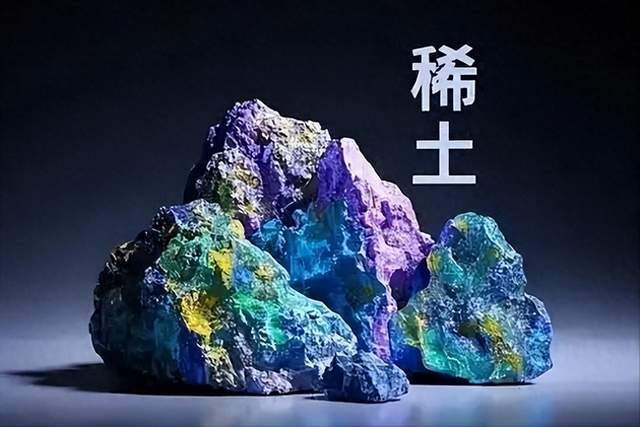
Rare Earth Targets Refined as IP, MT, Radiometric and Geological Data Converge at Colosseum Project
Accessnewswire· 2026-01-26 13:00
Core Insights - Dateline Resources Limited has completed a ground Induced Polarization (IP) geophysical survey at its Colosseum Gold and Rare Earth Project in California, USA [1] Company Developments - The survey aimed to delineate chargeability and conductivity anomalies to assist with ongoing drill targeting [1]

美疯狂囤铜,中国银管控升级,全球金属博弈加剧
Sou Hu Cai Jing· 2026-01-08 06:36
Group 1 - The article highlights the increasing importance of copper and silver in the U.S. industrial and military sectors, with a significant shortfall in domestic copper production leading to reliance on international markets [3][5] - In 2022, U.S. copper production was only 1.2 million tons, insufficient to meet the demands of the military and manufacturing industries, prompting the government to consider reopening closed mines despite environmental and community opposition [3] - China dominates the silver refining and processing industry, holding over 60% of global silver refining capacity, which positions it strategically in the global supply chain [3][5] Group 2 - The demand for silver in photovoltaic applications surged in 2023, with China capturing nearly 80% of global solar panel production, showcasing its control over the supply chain [5] - The U.S. and Europe face challenges in reviving their own silver refining capabilities due to high costs and environmental regulations, making it difficult to establish a competitive domestic industry [5][9] - The U.S. military's silver demand reached 800 tons in 2022, with domestic refining capabilities only meeting half of this need, leading to increased imports [9] Group 3 - China's recent export controls on gallium and germanium have caused significant price increases for semiconductor materials in Europe and the U.S., highlighting the strategic importance of resource control in the tech industry [7] - The global energy transition is becoming a battleground for resource competition, with China supplying 70% of the world's battery-grade lithium in 2023, while the U.S. and Europe struggle to keep pace [7][9] - The article emphasizes that control over raw materials and processing capabilities is crucial for maintaining supply chain security, with future resource conflicts expected to escalate [17] Group 4 - The competition for lithium resources is intensifying, particularly in South America, where countries like Argentina and Chile are key players, while Chinese companies invest heavily in lithium mining and processing [13] - The European Union faces challenges in securing cobalt supplies, with the Democratic Republic of Congo being a major producer but plagued by environmental and labor issues, leading to reliance on Chinese refining capabilities [15] - The article concludes that the global resource competition is complex and strategic, with the ability to control raw materials and processing technologies becoming essential for industrial and technological dominance [17]
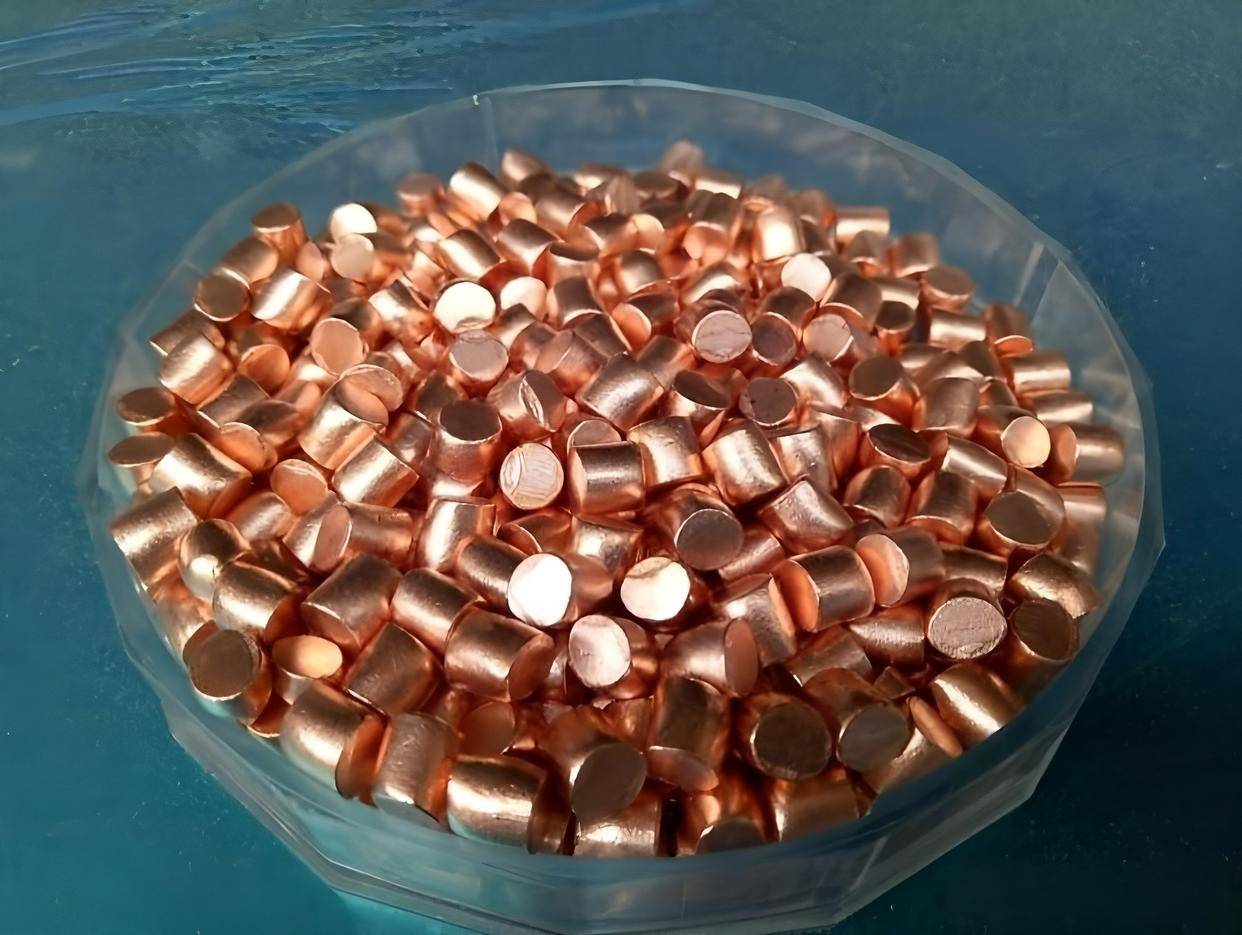
中国亮出了最终的王牌,没有中国的同意,美国别妄想卷土重来!
Sou Hu Cai Jing· 2025-12-19 06:45
Core Insights - China's strict export controls on rare earth elements significantly impact the U.S. economy and its core industries, with policies evolving since April 2025 to include licensing management for seven categories of rare earth elements [1] - The introduction of long-arm jurisdiction in China's regulations requires compliance for products containing over 0.1% of Chinese-origin rare earth elements, affecting global supply chains [1] - The U.S. remains heavily reliant on Chinese rare earths, with over 80% of its military's rare earth needs met through imports, 85% of which come from China [3][5] Group 1: Policy Developments - In December, China began issuing simplified export licenses to ease compliance for civilian exports, highlighting the U.S.'s short-sightedness in addressing its dependence on Chinese rare earths [3] - The U.S. Department of Defense reports that its military sector's reliance on imported rare earths poses significant risks, especially as domestic processing capabilities are insufficient [3][5] Group 2: Market Dynamics - The core components of military equipment like the F-35 fighter jet and Tomahawk missiles rely on rare earth elements, making supply disruptions a critical concern [5] - The U.S. Geological Survey predicts that by 2024, 80% of U.S. rare earth imports will come from China, exacerbating trade tensions [5] Group 3: Supply Chain Challenges - U.S. companies have attempted to source rare earths from Canada, Australia, and Mongolia, but face limitations in production and processing capabilities [7] - The global demand for rare earths is expected to increase sevenfold by 2030, while U.S. domestic development timelines are projected to take 10 to 15 years, creating a significant supply bottleneck [7] Group 4: Geopolitical Implications - China's dominant position in the rare earth market is reshaping global economic dynamics, with its contributions to global growth exceeding 30% [9] - The U.S. plans to form a critical minerals alliance with several countries to counter China's influence, but this initiative is seen as a response rather than a strategy to lead the global rare earth supply [9]
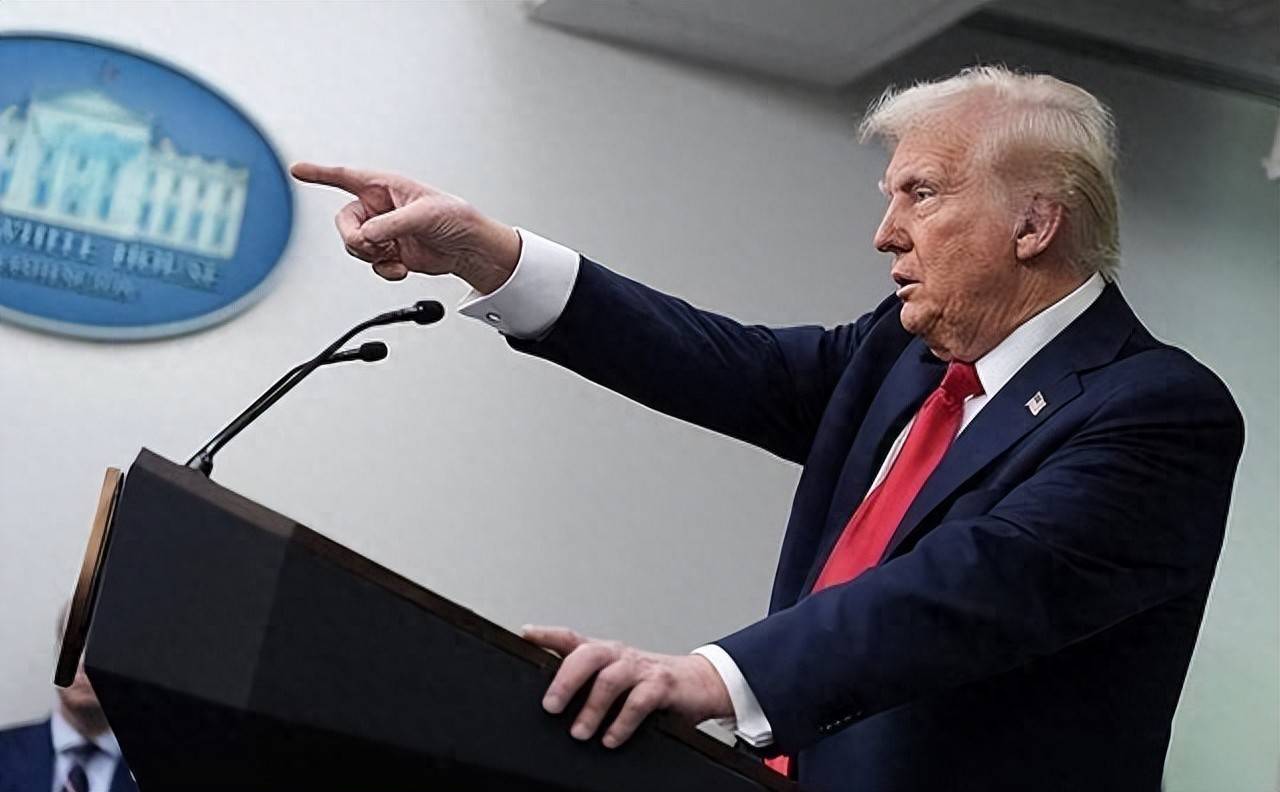
Tronox Shares Jump Over 32% On Financing Support For Rare Earth Expansion
RTTNews· 2025-12-09 17:47
Core Viewpoint - Tronox Holdings plc (TROX) shares experienced a significant increase of 32.13% to $4.95 following the announcement of receiving non-binding and conditional Letters of Support from Export Finance Australia and the U.S. Export-Import Bank [1][2] Group 1 - The stock opened at $4.6500 and fluctuated between $4.3000 and $5.2500 during the trading session, with a trading volume of 22,427,456 shares, significantly higher than the average of 4,018,239 shares [1] - The 52-week trading range for the stock is between $2.8600 and $11.9300, with the recent rally pushing it towards the upper half of this range [2] Group 2 - The Letters of Support detail financing options that could reach up to $600 million, aimed at enhancing Tronox's rare earth supply chain projects, including mine extensions, infrastructure development, and improvements in cracking and leaching capacities [2]


NewGen Announces Proposed Reverse Merger with SAXA, Inc. in a $5 Billion Mining Asset Acquisition Deal, Involving Gold, Silver, and Rare Earth
Globenewswire· 2025-11-03 14:00
Core Viewpoint - NewGenIVF Group Limited is pursuing a proposed reverse merger with SAXA, Inc. to acquire mining assets, which is expected to significantly enhance shareholder equity and transform NewGen into a multi-billion-dollar conglomerate [1][2][3] Proposed Transaction - NewGen plans to issue 500 million shares at US$10 each, totaling US$5 billion, to SAXA shareholders in exchange for specific mining assets valued at US$11 billion [2][4] - The assets include a gold and silver mine with 1.9 million ounces of gold and 4.4 million ounces of silver in measured reserves, and a planned US$1.5 billion dual processing facility for precious metals and rare earths [2][4] - Following the transaction, NewGen will issue an additional 50 million shares at US$5 each, raising US$250 million for further initiatives [4] Ownership Structure - Post-transaction, SAXA shareholders are expected to hold an 85.89% ownership stake in NewGen, with SAXA entitled to nominate a majority of the board of directors [5] Strategic Importance - The merger is positioned to capitalize on the increasing demand for critical minerals essential for U.S. national security and industrial applications, particularly in technologies like semiconductors and electric vehicles [2][3] - The combined entity aims to leverage SAXA's mining expertise and assets to enhance NewGen's diversified portfolio across various sectors [3][10] Company Background - NewGenIVF Group operates in real estate development, digital asset management, and reproductive health solutions, with a focus on innovative technology to drive growth [8] - SAXA, Inc. is an international holdings company with interests in diverse sectors, including mining, aiming to create a global footprint [10]

X @外汇交易员
外汇交易员· 2025-11-02 08:01
Trade Policy Change - China will issue general export licenses for rare earths, gallium, germanium, antimony, and graphite to US end-users and their global suppliers [1] - The general license effectively cancels the control measures implemented by China in April 2025 and October 2025 respectively [1] Timeline Correction - The implementation dates of the control measures are corrected to April 2025 and October 2025, not October 2022 [1]