
Robotaxi service

Search documents
Tesla Surges 5%: Delivery Hopes, Terafab, and SpaceX Buzz Are All Converging at Once
247Wallst· 2026-03-31 19:19
Core Viewpoint - Tesla's stock surged by 5% to around $373, driven by three key catalysts: optimism regarding Q1 delivery numbers, the announcement of a Terafab chip factory partnership, and positive buzz surrounding a potential SpaceX IPO [2][4]. Group 1: Delivery Optimism - Analysts expect Tesla to deliver approximately 365,645 vehicles globally in Q1 2026, reflecting a 9% year-over-year increase [7]. - Prediction market traders assign a 76.5% implied probability that Q1 deliveries will fall between 350,000 and 375,000 units, with the official report anticipated in early April [7]. - Tesla's energy storage segment is projected to achieve record deployments of 14.4 GWh in Q1, indicating significant growth in this area [8]. Group 2: Terafab Chip Factory Partnership - Tesla and SpaceX are collaborating to establish two advanced chip factories in Austin, Texas, as part of the Terafab project to meet future chip demand [10]. - The strategic move aims to address immediate chip supply constraints, especially as Tesla's AI training compute is set to double in H1 2026 [11]. - The Terafab announcement has a bullish sentiment score of 0.432553, indicating strong market confidence in this long-term strategy [12]. Group 3: SpaceX IPO Buzz - Elon Musk clarified that Robinhood Markets and SoFi Technologies would not be excluded from the SpaceX IPO, which is expected to target a valuation of $1.75 trillion [13]. - Prediction markets currently estimate a 57.5% probability of the IPO occurring by June 30, increasing to 90% by year-end [13]. - The connection between Tesla and SpaceX, through shared leadership and investor interest, creates a positive spillover effect for Tesla when SpaceX garners attention [14].


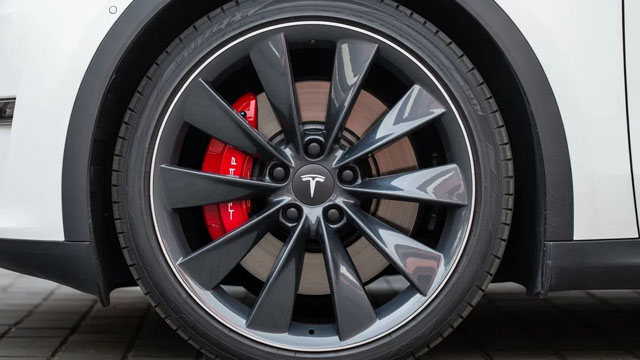
Uber, Pony.ai and Verne team up to launch Europe's first robotaxi service in Croatia
Reuters· 2026-03-26 08:17
Core Insights - Uber Technologies has partnered with Pony.ai and Verne to launch the first commercial robotaxi service in Europe, starting in Zagreb, Croatia [1][2]. Group 1: Partnership Details - Pony.ai will provide the autonomous driving technology, while Verne will manage the fleet and daily operations [2]. - Uber will integrate the robotaxi service into its global ride-hailing platform, alongside Verne's customer-facing app [2]. Group 2: Expansion Plans - The companies aim to create a scalable model for robotaxi services in Zagreb, with potential expansion into other European cities and markets, planning to scale to thousands of robotaxis in the coming years [3]. - Uber will invest in Verne and support its growth as a strategic partner [3]. Group 3: Operational Readiness - On-road testing has already commenced in Zagreb, with preparations for fare-charging services in progress [4]. - Verne will lead efforts to secure European regulatory approval for the deployment of Pony.ai's robotaxis [4]. Group 4: Industry Context - Uber has established partnerships with nearly two dozen autonomous vehicle technology companies across various applications, including robotaxis and delivery robots, to leverage the growing interest in driverless transportation [5].

Uber Technologies (UBER) Turns to Autonomous Vehicle Partnerships to Accelerate Growth
Yahoo Finance· 2026-03-22 20:04
Core Viewpoint - Uber Technologies, Inc. is considered a strong investment opportunity due to its strategic partnerships in autonomous vehicles, which are expected to enhance its growth prospects in the rideshare and robotaxi markets [1][2]. Group 1: Investment Ratings and Price Target - Analysts at BTIG have reiterated a Buy rating on Uber with a price target of $100, reflecting confidence in the company's future growth [1]. Group 2: Autonomous Vehicle Partnerships - Uber has established several strategic partnerships in autonomous vehicles, including a deal with Nvidia, aiming to launch autonomous vehicles in 28 cities by 2028 [2]. - The collaboration with Nvidia focuses on leveraging Uber's network in Los Angeles and San Francisco by 2027, and the company has already initiated a robotaxi service with Motional in Las Vegas [3]. - Uber is also working with Zoox to deploy purpose-built autonomous vehicles in Las Vegas during the summer [3]. Group 3: Financial Projections - BTIG projects that Uber's rideshare EBITDA will grow by high single digits through 2030, supported by the deployment of 150,000 autonomous vehicles, with a 50% third-party network [3]. Group 4: Company Overview - Uber Technologies, Inc. operates as a technology platform connecting users with transportation and delivery services via a mobile app, offering ride-hailing, food/grocery delivery through Uber Eats, and freight booking [4].

Uber, Wayve and Nissan plan to launch a robotaxi service in Tokyo this year
TechCrunch· 2026-03-12 14:58
Group 1 - Wayve, a U.K.-based autonomous vehicle software company, has secured $1.2 billion in funding and is partnering with Uber and Nissan to launch a robotaxi service in Tokyo, with a pilot set for late 2026 [1] - The collaboration involves Wayve integrating its AI-powered self-driving software into a Nissan Leaf, which will be accessible on Uber's ride-hail network, marking Uber's first robotaxi partnership in Japan [2] - Wayve's autonomous software is designed to operate on any vehicle and hardware without relying on HD maps, while the company is also working on a robotaxi service in London and integrating driver-assistance technology in Nissan vehicles for production in 2027 [3] Group 2 - Uber is actively forming partnerships globally to establish itself as the leading app for hailing self-driving taxis, having formed over 25 partnerships to date [4] - Recently, Uber announced plans to introduce Zoox's purpose-built robotaxi on its app in Las Vegas later this year, further expanding its robotaxi offerings [4]

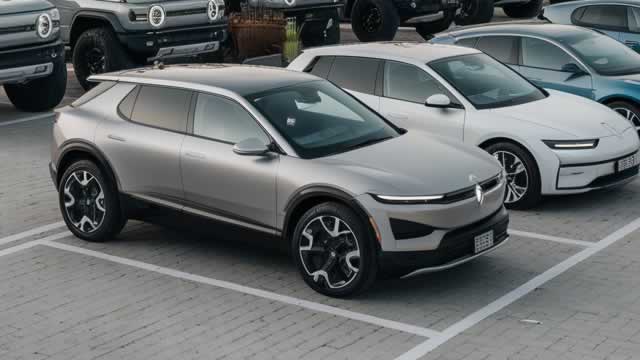
Waymo to Debut in Biggest Texas Cities After New York Setback
Insurance Journal· 2026-02-24 15:32
Core Insights - Waymo is launching a commercial robotaxi service in Houston, Dallas, and San Antonio, Texas, as part of its expansion strategy following a setback in New York [1][2] - The service will initially operate in designated zones ranging from 25 to 60 square miles, depending on the city [1][5] - Waymo aims to expand its service to over 20 cities globally, including major international capitals and other U.S. locations [2] Expansion Plans - The rollout in Texas follows Waymo's previous autonomous ride offerings in Austin through the Uber app [3] - The company has been testing its services in the new Texas cities for several months prior to the launch [5] - Waymo's coverage in Texas will be smaller compared to its operations in San Francisco, where it covers 260 square miles [5] Service Details - In Houston, the service will operate within a 38-mile loop encircling downtown, while Dallas will cover 50 square miles and San Antonio will span 60 square miles, including key tourist sites [6] - Initially, Waymo will invite select riders from its app users in these cities, with plans to expand to all users later this year [5] Fleet Management - During the initial launch, Waymo will manage its own fleet and depot operations in Texas and Orlando [8] - Later in the year, Avis Budget Group will take over fleet management responsibilities in Dallas as part of a previously announced agreement [8] - Future fleet management in the other Texas cities may involve existing partners, such as Moove and Avomo, which currently manage operations in Miami, Phoenix, Austin, and Atlanta [9]



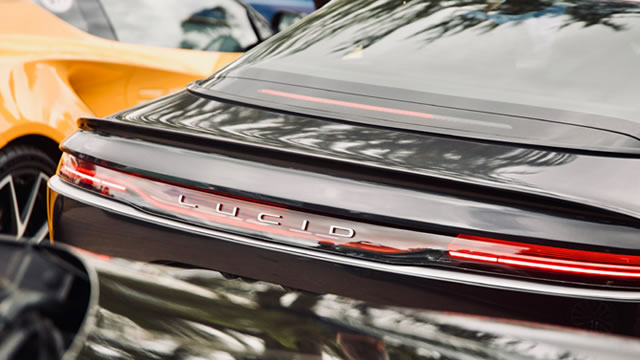
Lucid Motors slashes 12% of its workforce as it seeks profitability
TechCrunch· 2026-02-20 15:51
Core Insights - Lucid Motors is laying off 12% of its workforce to improve operational effectiveness and optimize resources towards profitability [1] - The layoffs are not affecting hourly workers in manufacturing, logistics, and quality teams, with the total number of layoffs likely in the hundreds from a workforce of 6,800 full-time employees [2] - Interim CEO Marc Winterhoff expressed gratitude for the contributions of those laid off and mentioned that severance, bonuses, health benefits, and transition support will be provided [3] Production and Product Development - The layoffs occur as Lucid Motors ramps up production and deliveries of its Gravity SUV, which faced initial production and quality issues but has since doubled its output for 2024 [3] - The company plans to launch a more affordable mid-size electric vehicle (EV) priced around $50,000 later this year [4] - Lucid Motors is collaborating with Uber and Nuro to launch a robotaxi service in San Francisco this year [4] Strategic Focus - The company maintains that the layoffs do not affect its strategic priorities, which include the production of the Midsize platform, expansion into the robotaxi market, and growth in sales of Lucid Gravity and Air [5] - Lucid Motors has been without a permanent CEO for almost a year following the abrupt resignation of Peter Rawlinson, leading to significant turnover in its executive ranks [5]

Lyft's stock plummets 16% as a disappointing quarter presents a setback for its comeback story
Business Insider· 2026-02-11 00:00
Core Insights - Lyft's stock fell 16% in after-hours trading following disappointing fourth-quarter earnings and a 2026 outlook that did not meet expectations [1] - The company's revenue increased by 3% to $1.59 billion, which was below the anticipated $1.76 billion [1] - Lyft's guidance for the first quarter indicated adjusted earnings before interest, taxes, depreciation, and amortization (EBITDA) between $120 million and $140 million, also missing analyst expectations [1] Financial Performance - Lyft reported a surprise operating loss of $188.4 million for 2025, attributed to increased competitive price promotions [2] - The company experienced an unexpected rise in competitors' promotional activities that negatively impacted quarterly results, as noted by CEO David Risher [2] Strategic Initiatives - Since David Risher became CEO in 2023, Lyft has focused on cost-cutting and introduced new products, including a price-lock feature for commuters [7] - Lyft's stock has seen an approximate 11% increase over the past year [7] - Risher outlined growth plans for 2026 and beyond, including the introduction of Black car rides and a service for teens, which are already offered by rival Uber [7] Future Expansion - Lyft is exploring the robotaxi market, collaborating with Waymo to integrate self-driving cars into its ride-hailing app in Nashville later this year [8] - The company faces challenges in the autonomous vehicle sector, with Risher indicating a limited number of suppliers capable of meeting Lyft's scale requirements [8] - Risher anticipates an increase in robotaxi availability by 2030, suggesting a positive outlook for future supply [9]
Tesla Q4 earnings preview: Robotaxis, Full Self-Driving, Optimus are key catalysts
Yahoo Finance· 2026-01-27 19:47
Core Viewpoint - Tesla is facing challenges with declining sales and profits in its core EV business, prompting investors to seek growth opportunities in non-automotive sectors such as full self-driving technology and robotaxi services [1][2][3]. Financial Performance - Tesla is expected to report Q4 revenue of $25.11 billion, reflecting a 2.4% decrease year-over-year [1]. - Adjusted earnings per share (EPS) are projected at $0.45, leading to an adjusted net income of $1.59 billion, significantly down from $2.6 billion reported last year [1]. Vehicle Deliveries - In Q4, Tesla delivered 418,227 vehicles, a 15% decline from 495,570 vehicles delivered in the same quarter last year [2]. - For the full year, Tesla's total vehicle deliveries reached 1.64 million, marking an 8% decrease compared to 2024 and representing the second consecutive year of annual sales declines [2]. Market Challenges - Factors contributing to the sales decline include the loss of the federal EV tax credit, increased competition from traditional automakers, and CEO Elon Musk's controversial political stance [3]. - The introduction of cheaper models like the standard versions of Model Y and Model 3 has not mitigated these challenges [3]. Future Catalysts - Investors are looking towards Tesla's initiatives such as full self-driving software (FSD), robotaxi services, and the Optimus robot as potential growth drivers [3]. - The upcoming conference call will focus on the rollout of robotaxis in the US and the removal of safety drivers, which is seen as a pivotal moment for Tesla [4]. Robotaxi Developments - Tesla has begun removing safety drivers from its Austin fleet, which is viewed as a significant step towards the long-term vision for robotaxis [5]. - Questions remain regarding the expansion of robotaxi services to new regions and the anticipated fleet size, with Morgan Stanley estimating 1,000 robotaxis on the road by year-end [5]. FSD Subscription Model - Musk announced the transition from a one-time fee for FSD to a subscription model priced at $99 per month, aiming to boost FSD adoption [6]. - Analysts believe that FSD penetration could exceed 50%, potentially transforming Tesla's financial model and margins in the future [7]. Optimus Robot - Looking ahead, Tesla's humanoid robot, Optimus, is envisioned to play a role in factory operations in the near future [8].
Elon Musk promised a ‘major rebound’ for Tesla in 2025. Instead it fell behind its biggest rival from China
Yahoo Finance· 2026-01-03 13:46
Core Insights - Tesla has lost its position as the world's bestselling electric vehicle maker, with deliveries falling to 1.64 million vehicles in 2025, a 9% decrease from the previous year, while Chinese rival BYD sold 2.26 million vehicles [1] - The decline in sales is attributed to factors such as customer backlash against Elon Musk's political stance, the expiration of U.S. tax breaks for electric vehicle buyers, and increased competition from overseas [1][2] - Tesla's fourth-quarter sales were 418,227, missing the reduced target of 440,000 set by analysts, largely due to the end of a $7,500 tax credit for electric vehicle purchases [3] Sales and Financial Performance - The latest quarter marked the introduction of lower-cost versions of the Model Y and Model 3, priced under $40,000 and $37,000 respectively, aimed at boosting sales and competing with Chinese models in Europe and Asia [5] - Analysts predict a 3% drop in sales and nearly a 40% decline in earnings per share for the upcoming fourth-quarter earnings report [6] - Despite the sales drop, Tesla's stock gained approximately 11% in 2025, reflecting investor optimism in Musk's vision for the company's future beyond car sales [4] Future Outlook - Musk has shifted focus towards developing driverless robotaxis, energy storage solutions, and home and factory robots, indicating a strategic pivot away from traditional car sales [7]
Industry Comparison: Evaluating Tesla Against Competitors In Automobiles Industry - Tesla (NASDAQ:TSLA)
Benzinga· 2026-01-01 15:00
Core Insights - The article provides a comprehensive evaluation of Tesla in comparison to its major competitors in the Automobiles industry, focusing on financial metrics, market position, and growth potential [1] Company Overview - Tesla is a vertically integrated battery electric vehicle automaker and developer of artificial intelligence software, with a diverse fleet including luxury and midsize sedans, SUVs, light trucks, and semi trucks [2] - The company aims to deliver approximately 1.8 million vehicles globally in 2024 and also engages in battery sales for stationary storage and solar energy generation [2] Financial Metrics Comparison - Tesla's Price to Earnings (P/E) ratio is 313.40, significantly higher than the industry average, indicating a premium valuation [5] - The Price to Book (P/B) ratio of 18.90 is 6.39 times higher than the industry average, suggesting potential overvaluation based on book value [5] - Tesla's Price to Sales (P/S) ratio stands at 16.74, which is 11.31 times the industry average, further indicating overvaluation based on sales performance [5] - The Return on Equity (ROE) is 1.75%, which is 2.81% above the industry average, reflecting efficient use of equity to generate profits [5] - Tesla's EBITDA is $3.66 billion, slightly below the industry average, indicating potential financial challenges [5] - The gross profit of $5.05 billion is also below the industry average, suggesting lower revenue after production costs [5] - Revenue growth for Tesla is 11.57%, significantly higher than the industry average of 0.91%, showcasing strong demand for its products [5] Debt to Equity Ratio - Tesla has a debt-to-equity (D/E) ratio of 0.17, indicating a stronger financial position compared to its top four peers, suggesting a favorable balance between debt and equity [8] Key Takeaways - The high P/E, P/B, and P/S ratios suggest Tesla is relatively overvalued compared to its peers, while the high ROE and revenue growth indicate strong profitability and growth potential [9] - Concerns may arise regarding Tesla's operational efficiency and financial health due to low EBITDA and gross profit figures [9]
