S/390主机

Search documents
“让大象跳舞”的人,走了!他是任正非唯一承认的老师
3 6 Ke· 2026-01-28 23:14
Core Insights - The article discusses the legacy of Louis Gerstner, former CEO of IBM, who passed away on December 27, 2025, and is credited with saving the company during a critical period from 1993 to 2002 [1][2]. Group 1: Gerstner's Impact on IBM - Gerstner is referred to as the "savior of the blue giant," having transformed IBM from a struggling company with a stock price of $13 and significant losses to a thriving enterprise with a stock price reaching $80 and a market capitalization of $168 billion [2][5]. - Upon taking over, Gerstner faced a company in crisis, with IBM experiencing cumulative losses of $16.8 billion over three years and predictions of imminent bankruptcy from industry leaders [5][6]. Group 2: Strategic Decisions - Gerstner made a bold decision to drastically reduce the prices of IBM's mainframe products, cutting prices by up to 96%, which revitalized sales and led to a profit of $3 billion in 1994 [8]. - He also recognized the shift towards network-centric computing and initiated acquisitions, such as Lotus Software, to pivot IBM towards a service-oriented model [8][9]. Group 3: Organizational Reforms - Gerstner implemented significant organizational changes to combat bureaucratic inefficiencies, consolidating departments and reducing operational redundancies, which resulted in a shortened product development cycle and improved delivery rates [9][10]. - His reforms included selling off underutilized assets and exiting unprofitable business lines, which collectively saved IBM $12 billion [9][10]. Group 4: Influence Beyond IBM - Gerstner's management philosophy influenced other companies, notably Huawei, which adopted IBM's organizational principles under the guidance of Ren Zhengfei [11][12]. - His approach emphasized customer-centricity and agility within large organizations, demonstrating that size can coexist with responsiveness and innovation [14][15].

83岁IBM前CEO郭士纳逝世,他是任正非唯一承认的老师
首席商业评论· 2026-01-12 04:08
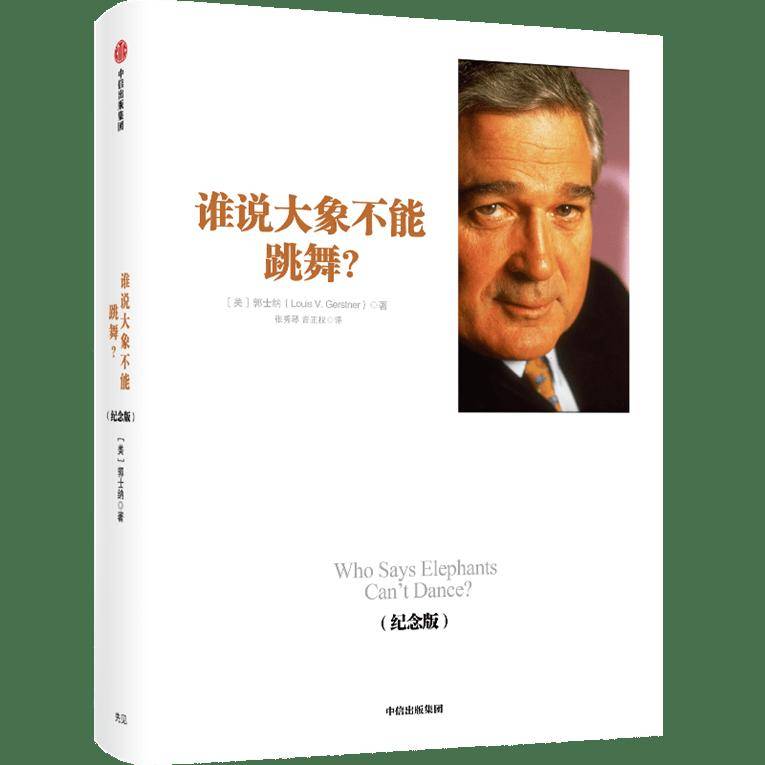
Core Viewpoint - The article discusses the legacy of Louis Gerstner, the former CEO of IBM, who successfully turned around the company during a critical period from 1993 to 2002, emphasizing his strategic decisions and management philosophy that revitalized IBM and influenced other companies like Huawei [3][5][19]. Group 1: Gerstner's Background and Initial Challenges - Louis Gerstner, with no prior technology experience, took over IBM when it was facing severe financial difficulties, with stock prices plummeting to $13 and losses reaching $81 billion in 1993 [5][6]. - Under Gerstner's leadership, IBM's stock price rose from $13 to $80, and the company's market capitalization increased from $29 billion to $168 billion during his tenure [5][6]. Group 2: Strategic Decisions - Gerstner made a bold decision to drastically reduce the prices of IBM's S/390 mainframe systems, cutting prices by up to 96%, which led to a significant increase in sales and a return to profitability in 1994 [9][10]. - He recognized the shift towards network-centric computing and initiated acquisitions, such as Lotus Software, to pivot IBM towards a service-oriented model [9][10]. Group 3: Organizational Reforms - Gerstner identified IBM as a bureaucratic organization and initiated a ten-year overhaul to streamline operations, consolidating various departments into functional modules [11][12]. - His reforms included selling off underutilized assets, which saved up to $12 billion, and exiting unprofitable businesses, such as the personal computer division [14][16]. Group 4: Influence on Other Companies - Gerstner's management principles significantly influenced Huawei, with its founder Ren Zhengfei acknowledging that Huawei adopted IBM's management practices to enhance its organizational efficiency [19][20]. - The core of Gerstner's philosophy was to prioritize customer needs and maintain organizational agility, which he believed was essential for large companies to thrive [19][20]. Group 5: Legacy and Management Philosophy - Gerstner's approach demonstrated that large organizations could maintain agility and responsiveness, balancing short-term survival with long-term growth [20][21]. - His book, "Who Says Elephants Can't Dance?", serves as a management classic, illustrating his strategies for leading IBM through challenging times and reshaping perceptions about leadership in technology companies [20][21].


83岁IBM前CEO郭士纳逝世,他是任正非唯一承认的老师
首席商业评论· 2026-01-05 05:04
Core Viewpoint - The article discusses the legacy of Louis Gerstner, the former CEO of IBM, who transformed the company from a struggling giant into a profitable entity during his tenure from 1993 to 2002, emphasizing the importance of strategic decision-making and organizational agility in large corporations [3][5][20]. Group 1: Gerstner's Background and Challenges - Louis Gerstner, with no prior technology experience, took over IBM when it was facing severe financial difficulties, with stock prices plummeting to $13 and losses reaching $81 billion in 1993 [5][6]. - Under Gerstner's leadership, IBM's stock price rose from $13 to $80, and the company's market capitalization increased from $29 billion to $168 billion [5][6]. Group 2: Strategic Decisions - Gerstner made a bold decision to drastically reduce the prices of IBM's S/390 mainframe systems, cutting prices by up to 96%, which revitalized sales and led to a profit of $3 billion in 1994 [9][10]. - He recognized the shift towards network-centric computing and initiated acquisitions, such as Lotus Software, to pivot IBM towards a service-oriented model [9][10]. Group 3: Organizational Reforms - Gerstner identified IBM as a bureaucratic fortress and initiated a ten-year overhaul to streamline operations, consolidating various departments into functional modules [11][12]. - His reforms included selling off underutilized assets, which saved $12 billion, and exiting unprofitable businesses, such as the personal computer division [14][16]. Group 4: Influence on Other Companies - Gerstner's management philosophy influenced other tech companies, notably Huawei, which adopted IBM's organizational principles under Ren Zhengfei's leadership [19][20]. - His approach emphasized customer-centricity and agility, demonstrating that large organizations can maintain responsiveness while leveraging their scale [20][21].

从愚人节笑话,到“蓝色巨人”救世主,83岁IBM前CEO郭士纳走了……
Sou Hu Cai Jing· 2026-01-01 00:43
Core Viewpoint - The article highlights the legacy of Louis Gerstner, the former CEO of IBM, who passed away at the age of 83. He is credited with transforming IBM from a struggling company into a successful enterprise during his tenure from 1993 to 2002, earning the title "savior of the blue giant" [2][10]. Group 1: Gerstner's Background and Challenges - Louis Gerstner took over IBM in 1993 when the company was facing severe financial difficulties, with its stock price plummeting to $13, only 28% of its peak value in 1987, and suffering losses of $50 billion in 1992 and $81 billion in 1993 [9][10]. - Despite having no prior experience in the technology sector, Gerstner's management skills were honed through his previous roles at McKinsey and American Express, where he significantly increased customer numbers [6][7]. Group 2: Strategic Decisions and Transformations - Gerstner made a bold decision to drastically reduce the prices of IBM's mainframe products, cutting prices by up to 96%, which led to a remarkable recovery in sales and a return to profitability in 1994 with $3 billion in earnings [13][14]. - He initiated a strategic shift towards "network-centric computing" in 1995, recognizing the impending changes brought by the internet, and made key acquisitions to support this transition [15][16]. Group 3: Organizational Reforms - Gerstner implemented significant organizational changes to combat bureaucratic inefficiencies, consolidating various business units and streamlining operations, which resulted in a reduction of product development cycles from four years to 16 months [19][20]. - He also sold off underperforming assets and divisions, including the personal computer business, which had been a financial drain, thereby improving the company's overall financial health [20]. Group 4: Management Philosophy and Influence - Gerstner's management philosophy emphasized customer-centricity and agility within large organizations, demonstrating that size could coexist with responsiveness and innovation [25][21]. - His approach has influenced other companies, notably Huawei, which adopted IBM's management practices under Gerstner's guidance, highlighting the broader impact of his leadership style [20][21]. Group 5: Legacy and Insights - Gerstner's legacy is characterized by his ability to balance the strengths of a large organization with the agility of a smaller one, emphasizing the importance of execution over mere vision [25][36]. - His management principles, including the need for transparency and rapid decision-making, continue to resonate in the business world, providing valuable lessons for future leaders [26][37].
83岁IBM前CEO郭士纳逝世,他是任正非唯一承认的老师
首席商业评论· 2025-12-30 04:57
Core Viewpoint - The article discusses the legacy of Louis Gerstner, former CEO of IBM, who transformed the company from a struggling giant into a profitable entity during his tenure from 1993 to 2002, emphasizing the importance of strategic decision-making and organizational agility in large corporations [3][5][20]. Group 1: Gerstner's Background and Initial Challenges - Louis Gerstner, with no prior technology experience, took over IBM when it was facing severe financial difficulties, with stock prices plummeting to $13 and losses reaching $81 billion in 1993 [5][6]. - Under Gerstner's leadership, IBM's stock price rose from $13 to $80, and the company's market capitalization increased from $29 billion to $168 billion [5][6]. Group 2: Strategic Decisions - Gerstner made a bold decision to drastically reduce the prices of IBM's S/390 mainframe systems, cutting prices by up to 96%, which revitalized sales and led to a profit of $3 billion in 1994 [9][10]. - He recognized the shift towards network-centric computing and initiated acquisitions, including Lotus Software, to pivot IBM towards a service-oriented model [9][10]. Group 3: Organizational Reforms - Gerstner identified IBM as a bureaucratic fortress and initiated a ten-year overhaul to streamline operations, consolidating departments and reducing inefficiencies [11][12]. - His reforms included selling off underutilized assets, which saved $12 billion, and exiting unprofitable businesses, such as the personal computer division [14][16]. Group 4: Influence on Other Companies - Gerstner's management philosophy influenced other tech companies, notably Huawei, which adopted IBM's organizational principles under Ren Zhengfei's leadership [19][20]. - His approach emphasized customer-centricity and agility, demonstrating that large organizations can maintain responsiveness and innovation [19][20]. Group 5: Legacy and Insights - Gerstner's tenure at IBM illustrated how large companies can leverage their scale while remaining agile, balancing short-term survival with long-term growth [20][21]. - His book, "Who Says Elephants Can't Dance?", serves as a management classic, offering insights into navigating corporate challenges without needing deep technical expertise [21].