SSL证书

Search documents
不起眼的SSL证书,让全球玩家玩不了《英雄联盟》
3 6 Ke· 2026-01-13 12:34
Core Viewpoint - The global player base of "League of Legends" experienced a significant outage on January 5, 2023, due to an expired SSL certificate, which led to a temporary shutdown of the game for approximately 10 hours [3][4][6]. Group 1: Incident Overview - On January 5, around 4 AM, players worldwide were unable to access the "League of Legends" client, receiving error messages indicating session issues and account non-existence [3]. - The outage was attributed to a failure in certificate verification, caused by the expiration of an SSL certificate issued in January 2016, which was valid for ten years [4][6]. - The maintenance concluded after 10 hours, and the SSL certificate was renewed, now valid until December 12, 2125 [6][10]. Group 2: Technical Explanation - SSL certificates are essential for verifying server identity and ensuring secure data transmission, acting as a digital ID for internet products [7]. - The expired SSL certificate prevented the client from obtaining server authentication, leading to a global login system failure [6][11]. - The incident raised questions about why Riot Games did not renew the certificate in advance, as the company may not have anticipated the long-term success of "League of Legends" [11][13]. Group 3: Industry Context - The gaming industry has seen a shift towards long-term game sustainability, with the concept of Games as a Service (GaaS) gaining traction, allowing for ongoing player engagement and reduced development costs [13]. - The unexpected longevity of "League of Legends" highlights a change in industry dynamics, where companies are now more focused on creating enduring game ecosystems [13].


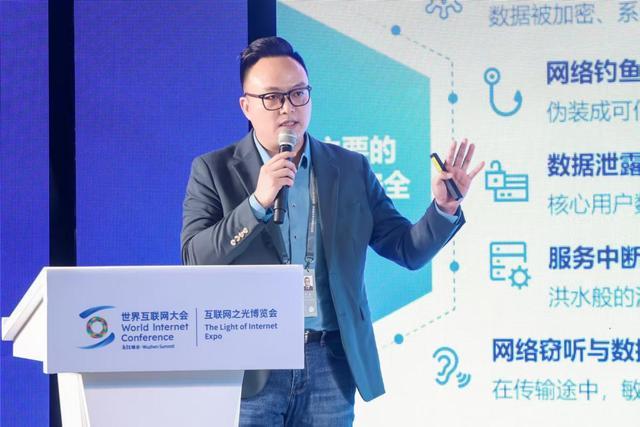
环球问策|天威诚信李延昭:量子计算倒逼证书管理升级,技术方案要兼顾合规与实用
Xin Lang Cai Jing· 2025-12-24 06:29
Core Viewpoint - The emergence of quantum computing poses significant challenges to existing digital identity systems, particularly in the context of SSL certificates, necessitating a reevaluation of current security measures in the industry [1][3]. Group 1: Quantum Computing Impact - Quantum computing has the potential to surpass traditional computing capabilities, which could undermine the security of current digital identity systems [1]. - The introduction of "pre-storage attacks" allows sensitive data to be stored for future decryption once quantum computing becomes commercially viable, posing a serious threat to entities like governments and financial institutions [3]. - The industry is beginning to recognize the urgency of addressing quantum computing threats, leading to adjustments in SSL/TLS certificate validity periods [4]. Group 2: Certificate Management Challenges - The effective period of SSL/TLS certificates is being reduced from a maximum of 5 years to as short as 47 days, significantly impacting network operations across various sectors [4][5]. - The increase in the number of servers and installation points complicates the manual updating of certificates, making it impractical for large enterprises [5]. - Shortening certificate validity is seen as a temporary measure to mitigate risks associated with quantum computing, emphasizing the need for technological advancements in certificate management [5]. Group 3: Technological Solutions - The introduction of automated certificate management systems is proposed as a long-term solution to enhance security and efficiency in managing SSL certificates [5]. - Tianwei Chengxin has developed the SSL Central Ecosystem Engine, which offers advanced solutions to ensure website security even with shortened certificate validity periods [6]. - The company has created a dual-track solution that caters to both domestic and international market needs, ensuring compliance with local standards while also accommodating global business requirements [6]. Group 4: AI Integration - The integration of AI with certificate management is identified as a key future development, focusing on assigning unique identities to AI agents for better tracking and auditing of their actions [7]. - Establishing a robust identity system for AI agents is crucial for monitoring their behavior and ensuring accountability, which could lead to a more structured competitive landscape in the industry [8]. - The potential for AI agents to transform traditional business models, such as recruitment services, into more efficient and quantifiable solutions is anticipated [8].
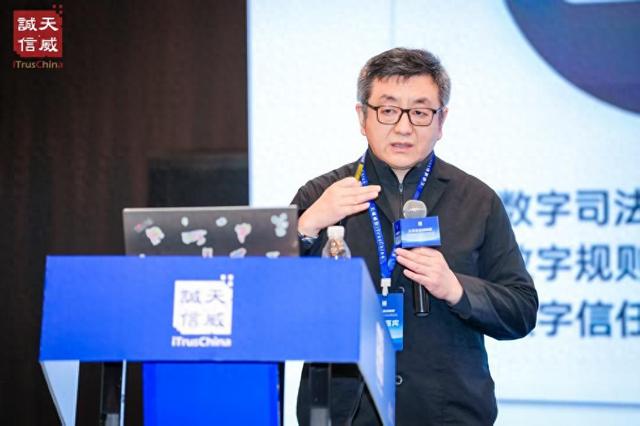
环球问策|天威诚信罗贇:证书管理的智能化、标准化是关键领域安全基石
Huan Qiu Wang Zi Xun· 2025-11-10 08:27
Core Insights - The financial industry is experiencing multidimensional pressures in certificate management due to regulatory requirements and the need for compliance with both international and domestic standards, leading to increased complexity and costs [3] - The rapid development of AI technology is driving the transition of certificate management from automation to intelligence, enabling predictive risk management and seamless certificate updates [3][5] - The fragmentation and lack of mutual recognition of certificates are significant bottlenecks in cross-organizational collaboration within the financial and governmental sectors, necessitating a dual approach of standard-driven solutions and compatibility bridging [4] Industry Trends - The digital economy's growth is pushing for innovations in certificate management, emphasizing the need for intelligent upgrades, standardized interoperability, and customized adaptations to ensure security and efficiency in critical sectors like finance and government [5] - The increasing number of certificates due to the expansion of application systems and microservices architecture is challenging traditional management models, which struggle to meet the demands for scalability and efficiency [3] Company Solutions - The company has developed a customized solution for the financial industry that incorporates a strategy engine and multi-tenant architecture to address high-frequency certificate operations and complex organizational structures in government agencies [4] - The innovative solutions include a smart decision-making engine that enhances risk prediction, automated scheduling for certificate updates during low-traffic periods, and real-time anomaly detection to build a proactive defense system [5]