
Smart TV

Search documents
CIA CAN HEAR YOUR CONVERSATIONS 🤯
The Diary Of A CEO· 2026-03-10 20:15
Even though the TV is off, it can still hear everything that's being said in the room and broadcast back to the CIA. >> I've heard you say that they can hack car systems. There was something in 2017 called the Vault 7 Revelations.A CIA software engineer who was disgruntled and instead of going to the Russians or the Chinese, he downloaded thousands, tens of thousands of pages of documents classified above top secret. They became what Wikileaks called the Vault 7 documents. They included things like the CIA, ...


How to disable ACR on your TV (and why doing so makes such a big difference)
ZDNET· 2026-01-26 02:00
Core Insights - The article discusses the use of Automatic Content Recognition (ACR) technology in smart TVs, which tracks viewing habits and collects data for targeted advertising [3][12][17] - In 2022, advertisers spent approximately $18.6 billion on smart TV ads, with expectations for continued growth in this area [4] - ACR technology captures up to 7,200 images per hour, providing detailed insights into viewer preferences and personal information [6][17] Group 1: ACR Technology Overview - ACR operates in the background, identifying content displayed on screens by capturing screenshots and cross-referencing them with a media database [5] - This technology allows marketers to tailor content recommendations and track the effectiveness of advertisements [7] - The data collected includes sensitive personal information, raising concerns about potential misuse and privacy risks [8][18] Group 2: Privacy Concerns and User Control - Many users are unaware of ACR's presence and find it challenging to opt out due to complex settings [9][12] - The article provides instructions for disabling ACR on various smart TV brands, emphasizing the effort required to protect privacy [10][16][20] - Disabling ACR may limit some smart features of the TV, but it is recommended for those concerned about data privacy [16][18]


How to disable ACR on your TV (and why you should do it ASAP)
ZDNET· 2025-12-19 19:02
Core Insights - The article discusses the use of Automatic Content Recognition (ACR) technology in smart TVs, which tracks viewing habits and collects data for targeted advertising [3][12][17] - In 2022, advertisers spent approximately $18.6 billion on smart TV ads, with expectations for continued growth in this area [4] - ACR technology captures up to 7,200 images per hour, providing detailed insights into viewer preferences and personal information [6][17] Group 1: ACR Technology Overview - ACR operates in the background, identifying content displayed on screens by capturing screenshots and cross-referencing them with a media database [5][12] - The technology allows marketers to tailor content recommendations and track the effectiveness of advertisements [7][12] Group 2: Privacy Concerns - There are significant privacy risks associated with ACR, including potential exploitation of sensitive information, which could lead to identity theft [8][18] - Many users are unaware of ACR's presence and find it challenging to opt out due to complex settings [9][12] Group 3: Disabling ACR - The article provides detailed instructions on how to disable ACR on various smart TV brands, including Samsung, LG, Sony, Hisense, and TCL [10][11][20] - Disabling ACR may limit some smart features but enhances user privacy [16][18]
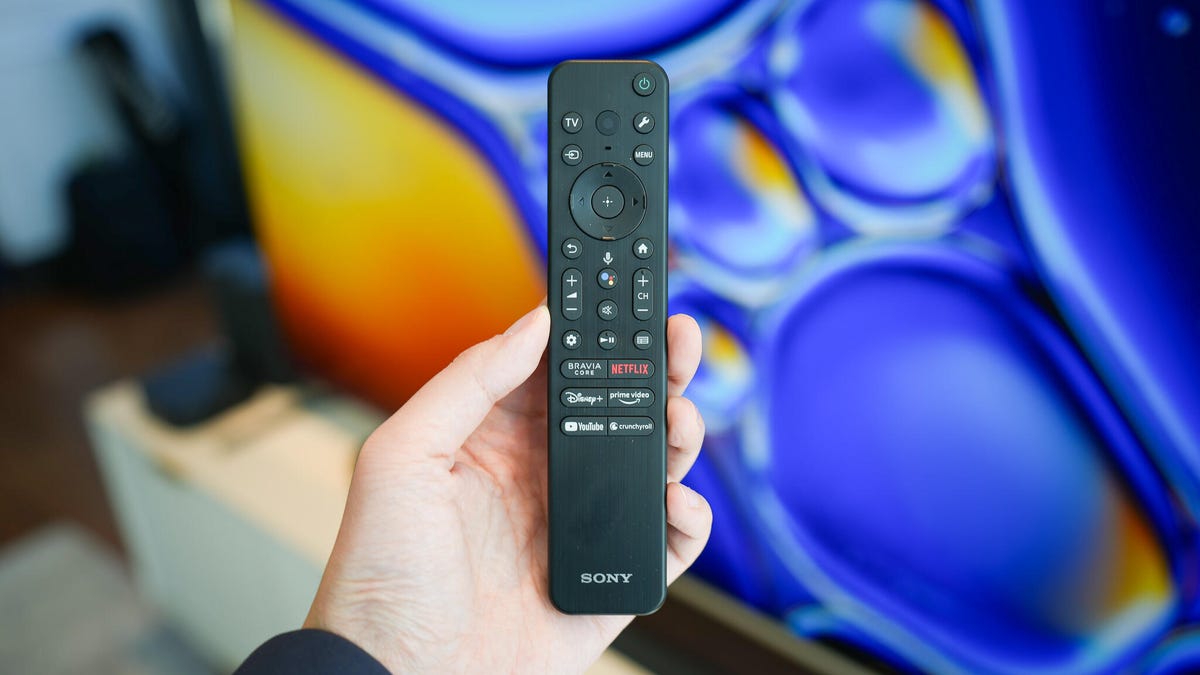
Smart TV vs Apple TV #Vergecast
The Verge· 2025-12-03 14:00
I feel like the margin between this is a great set top box and the software that's built into my Samsung TV from seven years ago like sucks hardcore. But it's fine. Like no no it plays Netflix. It plays >> in conscience.I cannot let you say that on this podcast. [laughter] No. >> Okay.>> My smart TV is fine goes against the official stance of >> You know what. I am writing that up. I'm going to write 800 words about how my smart TV is.>> Listen, Allison, it hurts me. >> Allison, you're supposed to have stan ...

Your Smart TV Is the Cookie Now—And It’s Bigger Than Meta
Medium· 2025-11-07 10:29
Core Insights - The article discusses the rise of Automatic Content Recognition (ACR) technology in smart TVs, highlighting its ability to monetize viewer data more effectively than traditional cookie-based tracking methods [1][10]. Group 1: ACR Technology Overview - ACR captures a 2-second screen and audio sample every 5-7 seconds, creating a 256-bit fingerprint that is sent over a secure connection [2]. - Major TV manufacturers like Samsung, LG, Sony, TCL, Vizio, and Roku have integrated ACR into their firmware, allowing for extensive data collection [1][4]. - The technology matches data against a 6 PB reference library updated nightly, covering various content sources including cable and streaming services [4]. Group 2: Data Monetization and Market Impact - Companies like Samba TV and Alphonso are monetizing ACR data, with Samba paying OEMs $0.10 to $0.25 per active set monthly for raw data feeds [5]. - LG Ads Solutions reported $1.1 billion in revenue for 2024, a 41% year-over-year increase, indicating the profitability of ACR-driven advertising [7]. - 87% of U.S. households are now addressable through ACR, with a CPM premium of 3.2 times compared to cookie-based advertising due to its cross-device capabilities [6]. Group 3: User Engagement and Compliance Issues - 78% of smart TV users do not opt out of ACR features, suggesting a lack of awareness or concern regarding data collection [6]. - Legal challenges exist, as seen in Vizio's $2.2 million FTC fine for data collection practices, raising questions about compliance with regulations like GDPR and CCPA [7]. Group 4: Security and Privacy Concerns - The article highlights potential security vulnerabilities, including risks of camera and microphone hijacking through unpatched software [8]. - ACR technology poses a significant attack surface, with demonstrated exploits that could compromise user privacy [8]. Group 5: User Control and Mitigation Strategies - Users can take steps to limit data collection, such as disabling specific settings on their TVs and blocking certain DNS addresses at the router level [9]. - Recommendations include using separate streaming devices and rotating advertiser IDs to enhance privacy [9].
塞浦路斯物联网使用率高于欧盟平均水平
Shang Wu Bu Wang Zhan· 2025-09-05 17:28
Core Insights - In 2024, 76.9% of the population aged 16-74 in Cyprus is using connected devices, surpassing the EU average of 70.9% [1] Device Usage Statistics - The highest usage rates of connected devices among EU member states are in the Netherlands (94.8%), Ireland (90.6%), and Denmark (87.0%), while the lowest are in Poland (46.1%), Bulgaria (50.8%), and Romania (56.6%) [1] - Greece has a usage rate of 56.8%, Italy 63.1%, and Germany 69.5% [1] Device Types - Smart TVs are the most widely used connected devices, accounting for 57.9% of usage [1] - Approximately 30% of users utilize wearable devices, and around 20% use gaming consoles or connected speakers [1] - Home automation applications are less common, with energy management systems, smart appliances, and security devices having usage rates of 14.2%, 12.8%, and 11.8% respectively [1] - The usage rates for connected cars, health devices, and smart toys are 10.5%, 7.9%, and 2.3% respectively [1]
GXO Signs Partnership Agreement with Sky Italia for Logistics Services and Value-added Activities in Italy
Globenewswire· 2025-07-15 11:00
Core Insights - GXO Logistics has signed a multi-year agreement with Sky Italia to manage its supply chain, including storage of Sky's core products and merchandising [1][2] - The Colleferro warehouse, operational since 2010, spans 30,000 square meters and can store over 1 million Sky products, providing a scalable solution for peak business periods [2][3] - GXO's focus on innovation and direct staffing model were key factors in Sky's decision to partner with them, enhancing operational efficiency [3] Company Overview - GXO Logistics is the world's largest pure-play contract logistics provider, with over 150,000 employees across more than 1,000 facilities totaling over 200 million square feet [4] - The company specializes in solving complex logistics challenges for leading blue-chip companies, leveraging advanced technology in supply chain and e-commerce solutions [4]

小米集团(1810.HK)业绩回顾:2025年第一季度业绩因AIoT/电动汽车业务及强劲的中国销售而超预期;未来一个月将有重要事件;上调目标价并重申买入
Goldman Sachs· 2025-05-30 02:30
Investment Rating - The report maintains a "Buy" rating for Xiaomi Corp. (1810.HK) with a target price raised to HK$65 from HK$62, indicating a 26% upside potential [1][18]. Core Insights - Xiaomi's 1Q25 results exceeded expectations, with revenue growing by 47% year-over-year (yoy) to Rmb111 billion, and adjusted net profit increasing by 65% yoy to Rmb10.7 billion [1]. - Key growth drivers included AIoT and electric vehicles (EV), with AIoT revenue growing by 59% yoy, significantly outperforming the market [2][34]. - The gross profit margin (GPM) for AIoT reached a record high of 25.2%, up 5.4 percentage points yoy, making it the largest gross profit contributor for Xiaomi [3][58]. Financial Performance - Revenue from smart EVs showed a gross profit margin expansion to 23.2%, attributed to strong pricing power and lower bill of materials (BOM) costs [4]. - Smartphone revenue grew by 9% yoy to Rmb50.6 billion, with a market share increase in China to 19%, marking Xiaomi's first position in the market after 10 years [28]. - Internet services revenue increased by 13% yoy to Rmb9.1 billion, driven by a 20% growth in advertising revenue [67]. Segment Analysis - AIoT and lifestyle products contributed significantly to revenue, with smart large home appliances seeing a revenue growth of 114% yoy [42]. - Tablet shipments grew by 56% yoy, with Xiaomi achieving the No.3 market share globally and in China [47]. - Wearables revenue increased by 56.5% yoy, with Xiaomi maintaining a leading position in the global market [58]. Future Outlook - The company anticipates continued growth in AIoT, projecting a 22% compound annual growth rate (CAGR) for overseas revenue from 2024 to 2027 [61]. - Upcoming events to watch include the 6.18 shopping festival and a new product release event, which are expected to drive further consumer interest and sales [19].