Starlink 网络

Search documents
SpaceX 不是“提款机”!分析师:整合xAI或为航天巨头埋下财务隐患
Hua Er Jie Jian Wen· 2026-02-04 12:45
Core Viewpoint - Elon Musk's decision to integrate his AI startup xAI into SpaceX poses potential risks for the aerospace giant, which has established a significant lead in the industry through reusable rocket technology and reduced launch costs [1][2]. Group 1: Financial Implications - The potential merger is valued at $1.25 trillion, with SpaceX contributing $1 trillion, but there is skepticism regarding any substantial synergies between the two entities [1]. - SpaceX has agreed to inject $2 billion into xAI, which is facing a cash burn rate of $1 billion per month, with no signs of slowing down due to competition for chips and data center resources [1][4]. - SpaceX achieved approximately $16 billion in revenue last year, with a profit of about $8 billion, resulting in a profit margin of 50% [3]. Group 2: Competitive Landscape - SpaceX operates in a less competitive environment in the aerospace sector, primarily facing competition from Blue Origin and Eutelsat Communications, while xAI is in a crowded and costly field with major players like Alphabet, Microsoft, and Nvidia [2][4]. - The company has completed 165 missions, capturing over 50% of global launch tasks, solidifying its dominance in the space race against China [3]. Group 3: Strategic Fit and Risks - There is a lack of strategic alignment between SpaceX and xAI, as SpaceX does not currently require xAI's capabilities to expand its operations [6]. - The integration of xAI into SpaceX may introduce unnecessary risks to its competitive advantage in the aerospace sector, which is primarily driven by its established business model and government contracts [7]. - The potential for a "space data center" does not necessitate the acquisition of xAI, as other AI companies would likely seek to utilize SpaceX's launch services instead [6].
消息称马斯克与苹果曾就卫星通讯争执:50亿美元独家协议但遭拒
Sou Hu Cai Jing· 2025-05-28 07:44
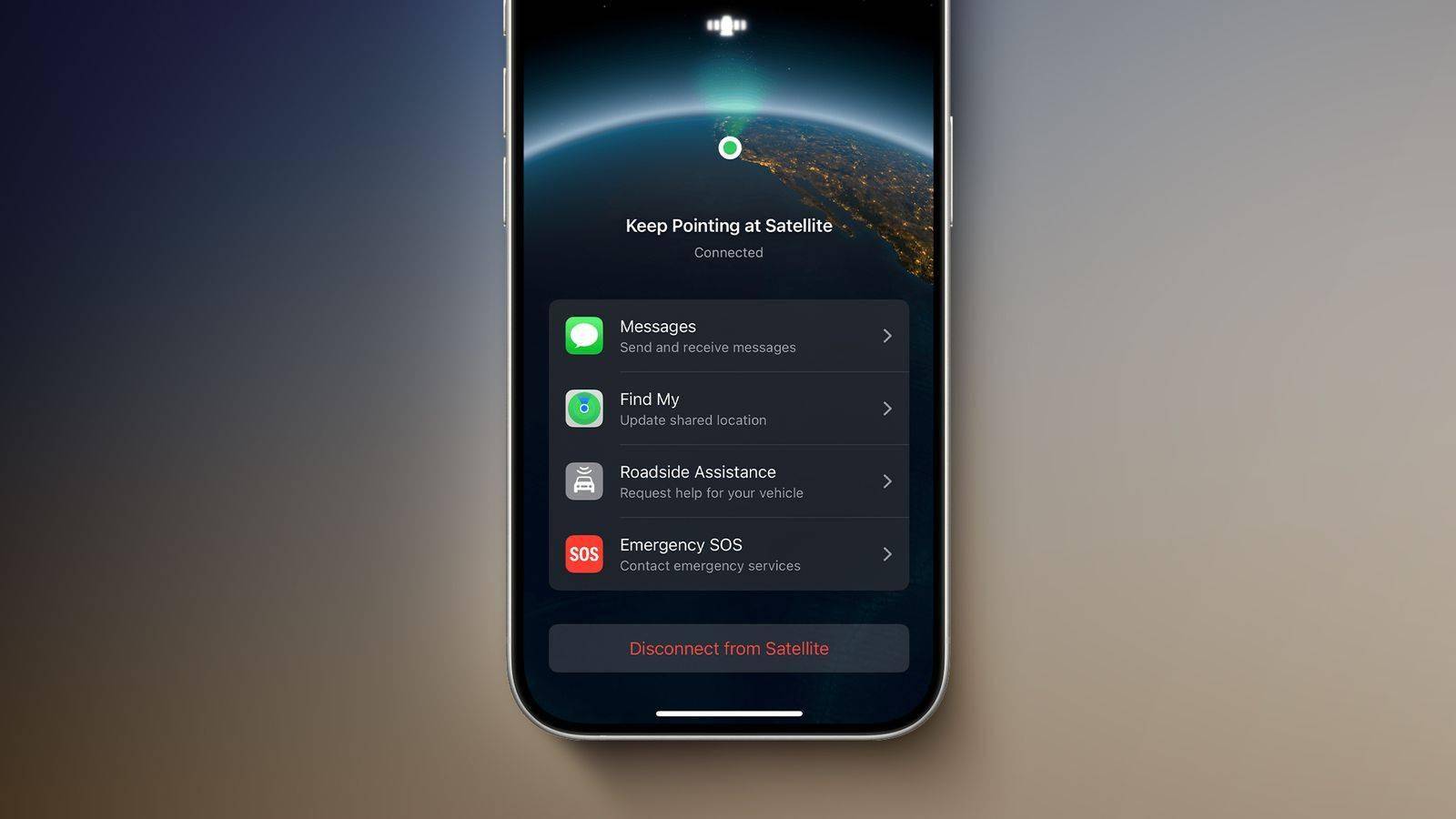
Core Insights - SpaceX CEO Elon Musk is in a competitive dispute with Apple over satellite connectivity features for the iPhone 14 [1][3] - Musk proposed a $5 billion upfront payment and an 18-month exclusive partnership for SpaceX to provide satellite services, followed by annual payments of $1 billion [1] - Apple ultimately rejected Musk's proposal, leading to further tensions between the two companies [3] Group 1: Competitive Dynamics - Musk threatened to announce a competing satellite feature for the iPhone if Apple did not agree to the partnership within 72 hours [3] - SpaceX filed a lawsuit against Globalstar, questioning its spectrum resource allocation, which could significantly impact Apple's satellite service [3] - SpaceX opposed Globalstar's application to launch new satellites in 2023, accusing it of not effectively utilizing existing resources [3] Group 2: Tensions and Strategic Moves - The ongoing friction over satellite functionality has intensified the relationship strain between Apple and Musk, who have previously disagreed over App Store revenue sharing [4] - Musk has considered developing a Tesla phone that would integrate Starlink services to bypass Apple's control over the smartphone market [4] - Recent disagreements arose over the promotion of satellite messaging services, with Musk wanting broader support for more iPhone models, while Apple limited it to the iPhone 14 and newer [3]