TTC

Search documents
AI 应用创业两个新趋势:智能体、多模态热门,小而美团队成主流
投资实习所· 2025-11-15 05:19
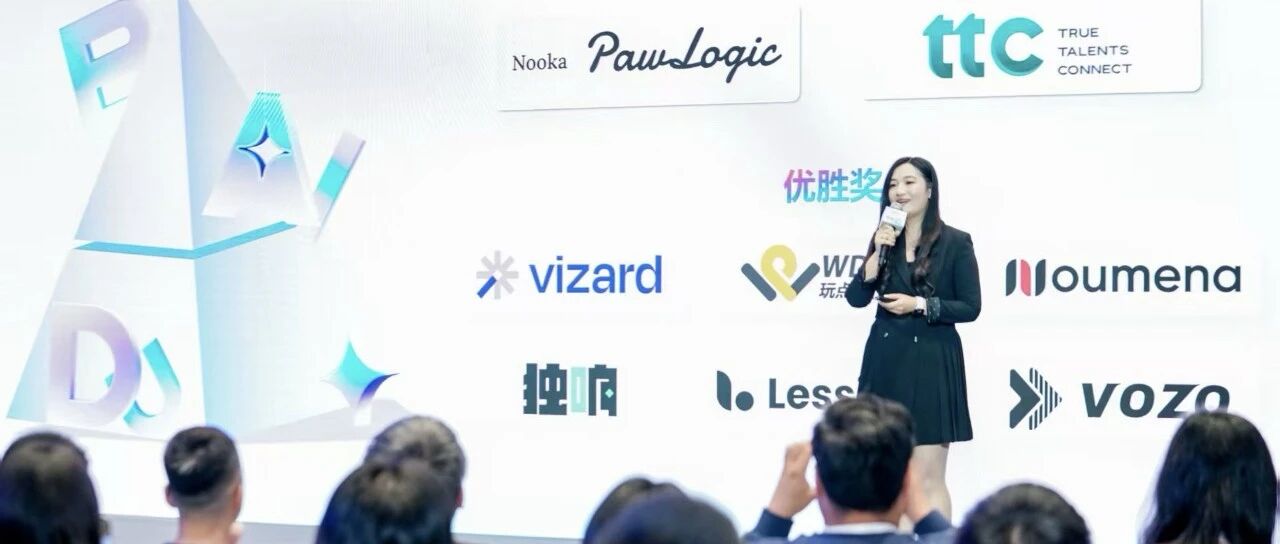
Core Insights - The article discusses the trends in the AI startup ecosystem, particularly focusing on the results of the Baidu Wenxin Cup Entrepreneurship Competition, which attracted nearly 1,000 teams globally and highlighted the evolution of AI applications across various sectors [1][13]. Group 1: Winning Projects - Eight winning projects were selected, showcasing diverse applications of AI, including recruitment, content automation, and video generation [2][5]. - Notable projects include Lessie AI, which focuses on AI-driven recruitment, and Nooka, an innovative platform that transforms books into interactive audio dialogues [4][5]. Group 2: Trends in AI Startups - The competition revealed a shift towards multi-modal AI applications, moving from text-based to image and audio integrations, indicating a broader technological evolution [10][11]. - Teams are becoming more specialized and streamlined, with 50% of founders being post-90s and over 40% having backgrounds in top tech companies, while 71% of teams consist of fewer than 20 members [11][13]. Group 3: Baidu's AI Developments - Baidu has made significant advancements in AI capabilities, launching new products and models, including the Wenxin 5.0 model, which excels in multi-modal understanding and creative writing [15]. - The company introduced a self-evolving AI agent, which optimizes solutions in complex fields like finance and logistics, showcasing its commitment to enhancing AI's practical applications [15]. Group 4: Internalizing AI Capabilities - Baidu's founder emphasized the importance of "internalizing AI capabilities," suggesting that AI should become an integral part of organizational processes rather than just a tool [16][19]. - This approach aims to transform AI from a cost into a productivity enhancer, allowing businesses to leverage AI for greater efficiency and innovation [16][20].


这届百度文心杯有点料:看到了AI应用创业的最新趋势、最大机会
投资实习所· 2025-11-14 08:30
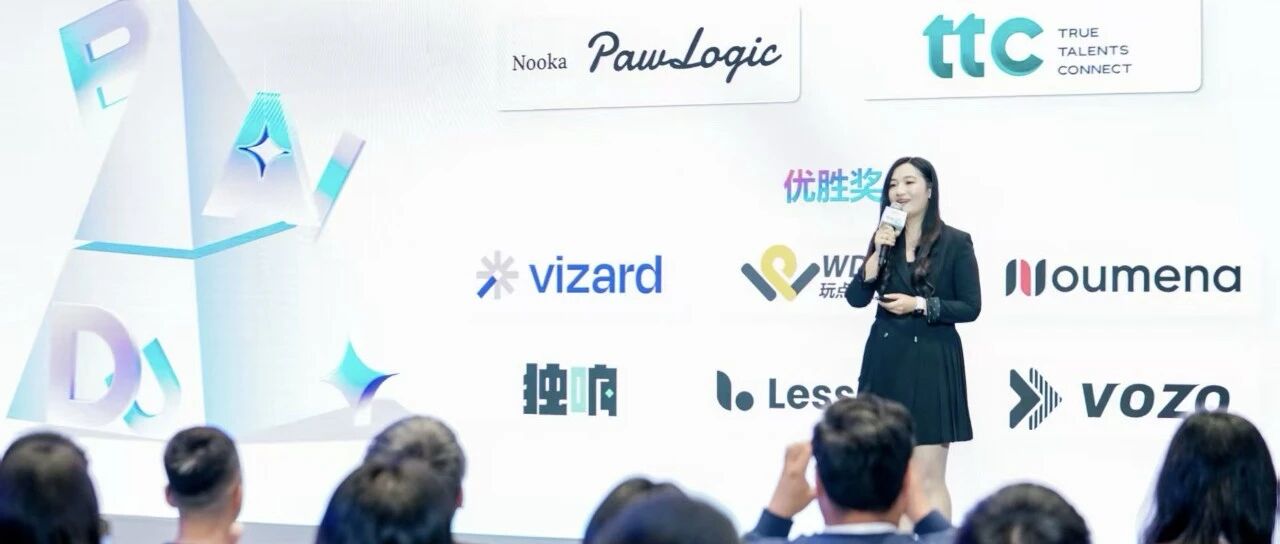
Core Insights - The article discusses the trends in the AI startup ecosystem, particularly focusing on the results of the Baidu Wenxin Cup Entrepreneurship Competition, which attracted nearly 1,000 teams globally and highlighted the growing interest in AI applications across various sectors [1][13]. Group 1: Winning Projects - Eight winning projects were selected, showcasing diverse applications of AI, including recruitment, content automation, and travel services [2][5]. - Notable projects include Lessie AI, which focuses on AI-driven recruitment, and Nooka, which transforms books into interactive audio formats [4][5]. Group 2: Trends in AI Applications - The competition revealed a shift from text-based applications to multimodal projects, indicating a significant evolution in AI technology [10]. - The participating teams are characterized by their openness, professionalism, and youthfulness, with 50% of founders being born in the 1990s and over 40% having backgrounds in top tech companies [10]. Group 3: Baidu's Support and AI Development - Baidu has provided substantial financial support to winning teams, totaling hundreds of millions in funding over three years [13]. - The company announced updates to its AI products, including the launch of a new generation of Kunlun chips and the Wenxin 5.0 model, enhancing capabilities for entrepreneurs [15][14]. Group 4: Internalizing AI Capabilities - Baidu's founder emphasized the importance of "internalizing AI capabilities," suggesting that AI should become an integral part of organizational processes rather than just a tool [16][18]. - This approach aims to transform AI from a cost into a productivity enhancer, allowing businesses to leverage AI for greater efficiency and value creation [16][20]. Group 5: Future of AI Industry Structure - The article suggests a shift in the AI industry structure from a traditional pyramid to an inverted pyramid, where the application layer becomes the largest profit generator [20][21]. - For this to happen, companies must integrate AI deeply into their operations, enabling them to create real value through AI applications [21].