
UGG鞋子

Search documents
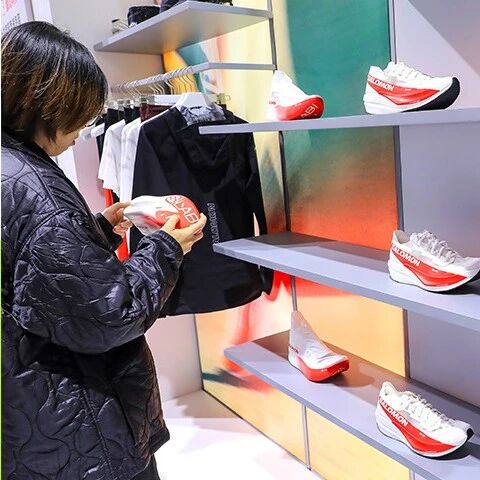
萨洛蒙,少女们的美丽刑具
36氪· 2026-03-03 00:34
Core Viewpoint - Salomon, a French footwear brand originally catering to the "hardcore male" demographic, is struggling with its brand positioning and reputation as it attempts to expand into the female market, leading to mixed feedback from both new and existing customers [4][20]. Group 1: Brand Transformation and Market Positioning - Salomon has shifted its focus towards female consumers, employing celebrities like Zhao Jinmai as brand ambassadors and introducing vibrant colorways to appeal to a broader audience [5][26]. - The brand's attempt to blend outdoor functionality with fashion has resulted in a dilution of its original identity, causing dissatisfaction among long-time users who feel the brand has strayed from its core values [28][29]. - Despite the push for a more fashionable image, Salomon's quality control issues have surfaced, with numerous complaints regarding product durability and comfort, leading to a decline in customer satisfaction [11][30]. Group 2: Consumer Feedback and Market Competition - New users, particularly younger consumers, have expressed frustration with the comfort and quality of Salomon products, often comparing them unfavorably to competitors like Hoka and Asics [13][17]. - The brand faces a competitive landscape where it must balance its outdoor heritage with the demands of fashion-forward consumers, as evidenced by discussions among users debating the merits of Salomon versus Hoka [15][16]. - Data indicates that Salomon's market share in the trail running shoe segment is declining, with competitors like Kailas and Asics gaining traction, highlighting the challenges Salomon faces in maintaining its market position [30][31]. Group 3: Challenges in Brand Identity - Salomon's attempt to appeal to a younger demographic has led to a confusing brand identity, where the emphasis on fashion has alienated traditional customers while failing to fully satisfy new ones [28][29]. - The brand's pricing strategy has come under scrutiny, as high prices without a clear value proposition may drive consumers to seek alternatives [31]. - The ongoing struggle to reconcile its outdoor expertise with a fashionable image poses a significant challenge for Salomon, as it risks losing credibility in both markets [43].

跑圈新贵HOKA还能“狂奔”多久
Bei Jing Shang Bao· 2025-10-29 14:45
Core Insights - HOKA, a key brand under Deckers Brands, is experiencing a slowdown in growth despite maintaining double-digit increases in sales and net profit, attributed to market saturation and increased competition [1][2][8] Financial Performance - For Q2 of fiscal year 2026, Deckers Brands reported net sales of $1.431 billion, a year-over-year increase of 9.1%, and net profit of $268 million, up 10.74% [2] - HOKA's net sales reached $634 million in Q2, reflecting an 11% year-over-year growth, while UGG's sales were $759 million, growing by 10.1% [2] - The overall sales forecast for Deckers Brands in fiscal year 2026 is approximately $5.35 billion, with HOKA's growth expected to be in the low double digits of 10%-15% [2][3] Brand Development - HOKA's net sales grew by 23.6% in fiscal year 2025, reaching $2.233 billion, and had previously seen growth rates exceeding 55% in earlier years [3] - HOKA contributes 45% to Deckers Brands' total sales, closely following UGG, which accounts for 51% [3] Market Trends - The growth of HOKA and similar brands is driven by consumer spending upgrades and the expansion of professional sports into the mass market, appealing to a broader consumer base [4] - The running shoe market in China is rapidly expanding, with significant increases in sales and participation in running events, indicating a growing demand for specialized running shoes [6][9] Competitive Landscape - The running shoe market is becoming increasingly competitive, with both international brands like Nike and Adidas and domestic brands like Anta and Xtep intensifying their presence [9][10] - HOKA faces challenges from traditional brands launching similar products and a potential consumer fatigue regarding the "thick sole" trend [10] Strategic Recommendations - To sustain growth, HOKA needs to enhance brand positioning towards high-end consumers, focus on product innovation, and embrace digital transformation to improve customer experience [10]
