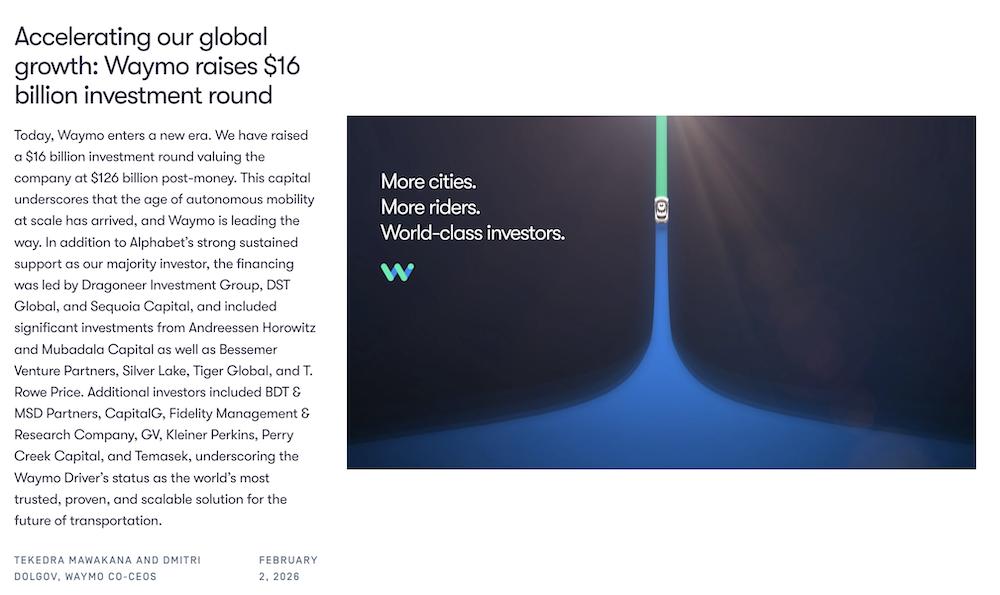
Waymo Driver

Search documents
谷歌确立三大未来引擎:量子计算、机器人、AI制药23/64
美股IPO· 2026-03-05 04:40
Core Viewpoint - Google has unveiled its strategic blueprint focusing on quantum computing, robotics, and AI-driven drug development as core engines for long-term growth [1] Group 1: Strategic Shift and Market Position - The strategic shift is driven by the global competition in generative AI, aiming to break through the growth ceiling of search advertising by heavily investing in cutting-edge technologies [3] - Google plans to transform its "forward-looking projects" into trillion-dollar market potential industries, with historical high levels of R&D investment expected [3] - Despite emerging competitors like Perplexity, Google's search market share remains dominant, projected at 90.15% in February 2025 and stabilizing at 90.01% by February 2026 [3] Group 2: Investment and Financial Outlook - Google is significantly increasing its capital expenditures, with actual spending expected to reach $91 billion in 2025, up from an initial guidance of $70-75 billion, and projected to rise to $175-185 billion in 2026 [4] - Approximately 70% of this investment will focus on data center expansion and core computing power, while a substantial portion will be directed towards quantum computing, robotics, and AI drug development [4] Group 3: Technological Advancements and Future Potential - The potential of Isomorphic Labs and AI's role in revolutionizing drug development is highlighted, with AI capable of reducing drug development cycles from ten years to three [5] - Quantum computing is expected to achieve key application breakthroughs within five years, with significant progress in optimizing algorithms and hardware collaboration [5] - Robotics technology, including Intrinsic, is being integrated with AI to create new growth areas, emphasizing the importance of strategic investment discipline [5] Group 4: Early Results and Future Growth - The effectiveness of these investments is beginning to show, with improvements in return on invested capital (ROIC) leading to revenue growth across multiple business sectors [6]



Tesla Hits 8.4B FSD Miles: Is Unsupervised Autonomy Within Reach?
ZACKS· 2026-03-02 16:40
Core Insights - Tesla's Full Self-Driving (FSD) system has surpassed 8.4 billion cumulative miles driven, emphasizing the importance of real-world data for improving autonomous driving technology [1][9] - The achievement brings Tesla closer to CEO Elon Musk's target of 10 billion miles, which is deemed necessary for safe, unsupervised self-driving at scale [2][9] - Cumulative miles have increased significantly, from approximately 6 million in 2021 to 80 million in 2022, and reaching 670 million in 2023, with projections of 2.25 billion miles in 2024 and 4.25 billion in 2025 [3] Expansion and Testing - Tesla has initiated supervised FSD testing in Abu Dhabi, marking the emirate's first official testing framework for the system, supported by local regulatory bodies [4][9] Competitive Landscape - Waymo, a subsidiary of Alphabet Inc., has accumulated nearly 200 million fully autonomous miles over seven years, showcasing the differences in operational models between Tesla's supervised driving and Waymo's fully autonomous service [5][7] - General Motors plans to introduce hands-free driving technology in 2028, having mapped 600,000 miles of routes and logged 700 million miles with its Super Cruise system [6][7] Stock Performance - Tesla's stock has increased by 20.5% over the past six months, compared to the industry's growth of 29.4% [8] - The forward price-to-sales ratio for Tesla is 14.41, which is above the industry average and its own five-year average, indicating a lower Value Score of F [10]


This 1 Underrated Factor Could Drive the Big Winner in the Robotaxi Race
Yahoo Finance· 2026-02-17 10:20
One company seems to be building a big lead in the U.S. market for robotaxis, and it might not be for a reason that most investors know about. Waymo, a subsidiary of Alphabet (NASDAQ: GOOG)(NASDAQ: GOOGL), uses LiDAR technology, along with cameras and radar, to build its autonomous capabilities, while its competitor Tesla (NASDAQ: TSLA) primarily uses computer vision with digital cameras. Waymo uses LiDAR -- Tesla does not LiDAR (light detection and ranging) uses laser beams and digital sensors to measu ...
Waymo begins deploying next-gen Ojai robotaxis to extend its U.S. lead
CNBC· 2026-02-12 16:00
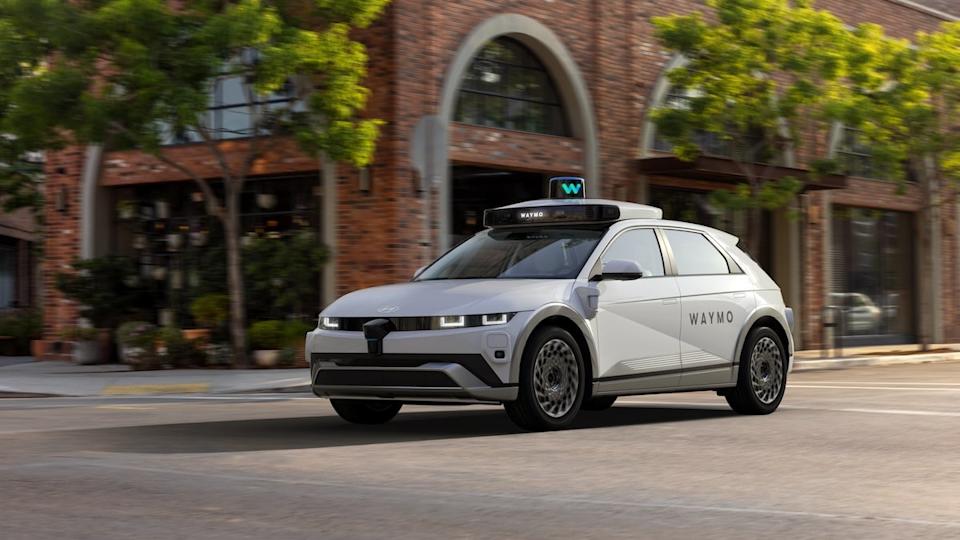
Core Insights - Waymo has launched its sixth-generation driverless system for robotaxi rides, initially for employees in the San Francisco Bay Area and Los Angeles, with plans for public access later this year [2][3] Group 1: Technology and Fleet Expansion - The sixth-generation Waymo Driver utilizes more cost-effective parts and is designed to handle harsher weather conditions compared to previous versions, marking a significant upgrade in technology [2] - Waymo aims to extend its lead in the U.S. market by upgrading its driverless technology and expanding its fleet [2][3] - The new system will serve as the primary engine for Waymo's next phase of expansion [2] Group 2: Market Position and Competition - Waymo currently offers fully autonomous robotaxi services in six U.S. markets and plans to begin operations in London later this year [4] - Competitors such as Amazon-owned Zoox and Tesla are testing their driverless systems but have not yet launched widespread driverless ride-hailing services [4] - Chinese companies like Baidu-owned Apollo Go and WeRide are expanding internationally at a faster pace than Waymo [5] Group 3: Strategic Partnerships and Concerns - Waymo's decision to use vehicles from Chinese automaker Geely has raised concerns among GOP lawmakers regarding national security [5][6] - Waymo has assured that it will not share its autonomous driving technology or rider information with Geely's subsidiary, Zeekr, which provides the base vehicles [6] Group 4: Vehicle Specifications - The Ojai vehicle, which is part of Waymo's fleet, features a boxier design with a lower step and higher ceiling compared to existing models, while maintaining a similar footprint to the Jaguar I-PACE [8]


腾讯研究院AI速递 20260209
腾讯研究院· 2026-02-08 16:03
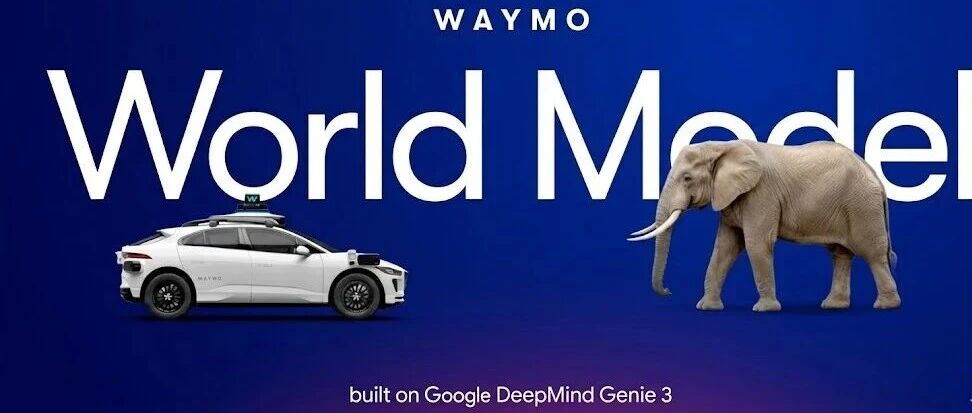
Group 1: Claude Opus 4.6 Release - Anthropic launched Claude Opus 4.6, outperforming GPT-5.2 by approximately 144 Elo in GDPval-AA knowledge work assessment and achieving top scores in Terminal-Bench 2.0, Humanity's Last Exam, and BrowseComp [1] - The Opus model supports a context window of 1 million tokens and an output limit of 128,000 tokens, achieving 76% in long context retrieval tests, which is four times better than Sonnet 4.5 [1] - The product line has been updated with new features, including agent teams in Claude Code, an upgraded Excel, and a research preview for PowerPoint, along with new API functionalities like adaptive thinking and context compaction [1] Group 2: OpenAI GPT-5.3-Codex Release - OpenAI released GPT-5.3-Codex shortly after Claude Opus 4.6, achieving 77.3% in Terminal-Bench 2.0, regaining the highest score and being 25% faster than its predecessor, GPT-5.2-Codex [2] - This model is the first to participate in creating its own model, utilizing early versions for debugging its training process, managing deployment, and analyzing evaluation results [2] - The OSWorld-Verified score improved from 38.2% to 64.7%, nearing the human benchmark of 72%, with a cybersecurity CTF score of 77.6%, marking it as the first high-capability cybersecurity model [2] Group 3: Claude Opus 4.6 Fast Mode - Anthropic introduced a Fast Mode for Claude Opus 4.6, which is 2.5 times faster than the standard version, available to Claude Code and API users, with initial support from platforms like Cursor and GitHub Copilot [3] - Pricing for Fast Mode has significantly increased, with input costs at $30 per million tokens and output costs at $150 per million tokens, while long context pricing has doubled, offering a 50% discount until February 16 [3] - This mode is recommended for rapid code iteration and real-time debugging, with automatic fallback to the standard version after hitting rate limits [3] Group 4: Pony Alpha Model - The OpenRouter platform launched the mysterious anonymous model Pony Alpha, which excels in programming, logical reasoning, and role-playing, available for free [4] - Speculation surrounds the model's identity, with guesses including DeepSeek-V4, GLM new models, Opus 5.3, Codex 4.6, or Grok 4.2, but no consensus has been reached [4] - Pony Alpha supports reasoning with a context of 200,000 tokens, with users successfully creating complete web applications containing 500 lines of code, hinting at a possible Chinese origin due to its name [4] Group 5: ByteDance Seedance 2.0 Launch - ByteDance quietly launched Seedance 2.0, which supports self-storyboarding, synchronized audio-visual generation, multi-shot narratives, and up to 12 multimodal reference files [5] - The usability rate improved from under 20% to over 90%, with actual production costs reduced to near theoretical levels, fundamentally changing the industry's economics [5] Group 6: Tencent WorkBuddy Internal Testing - Tencent opened internal testing for WorkBuddy, a desktop AI agent capable of planning and executing complex multimodal tasks on local computers [7] - Core capabilities include automatic batch file processing, document/spreadsheet/PPT generation, deep data analysis, and industry research, with built-in model switching and high-risk command interception [7] - Since its internal testing began on January 19, it has served over 2,000 Tencent employees, targeting non-technical workplace groups like HR, administration, operations, and sales to lower the AI tool usage barrier [7] Group 7: Waymo and DeepMind Collaboration - Waymo introduced a world model built on DeepMind Genie 3, capable of generating highly realistic and interactive 3D environments, simulating rare driving scenarios like tornadoes and elephants [8] - The model supports three control mechanisms: driving behavior, scene layout, and language, converting ordinary driving record videos into multimodal simulations, showcasing the Waymo Driver's perspective [8] - Waymo Driver has completed nearly 200 million miles of fully autonomous driving, with the world model enabling the system to rehearse billions of miles of complex scenarios in a virtual environment [8] Group 8: Elon Musk's Future Plans - Elon Musk revealed SpaceX plans to launch 20,000 to 30,000 times annually, predicting that within five years, space computing power will exceed the global total [9] - The Tesla AI5 chip is set for mass production in Q2 next year, with the AI6 chip following within a year, and Optimus expected to reach a production capacity of 1 million units in three years and 10 million in four years [9] - Musk described Optimus as a "money-making perpetual motion machine," asserting that without breakthrough innovations, the U.S. will fall behind China in AI, electric vehicles, and humanoid robot manufacturing [9] Group 9: AI Growth Projections - ARK Invest forecasts that global GDP growth will exceed 7% by 2030, driven by the integration of five technologies, with a bullish Bitcoin price target of $1.5 million by 2030 [12] - The differentiated development of AI between China and the U.S. sees China breaking through with an open-source approach, while the U.S. leads in application-level global competitiveness, with proprietary data being a decisive advantage in the AI era [12] - Tesla is positioned to lead the Robotaxis market through vertical integration, with future travel costs potentially dropping to $0.20 per mile, and a market capitalization of a trillion dollars by 2030 is anticipated [12]

Waymo联手DeepMind打造世界模型:基于Genie 3,让自动驾驶「脑补」罕见场景
机器之心· 2026-02-07 07:00
Core Insights - Waymo has launched the Waymo World Model, a new standard in large-scale, hyper-realistic autonomous driving simulation, built on DeepMind's Genie 3 [1][4] - The model can generate highly realistic and interactive 3D environments tailored for the strict requirements of autonomous driving [4][8] - Waymo Driver has completed nearly 200 million miles of fully autonomous driving, enhancing road safety through extensive virtual world training [4][28] Group 1: Model Capabilities - Waymo World Model leverages Genie 3's extensive world knowledge to simulate rare events that are difficult to replicate in real life, such as tornadoes and encounters with elephants [4][9] - The model supports high-fidelity, multi-sensor data generation, including camera images and LiDAR point clouds, providing a comprehensive training and testing environment for autonomous systems [4][8] - The simulation allows for real-time adjustments through simple language prompts, driving inputs, or scene layouts, enhancing the model's adaptability [4][11][16] Group 2: Simulation Control Mechanisms - The model features three main control mechanisms: driving behavior control, scene layout control, and language control, enabling the simulation of various driving scenarios [11][13][16] - Driving behavior control allows for the simulation of counterfactual events, assessing how the Waymo Driver would respond under specific conditions [11] - Scene layout control enables customization of road layouts and traffic signals, while language control provides flexibility in adjusting time of day and weather conditions [13][16] Group 3: Realism and Accuracy - Waymo World Model can convert real-world videos into multi-modal simulations, achieving high levels of realism and factual accuracy [22] - The model's efficient variants allow for long-duration simulations while maintaining high fidelity, supporting large-scale testing [24] - By simulating rare scenarios, Waymo Driver prepares for complex driving situations, setting a higher safety benchmark for autonomous systems [28]
1111亿!自动驾驶史上最大融资诞生
创业邦· 2026-02-04 10:15
Core Viewpoint - Waymo has secured the largest financing in the history of the autonomous driving sector, raising $16 billion, which reflects strong confidence from the capital market in the commercial prospects of autonomous driving [6][31]. Financing Details - Waymo announced the completion of a $16 billion financing round, resulting in a post-money valuation of $126 billion [6][10]. - The financing round included major investors such as Alphabet, Dragoneer Investment Group, DST Global, and Sequoia Capital, among others [10]. - With this latest round, Waymo's total financing has exceeded $27.1 billion, making it the most valuable unicorn in the autonomous driving industry [13][14]. Operational Achievements - Waymo has achieved a total of 127 million miles in fully autonomous driving, equivalent to over 260 round trips to the moon, with a 90% reduction in serious accidents [10][12]. - The company has seen its annual order volume more than double to 15 million by 2025, with a cumulative order volume exceeding 20 million, laying the groundwork for ride-hailing services in over 20 cities, including Tokyo and London, by 2026 [12][14]. Expansion Plans - The new funding will accelerate Waymo's global expansion, with plans to introduce Waymo Driver to more cities worldwide [12][31]. - Currently, Waymo operates in six cities in North America, including Phoenix, San Francisco, Los Angeles, Austin, Atlanta, and Miami, with weekly paid order volumes exceeding 450,000 [17][19]. Safety and Regulatory Challenges - Despite the successful financing, Waymo faces significant challenges regarding safety and efficiency, highlighted by recent incidents involving its autonomous vehicles [20][30]. - A series of accidents, including a collision with a child and multiple instances of vehicles causing traffic congestion, have raised concerns about the safety of its autonomous systems [24][28]. - The National Transportation Safety Board (NTSB) has announced an investigation into Waymo following these incidents, emphasizing the need for the company to balance safety and operational efficiency [29][32].
Alphabet’s Waymo secures $16bn funding at $126bn valuation
Yahoo Finance· 2026-02-03 16:52
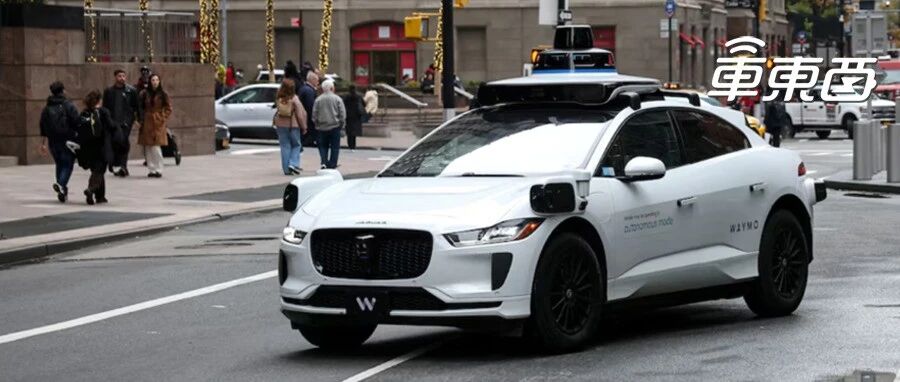
Core Insights - Waymo has successfully completed a $16 billion financing round, resulting in a post-money valuation of $126 billion [1] - The investment was led by prominent firms including Dragoneer Investment Group, DST Global, and Sequoia Capital, with Alphabet remaining the largest shareholder [1][2] - The company plans to expand its ride-hailing services to over 20 additional cities by 2026, including major international markets like Tokyo and London [2][3] Funding and Growth - The new capital will be allocated towards international expansion, fleet growth, and hiring, while maintaining existing safety standards [3][4] - Waymo reported significant growth in 2025, tripling its annual ride volume to 15 million and surpassing 20 million lifetime journeys [5] - The company currently provides over 400,000 rides weekly across six major U.S. metropolitan areas [5] Safety and Performance - Waymo emphasized its commitment to safety, citing data from 127 million miles of fully autonomous driving, which resulted in a 90% reduction in serious injury crashes compared to human driving [4] - The company has transitioned from research milestones to operational excellence, as noted by Sequoia partner Konstantine Buhler [5] Competitive Landscape - The driverless ride-hailing market is becoming increasingly competitive, with Tesla and Amazon's Zoox also entering the space with their own services [6]
Waymo raises $16B in major funding round
Yahoo Finance· 2026-02-03 12:53
Core Insights - Waymo has successfully closed a $16 billion funding round, increasing its post-money valuation to $126 billion, with significant backing from Dragoneer Investment Group, DST Global, and Sequoia Capital [6] - The company plans to expand its robotaxi operations to 20 more cities globally by 2026, including Tokyo and London, in response to rising demand for autonomous mobility [6] - Waymo's ride-hailing service, Waymo One, has tripled its annual ride volume to 15 million rides in 2025, currently providing 400,000 paid rides per week across six major U.S. metropolitan areas [6] Company Overview - Waymo, a leader in autonomous driving technology, spun out from Google's self-driving car project in December 2016 and has a strong focus on safety, having logged over 127 million miles of fully autonomous operation with a 90% reduction in serious injury crashes [4][6] - The technology stack used in Waymo's robotaxis, known as the "Waymo Driver," includes advanced hardware such as cameras, lidar, radar, and external audio receivers, along with detailed custom maps and real-time sensor data for precise navigation [5]
1111亿,自动驾驶史上最大融资诞生
3 6 Ke· 2026-02-03 04:11
Core Insights - Waymo has announced the completion of a $16 billion financing round, bringing its post-money valuation to $126 billion [1][4][9] Financing Details - The financing round was led by major investors including Alphabet (Waymo's parent company), Dragoneer Investment Group, DST Global, and Sequoia Capital, among others [4][9] - Waymo has raised a total of $27.1 billion across four financing rounds since its inception, making it the most valuable unicorn in the autonomous driving sector [7][9] Operational Achievements - Waymo has achieved a total of 127 million miles in fully autonomous driving, equivalent to over 260 round trips to the moon, with a 90% reduction in severe accidents [4][9] - The company has seen a significant increase in ride orders, with over 20 million cumulative orders and a projected 15 million orders in 2025, more than doubling from previous years [6][9] Expansion Plans - Waymo plans to expand its ride-hailing services to over 20 cities globally by 2026, including major cities like Tokyo and London [6][9] Safety and Regulatory Challenges - Despite the successful financing, Waymo faces challenges related to safety and regulatory scrutiny, with recent incidents involving its autonomous vehicles leading to investigations by the National Transportation Safety Board (NTSB) [11][16][17] - Recent accidents have raised concerns about the balance between safety and efficiency in autonomous driving technology [17]