XDog四足机器人

Search documents
宇树再不上市就晚了
投中网· 2026-03-27 06:34
Core Viewpoint - The article highlights the remarkable growth and global presence of Unitree Technology, a robotics company founded by Wang Xingxing, emphasizing its innovative approach and successful market penetration in humanoid robots, particularly through strategic open-source initiatives and high-profile public performances [4][12][18]. Group 1: Company Background and Development - Unitree Technology was founded in 2016 by Wang Xingxing, who initially developed the XDog quadruped robot during his graduate studies, which utilized a unique direct-drive motor system [3][7]. - The company has evolved significantly over the past decade, becoming a leader in the global high-performance general-purpose robotics industry, with a humanoid robot shipment of over 5,500 units in 2025, ranking first globally [4][12]. - The company’s revenue from overseas markets has consistently accounted for over 55% from 2022 to 2024, establishing it as a model for "robotics going global" [4][16]. Group 2: Product Innovation and Market Strategy - Unitree's product line has seen rapid iterations, including the launch of various quadruped and humanoid robots, with significant milestones such as the debut of the G1 humanoid robot in 2024 [8][12]. - The company adopted an open-source strategy starting in 2018, releasing projects on GitHub, which has fostered a large developer community and attracted early customers from academia and AI sectors [9][11]. - The marketing strategy has included high-profile performances, such as appearances on major television events and technology exhibitions, which have significantly enhanced brand visibility and consumer engagement [18][20]. Group 3: Financial Performance and Market Position - In the first nine months of 2025, Unitree's domestic sales reached approximately 70.2 million yuan, while overseas sales were about 45.3 million yuan, indicating a strong international market presence [14]. - The company’s overseas revenue has increased more than sixfold in less than four years, despite a gradual decline in the percentage of total revenue from overseas sales [16]. - Unitree's market share in humanoid robots is substantial, with estimates suggesting it holds around 32% to 32.4% of the global market in 2025 [12][13]. Group 4: Competitive Landscape and Future Outlook - The robotics industry is witnessing a surge in companies planning to go public, with Unitree positioned as a key player in this trend, highlighting the importance of capital for sustaining growth [24][26]. - The company faces competition from established players like Tesla and Boston Dynamics, which have significant resources and capabilities for mass production and technological advancement [31]. - The future of competition in robotics will hinge on data scale and iteration speed, indicating that the industry is at the beginning of a transformative phase [32].


杭州AI的秘密,藏在小镇里
3 6 Ke· 2026-01-09 03:49
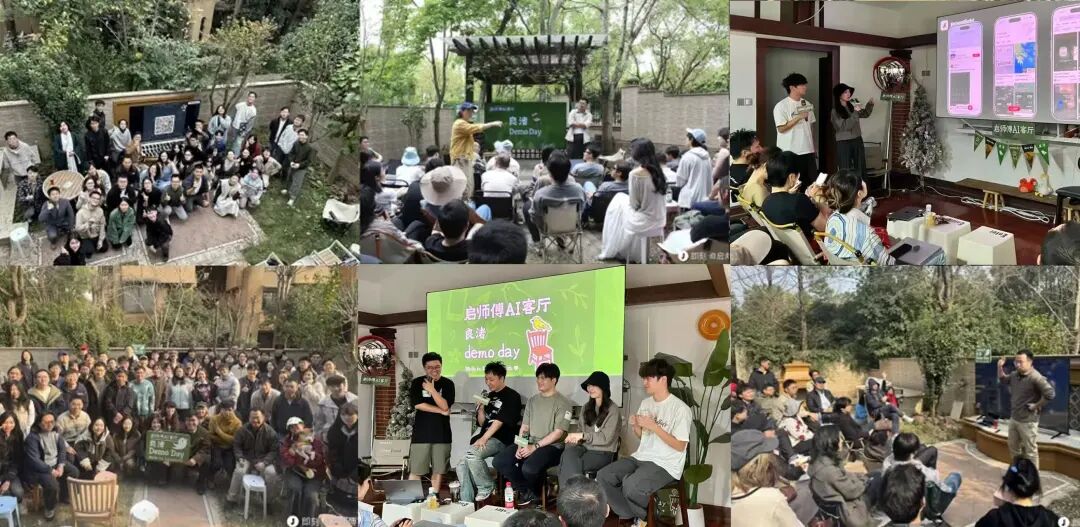
Core Insights - The article highlights the emergence of Hangzhou as a new hub for AI innovation, driven by the "Six Little Dragons" and the influence of Alibaba, marking a shift from an e-commerce narrative to an AI narrative by 2025 [3][4]. Group 1: The Rise of Hangzhou's AI Ecosystem - Hangzhou's "Six Little Dragons" represent six high-growth companies focusing on cutting-edge technologies such as robotics, AI, and game development, which have attracted talent from other regions [3][4]. - The city has become a magnet for entrepreneurs due to its favorable environment, including lower living costs and a supportive atmosphere for startups, allowing for a more focused entrepreneurial spirit [4][5]. - The local government has provided significant support to tech startups, including direct investments and resources for talent acquisition, which has fostered a nurturing environment for innovation [5][6]. Group 2: The Role of Local Culture and Community - The entrepreneurial culture in Hangzhou is characterized by a blend of idealism and realism, allowing for a unique ecosystem where startups can thrive despite high uncertainty [6][7]. - The "small town mechanism" in Hangzhou facilitates rapid information flow and community interaction, which is essential for innovation, contrasting with larger cities where resources are more dispersed [9][13]. - Hangzhou's small towns, such as the AI Town and Cloud Town, serve as incubators for startups, providing a compact environment that encourages collaboration and reduces operational costs [9][10]. Group 3: The Influence of Alibaba - Alibaba has played a crucial role in establishing the digital economy in Hangzhou, providing a foundation for talent and technological support that has enabled the rise of the "Six Little Dragons" [14][15]. - The presence of Alibaba has created a talent pool and a culture of innovation that attracts new startups, further enhancing Hangzhou's reputation as a tech hub [14][16]. - The city's ambition to become a "Silicon Valley" of China is reflected in its ongoing development of innovation clusters like "China Cloud Valley," which aims to drive the AI industry forward [15][17]. Group 4: Future Prospects and Challenges - Hangzhou's strategy of integrating small towns and larger innovation valleys aims to create a seamless flow of resources and ideas, positioning the city for future growth in the tech sector [18]. - Despite its rapid development, Hangzhou still faces challenges in original innovation capabilities and global influence compared to other major cities like Beijing and Shanghai [18]. - The city's vibrant ecosystem continues to evolve, with the potential to produce groundbreaking innovations that could reshape industries [18].