
iQOO15手机

Search documents
从一个家电卖场看国补新账(财经深一度)
Ren Min Ri Bao· 2026-02-02 13:31
Core Viewpoint - The new national subsidy policy for 2026 aims to stimulate consumer spending by focusing on energy-efficient and smart products, with a more targeted approach to financial resources [3][15]. Group 1: Policy Changes - The 2026 subsidy policy narrows its focus from 12 categories in 2025 to 6 key categories: televisions, refrigerators, water heaters, computers, washing machines, and air conditioners [3]. - The subsidy standard has been reduced from 20% to 15%, and the maximum subsidy per household appliance has decreased from 2000 yuan to 1500 yuan, emphasizing the efficient use of fiscal funds [3][15]. - New products like smart glasses have been included in the subsidy list, reflecting the government's responsiveness to emerging consumer demands [3]. Group 2: Implementation and Market Response - The Chongqing Municipal Commerce Committee quickly implemented the subsidy policy, with a well-prepared execution plan ready within hours of the official announcement [6]. - The initial response from consumers was strong, with a significant increase in foot traffic at stores like JD MALL, doubling the number of visitors [8]. - However, there were issues with the redemption rate of subsidy coupons, leading to a policy adjustment to allow for daily coupon claims instead of weekly [9][10]. Group 3: Financial Support and Consumer Behavior - Financial institutions have been proactive in addressing the cash flow pressures faced by retailers, introducing products like "National Subsidy Loans" to support businesses [12]. - The average transaction value at stores has increased by over 40% compared to 2024, indicating that consumers are opting for higher-quality products rather than just cheaper options [15]. - The new policy is seen as a driver for consumption upgrades, with a notable increase in sales of energy-efficient and smart products, reflecting a shift in consumer preferences towards quality [14][15]. Group 4: Future Outlook - The 2026 subsidy policy is expected to foster a more advanced, intelligent, and green domestic market, aligning with national goals for sustainable consumption [16].

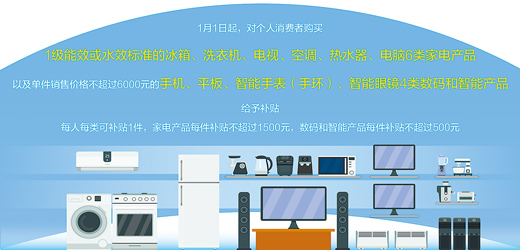
从一个家电卖场看国补新账
Ren Min Ri Bao· 2026-02-02 03:08
Core Viewpoint - The new national subsidy policy for 2026 aims to stimulate consumer spending by focusing on energy-efficient and smart products, with a more targeted approach to subsidies and a shift towards higher-quality goods [3][15]. Policy Changes - The 2026 subsidy policy has narrowed its focus from 12 categories in 2025 to 6 key categories: televisions, refrigerators, water heaters, computers, washing machines, and air conditioners [3]. - The subsidy standard has been reduced from 20% to 15%, and the maximum subsidy per item has decreased from 2000 yuan to 1500 yuan, indicating a shift towards more efficient use of fiscal funds [3][15]. - New categories such as smart glasses have been included in the subsidy program, reflecting the government's responsiveness to emerging consumer demands [3]. Implementation and Market Response - The Chongqing Municipal Commerce Committee quickly implemented the subsidy policy following its announcement, demonstrating effective coordination between government and businesses [5][6]. - Initial consumer interest was high, with a significant increase in foot traffic at retail locations, but there were issues with the redemption rate of subsidy vouchers [8][9]. - Adjustments to the voucher system were made to enhance liquidity and ensure that consumers could utilize their subsidies more effectively [10]. Consumer Behavior and Sales Trends - The introduction of the subsidy policy has led to a notable increase in sales of smart products, with sales in this category rising by over 85% since the policy's implementation [12][15]. - Consumers are increasingly prioritizing energy efficiency, as evidenced by a shift in purchasing behavior towards products with higher energy ratings [14]. - The average transaction value at retail locations has increased by over 40% compared to the previous year, indicating a trend towards purchasing higher-quality goods rather than just seeking discounts [15]. Financial Support and Policy Synergy - Financial institutions have collaborated with government bodies to provide support for businesses facing cash flow challenges due to the subsidy program, enhancing the overall effectiveness of the policy [11]. - New financial products, such as the "National Subsidy Loan," have been introduced to assist retailers in managing their operational costs during the subsidy rollout [11]. Market Outlook - The 2026 subsidy policy is expected to foster a more advanced, intelligent, and environmentally friendly domestic market, with a focus on quality and sustainability [16].
1月门店销售额环比增长超30% 其中智能产品销售额环比增长超85% 从一个家电卖场看国补新账(财经深一度)
Ren Min Ri Bao· 2026-02-01 21:58
Core Viewpoint - The new national subsidy policy for 2026 aims to stimulate consumer spending by focusing on energy-efficient and smart products, with a more targeted approach to financial support [3][15]. Policy Changes - The 2026 subsidy policy narrows the focus from 12 categories in 2025 to 6 key categories: televisions, refrigerators, water heaters, computers, washing machines, and air conditioners [3]. - The subsidy standard has been reduced from 20% to 15%, and the maximum subsidy per household appliance has decreased from 2000 yuan to 1500 yuan [3][15]. - The policy emphasizes support for first-level energy efficiency products, indicating a shift towards green and low-carbon products [3]. Market Response - The implementation of the subsidy policy has led to a significant increase in foot traffic at retail locations, with a doubling of visitors reported at the JD MALL Yangjiaqiao store [8]. - Sales of smart products, particularly smart glasses, have surged, with a reported 150% increase in sales for emerging categories since the policy's implementation [12][15]. - The average transaction value at retail locations has increased by over 40% compared to 2024, indicating a shift towards higher-quality purchases rather than just lower prices [15]. Operational Adjustments - Retailers have had to adapt quickly to the new subsidy rules, including system updates and staff training to ensure smooth operations [6][5]. - The Chongqing Municipal Commerce Committee has been proactive in addressing issues such as low coupon redemption rates, leading to adjustments in the rules to enhance consumer engagement [9][10]. Financial Support Mechanisms - Financial institutions are collaborating with local governments to provide support for businesses facing cash flow pressures due to the subsidy program, including the introduction of new financing products [11]. - The integration of financial services with subsidy programs is seen as crucial for maintaining stability and enhancing the effectiveness of the subsidy policy [11]. Consumer Behavior Trends - Consumers are increasingly prioritizing energy efficiency and quality in their purchasing decisions, reflecting a shift in market dynamics due to the new subsidy policy [14][15]. - The focus on high-quality, energy-efficient products is expected to contribute to the formation of a more advanced and sustainable domestic market [16].