
Legend Holdings(03396)

Search documents
智通港股通资金流向统计(T+2)|8月1日
智通财经网· 2025-07-31 23:32
Key Points - The top three companies with net inflows from southbound funds are Xiaomi Group-W (01810) with 1.665 billion, Tencent Holdings (00700) with 830 million, and Alibaba-W (09988) with 747 million [1] - The companies with the highest net outflows are Pop Mart (09992) with -354 million, China Life (02628) with -351 million, and Kingsoft Cloud (03896) with -300 million [1] - In terms of net inflow ratio, Qin Port Co. (03369) leads with 78.68%, followed by Reshaping Energy (02570) with 76.94%, and Cang Port Railway (02169) with 65.01% [1] - The companies with the highest net outflow ratios include Chongqing Rural Commercial Bank (03618) at -61.37%, Bank of China Aviation Leasing (02588) at -53.31%, and Swire Properties (01972) at -45.99% [1] Net Inflow Rankings - Xiaomi Group-W (01810) had a net inflow of 1.665 billion, representing a 12.37% increase [2] - Tencent Holdings (00700) saw a net inflow of 830 million, with an 8.94% increase [2] - Alibaba-W (09988) recorded a net inflow of 747 million, reflecting a 10.60% increase [2] - The highest net inflow was observed in CSPC Pharmaceutical Group (01093) with 654 million and a 21.81% increase [2] Net Outflow Rankings - Pop Mart (09992) experienced a net outflow of -354 million, with a -10.47% decrease [2] - China Life (02628) had a net outflow of -351 million, reflecting a -11.90% decrease [2] - Kingsoft Cloud (03896) recorded a net outflow of -300 million, with a -24.18% decrease [2] - Meituan-W (03690) also saw a significant outflow of -291 million, representing a -5.32% decrease [2] Net Inflow Ratio Rankings - Qin Port Co. (03369) leads with a net inflow ratio of 78.68% and a net inflow of 340,000 [3] - Reshaping Energy (02570) follows with a net inflow ratio of 76.94% and a net inflow of 10.53 million [3] - Cang Port Railway (02169) has a net inflow ratio of 65.01% with a net inflow of 4.3967 million [3] - Other notable companies include Meizhong Jiahe (02453) with a 61.71% net inflow ratio [3] Net Outflow Ratio Rankings - Chongqing Rural Commercial Bank (03618) has the highest net outflow ratio at -61.37% with a net outflow of -1.04 billion [3] - Bank of China Aviation Leasing (02588) follows with a net outflow ratio of -53.31% and a net outflow of -15.3728 million [3] - Swire Properties (01972) has a net outflow ratio of -45.99% with a net outflow of -29.4662 million [3]



A股异动丨拉卡拉跌逾6% 联想控股累计减持公司股份535.96万股
Ge Long Hui A P P· 2025-07-30 06:28
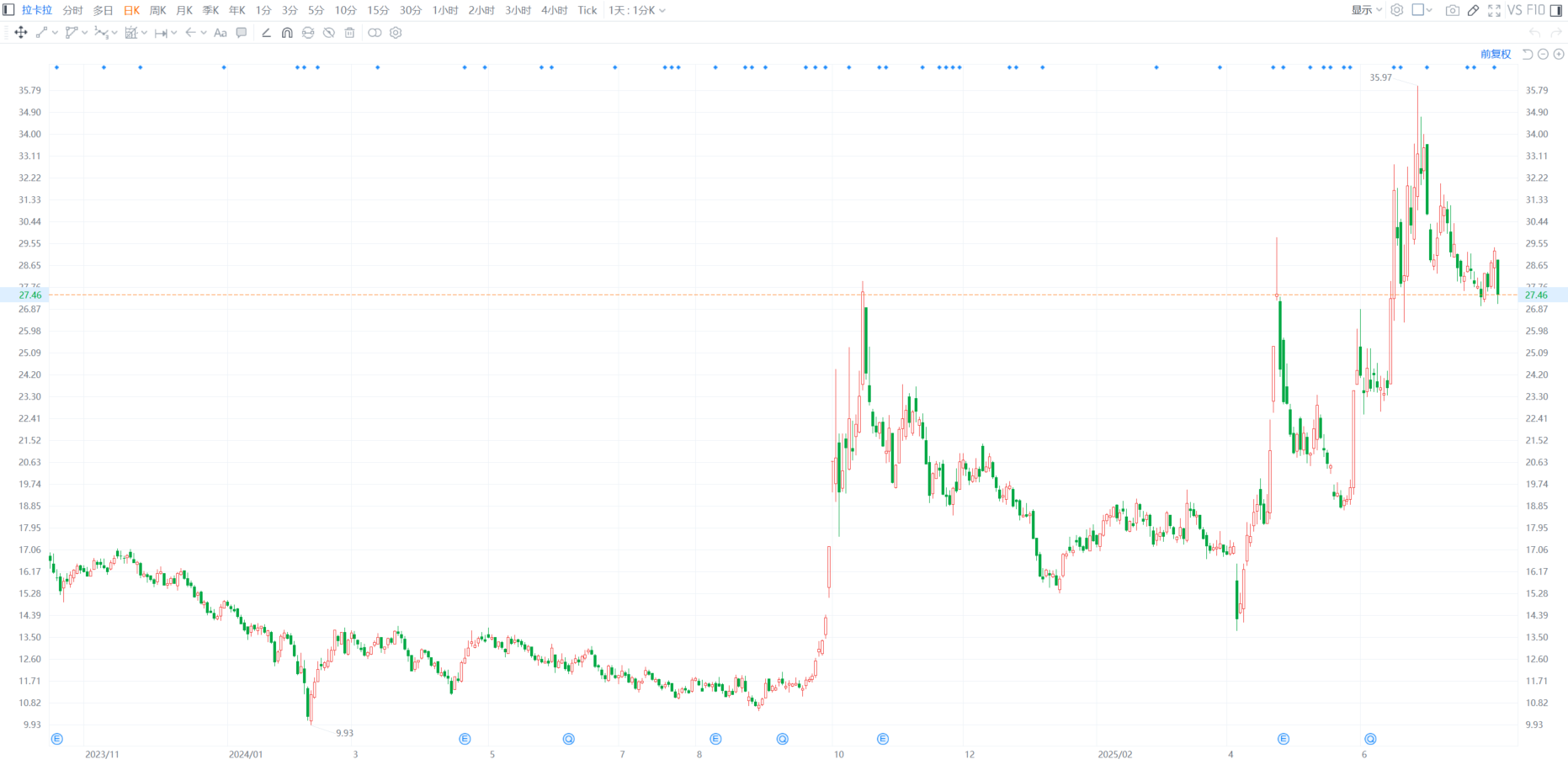
格隆汇7月30日|拉卡拉(300773.SZ)现跌6.12%报27.45元,暂成交16亿元,最新市值216亿元。拉卡拉公告称,公司持股5%以上股东联想控股于2025年7月23 日至7月25日期间,通过集中竞价和大宗交易方式累计减持公司股份535.96万股,权益比例由26.54%降至25.86%。本次减持计划与此前披露的减持计划一 致,不影响公司治理结构和持续经营,亦不会导致公司控制权变更。(格隆汇) ...

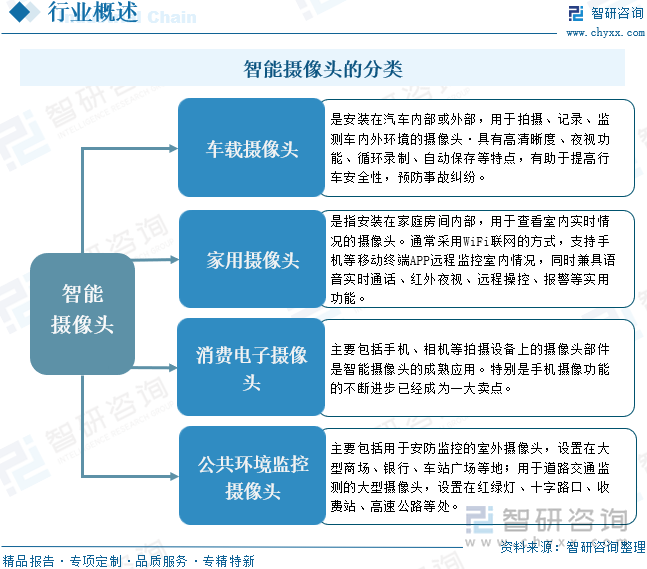
2025年中国智能摄像头行业相关政策、出货量、市场规模、厂商份额及未来前景展望:国产智能摄像头品牌强势崛起,一季度萤石出货量达420.3万台[图]
Chan Ye Xin Xi Wang· 2025-07-30 01:23
Industry Overview - The smart camera industry is experiencing explosive growth driven by the integration of optical imaging technology, artificial intelligence, IoT, and edge computing, transforming traditional cameras into intelligent devices capable of environmental perception and autonomous decision-making [1][17] - As of 2024, the market size of China's smart camera industry is projected to be approximately 112.52 billion yuan, with an expected increase to 128.72 billion yuan by 2025 [1][17] - The industry is characterized by rapid technological iteration and diverse application scenarios, with products evolving towards higher definition and intelligence [1][17] Policy Support - The Chinese government has implemented various policies to support the smart camera industry, including the promotion of smart manufacturing and the encouragement of consumer spending on smart home products [6][7] - Key policies include the "Implementation Opinions on Promoting Future Industry Innovation Development" and the "Notice on Expanding the Implementation of Large-Scale Equipment Updates and Consumer Goods Replacement Policies" [6][7] Market Dynamics - The global smart camera market is expected to see a shipment volume of 137 million units in 2024, reflecting a year-on-year growth of 7.7% [14] - In the first quarter of 2025, China's consumer-grade smart camera market shipped 12.08 million units, marking a 6.2% increase year-on-year [15] Competitive Landscape - Chinese brands dominate the global smart camera market, with four out of the top five brands being Chinese, including Hikvision, Xiaomi, Dahua, and TP-Link [19][21] - Hikvision led the global market with a shipment of 4.203 million units in the first quarter of 2025, achieving a year-on-year growth of 7.9% [19] Industry Trends - The industry is moving towards multi-modal integration, enhancing environmental perception through the combination of various sensory data [27] - Smart cameras are evolving from basic observation to advanced understanding capabilities, driven by deep learning technologies [28] - There is a trend towards customized solutions for specific vertical applications, such as industrial and medical uses, which enhances product value and creates technical barriers [29]




联想控股减持拉卡拉
2 1 Shi Ji Jing Ji Bao Dao· 2025-07-29 15:35
Core Viewpoint - Lenovo Holdings, a major shareholder of Lakala, plans to reduce its stake from 26.54% to 25.86% by selling 5.36 million shares between July 23 and July 25, 2025, without affecting the company's governance structure or control [1] Group 1: Shareholder Actions - Lenovo Holdings intends to reduce its stake by up to 3% of the total shares, with a maximum of 788.08 million shares through centralized bidding and 1.58 million shares through block trading [1] - Another significant shareholder, Sun Haoran, plans to conduct a "full liquidation" of his shares, aiming to sell up to 2.45% of the company's shares due to personal financial needs [2] Group 2: Financial Performance - Lakala's Q1 2025 report shows total revenue of 1.3 billion yuan, a decrease of 1.95 billion yuan or 13.02% year-on-year [2] - The net profit attributable to shareholders dropped to 101 million yuan, down 1.08 billion yuan or 51.71% compared to the same period last year [2] - The net cash inflow from operating activities was 16.73 million yuan, a decline of 314 million yuan or 94.95% year-on-year [2] Group 3: Business Development - Lakala is planning to issue H-shares and list on the Hong Kong Stock Exchange to enhance its international competitiveness and support its international development strategy [3] - The company is currently discussing the specifics of the H-share listing with relevant intermediaries, with the process subject to approval from various regulatory bodies [3]
联想控股减持拉卡拉
21世纪经济报道· 2025-07-29 15:32
Core Viewpoint - The article discusses the recent share reduction plans by major shareholders of Lakala, the company's financial performance, and its strategic moves towards internationalization and digital currency applications [1][2][3][4]. Group 1: Shareholder Actions - Lenovo Holdings, a major shareholder, reduced its stake in Lakala from 26.54% to 25.86% by selling 5.3596 million shares between July 23 and July 25, 2025, as part of a previously disclosed plan [1]. - Lenovo Holdings plans to further reduce its stake by up to 3% from July 23 to October 22, 2025, with a maximum of 788.08 million shares through open market transactions and 1,576.16 million shares through block trades [1]. - Another significant shareholder, Sun Haoran, plans to reduce his stake by up to 2.45% due to personal financial needs, with a reduction period from June 12 to September 11, 2025 [2]. Group 2: Financial Performance - Lakala's Q1 2025 financial report shows total revenue of 1.3 billion yuan, a decrease of 1.95 billion yuan or 13.02% year-on-year [2]. - The net profit attributable to shareholders was 101 million yuan, down 1.08 billion yuan or 51.71% compared to the same period last year [2]. - The net cash inflow from operating activities was 16.73 million yuan, a decline of 314 million yuan or 94.95% year-on-year [2]. Group 3: Strategic Developments - Lakala is actively monitoring the issuance and application of stablecoins, especially with the new stablecoin regulations in Hong Kong set to take effect on August 1 [3]. - The company is planning to issue H-shares and list on the Hong Kong Stock Exchange to enhance its international competitiveness and support its international development strategy [3][4]. - Discussions with intermediaries regarding the specifics of the H-share listing are ongoing, but the details are yet to be finalized and will require approval from various regulatory bodies [4].

拉卡拉:关于股东部分股份解除质押的公告

Zheng Quan Ri Bao· 2025-07-29 14:08
(文章来源:证券日报) 证券日报网讯 7月29日晚间,拉卡拉发布公告称,公司近日接到公司股东联想控股股份有限公司通知, 获悉其所持有公司的部分股份办理了解除质押登记手续,本次解除质押股份数量为15,860,000股。 ...
拉卡拉:联想控股近期减持公司股份535.96万股
Zheng Quan Shi Bao Wang· 2025-07-29 10:50
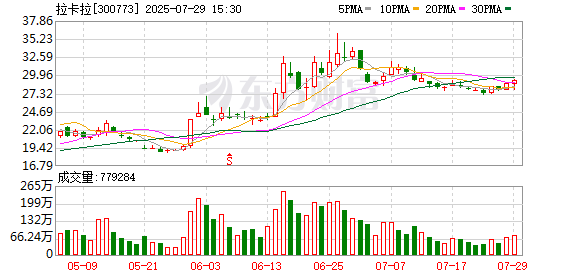
人民财讯7月29日电,拉卡拉(300773)7月29日晚间公告,联想控股股份有限公司(简称"联想控股")于 7月23日—7月25日期间通过集中竞价方式、大宗交易方式累计减持公司股份535.96万股。本次权益变动 后,联想控股权益比例由26.54%下降至25.86%,达到1%的整数倍。联想控股不是公司控股股东、实际 控制人,本次减持计划实施不会影响公司的治理结构和持续经营,亦不会导致公司控制权发生变更。 ...
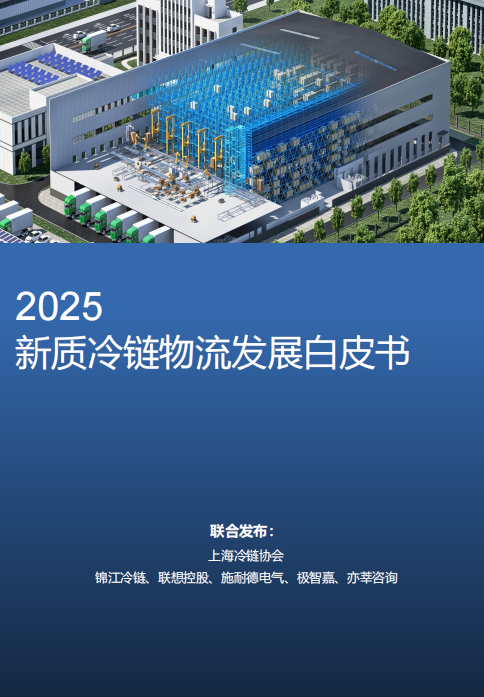
联想控股携手多方联合发布《新质冷链物流发展白皮书》,共促行业革新发展
Zhong Guo Jing Ji Wang· 2025-07-23 06:01
Core Insights - The cold chain logistics industry in China is undergoing a critical transformation and upgrade due to ongoing consumption upgrades and technological innovations [1][6] - A white paper titled "New Quality Cold Chain Logistics Development White Paper (2025)" has been released, providing forward-looking insights and development suggestions for the industry [1][6] Industry Challenges and Opportunities - The white paper identifies several challenges in the current cold chain logistics sector, including low operational efficiency, high operating costs, severe homogenization of competition, and traditional service models [6] - New quality cold chain logistics is characterized by intelligence, data-driven approaches, and full-chain collaboration, leveraging digital, intelligent, and green technologies for comprehensive upgrades and restructuring [6] - Shanghai is highlighted as a key area for the development of new quality cold chain logistics, benefiting from strong government support, high demand for consumption and industrial upgrades, accelerated application of digital technologies, and improving infrastructure [6] Strategic Recommendations - The white paper provides a detailed analysis of the development background, significance, and opportunities for new quality cold chain logistics, summarizing its overall framework, key technologies, application scenarios, and successful cases [6] - Specific strategies to promote the development of new quality cold chain logistics are proposed, focusing on technology research and development, standardization, policy support, pilot demonstrations, industry chain collaboration, and talent cultivation [6] Company Involvement - Lenovo Holdings, as an industrial investment holding company, is actively engaged in innovation within the cold chain logistics sector [7] - In May 2025, Lenovo Holdings reached a strategic cooperation framework with Jinjiang Online, aiming to collaborate on various aspects including large model application innovation, standardization system construction, intelligent system upgrades, and innovative model exploration [7] - The participation in the white paper research and release reflects Lenovo Holdings' deepening exploration in the cold chain logistics field, with plans to continue leveraging its strengths and collaborating closely with industry partners to promote the integration of cutting-edge technologies like AI into cold chain logistics [7]
东航物流:联想控股质押5200万公司股份
news flash· 2025-07-17 08:37
Group 1 - Eastern Airlines Logistics (601156) announced that its shareholder, Legend Holdings Corporation, holds 179 million shares, accounting for 11.29% of the company's total share capital [1] - As of the announcement date, Legend Holdings has pledged a total of 80.8 million shares, which represents 45.08% of its holdings and 5.09% of the company's total share capital [1] - The current pledge involves 52 million shares, making up 29.01% of its holdings and 3.28% of the company's total share capital, with the pledge starting on July 16, 2025, and expiring on July 16, 2027 [1] Group 2 - The pledge is secured by Industrial International Trust Co., Ltd., and the funds raised from the pledge will be used to repay interest-bearing liabilities [1]

拉卡拉业绩滑坡分红25亿超净利 赴港上市突围遭联想控股减持3%
Chang Jiang Shang Bao· 2025-07-03 23:34
Core Viewpoint - The major shareholder of Lakala, Legend Holdings, plans to reduce its stake by up to 3% amid the company's declining profits and ongoing efforts to list in Hong Kong [1][9]. Group 1: Shareholder Actions - Legend Holdings intends to sell up to 2.36 million shares, representing 3% of Lakala's total share capital, within three months starting from July 23 [4]. - The first major shareholder, Legend Holdings, currently holds 26.54% of Lakala's shares, which amounts to approximately 2.09 billion shares [4]. - The third-largest shareholder, Sun Haoran, announced plans to fully liquidate his 2.45% stake, indicating a trend of shareholder exits [1][6]. Group 2: Financial Performance - Lakala's net profit for the first quarter of this year dropped by approximately 52% to 101 million yuan, marking the lowest level since 2018 [2][11]. - The company has distributed a total of 2.5 billion yuan in cash dividends since its IPO, which exceeds its cumulative net profit of 2.3 billion yuan [12]. - In 2022, Lakala faced significant losses due to an external expenditure of 1.396 billion yuan, leading to a total loss of 1.437 billion yuan for the year [10]. Group 3: Market Position and Strategy - Lakala is planning to list in Hong Kong to enhance its international presence and adapt to changing market conditions, particularly in the cross-border payment sector [11][12]. - The company has shifted its focus to serving small and medium-sized enterprises in response to competition from major players like Alipay and WeChat [9][10]. - Since its IPO in 2019, Lakala's revenue has shown growth, but recent trends indicate a decline in profitability and market share [10][11].