
SINOHYTEC(688339)

Search documents
一图看懂 | 燃料电池概念股
市值风云· 2026-03-16 10:12
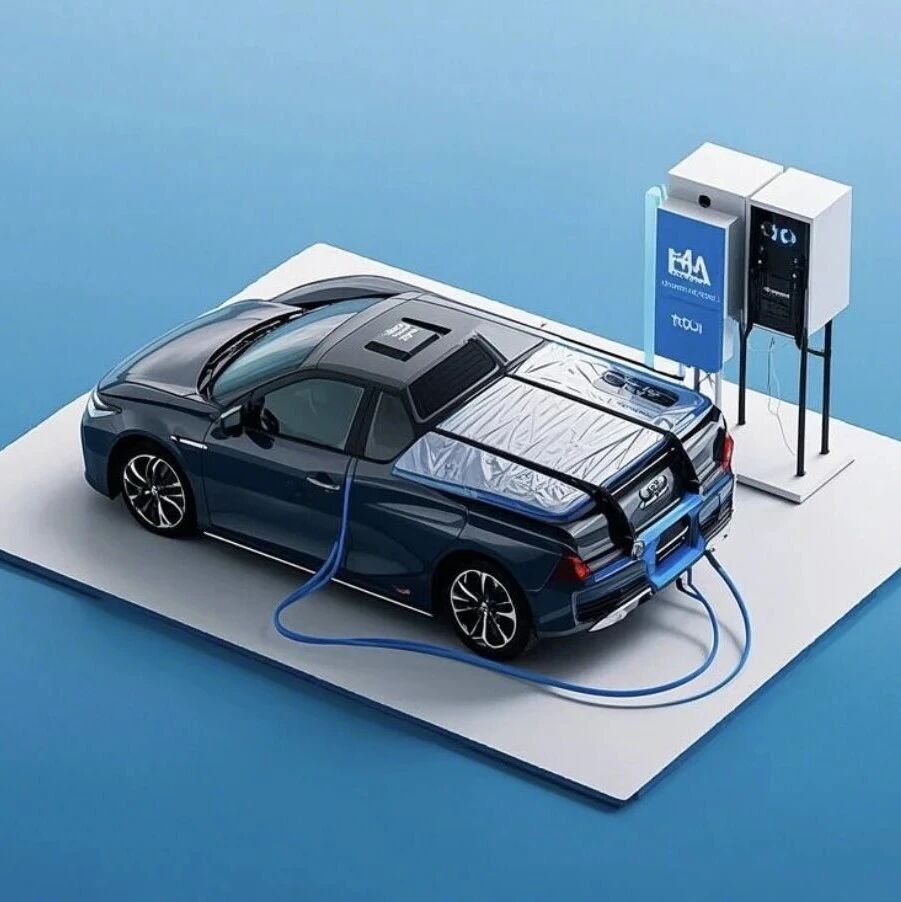
Core Insights - The article discusses the recent policy direction for hydrogen energy, emphasizing the goal of large-scale application in urban areas by 2030, with hydrogen prices expected to drop below 25 yuan per kilogram, and a target of doubling the number of fuel cell vehicles to 100,000 units [4]. Group 1: Latest Policy Direction - On March 16, three ministries released a notice on hydrogen energy comprehensive application pilot projects, aiming for significant advancements in technology innovation and industry chain upgrades to support green transformation [4]. Group 2: Key Materials and Components - Upstream key materials include catalysts from companies like 贵研铂业 and 中自科技, proton exchange membranes from 泛亚微透 and 百利科技, and membrane electrodes from 雄韬股份 and 威孚高科 [8]. - Upstream core components consist of air compressors from 汉钟精机 and 吴志机电, hydrogen circulation pumps from 德尔股份 and 腾龙股份, and thermal management systems from 银轮股份 and 腾龙股份 [8]. - Midstream system integration and testing involve fuel cell system integration by 亿华通 and 潍柴动力, along with testing equipment and technical services from 科威尔 and 中国汽研 [8].


下一个五年,中国汽车该往哪走?
汽车商业评论· 2026-03-07 23:06
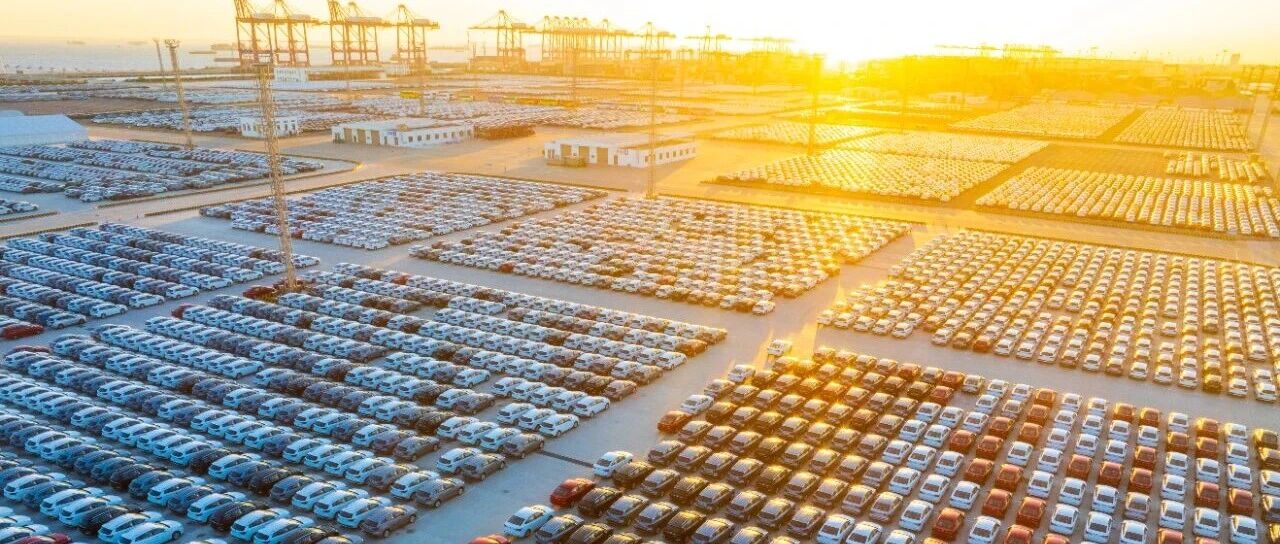
Core Viewpoint - The article emphasizes the significant advancements and future directions of China's automotive industry, particularly in the context of the government's strategic initiatives and the integration of new technologies such as artificial intelligence and smart driving [3][6][17]. Group 1: Government Report Highlights - The government report highlights that China's annual production of new energy vehicles has surpassed 16 million units, and the number of electric vehicle charging facilities has exceeded 20 million [3]. - The automotive industry has achieved a production and sales volume exceeding 34 million units, with exports ranking first globally for three consecutive years [3][6]. - The report outlines 20 key indicators, many of which are related to the automotive industry, emphasizing the importance of new production capabilities and the integration of emerging industries [3][6]. Group 2: Smart Driving and Regulations - Smart driving has emerged as a primary topic during the national two sessions, with a consensus on the need to improve legal frameworks and standards for high-level autonomous driving [10][15]. - The industry is transitioning from technology validation to large-scale commercial application, with L2-level driving assistance penetration expected to exceed 60% by 2025 [10][11]. - Suggestions include establishing a unified standard for autonomous vehicles and enhancing public understanding of the technology to facilitate its adoption [13][15]. Group 3: Artificial Intelligence Integration - The term "Artificial Intelligence+" is highlighted as a key focus, with the government aiming to integrate AI into various sectors, including manufacturing and smart driving [18][22]. - The core industry scale of AI is projected to exceed 1.2 trillion yuan, with over 6,200 companies involved [18][22]. - The emphasis is on optimizing product supply and deepening industry applications to unlock traditional and emerging market potentials [22][23]. Group 4: Energy System Diversification - The article discusses the need for a diversified energy supply system to support the growing demand for new energy vehicles, emphasizing the importance of establishing a standardized battery swapping system and promoting hydrogen energy [28][30]. - The development of hydrogen energy and methanol vehicles is highlighted as crucial for achieving energy security and reducing emissions [31][35]. - The establishment of a unified hydrogen refueling standard and infrastructure is recommended to enhance the efficiency and adoption of hydrogen fuel cell vehicles [31][34]. Group 5: Global Expansion and Quality Improvement - China's automotive exports reached 7.098 million units in 2025, marking a 21.1% increase year-on-year, with a focus on transitioning from quantity to quality in exports [52][55]. - The need for standardization and compliance in international markets is emphasized, with suggestions for building a common database for overseas market regulations to assist companies in navigating complex environments [56][57]. - The article advocates for collaborative efforts among automotive brands to enhance competitiveness in global markets [58]. Group 6: Talent Development and Supply Chain Security - The article stresses the importance of securing the supply chain and cultivating high-quality talent to support the automotive industry's transition to high-quality development [60][64]. - Recommendations include establishing innovation alliances among state-owned enterprises and educational institutions to address the challenges of talent shortages and technological independence [61][63]. - The need for a new educational framework to develop interdisciplinary talent in the automotive sector is highlighted, with suggestions for integrating practical training with academic education [65]. Group 7: Social Responsibility and Accessibility - The automotive industry is urged to focus on social responsibilities, particularly in enhancing accessibility for the elderly and rural consumers [67][69]. - Suggestions include improving charging infrastructure in rural areas and developing a "silver-friendly" travel ecosystem to accommodate the aging population [68][69]. - The article also discusses the need for a comprehensive approach to enhance the availability of accessible transportation services, including the establishment of standards for barrier-free taxis [73].




全国人大代表张国强:建议强化氢能高速示范顶层设计
第一财经· 2026-03-06 13:30
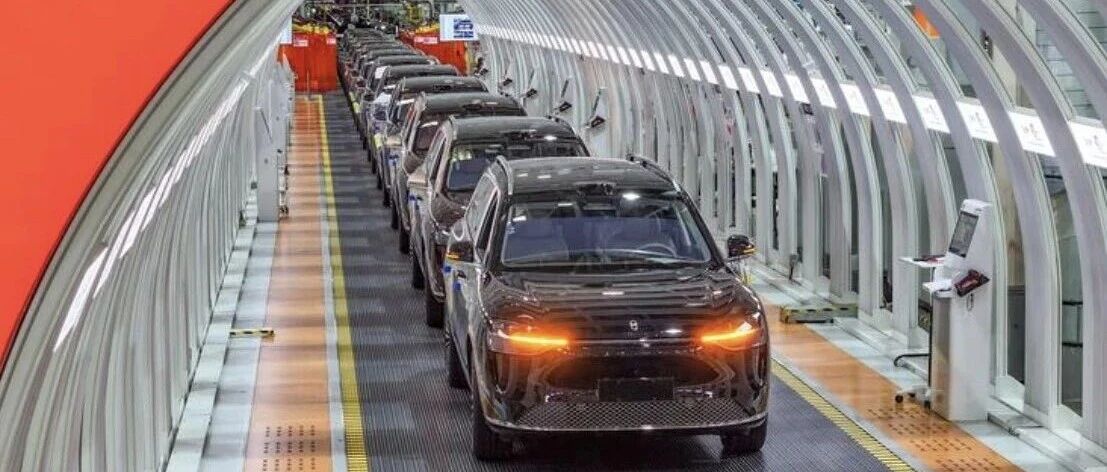
Core Viewpoint - The article discusses the significant focus on hydrogen energy development during the recent Two Sessions, highlighting the establishment of a national low-carbon transition fund to foster new growth points such as hydrogen energy and green fuels [3]. Group 1: Hydrogen Fuel Cell Vehicles - Hydrogen fuel cell vehicles are a crucial application in the hydrogen energy industry, with their development being closely monitored [3]. - The current ownership of fuel cell vehicles in China is lagging behind the targets set in the "Hydrogen Energy Industry Development Medium and Long-term Plan (2021-2035)," with an expected ownership of approximately 31,300 vehicles by 2025, primarily consisting of trucks [4]. - Trucks dominate the market due to their energy replenishment advantages and economic viability, as well as fixed driving routes that lower the costs of hydrogen station construction [4]. Group 2: Policy Support and Economic Impact - Since 2024, several regions, including Shandong and Sichuan, have implemented policies to reduce highway tolls for fuel cell vehicles, which have proven to significantly lower operational costs [4]. - For instance, a 49-ton heavy truck in Henan can reduce its transportation costs by about 20% if all highway tolls are waived, potentially saving around 200,000 yuan annually, making it more economical than fuel oil vehicles [4]. - The number of hydrogen trucks in Henan has increased by approximately 72% since the implementation of the toll exemption policy in 2025 [4]. Group 3: Infrastructure and Strategic Recommendations - Current hydrogen energy highway demonstrations are limited in scope, often confined to specific regions, lacking a cross-regional collaborative mechanism, which hampers the scale development of fuel cell vehicles [5]. - Recommendations include strengthening the top-level design for national hydrogen energy highway demonstrations, establishing a dedicated management body to plan nationwide hydrogen energy routes and supply [5]. - It is suggested to enhance support for hydrogen energy highways at the national level, including policies for toll exemptions and subsidies for vehicle purchases and hydrogen stations, to accelerate the implementation of hydrogen energy demonstrations [5].
2026全国两会 | 8位代表建言氢能发展
势银能链· 2026-03-05 03:03
Core Viewpoint - The article emphasizes the importance of hydrogen energy in achieving China's dual carbon goals, highlighting various proposals from representatives at the National People's Congress aimed at promoting the development of the hydrogen industry and establishing a modern energy system [2]. Group 1: Policy and Regulatory Suggestions - GAC Group's Chairman Feng Xingya suggests accelerating the establishment of a 70MPa hydrogen refueling standard and regulatory framework to support the hydrogen fuel cell vehicle industry [3]. - Qiu Jihua, Vice President of Chaozhou Sanhuan, recommends that industry authorities provide special support for the development of key technologies related to megawatt-level solid oxide fuel cells (SOFC) and their coupling with heat pump systems [4]. - Zhang Guoqiang, Chairman of Yihua Tong, proposes a national-level hydrogen highway initiative, including the establishment of hydrogen refueling stations and the reduction of hydrogen refueling costs [5]. Group 2: Industry Development and Technological Innovation - Zhong Baoshan, Chairman of Longi Green Energy, calls for the implementation of dual measures of "carbon control + subsidies" to promote the use of green hydrogen in various sectors, and to simplify project approval processes [6]. - Xue Jiping, Chairman of Zhongtian Technology Group, advocates for the inclusion of the Rudong hydrogen energy base in national and regional hydrogen development plans to enhance collaborative development in the Yangtze River Delta [7]. - Jiang Li, Chairman of Nanjing Tianga Environment, suggests prioritizing integrated green hydrogen and ammonia projects in the 14th Five-Year Plan and supporting the establishment of a certification system for green hydrogen derivatives [8]. Group 3: Market and Infrastructure Development - Zhang Tianren, Chairman of Tianneng Holdings, emphasizes the need for policy support to accelerate the commercialization of hydrogen energy storage and hydrogen-powered drones, highlighting the importance of a robust innovation and infrastructure framework [9]. - Li Wenhui from State Power Investment Corporation suggests fostering a domestic green market and establishing a comprehensive carbon trading market to facilitate the value transmission of green hydrogen products [10].




亿华通(688339) - 亿华通H股公告-截至二零二六年二月二十八日止股份发行人的证券变动月报表
2026-03-04 13:45
FF301 股份發行人及根據《上市規則》第十九B章上市的香港預託證券發行人的證券變動月報表 截至月份: 2026年2月28日 狀態: 新提交 致:香港交易及結算所有限公司 公司名稱: 北京億華通科技股份有限公司(「本公司」) 呈交日期: 2026年3月4日 I. 法定/註冊股本變動 | 1. 股份分類 | 普通股 | 股份類別 | A | | 於香港聯交所上市 (註1) | | 否 | | | --- | --- | --- | --- | --- | --- | --- | --- | --- | | 證券代號 (如上市) | 688339 | 說明 | | 於上海證券交易所科創板上市 | | | | | | | | 法定/註冊股份數目 | | 面值 | | | 法定/註冊股本 | | | 上月底結存 | | | 195,787,119 | RMB | | 1 RMB | | 195,787,119 | | 增加 / 減少 (-) | | | | | | RMB | | | | 本月底結存 | | | 195,787,119 | RMB | | 1 RMB | | 195,787,119 | | 2. 股份 ...
亿华通(02402) - 截至二零二六年二月二十八日止股份发行人的证券变动月报表
2026-03-04 08:33
FF301 股份發行人及根據《上市規則》第十九B章上市的香港預託證券發行人的證券變動月報表 截至月份: 2026年2月28日 狀態: 新提交 致:香港交易及結算所有限公司 公司名稱: 北京億華通科技股份有限公司(「本公司」) 呈交日期: 2026年3月4日 I. 法定/註冊股本變動 | 1. 股份分類 | 普通股 | 股份類別 | A | | 於香港聯交所上市 (註1) | | 否 | | | --- | --- | --- | --- | --- | --- | --- | --- | --- | | 證券代號 (如上市) | 688339 | 說明 | | 於上海證券交易所科創板上市 | | | | | | | | 法定/註冊股份數目 | | 面值 | | | 法定/註冊股本 | | | 上月底結存 | | | 195,787,119 | RMB | | 1 RMB | | 195,787,119 | | 增加 / 減少 (-) | | | | | | RMB | | | | 本月底結存 | | | 195,787,119 | RMB | | 1 RMB | | 195,787,119 | | 2. 股份 ...
亿华通(688339.SH):2025年度净亏损6.28亿元
Ge Long Hui A P P· 2026-02-27 13:35
Group 1 - The company reported a revenue of 262.13 million yuan for the fiscal year 2025, representing a year-on-year decline of 28.51% [1] - The net profit attributable to the parent company was -628.29 million yuan, a decrease of 37.65% year-on-year [1] - The net profit attributable to the parent company after deducting non-recurring gains and losses was -685.88 million yuan, down 26.37% year-on-year [1] Group 2 - The hydrogen fuel cell industry is still in the early stages of commercialization, with increasing market competition leading to sustained pressure on product prices [1] - Due to cash flow pressures, the company adopted a cautious market expansion strategy, resulting in a year-on-year decline in fuel cell system sales [1] - Overall profitability of the company has been affected by these market conditions [1]
亿华通2025年归母净亏损约6.28亿元,同比增长37.65%
Zhi Tong Cai Jing· 2026-02-27 13:08
Core Viewpoint - Yihuatong (02402) reported a significant decline in revenue and an increase in net losses for the fiscal year 2025, indicating challenges in its operational performance and market conditions [1] Financial Performance - Total revenue for the year was approximately 262 million yuan, representing a year-on-year decrease of 28.51% [1] - The net loss attributable to the parent company was around 628 million yuan, which is a year-on-year increase of 37.65% [1] - Basic loss per share was reported at 2.71 yuan [1] Contributing Factors - The increase in losses was primarily due to the company's cautious market strategy in response to cash flow pressures, leading to a decline in fuel cell system sales [1] - The company recognized an increase in credit impairment losses and asset impairment losses based on accounting prudence principles compared to the previous year [1] - Investment losses from joint ventures increased year-on-year, influenced by market conditions and the operational status of associated companies [1]
亿华通(02402.HK)2025年度净亏损6.28亿元
Ge Long Hui· 2026-02-27 13:03
Core Viewpoint - Yihua Tong (02402.HK) reported a significant decline in revenue and increased net losses for the fiscal year 2025 compared to the previous year [1] Financial Performance - The company achieved operating revenue of RMB 262.13 million, representing a year-on-year decrease of 28.51% [1] - The net loss attributable to the parent company's shareholders was RMB 628 million, compared to RMB 456 million in the same period last year [1] - The net loss attributable to the parent company, excluding non-recurring gains and losses, was RMB 686 million, up from RMB 543 million in the previous year [1]
亿华通(02402)2025年归母净亏损约6.28亿元,同比增长37.65%
智通财经网· 2026-02-27 13:00
Core Viewpoint - Yihuatong (02402) reported a significant decline in revenue and an increase in net losses for the fiscal year 2025, indicating challenges in its operational performance and market conditions [1] Financial Performance - Total revenue for the year was approximately 262 million yuan, representing a year-on-year decrease of 28.51% [1] - Net loss attributable to shareholders was around 628 million yuan, which is a year-on-year increase of 37.65% [1] - Basic loss per share was reported at 2.71 yuan [1] Contributing Factors - The increase in losses is primarily attributed to several factors: - The company adopted a cautious market strategy due to cash flow pressures, leading to a decline in fuel cell system sales [1] - The company increased provisions for credit impairment losses and asset impairment losses based on accounting prudence, which expanded year-on-year [1] - Investment losses from joint ventures increased year-on-year due to market conditions and the operational status of associated companies [1]