AbbVie(ABBV)

Search documents
2 Top Dividend Stocks to Buy Now and Hold For a Decade
The Motley Fool· 2025-12-02 12:44
Core Viewpoint - Dividend investing remains a popular strategy, with companies like Pfizer and AbbVie presenting attractive opportunities for income-oriented investors due to their robust business models and consistent dividend payouts [2]. Pfizer - Pfizer's financial performance has been inconsistent, leading to underperformance compared to the broader market, but the company is actively working to improve its situation through acquisitions and licensing deals [3][6]. - The company is launching seven phase 3 studies for its investigational cancer drug PF-4044, with plans for at least ten more by the end of 2026, indicating strong aspirations for this product [4]. - Pfizer has a market capitalization of $144 billion, a gross margin of 69.12%, and a dividend yield of 6.81%, having increased its dividend payouts by 51.3% over the past decade [5][6][7]. AbbVie - AbbVie has a diverse product portfolio and has successfully managed the patent cliff of its former best-selling drug, Humira, which lost U.S. patent exclusivity in 2023, resulting in a 9.1% year-over-year revenue increase to $15.8 billion in Q3 [8]. - Key growth drivers for AbbVie include Skyrizi and Rinvoq, with agreements in place to prevent generic competition for Rinvoq until 2037, ensuring continued revenue growth [9][11]. - AbbVie has a market capitalization of $398 billion, a gross margin of 69.68%, and a dividend yield of 2.91%, being part of the exclusive group of Dividend Kings with a 54-year streak of increasing dividends [10][12].



If You Invested $10K In AbbVie Stock 10 Years Ago, How Much Would You Have Now?
Yahoo Finance· 2025-12-01 13:01
Benzinga and Yahoo Finance LLC may earn commission or revenue on some items through the links below. AbbVie Inc. (NYSE:ABBV) engages in the research and development, manufacture, and sale of medicines and therapies worldwide. It is set to report its Q4 2025 earnings on Jan. 30. Wall Street analysts expect the company to post EPS of $3.36, up from $2.16 in the prior-year period. According to Benzinga Pro, quarterly revenue is expected to reach $16.39 billion, up from $15.10 billion a year earlier. Don't Mi ...
AbbVie: Increased Outlook For 2025 And Expansions Merit "Strong Buy" Rating (NYSE:ABBV)
Seeking Alpha· 2025-12-01 10:55
Group 1 - The article discusses AbbVie (ABBV) and its strong buy potential due to Rinvoq expansions and the addition of its immunology pipeline [2] - The author, Terry Chrisomalis, has extensive experience in the biotech sector and provides in-depth analysis through the Biotech Analysis Central service [2] - The Biotech Analysis Central service includes a library of over 600 biotech investing articles and a model portfolio of more than 10 small and mid-cap stocks [2] Group 2 - The article does not contain any stock or derivative positions in the companies mentioned, nor does it plan to initiate any positions in the near future [3] - The article expresses the author's opinions and is not compensated beyond the Seeking Alpha platform [3] - Seeking Alpha clarifies that past performance does not guarantee future results and that the views expressed may not reflect the platform's overall stance [4]

AbbVie: Increased Outlook For 2025 And Expansions Merit Continued "Strong Buy" Rating
Seeking Alpha· 2025-12-01 10:55
Core Insights - The article discusses AbbVie (ABBV) and highlights its strong buy potential due to the expansion of Rinvoq and the addition of its immunology pipeline [2]. Company Overview - AbbVie is positioned favorably in the biotech sector, with a focus on long-term value generation through its healthcare investments [2]. Analyst Background - The author, Terry Chrisomalis, has extensive experience in the biotech sector and runs the Biotech Analysis Central service, which provides in-depth analysis and a model portfolio of small and mid-cap stocks [2].
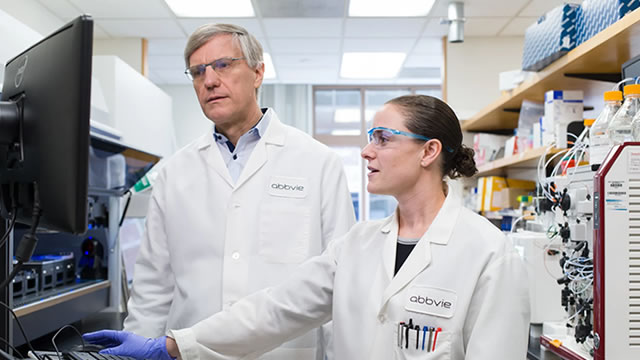
AbbVie to Present Phase 3 ECLIPSE Data Demonstrating Atogepant (AQUIPTA®) Superiority Over Placebo in Achieving Pain Freedom for the Acute Treatment of Migraine at the 19th European Headache Congress
Prnewswire· 2025-12-01 09:00
Core Insights - AbbVie announced positive primary results from the Phase 3 ECLIPSE study, showing atogepant's superiority over placebo in treating acute migraine in adults [1][2] - The study demonstrated significant efficacy in achieving pain freedom and alleviating the most bothersome migraine symptoms within two hours of treatment [2][3] Study Results - Atogepant achieved pain freedom in 24.3% of patients compared to 13.1% for placebo, with an odds ratio of 2.36 and a p-value of less than 0.0001 [2] - The study met its primary endpoint and 12 out of 16 key secondary endpoints, including freedom from the most bothersome symptom at two hours post-treatment [2][5] Safety Profile - The safety profile of atogepant during the 24-week treatment period was consistent with previous studies, with no new safety signals identified [3] - Common treatment-emergent adverse events included nasopharyngitis (4.6%) and upper respiratory tract infection (2.3%) [3] Migraine Impact - Migraine affects approximately 14% of the global population, with a higher incidence in women, particularly those aged 25 to 55 [4] - The socioeconomic burden of migraine is significant, contributing to GDP losses of 1.2% to 2.0% in Europe, with women facing greater productivity losses in unpaid work [4] ECLIPSE Study Details - The ECLIPSE study was a 24-week, multicenter, randomized, double-blind, placebo-controlled trial involving 1,223 adult subjects diagnosed with migraine [5][6] - The study was conducted across 149 sites in various countries, including Europe, Japan, and South Korea [6][7] Atogepant Overview - Atogepant is a once-daily orally administered CGRP receptor antagonist developed for the acute treatment of migraine in adults [9] - It is already approved for migraine prophylaxis in over 60 countries and marketed as AQUIPTA in the EU and QULIPTA in the U.S. [9]
3 High-Yielding Dividend Growth Stocks That Can Generate Passive Income for Your Portfolio for Years
The Motley Fool· 2025-11-29 20:30
Core Viewpoint - The article highlights three dividend-paying stocks—AbbVie, Home Depot, and ExxonMobil—that have consistently raised their dividends for over a decade, offering yields significantly higher than the S&P 500 average, making them attractive long-term investments. AbbVie - AbbVie currently offers a dividend yield of approximately 2.9%, which is more than double the S&P 500 average of 1.2% [3] - The company has a history of over 50 consecutive years of dividend increases, qualifying it as a Dividend King [3][4] - AbbVie recently raised its dividend by 5.5%, and since its spin-off from Abbott Laboratories, it has increased quarterly dividends by over 330% [4] - For the first nine months of the year, AbbVie reported an 8% increase in sales, totaling $44.5 billion, with Skyrizi and Rinvoq generating $18.5 billion, surpassing Humira's current quarterly sales of $3.3 billion [6][7] Home Depot - Home Depot has raised its dividend for 16 consecutive years, with a more than 50% increase since 2020, currently yielding 2.7% [8] - Despite facing challenges due to decreased discretionary spending, the company anticipates a 3% sales growth for the current fiscal year [9] - Home Depot's shares have declined by 13% this year, but the company is expected to recover in the long term due to its strong position in the home repair market [12] ExxonMobil - ExxonMobil offers the highest yield among the three at 3.5%, with a history of 43 consecutive years of annual dividend growth at an average rate of 5.8% [13][14] - The company has faced earnings volatility, with a decline of $3.7 billion to $22.3 billion this year, but it maintains strong financial health, with earnings per share of $5.16 exceeding its annual dividend payout of $4.12 [14][16] - ExxonMobil's stock has increased by 8% this year and is trading at an estimated 16 times its future earnings, presenting a good value for income investors [16]


Best Dividend Aristocrats For December 2025
Seeking Alpha· 2025-11-29 13:02
Core Insights - The article discusses the author's background in analytics and accounting, highlighting over 10 years of experience in the investment sector, progressing from an analyst to a management role [1]. Group 1 - The author holds a master's degree in Analytics from Northwestern University and a bachelor's degree in Accounting [1]. - The author has a personal interest in dividend investing and aims to share insights with the Seeking Alpha community [1]. Group 2 - The author has disclosed a beneficial long position in several companies, including ABBV, ADP, CTAS, FDS, HRL, JNJ, LOW, NEE, O, PEP, TROW, and WST, through various financial instruments [2]. - The article expresses the author's personal opinions and does not involve compensation from any mentioned companies [2].




3 Highest-Yielding Dividend Kings To Buy, Hold, and Forget
Yahoo Finance· 2025-11-29 00:00
Core Viewpoint - The article discusses the concept of "buy-and-forget" dividend stocks, emphasizing that while this strategy is not without challenges, it is feasible for long-term investors. It highlights the importance of selecting stocks from the Dividend Kings list, which includes companies with a long history of increasing dividends [2][3]. Group 1: Investment Strategy - The "buy-and-forget" approach involves holding onto core dividend stocks indefinitely, regardless of market fluctuations [2]. - Dividend Kings are defined as companies that have consistently paid and increased dividends for over 50 years, making them suitable for long-term investment [2]. Group 2: Stock Selection Criteria - The selection process utilized filters such as: - Investing Ideas: Dividend Kings - Current Analyst Rating: 4 to 5, indicating positive consensus from analysts [3]. - Number of Analysts: 20 or more for reliable consensus [3]. - Market Cap: Large to Mega for safety [3]. - 60-Month Beta: 0 to 1 for stability [3]. - 5-YR Percent Change: 20% and above for capital appreciation potential [3]. Group 3: AbbVie Inc (ABBV) - AbbVie focuses on developing drugs for cancer and immune system disorders, with a stock price around $227 and a 112% gain over the past 5 years [6]. - The company has a 60-month beta of 0.50, indicating relative stability [6]. - AbbVie pays a forward dividend of $6.56, with a quarterly payout of $1.64 per share, resulting in a 2.9% forward yield and a dividend payout ratio of 68.08% [7]. - Recent financials show an annual revenue increase of 3.7% to $56.33 billion, while net income declined by 12% to $4.27 billion, attributed to rising R&D expenses [7].
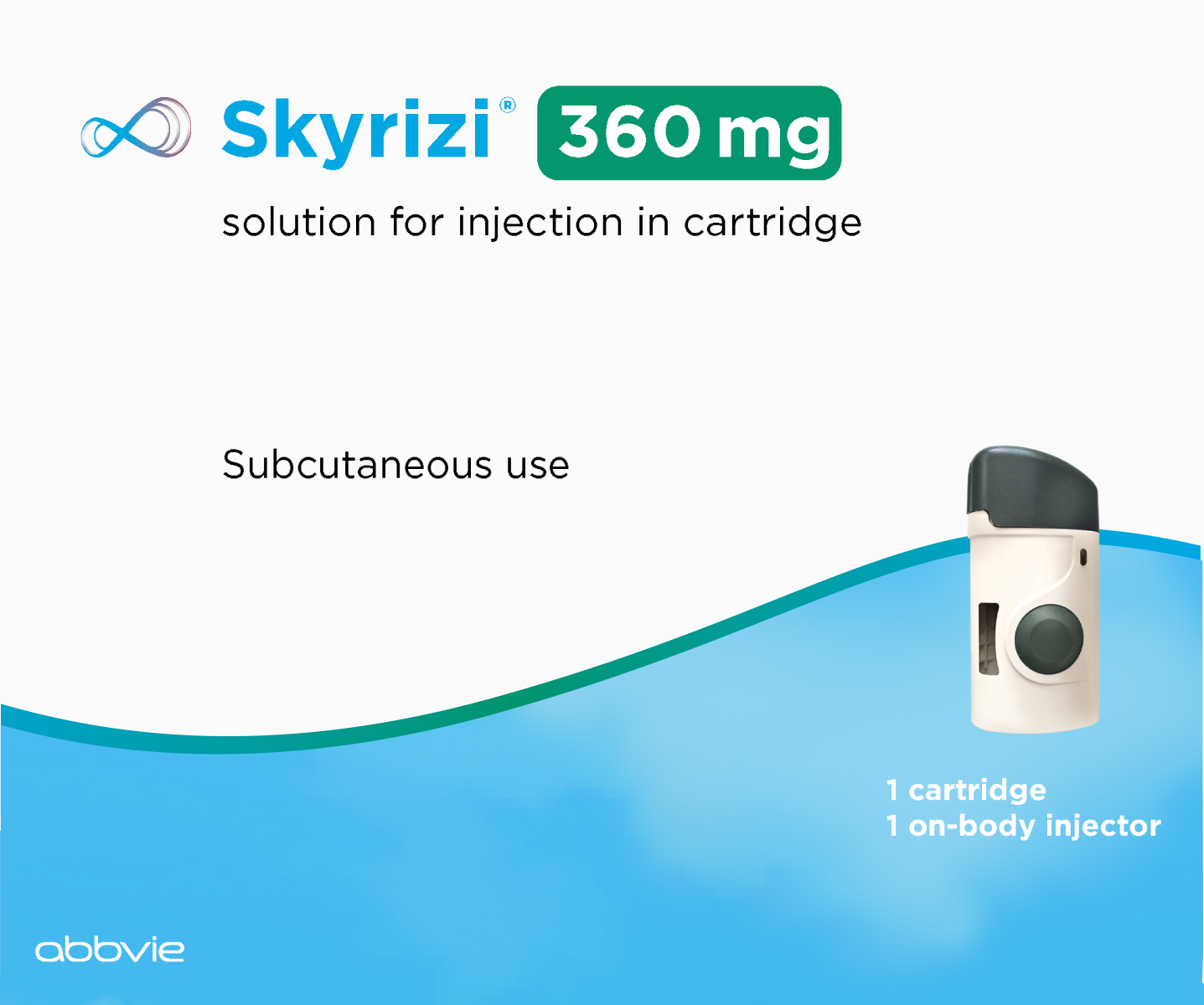
SKYRIZI® (risankizumab) Receives Positive Reimbursement Recommendation by Canada’s Drug Agency for Ulcerative Colitis and AbbVie Concludes Letter of Intent with the pan-Canadian Pharmaceutical Alliance
Globenewswire· 2025-11-28 12:01
Core Insights - AbbVie has announced two positive updates for Canadians living with ulcerative colitis (UC) [1] - Canada's Drug Agency (CDA-AMC) has recommended SKYRIZI (risankizumab) for reimbursement under specific conditions for adults with moderately to severely active UC [2][3] - AbbVie has completed negotiations with the pan-Canadian Pharmaceutical Alliance (pCPA) regarding SKYRIZI for UC, resulting in a signed Letter of Intent (LOI) [3][5] Summary by Sections Treatment Recommendations - The CDA-AMC's recommendation for SKYRIZI is based on feedback from 25 Canadian clinicians and two patient organizations, ensuring patient perspectives were included [3] - SKYRIZI is indicated for adults with UC who have had inadequate responses to conventional therapies, biologic treatments, or Janus kinase (JAK) inhibitors [8] Clinical Evidence - The positive recommendations for SKYRIZI were supported by evidence from pivotal phase 3 clinical trials, including MOTIVATE, ADVANCE, FORTIFY (for Crohn's disease), and INSPIRE, COMMAND (for UC) [5] Patient Impact - The introduction of SKYRIZI is seen as a significant step towards providing effective treatment options for UC patients, which can help improve their quality of life and long-term health outcomes [5][6] - Approximately 120,000 Canadians are estimated to live with UC, highlighting the need for effective treatment options [7] Company Commitment - AbbVie expresses commitment to improving patient access to innovative medicines for inflammatory bowel disease through collaboration with health authorities [6]
8 Dividend Stocks Every Investor Should Consider
The Motley Fool· 2025-11-28 10:30
Core Viewpoint - The article highlights eight dividend stocks that cater to various investment styles, emphasizing the importance of balancing current income with long-term growth in a diversified dividend strategy [1][2]. Group 1: Stock Summaries - **American Express (AXP)**: Operates a closed-loop payments network with a yield of 0.87% and a payout ratio of 16%, indicating significant potential for dividend growth due to its affluent customer base and strong pricing power [3][4]. - **JPMorgan Chase (JPM)**: The largest U.S. bank by assets, offering a 2% yield and a 28% payout ratio, making it a solid choice for investors seeking both income and capital appreciation [5]. - **Costco (COST)**: Generates profit primarily from membership fees, with a low yield of 0.5% but a 27% payout ratio and a history of substantial special dividends, showcasing its commitment to shareholder returns [6][7]. - **S&P Global (SPGI)**: Provides essential financial market services with a yield of 0.8% and a 28% payout ratio, boasting a 52-year history of dividend increases, reflecting its strong market position [9]. - **AbbVie (ABBV)**: A biopharmaceutical company with a 3% yield and a remarkable 53 consecutive years of dividend increases, supported by a robust pipeline and strategic acquisitions [10]. - **Pfizer (PFE)**: A major pharmaceutical company with a high yield of 6.7% but a payout ratio near 98%, appealing to income-focused investors despite earnings volatility risks [11]. - **Philip Morris International (PM)**: Offers a 3.8% yield with a payout ratio of nearly 78%, focusing on smoke-free products to differentiate itself and provide growth opportunities [12][13]. - **Nvidia (NVDA)**: A technology company with a minimal yield of 0.02% but a low payout ratio of 1%, indicating strong potential for future dividend growth driven by substantial free cash flow [15].