GM(GM)

Search documents
TechCrunch Mobility: Toyota makes a $1.5B bet on the startup ecosystem
Yahoo Finance· 2025-10-05 16:03
Group 1: EV Sales Performance - The expiration of the $7,500 federal tax credit led to a surge in EV sales as consumers rushed to purchase vehicles before the deadline [2] - Tesla achieved its best quarter ever with 497,099 vehicle deliveries, marking a 29% increase from the previous quarter and a 7% increase year-over-year [2] - Other automakers like Ford, General Motors, and Hyundai also reported record quarterly EV sales, while Rivian's deliveries increased to 13,201 vehicles, up from 10,661 in the second quarter [3] Group 2: Future Sales Outlook - There is uncertainty regarding how automakers will manage potential declines in EV sales following the tax credit expiration, with Rivian already lowering its guidance for 2025 [3] - Automakers face challenges in managing inventory as new 2026 models arrive, aiming to maintain profit margins without incurring deeper losses [4] Group 3: Clean Energy Project Cancellations - The Department of Energy canceled 321 clean energy projects, totaling $7.56 billion in lost grants, with California losing the most at $2.2 billion [6] - Other states like Colorado, Illinois, Massachusetts, Minnesota, New York, and Oregon also faced significant losses, ranging from $300 million to $600 million each [6] - The cancellations suggest a potential shift in government reliability as a partner for businesses, particularly affecting small startups [8]


Former Tesla Executive Recommends General Motors (GM) Stock
Yahoo Finance· 2025-10-05 13:46
Group 1 - General Motors Company (NYSE:GM) is being closely monitored by Wall Street as it continues to show strong performance in the electric vehicle (EV) market [1][2] - The demand for EVs is expected to decline temporarily after the end of subsidies but is projected to rebound in the long term [1] - GM has significantly improved its market position, becoming one of the top players in the US EV market, with successful models like the Chevy Equinox priced around $30,000 [2] Group 2 - GM reported strong Q3 earnings results and improved free cash flow guidance, indicating a solid financial performance [3] - The company is recognized for its leading market positions in key business segments and attractive valuation [3] - GM is committed to repurchasing undervalued shares, reflecting confidence in its financial health and future prospects [3]
A Bit of Great News for Ford and GM Investors
The Motley Fool· 2025-10-05 08:38
These Detroit automakers have found a financial workaround to help EV customers continue to get the federal tax credit.Unless you've been hiding under a rock (and some days that may seem like a solid idea), you're probably aware of the Trump administration's stance on electric vehicles (EVs). The administration has suspended the $7,500 federal tax credit for EV purchases effective Sept. 30 and rolled back a number of other EV policies. On top of that, new tariffs on imported vehicles and automotive parts ha ...

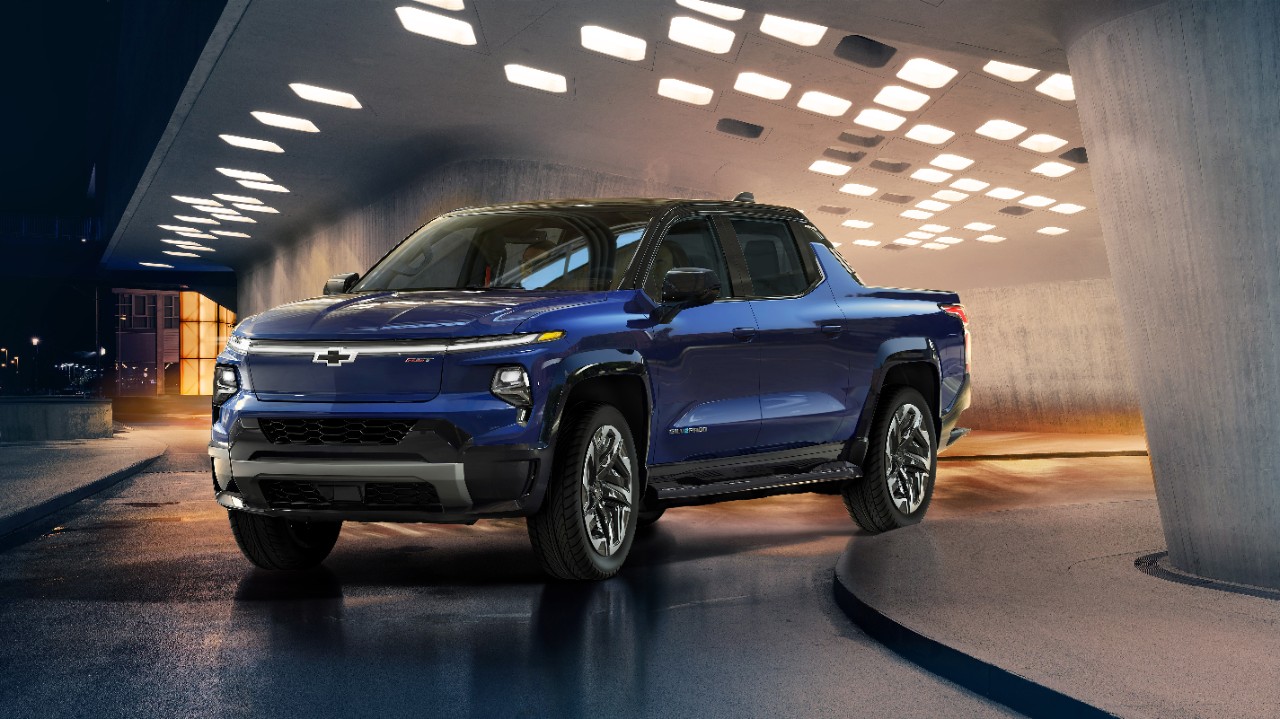
Ford, GM Use Leasing ‘Loophole’ to Extend $7,500 EV Tax Credit
Yahoo Finance· 2025-10-04 20:54
Group 1 - Ford Motor Company and General Motors Company have initiated programs to extend the $7,500 US federal tax credit on EV leases just before its expiration on September 30 [1][2] - Industry experts predict a significant drop in EV sales and leasing following the end of the tax credit, especially after a surge in purchases to beat the deadline [2] - The automakers' financing arms, such as Ford Credit and GM Financial, are making down payments on EVs in dealer inventory to qualify for the tax credit, allowing dealers to offer leases with the full subsidy factored into reduced rates [3] Group 2 - Ford operates through several segments including Ford Blue, Ford Model e, Ford Pro, and Ford Credit, while General Motors operates through GM North America, GM International, Cruise, and GM Financial [4]
特朗普考虑对美国汽车生产提供大幅关税减免 多家车企股价走高
智通财经网· 2025-10-03 23:40
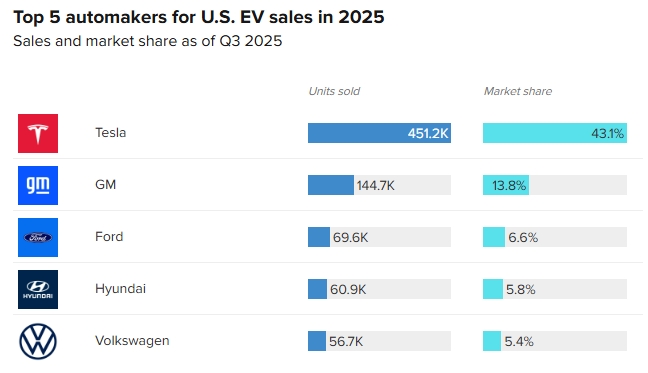
Core Viewpoint - The Trump administration is considering significant tariff reductions for automakers producing vehicles in the U.S., which could substantially lower their current tariff costs [1][2]. Group 1: Tariff Reduction Plan - The proposed plan would benefit major automakers with domestic production in the U.S., including Ford, Toyota, Honda, Tesla, and General Motors, potentially exempting them from import tariffs [1]. - Current tariff relief under a previous plan allows for a deduction of 3.75% of the manufacturer's suggested retail price, set to decrease to 2.5% after April 2026; the Trump administration is contemplating maintaining the 3.75% level for an additional five years and expanding the deduction to include domestic engine production [1]. Group 2: Cost Pressures on Automakers - The U.S. automotive industry is facing high cost pressures due to tariffs, with General Motors estimating a $5 billion cost impact and Ford projecting an additional $3 billion in expenses [2]. - Since May, the Trump administration has imposed a 25% tariff on over $460 billion worth of automotive and parts imports, further increasing the financial burden on automakers [2]. Group 3: Electric Vehicle Market Trends - The U.S. electric vehicle market has seen a significant surge, with over 1 million pure electric vehicles sold in the first three quarters of the year, and a record 438,000 units sold in Q3 alone, raising the market share to 10.5% [2]. - Tesla remains the market leader with a 43.1% share, although it has decreased from 49% at the end of last year; General Motors has increased its market share from 8.7% to 13.8%, ranking second [2]. Group 4: Future Concerns for Electric Vehicle Market - The termination of the federal $7,500 purchase subsidy at the end of September raises concerns about a potential decline in the electric vehicle market, with forecasts suggesting a possible drop in market share from 10%-12% to 5% in the short term [5]. - Comparatively, the U.S. lags behind in zero-emission vehicle adoption, with China and Europe having significantly higher sales figures [5].


Opinion | GM Changes Its Song and Dance on EVs
WSJ· 2025-10-03 20:38
Core Insights - The article highlights that "Government Motors" has received new orders from the government to produce vehicles that meet consumer demand [1] Group 1 - The focus is on the shift in government orders towards building cars that align with public preferences, indicating a response to market needs [1]
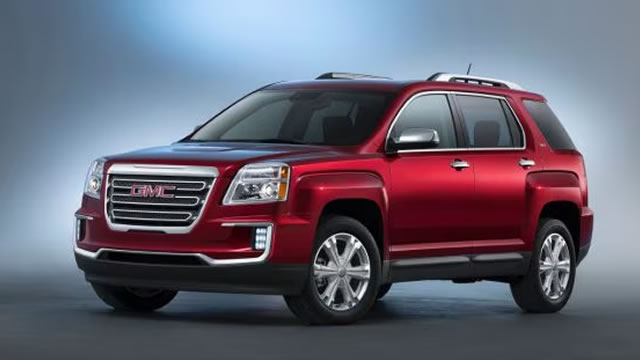
Detroit auto stocks jump on report of tariff relief for U.S. vehicles
CNBC· 2025-10-03 19:39
Core Viewpoint - The automotive industry is experiencing a positive shift in stock prices due to potential tariff relief being considered by the Trump administration, which could significantly reduce costs for major car manufacturers in the U.S. [1][2] Group 1: Investment and Production Developments - General Motors is set to begin production at the renovated Detroit-Hamtramck assembly plant, following a $2.2 billion investment aimed at producing all-electric trucks and SUVs [1] - Ford shares reached a new 52-week high of $12.66, reflecting investor optimism amid potential tariff relief [4] Group 2: Market Reactions and Stock Performance - Shares of General Motors, Ford Motor, and Stellantis rose approximately 2% to 4% following reports of potential tariff changes [2] - Tesla's shares declined by about 2%, contrasting with gains seen by other automakers like Honda and Toyota [3] Group 3: Tariff Implications - The Trump administration's tariffs of 25% on imported vehicles and parts have been a significant concern for the automotive industry, leading to billions in increased costs [3] - Proposed changes may include extending a 3.75% tariff offset for five years and adding U.S. engine production to the relief, which could benefit major manufacturers like Ford, Toyota, Honda, Tesla, and GM [2]

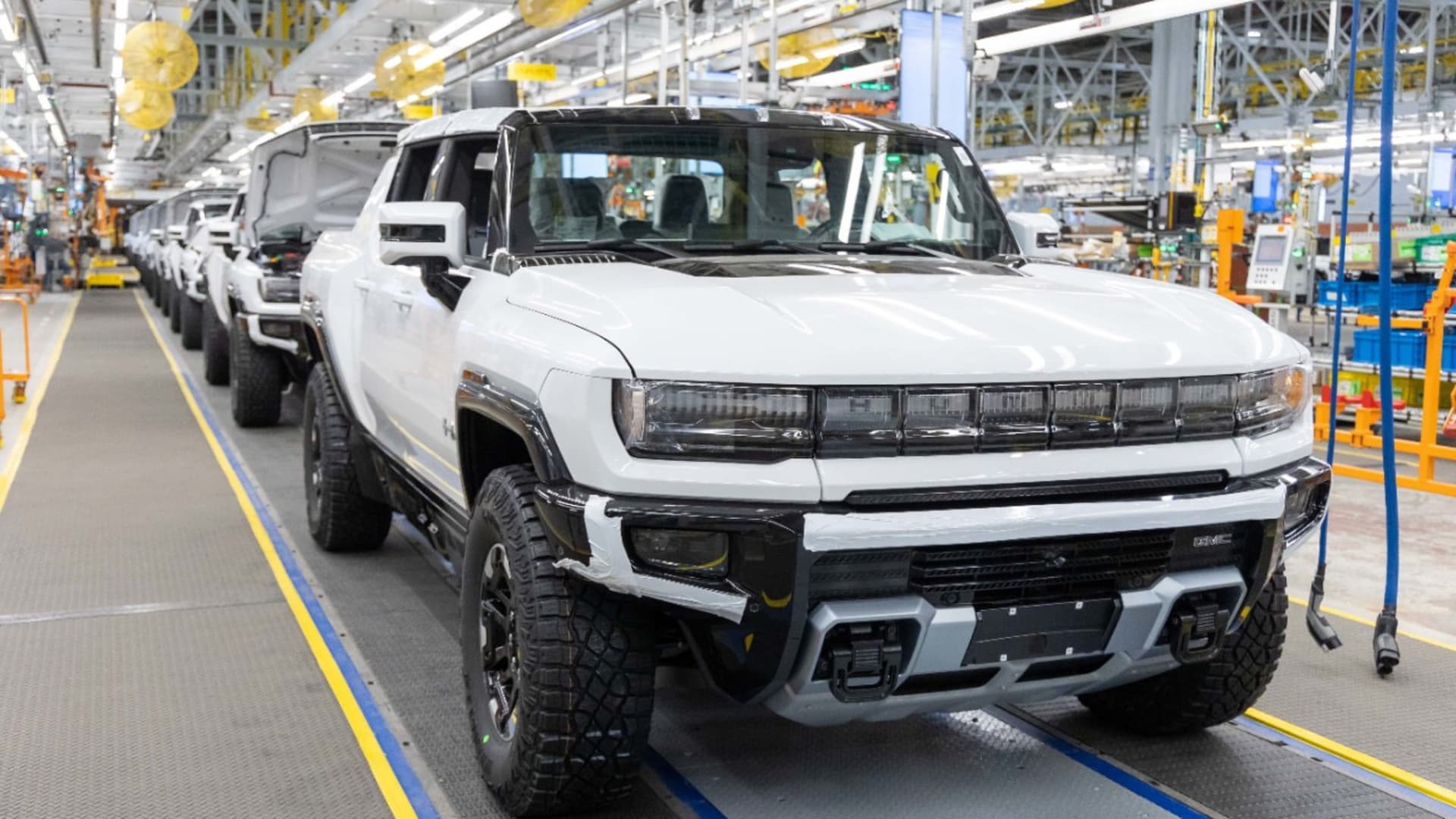
Tesla, GM lead record U.S. EV sales this year as federal incentives end
CNBC· 2025-10-03 14:57
Core Insights - Tesla and General Motors are leading the U.S. automotive industry in record domestic sales of all-electric vehicles, driven by consumer demand before the expiration of federal incentives of up to $7,500 [1][8] Sales Performance - U.S. sales of electric vehicles (EVs) exceeded 1 million units in the first nine months of the year, with a record quarterly sales of over 438,000 units in Q3, achieving a market share of 10.5% [2] - The market share increased from 7.4% in Q2 and 7.6% in Q1, indicating strong growth in the EV sector [3] Market Share Dynamics - Tesla retained its leadership position with a 43.1% market share through September, although this is a decline from 49% at the end of the previous year [4] - General Motors increased its market share from 8.7% at the beginning of the year to 13.8% by Q3, surpassing Hyundai Motor's combined share of 8.6% [4] - Ford's EV market share was reported at 6.6%, followed by Volkswagen at 5.4%, Honda at 4.6%, and BMW at 3.6% [6] Future Projections - GM anticipates leading the U.S. industry in EV market share growth in 2025, with a total of 144,668 EVs sold through September, representing 6.8% of its total U.S. sales [5] - Analysts predict a potential decline in EV sales following the end of federal incentives, with expectations of market share dropping to around 5% [10] Startup Performance - Despite overall sales growth, EV startups Rivian Automotive and Lucid Group maintain relatively small market shares, with Lucid under 1% and Rivian at 3% through September [7]

Berkshire Hathaway votes to separate chairman and CEO roles, paving way for Abel to succeed Buffett at year-end
CNBC· 2025-10-03 14:56
Core Viewpoint - Berkshire Hathaway has officially separated the roles of chairman and CEO, allowing Greg Abel to succeed Warren Buffett as CEO in 2026 [1][2][3] Group 1: Leadership Changes - The board of directors voted on September 30 to amend the bylaws to distinguish the roles of chairman and CEO, effective immediately [2] - Warren Buffett, who has led Berkshire since 1965, will continue as chairman of the board [2] - Greg Abel, currently vice chairman for non-insurance operations, is set to take over as CEO on January 1, 2026 [2][3] Group 2: Announcement Context - The leadership transition was first announced by Buffett at the annual shareholder meeting in May, which surprised many attendees [3] - The board unanimously approved Abel's appointment shortly after the initial announcement [3]

Beyond Tesla: Why GM and Ford Heavy ETFs Could Be Safer Bets Now?
ZACKS· 2025-10-03 13:21
Core Insights - Tesla's third-quarter 2025 delivery numbers increased by 7% year over year, exceeding market expectations of approximately 447,600 deliveries, largely due to a rush of buyers before the expiration of the $7,500 federal EV tax credit [1][2] - The sustainability of Tesla's growth remains uncertain, as the expiration of the EV incentive may lead to a decline in demand, with CEO Elon Musk indicating potential challenges in the upcoming quarters [2][3] Tesla's Challenges - The expiration of the federal EV subsidy is expected to create a demand cliff in North America, compounded by intense competition from Chinese EV manufacturers like BYD [3] - Tesla faces the ongoing challenge of managing expectations for its high-risk ventures, including Full Self-Driving technology and the Optimus humanoid robot [3] Investment Alternatives - Investors may find better value and stability in ETFs focused on legacy automakers such as General Motors and Ford, which have diversified operations across the entire automobile market [4][5] - Legacy automakers can leverage profitable segments like internal combustion engine vehicles and hybrids, providing a buffer against volatility in pure EV demand [5][6] - Financially, legacy automakers offer lower valuations and generally lower volatility compared to Tesla, positioning them better to handle the anticipated softening of the EV market post-subsidy [6] ETFs to Consider - **Invesco S&P 500 Pure Value ETF (RPV)**: This fund focuses on value characteristics and includes General Motors (2.94%) and Ford Motor (2.88%) among its top holdings, with an 18.6% increase over the past six months [8] - **iShares U.S. Manufacturing ETF (MADE)**: This fund provides exposure to U.S. manufacturing companies, including General Motors (3.84%) and Ford Motor (3.15%), with a 41% increase in the past six months [9][10] - **Pacer US Cash Cows 100 ETF (COWZ)**: This fund targets companies with high free cash flow yields, featuring Ford (2.05%) among its top holdings, and has seen a 17.4% increase in the past six months [11]