Hyatt(H)

Search documents
凯悦加码亚太高端生活方式布局:香港首家安达仕酒店落户中环 将成Central Crossing核心资产
Zhong Guo Jing Ying Bao· 2025-10-29 14:37
Core Insights - Hyatt Hotels Corporation is partnering with Evergrande Real Estate and Capital Strategy to develop the first Andaz hotel in Hong Kong, set to open in 2027, marking a significant expansion in the Asia-Pacific high-end lifestyle hotel market [1][2][5] Group 1: Strategic Expansion - The introduction of the Andaz brand in Hong Kong represents Hyatt's strategic focus on expanding its lifestyle segment, which is becoming a key growth area for the company [2][5] - Hyatt's global portfolio includes over 1,450 hotels across more than 80 countries, with a diverse brand mix that includes luxury, lifestyle, and boutique offerings [2][4] - The lifestyle brand segment has been the fastest-growing part of Hyatt's business, particularly in the Asia-Pacific region [2][4] Group 2: Project Details - The Andaz hotel will be part of the Central Crossing project, which aims to create a mixed-use urban complex that includes office space, public green areas, and historical building preservation [3][4] - Central Crossing will feature the first Andaz Village, a retail and cultural experience area that integrates health, dining, and creative retail elements, enhancing the overall guest experience [3][4] Group 3: Market Context - The high-end hotel market in Hong Kong is recovering post-COVID, with a reported over 40% increase in visitors in the first half of 2025, driven by high-net-worth individuals and business travelers [5][6] - The average occupancy rate for high-end hotels in Hong Kong has returned to approximately 90% of pre-2020 levels, with room rates increasing by about 15% compared to 2023 [5][6] - The collaboration between Hyatt, Evergrande, and Capital Strategy exemplifies a "management output + asset co-creation" model, reducing development risks while aligning with the trend of high profitability and rapid expansion in the international hotel sector [4][6]

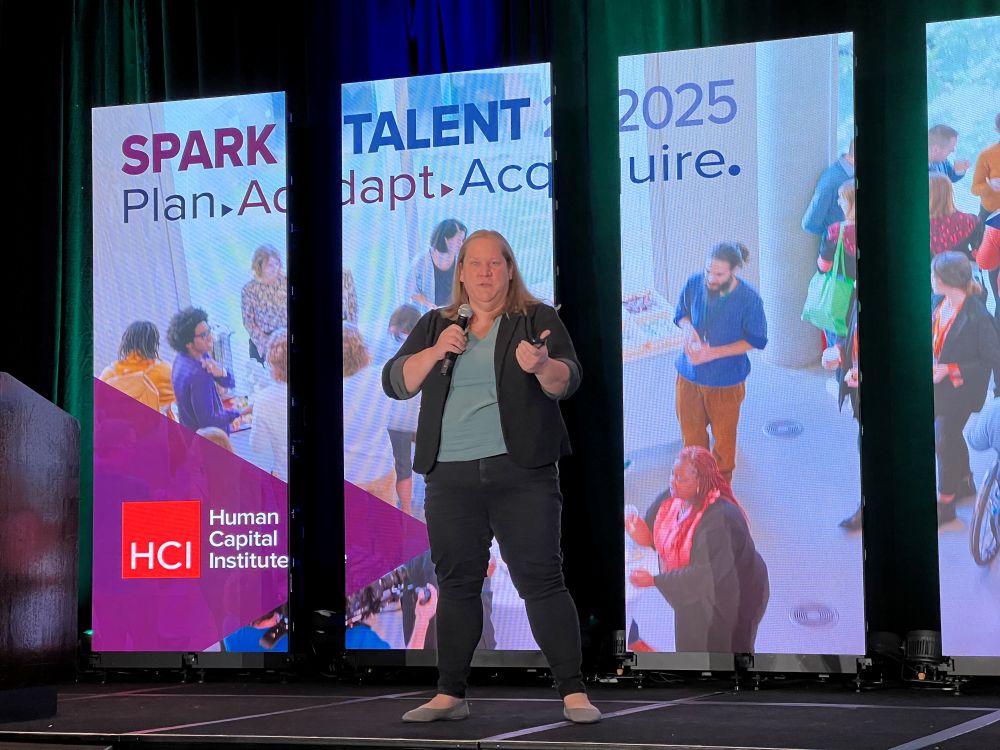
HRDA Frankly Speaking: Hyatt’s Warning on AI’s Equity Trap
HR Daily Advisor· 2025-10-27 09:28
Core Insights - The future of talent management is centered around care and courage, rather than solely on technology efficiency [1] - Companies must avoid "tool equity gaps" to ensure all employees have equal access to essential AI technology [2] - HR leaders are urged to promote equitable distribution of technology and skills development across the organization [3]

李现担任新西兰旅游局旅游代言人,凯悦与如家合作引入新品牌 | 一周旅行指南
Xin Lang Cai Jing· 2025-10-27 03:09
Group 1: Hotel Developments - MGM International Hotel Group will upgrade the Qingdao Diaoyutai Hotel to Qingdao MGM Mansion on January 1, 2026, focusing on deep cultural experiences and high-quality services [1] - Hyatt Hotels Corporation and Home Inn Group signed a strategic agreement to develop the Hyatt Studios brand in China, planning to open at least 50 new hotels nationwide in the coming years [2][3] - The Waldorf Astoria Hotel in Shanghai's Qiantan officially opened on October 20, marking Hilton's operation of over 888 hotels in China [7] Group 2: Culinary Innovations - The Mandarin Oriental Hotel in Wangfujing, Beijing, has revamped its Zi Shan restaurant menu, blending classic Cantonese cuisine with various cooking techniques [9] Group 3: New Resort Openings - Club Med's first resort in South Africa, located in KwaZulu-Natal, is set to open in July 2024, featuring both a beachfront resort and a safari experience [11] - The Villa San Michele in Florence will reopen in April 2024 after an 18-month renovation, introducing a new spa by Guerlain [16] Group 4: Airline and Travel Partnerships - Qatar Airways and Xiamen Airlines launched a frequent flyer partnership, allowing members to earn and redeem points across both airlines [23][25] - Malaysia Airlines reported over 248,000 travelers from China in the first half of 2025, with plans to enhance its network and increase flight frequencies [26]


凯悦酒店集团与如家酒店集团深化战略合作关系 计划携凯悦嘉迎品牌正式入华
Zhong Guo Jing Ying Bao· 2025-10-22 12:41
Core Insights - Hyatt Hotels Corporation and Home Inn Group have signed a strategic franchise agreement to jointly develop the Hyatt Studios brand in China, expanding Hyatt's presence in the mid-to-high-end hotel market [2][4] - The partnership aims to open at least 50 Hyatt Studios hotels across China in the coming years, establishing a robust project pipeline for long-term growth [2][5] Group 1: Brand Development - Hyatt Studios is part of Hyatt's Essentials brand portfolio, focusing on providing a home-like experience for long-term stays, catering to both business and leisure travelers [3] - The brand emphasizes a scalable development model and efficient operational systems to adapt to local market demands, enhancing the Hyatt loyalty program experience [3] Group 2: Strategic Importance - The collaboration is a significant step in Hyatt's strategic layout, aiming to introduce brand value and operational excellence into the rapidly growing segment of long-stay hotels in China [4] - Both companies share a vision for the Chinese hotel market, with previous successful collaborations, such as the UrCove brand, serving as a foundation for this new venture [4][5] Group 3: Market Potential - The introduction of Hyatt Studios is expected to meet the increasing demand for long-stay hotels, particularly appealing to younger travelers seeking localized experiences [4][5] - Hyatt's commitment to expanding its footprint in first- and second-tier cities in China reflects confidence in the long-term potential of the Chinese hotel market [5]
P/E Ratio Insights for Hyatt Hotels - Hyatt Hotels (NYSE:H)
Benzinga· 2025-10-20 22:00
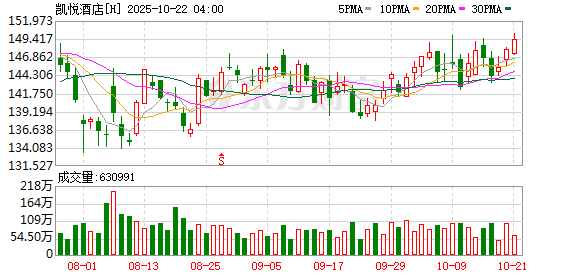
Core Viewpoint - Hyatt Hotels Inc. shares are currently trading at $147.90, reflecting a 1.71% increase, with a monthly rise of 6.79% but a yearly decline of 4.14%, raising questions about potential undervaluation despite current performance [1]. Group 1: Stock Performance - The current share price of Hyatt Hotels Inc. is $147.90, showing a 1.71% increase in the current session [1]. - Over the past month, the stock has increased by 6.79%, while it has decreased by 4.14% over the past year [1]. Group 2: P/E Ratio Analysis - Hyatt Hotels has a P/E ratio of 33.05, which is higher than the industry average P/E ratio of 31.48 for the Hotels, Restaurants & Leisure sector, suggesting potential for better future performance but also indicating possible overvaluation [6]. - A higher P/E ratio may reflect investor expectations for improved future performance, but it does not necessarily confirm that the stock is undervalued [5][6]. Group 3: Investment Considerations - The P/E ratio is a useful metric for evaluating market performance but should be considered alongside other financial ratios, industry trends, and qualitative factors to make informed investment decisions [9].

The Heart of AI: How Hyatt’s HR is Redefining Talent with Care and Courage
HR Daily Advisor· 2025-10-14 09:25
Core Strategy - AI adoption must be built on a foundation of care and courage, not just efficiency [4] - The concept of AI Equity is crucial to prevent performance disparities and resentment among employees due to unequal access to AI tools [5] Augmentation Mindset - HR should focus on how AI can augment jobs rather than replace them, alleviating fears of job loss [6] - Sharing positive examples of AI enhancing human roles can help employees embrace technology [6][8] The Care Equation - Care is defined as empathy plus action, requiring HR to listen to employee needs and proactively address them [7] - Courage to experiment with new AI tools is essential, even in the face of uncertainty [7] Redefining Talent - The new talent landscape necessitates hiring for "AI curiosity and learning agility" rather than just current job descriptions [10] - Democratizing development through AI coaching bots can provide growth opportunities for all employees, not just senior leaders [10]
Hydro One to Release Third Quarter 2025 Results on November 13, 2025 Before Markets Open
Prnewswire· 2025-10-10 21:10
Core Viewpoint - Hydro One Limited is set to release its third quarter financial results on November 13, 2025, and will host a teleconference to discuss these results with the investment community [1][2]. Company Overview - Hydro One Limited is Ontario's largest electricity transmission and distribution provider, serving 1.5 million customers and holding $36.7 billion in assets as of December 31, 2024 [4]. - The company reported annual revenues of $8.5 billion in 2024 [4]. - Hydro One employs 10,100 skilled workers and invested $3.1 billion in its transmission and distribution networks in 2024 [5]. Financial Community Engagement - The teleconference will begin at 8 a.m. ET on November 13, 2025, and will be accessible via a live webcast on Hydro One's Investor Relations page [2]. - Participants wishing to ask questions must register in advance to receive personalized dial-in details [3]. - A rebroadcast of the teleconference will be available after the live event [2]. Community Commitment - Hydro One is dedicated to community investment, sustainability, and diversity initiatives, having supported the economy by purchasing $2.9 billion in goods and services in 2024 [5].

Hyatt Announces Plans for Hyatt Place Kolhapur Sangli, Strengthening Brand’s Expansion in India
Hospitality Net· 2025-10-09 12:38
Core Insights - Hyatt Hotels Corporation has entered into a management agreement for Hyatt Place Kolhapur Sangli, aiming to expand its presence in India and high-growth corridors [1] - The hotel will be part of SL Highstreet, a mixed-use development that includes premium office spaces and upscale retail [1] Company Overview - Hyatt Place Kolhapur Sangli will feature 115 spacious guestrooms designed for modern travelers, with distinct zones for sleeping, working, and relaxing [2] - The hotel will offer amenities such as a 24/7 dining venue, fitness center, swimming pool, and versatile banquet and conference facilities [2][3] - The strategic location and contemporary amenities of the hotel position it as an ideal choice for both business and leisure travelers in Maharashtra's growth corridor [3]

Hyatt Collaborates with HYROX as the Official Regional Hotel Partner in Asia Pacific
Hospitality Net· 2025-10-03 10:53
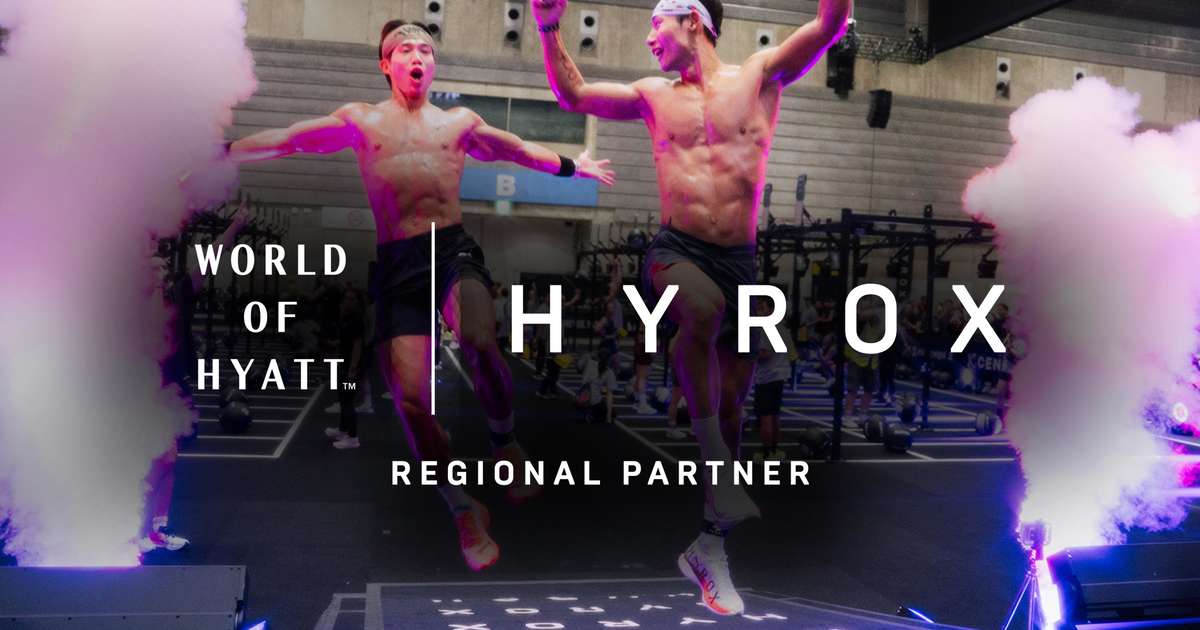
Core Insights - World of Hyatt has announced a collaboration with HYROX Asia Pacific, positioning itself as the Official Hotel Partner for the fitness racing series across the region, emphasizing its commitment to exceptional hospitality experiences for modern travelers [1][3] Company Overview - Hyatt Hotels Corporation is a leading global hospitality company with over 1,350 hotels and all-inclusive properties in 78 countries as of June 30, 2024, offering a diverse range of brands and services [9] Collaboration Details - The partnership will provide tailored wellness-focused stays at participating Hyatt hotels, designed to support athletes and guests during their race journey, including amenities, nutritious dining options, and wellness facilities [2][3] - The collaboration will debut at upcoming HYROX events in Asia Pacific, starting with HYROX Melbourne, and will feature exclusive room rates and benefits for World of Hyatt members [5][8] HYROX Overview - HYROX is a global fitness racing brand that combines running with functional workouts, attracting over 500,000 athletes across 90 races worldwide in the 2024/2025 season, having started in Germany in 2017 with 650 participants [6][7]
Onyx CenterSource and Hyatt Expand GroupPay to Over 700 Properties, Accelerating M&E Commission Payments
Businesswire· 2025-10-02 15:00
Core Insights - Onyx CenterSource is expanding its GroupPay platform to 700 Hyatt properties, indicating strong growth and adoption in the hospitality sector [1] - The GroupPay solution has already been successfully implemented in over 125 of Hyatt's owned and managed hotels, showcasing its effectiveness [1] - The expansion includes an additional 580 franchised properties across the Americas, highlighting the platform's scalability and appeal [1] Company Summary - Onyx CenterSource is recognized as a global leader in B2B payments and business intelligence specifically tailored for the hospitality industry [1] - The GroupPay platform is designed to simplify complex event management processes, which is a critical aspect of the hospitality business [1] Industry Impact - The adoption of GroupPay across a significant number of Hyatt properties reflects a growing trend in the hospitality industry towards digital payment solutions [1] - This expansion may set a precedent for other hospitality companies to consider similar technological advancements in their operations [1]