Jumia(JMIA)

Search documents
Why Jumia Technologies Rocketed 35% Higher in September
Yahoo Finance· 2025-10-08 14:30
Core Viewpoint - Jumia Technologies has experienced a significant stock rally of 35% in September, driven by favorable market conditions and strategic management decisions [1] Group 1: Stock Performance and Analyst Insights - Jumia's stock price saw a notable increase, with a Wall Street analyst raising the price target from $6.50 to $15, resulting in a 22% stock price jump on the same day [2][4] - As of October 7, Jumia's stock was trading just below $12 per share, reflecting a strong market response to the company's strategic positioning [4] Group 2: Management Strategies and Market Conditions - Jumia's CEO highlighted that the U.S. tariffs on China have provided the company with better negotiating power with Chinese vendors, allowing for lower costs [3] - The company has undergone a cost-cutting restructuring and is experiencing reduced currency volatility, which has positively impacted its operations [3] Group 3: Business Initiatives and Future Outlook - Jumia announced the launch of an electric bike delivery service in Uganda, aimed at reducing fuel costs and aligning with its ESG goals [5] - The company is forecasting mid-teens growth in gross merchandise volume (GMV) and aims to reach breakeven by the end of 2026, despite currently trading at over 8 times sales [9]

Jumia to Host Investor Day on November 13, 2025
Accessnewswire· 2025-10-06 11:30
Core Insights - Jumia Technologies AG will host an Investor Day on November 13 in London, United Kingdom [1] - The event will include presentations from Jumia's executive team [1] - Attendees will gain insights into the company's vision, long-term strategy, marketplace dynamics, logistics platform, and financial outlook [1]


Africa's E-Commerce Platform Jumia Rides Trade War Tailwind
Bloomberg Television· 2025-10-04 05:00
Macroeconomic Challenges & Recovery - The company faced significant challenges in its African markets due to currency volatility, high inflation (e g, 50% in some countries), and pressure on consumers [1][2] - Currency stability is now improving the situation, leading to easier supply and increased confidence among consumers [3] - The trade war between China and the US is indirectly benefiting the company by increasing the supply of goods from Chinese manufacturers [4] Strategic Focus & Market Position - The company is focusing on e-commerce for physical goods targeting the African middle class with income between hundreds and $400-500 per month [6] - The company exited South Africa due to intense competition from local players like Takealot and international platforms like Amazon, Shein and Temu [7][8] - The company claims to be the number one player in eight of the nine markets it operates in, focusing on markets with a GDP per capita between $1,000-4,000 per year [9] Competition & Future Outlook - The company anticipates increased competition from non-resident platforms like Temu and Shein in markets like Nigeria [12] - Despite competition from Temu in Nigeria, the company believes it can effectively compete due to its adaptation to the local market [12]
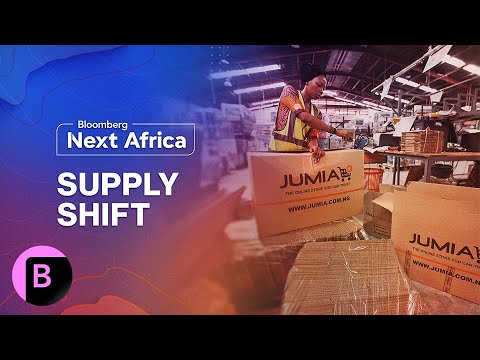
Africa's E-Commerce Platform Jumia Rides Trade War Tailwind
Youtube· 2025-10-04 05:00
Core Insights - The African market has faced significant challenges over the past few years, including currency volatility, high inflation rates, and supply chain disruptions, which have impacted online retail operations [1][2] - Recent improvements in currency stability have led to increased supply from Chinese manufacturers, boosting consumer confidence and easing operational challenges for online retailers [3][4] - The ongoing trade war between China and the US has indirectly benefited African online retailers by increasing the availability of goods from Chinese suppliers [4] Market Focus - The company operates in nine African markets, focusing on e-commerce for physical goods targeted at the middle class, defined as individuals earning between $400 and $500 per month [6][9] - The competitive landscape in South Africa is challenging, with established players like Takealot and international platforms, leading the company to exit the South African market [8][10] - The company has a dominant position in eight of the nine markets it operates in, having tailored its business model to the specific purchasing power of these regions [9][10] Competitive Landscape - Increased competition is anticipated in markets like Nigeria, particularly from non-resident platforms such as Temu and Shein, which have begun to establish a presence [11][12] - Despite the competition, the company believes it can maintain its market position by adapting to local conditions, indicating that financial resources alone do not guarantee success in these markets [12]

Botswana Seeks De Beers Control; Jumia Rides Trade War Tailwind | Bloomberg Next Africa
Youtube· 2025-09-27 05:00
Group 1: Ethiopia and the Grand Ethiopian Renaissance Dam (GERD) - The Grand Ethiopian Renaissance Dam, Africa's largest hydropower project, has been inaugurated with an estimated cost of $5 billion and aims to generate over 15,700 gigawatt hours annually, providing electricity to Ethiopia and neighboring countries [3][4][6] - Ethiopia anticipates significant economic impacts from the dam, including industrialization, with the industrial sector growing at an annual rate of 10% and energy demand from this sector increasing by 40% yearly [8] - The Ethiopian government aims to generate $1 billion annually from power exports, with current exports to Djibouti, Kenya, and Tanzania [8][9] - The dam has caused tensions with downstream countries Egypt and Sudan, which are concerned about reduced water flow and have called for a legally binding agreement on the dam's operation [5][12][14] Group 2: South-South Trade and Automotive Industry - The trade war initiated by Donald Trump has accelerated South-South trade, particularly between India and South Africa, with Indian automaker Mahindra expanding its presence in South Africa's Bakkie market [32][33] - South Africa's automotive industry faces challenges from imports, especially affordable vehicles from India and China, leading to concerns about potential job cuts in local manufacturing plants [36][43] - Mahindra's assembly plant in Durban has become a significant player in the market, producing nearly a thousand pickups each month, while Tata Motors plans to enter the South African market with SUVs [41][42] Group 3: E-commerce and Supply Chain Shifts - Jumia, Africa's largest e-commerce player, reports that shifting global supply chains are improving its ability to bring goods from China to Africa, with increased stability in currency aiding operations [44][46] - The trade tensions between China and the US have indirectly benefited Jumia by securing more supply for Africa as Chinese manufacturers adjust their markets [47] - Jumia focuses on e-commerce for physical goods targeted at the middle class in Africa, adapting its business model to the specific purchasing power of its markets [50][54]

Jumia and Spiro Launch Electric Bike Delivery in Uganda to Reduce CO2 Emissions
Accessnewswire· 2025-09-25 11:30
Core Insights - Jumia has partnered with Spiro to introduce a fleet of electric bikes for deliveries in Kampala, Uganda, aligning with its commitment to eco-friendly practices [1] - This initiative is part of Jumia's broader Environmental, Social, and Governance (ESG) strategy aimed at reducing carbon emissions [1] - The move signifies Jumia's focus on promoting sustainable business practices within the e-commerce sector in Africa [1]
X @Bloomberg
Bloomberg· 2025-09-23 08:24
Jumia Technologies CEO Francis Dufay said the global trade war is benefiting Africa’s biggest e-commerce company by increasing its access to Chinese goods https://t.co/6ytQ0ZraCB ...
直击世贸组织公共论坛|为什么非洲要大力推行数字贸易
Xin Lang Cai Jing· 2025-09-18 23:40
Group 1 - The annual WTO Public Forum is currently taking place, focusing on various trade-related topics, with a particular emphasis on digitalization this year [1] - Africa's e-commerce market is experiencing significant growth, with user numbers expected to exceed 50 million in 2023 and projected revenues reaching $40.49 billion by 2025 [3] - Nigeria has launched a national digital economy policy aimed at transforming its economy into a leading digital economy by 2030, addressing issues such as support for women entrepreneurs and financing for SMEs [3] Group 2 - Challenges in African e-commerce include high logistics costs, which can exceed the value of the products being sold, making cross-border trade difficult [4] - The continent's fragmented payment systems and varying regulatory policies hinder digital payment integration, necessitating cooperation on digital currency agreements to reduce trade barriers [6] - Jumia, a leading e-commerce platform in Africa, has faced significant challenges in building logistics and payment networks from scratch since its entry into Nigeria in 2012, yet sees substantial market opportunities [6][7] Group 3 - There is a growing call for increased intra-African trade cooperation, with stakeholders recognizing the high costs associated with cross-border trade [7] - The focus is not only on retail but also on advancing digital technology innovation and training local talent to develop more tech projects within Africa [7]
Why Jumia Technologies Jumped Over 22% Today
Yahoo Finance· 2025-09-16 19:30
Core Viewpoint - Jumia Technologies' shares surged 22.3% following a significant price target increase from RBC analyst Brad Erickson, who raised the target from $6.50 to $15 per share, indicating a strong positive outlook for the company [1][2]. Group 1: Analyst Insights - The near-tripling of the price target suggests a substantial change in the analyst's outlook, driven by expectations of revenue growth and cost reductions in the coming years [2]. - The positive outlook was influenced by a meeting with Jumia's management, who indicated easing currency pressures in their markets across West, East, and North Africa [3]. - Management also highlighted increased leverage over Chinese sellers, which is expected to enhance Jumia's take rate by 0.5 to 1 percentage point annually [3]. Group 2: Financial Performance and Projections - Jumia is currently experiencing an EBITDA loss, but potential improvements could lead to profitability, which may result in a significant stock rerating [4]. - The company has a solid balance sheet, with approximately $96 million in cash and only $13 million in debt, positioning it well for future growth [6]. Group 3: Market Position and Risks - Jumia operates in markets with lower internet access and economic maturity, presenting high-reward opportunities despite being a high-risk investment compared to more established e-commerce companies [6][7]. - Management forecasts profitability by the end of 2026, which could further drive stock performance if achieved [7].
Jumia's Momentum Builds - Why The Upside Case Remains
Seeking Alpha· 2025-08-26 05:01
Group 1 - The author has extensive experience in logistics, digitalization, and political-commercial strategy within the food and agricultural sectors, focusing on sustainable development and risk mitigation [1] - The author's expertise includes supplier development, EMS management, and cross-border operations, with a strong emphasis on the intersection of geopolitics and industrial policy [1] - The author writes about how FMCG and food commodities influence economic resilience and development, indicating a significant interest in these areas [1] Group 2 - The article does not provide specific investment recommendations or advice, emphasizing that past performance is not indicative of future results [2] - It is noted that the views expressed may not reflect those of Seeking Alpha as a whole, highlighting the independent nature of the analysis [2] - The authors of the analysis include both professional and individual investors, some of whom may not be licensed or certified [2]