
Nasdaq(NDAQ)

Search documents
Most diverse IPO pipeline I've seen years, says Nasdaq president Nelson Griggs
Youtube· 2025-12-18 13:11
Joining us now to discuss the year of IPOs and his outlook for 2026 is NASDAQ President Nelson Griggs. Good morning to you. Congratulations on what was a pretty great 2025.>> Yeah. >> When you think about 2026, people are already speculating about names like Open AI and Anthropic and SpaceX. I mean, we could be in a whole new realm.So, where are we really. And is that uh pie in the sky or is that reality. >> Uh, I think there's a lot of reality there.I think this year we went in probably with higher expecta ...



纳斯达克:预计明年规模超10亿美元大型IPO交易将迎强劲增长
Xin Lang Cai Jing· 2025-12-18 12:46
Core Insights - Nasdaq expects a significant increase in IPOs next year, driven by several large startups planning to enter the U.S. capital markets in the coming months [1][4] - The prediction indicates a recovery in market confidence for new stock offerings, which are a key indicator of economic health [1][4] - As of December 18, Nasdaq has raised approximately $46.65 billion from IPOs this year, more than doubling compared to the same period last year [1][4] - Nasdaq attracted 22 companies, including Walmart, to switch from the New York Stock Exchange, with a total market capitalization of about $1.2 trillion [1][4] - Despite market volatility due to tariffs and a government shutdown in October, IPO activity has remained strong [1][4] - Nasdaq's global listing business head, Jeff Thomas, anticipates a robust pipeline of IPOs exceeding $1 billion by 2026 [1][4] Market Trends - The U.S. stock market experienced a sell-off in April due to tariffs, which led to a sharp decline in IPO activity [5] - Following the sell-off, the market rebounded, with several notable companies, including Medline, Coreweave, and SailPoint, going public [5] - According to Dealogic, U.S. IPOs have raised $74.7 billion this year, an increase of approximately 80% compared to the previous year [6] - Key indicators such as declining interest rates, high valuations, and rising investor sentiment and consumer confidence suggest a positive outlook for IPOs in the near future [6] - Notable companies like SpaceX, Fannie Mae, and Freddie Mac are expected to enter the U.S. capital markets within the next year [6] - OpenAI is reportedly in early discussions for an IPO, which could become one of the largest in history [6] Nasdaq Developments - Nasdaq plans to submit documents to the SEC to launch all-weather stock trading [3][7]
Nasdaq Maintains Over a Decade of Listings Leadership in 2025
Globenewswire· 2025-12-18 12:00
Core Insights - Nasdaq raised a total of $46.65 billion from new listings in 2025, marking the highest capital raised since 2021 [1][5] - 22 companies transferred their corporate listings to Nasdaq in 2025, including Walmart, representing the largest exchange transfer in history with a total market value of $1.2 trillion [1][5] Capital Market Performance - 2025 was a significant year for public markets, with companies at various stages choosing Nasdaq for its global visibility and commitment to innovation and growth [2] - Nasdaq's European markets contributed to over half of all capital raised in Europe in 2025, including the public debut of Verisure, Europe's largest IPO since 2022 [5] Notable Listings - Major listings included Medline, which was the largest overall IPO and healthcare IPO of the year, raising over $6 billion, and CoreWeave, the largest AI IPO of the year [5] Listing Transfers - Since 2005, Nasdaq has attracted more than 500 listing transfers, representing over $4 trillion in market value [5] Strategic Initiatives - Nasdaq announced plans to launch Nasdaq Texas, a dual listing venue aimed at expanding services for companies in Texas and creating new growth opportunities for U.S. investors [5] - Nasdaq is actively involved in regulatory reform, hosting discussions with leaders from the public and private market ecosystem to address challenges and opportunities in the public market [5]

Nasdaq sees bigger year ahead for listings on billion-dollar-plus IPOs
Reuters· 2025-12-18 11:52
Nasdaq expects a jump in initial public offerings next year driven by several large startups aiming to tap U.S. capital markets in coming months, a top company executive told Reuters. ...

Nasdaq’s near 24-hour trading plan sparks Wall Street backlash
Yahoo Finance· 2025-12-17 22:33
From a market-structure perspective, the biggest fear is that near-24-hour trading spreads the same pool of orders more thinly, instead of attracting a whole new wave of participants. When volume is low, every order matters more, which can mean wider bid-ask spreads, flashier price moves, and more opportunities for sophisticated players to trade against slower retail orders.Jay Woods, chief global strategist at Freedom Capital and a veteran NYSE floor broker, told CNBC that companies and investors need “tim ...
钟声的消亡:加密法则如何迫使华尔街重写四百年游戏规则
美股研究社· 2025-12-17 14:47
Core Viewpoint - The traditional financial system is undergoing a significant transformation in response to the rise of cryptocurrency, as evidenced by Nasdaq and NYSE's proposals to extend trading hours to 23 hours a day, reflecting a shift in investor expectations [5][10]. Group 1: Market Changes - Nasdaq and NYSE have submitted proposals to fundamentally reshape trading hours, aiming to extend them to 23 hours daily, driven by the impact of cryptocurrency on investor behavior [5][8]. - Approximately $17 trillion in overseas assets are seeking to escape time zone constraints and gain access to the U.S. market, prompting Wall Street's new proposal for a continuous trading cycle from Sunday 9 PM to Friday 8 PM [8][10]. Group 2: Industry Response - Nasdaq President Tal Cohen stated that the exchange is prepared to embrace the opportunities and challenges brought by extended trading hours, indicating a shift towards innovation while maintaining market integrity [10]. - The emergence of decentralized finance has already demonstrated the feasibility of 24/7 trading through tokenized stocks on public blockchains and systems like Blue Ocean ATS, which operates for 23.5 hours [11][12]. Group 3: Future Outlook - The SEC is expected to approve the proposed changes by the second quarter of 2026, leading to significant infrastructure changes, including the deployment of continuous clearing capabilities by the DTCC [13][14]. - Predictions indicate a 65% probability that fully operational 24/7 trading will become a reality within the next five years, marking a historical shift in the relationship between traditional finance and decentralized trading mechanisms [14].
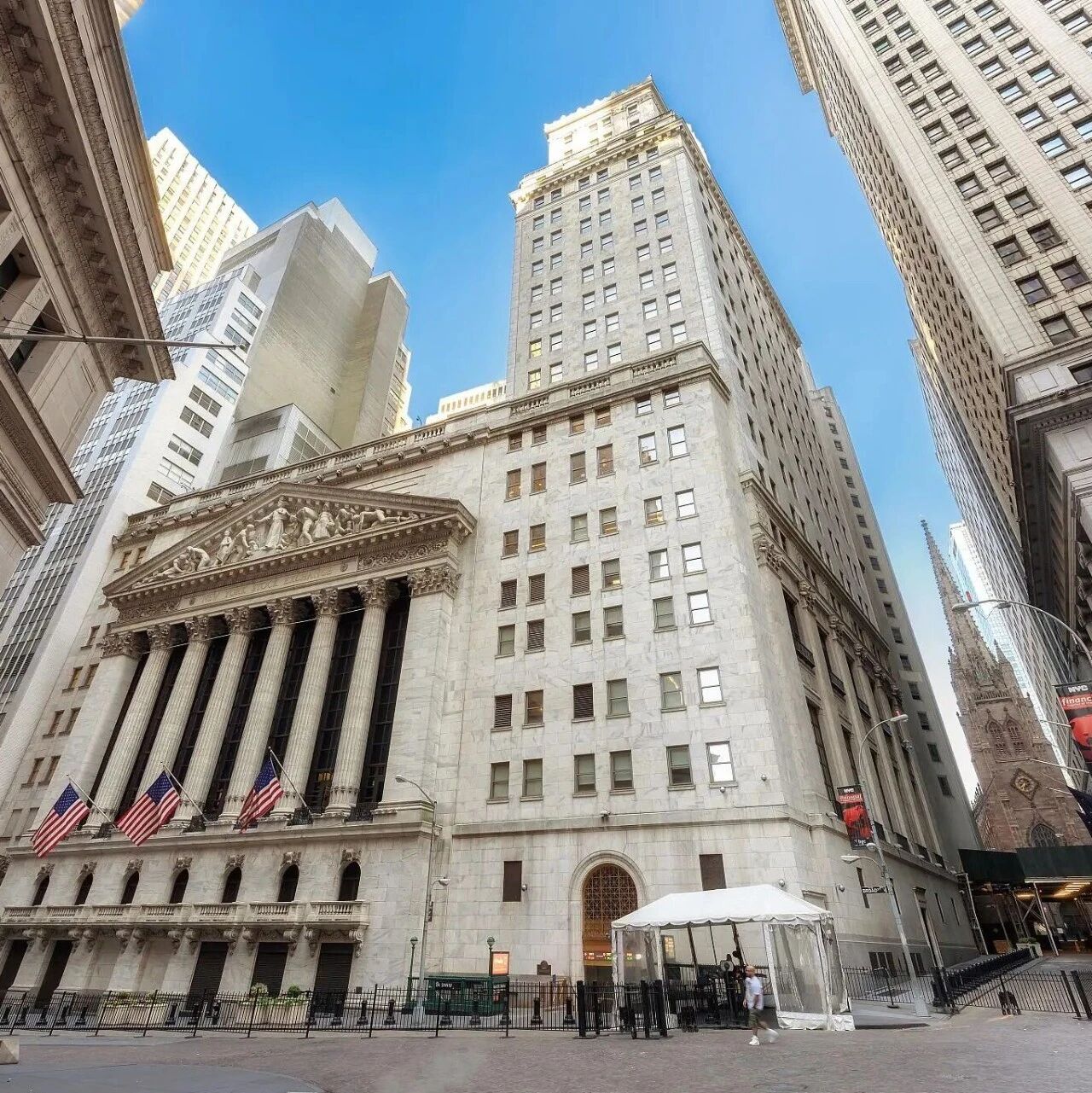
Nasdaq moves to start 23-hour trading, plans to submit paperwork to SEC
Youtube· 2025-12-16 21:46
Group 1 - The proposed global trading hours would start at 4:00 a.m. and end at 8:00 p.m., followed by a one-hour break for maintenance, testing, and clearing [1] - Critics, including Wells Fargo's Trading Desk, argue that this change could further gamify the stock market, making trading resemble gambling more than investing [1] - Concerns have been raised about liquidity, staffing, and the potential for increased volatility due to extended trading hours [1][4] Group 2 - The evolution of digitization, decentralization, gamification, and tokenization is expected to be fully realized by 2026, indicating a significant transformation in the market [2] - Continuous trading without a closing window may lead to behavioral changes among investors, encouraging them to trade more frequently [3] - The potential for wide price swings during low liquidity periods could increase volatility and negatively impact investors [4]

Nasdaq moves to make trading nearly 24 hours. Why some on Wall Street say that's a bad idea
CNBC· 2025-12-16 17:40
Core Viewpoint - Nasdaq is planning to submit a proposal to the SEC for nearly 24-hour trading of U.S.-listed equities and exchange-traded products, aiming for implementation in the second half of 2026 [1] Trading Hours Expansion - The proposed trading hours would extend to 23 hours each weekday, from the current 16 hours, with a "day session" from 4 a.m. to 8 p.m. Eastern time, followed by a one-hour maintenance break, and a "night session" from 9 p.m. to 4 a.m. [2] Market Concerns - Critics argue that nearly nonstop trading could exacerbate existing issues in equity markets, such as thin liquidity, sharp price swings, and a more gamified trading environment [3] - Concerns have been raised about the impact on listed companies, as continuous trading could disrupt their ability to manage news releases and meetings without affecting market movements [4][5] Liquidity Issues - Wells Fargo noted that liquidity already clusters around market open and close, questioning the effectiveness of extending trading hours further [7] - The industry is facing skepticism regarding whether firms would need to staff trading desks around the clock to accommodate the extended hours [7][8] Purpose of Trading Pauses - Trading pauses are seen as beneficial for allowing markets to digest information and for participants to reset, with concerns that continuous trading could lead to increased volatility [8][9]

The Big 3: GEV, NDAQ, STX
Youtube· 2025-12-16 17:30
Group 1: Market Overview - The current economic landscape is characterized by a bifurcated or K-shaped economy, with unemployment rates around 4.6%, indicating a shift from a balanced labor market to potential risks in employment [2][4][5] - There is an expectation of a possible rate cut due to the labor market risks, which could positively impact market conditions in the upcoming year [5] Group 2: GE Vernova - GE Vernova has seen a significant increase of nearly 9% in the last week, driven by its role as a critical power supplier for AI data centers [6][7] - The company is benefiting from a shift towards on-site power generation due to grid delays, and its backlog is high quality and on track for growth through 2027 [8] - The stock has risen approximately 150% from its lows in April, indicating a strong bullish trend, with technical indicators suggesting continued upward movement [10][12][13] Group 3: NASDAQ - NASDAQ is expanding its trading hours to include a 23-hour weekday trading session, which is expected to increase retail participation globally [15][16] - Approximately 60% of NASDAQ's revenue is derived from assets under management (AUM) based index funds, with a trend of investors moving towards passive equity funds, which is favorable for NASDAQ's earnings [16][17] - The stock is currently consolidating and showing potential for a breakout, with key resistance levels identified [18][20][22] Group 4: Seagate Technology - Seagate has been included in the NASDAQ 100, which is a significant development for the company, as it is a core supplier of data storage hardware for data centers and AI infrastructure [23][24] - A cash-secured put strategy is being employed to potentially acquire shares at a discount, with a strike price of around $290 and a premium of approximately $20.90 per share [25][26][28] - The stock has been in a bullish trend, but there are concerns about potential overvaluation and bearish divergences in technical indicators, suggesting a possible pullback in the near term [29][34]

Nasdaq wants round-the-clock trading as Wall Street eyes 24/7
Yahoo Finance· 2025-12-16 15:39
Core Viewpoint - Nasdaq is seeking to implement round-the-clock trading sessions for U.S. stocks, extending trading hours to 23 hours a day, five days a week, with a one-hour break [1][4] Group 1: Trading Hours Expansion - Nasdaq aims to add a trading session from 9 P.M. to 4 A.M. ET, reflecting the demand for more flexible trading options from global investors [1][2] - The New York Stock Exchange is also considering extending trading hours to 22 hours, indicating a broader trend in the industry towards longer trading sessions [4] Group 2: Market Demand and Participation - Increased participation from retail investors has driven the demand for extended trading hours, highlighting a shift in market dynamics [3] - The rise of betting apps like Polymarket has contributed to the desire for continuous market access, suggesting a changing landscape in investor behavior [3] Group 3: Potential Implications - Analysts have raised concerns about potential increased volatility and larger price swings due to reduced time for investors to process financial events [4] - Nasdaq anticipates launching the extended trading session in the third quarter of 2026, coinciding with a 20% growth in the Nasdaq index since the beginning of the year [4]