
Netflix(NFLX)

Search documents
Warner Discovery Stock Is at a Crossroads. Why Paramount May Beat Netflix in the Bidding War.
Barrons· 2025-12-10 10:02
Group 1 - Media investor Mario Gabelli is considering supporting Paramount's hostile bid against Netflix's initial offer [1]




2 Top Growth Stocks to Buy and Hold for the Next 10 Years
The Motley Fool· 2025-12-10 09:15
Group 1: Netflix - Netflix is the leader in streaming, having faced competition but managed to recover from a period of low revenue growth [4][7] - The company continues to grow its revenue through an increasing number of paid subscribers and a deeper ecosystem that enhances its content selection [7][11] - Netflix's addressable market is estimated to be over $650 billion, significantly larger than its trailing-12-month revenue of $43.3 billion [11] - The recent acquisition of Warner Bros. Discovery for $72 billion in equity value could provide additional growth opportunities for Netflix [11] - Netflix is expanding into sports, including plans to bid for UEFA Champions League rights, which could enhance its market share and revenue [9][10] Group 2: Shopify - Shopify is a leader in e-commerce, providing merchants with easy-to-use tools to set up online stores [12][13] - The company offers a comprehensive suite of services that create high switching costs for clients, making it difficult for them to leave the platform [13] - Shopify's revenue continues to grow rapidly, although it is not yet consistently profitable [15][17] - The company has improved its profitability by eliminating its low-margin logistics business and is experiencing stronger margins and free cash flow [17] - Shopify's partnership with OpenAI to enable merchants to sell products on ChatGPT could boost its gross merchandise volume and revenue [18]


流媒体巨头出手好莱坞百年老店,奈飞拿下华纳兄弟为何反对声众多? | 声动早咖啡
声动活泼· 2025-12-10 09:03
Core Viewpoint - The article discusses Netflix's acquisition of Warner Bros. Discovery's assets for a record $72 billion, highlighting the potential impact on the entertainment industry and the challenges the deal may face from regulatory bodies and competitors [4][6][10]. Group 1: Acquisition Details - Netflix announced the acquisition of Warner Bros. Discovery's film production division, HBO, and HBO Max, with the deal expected to close in Q3 of next year [4]. - The merger will result in a combined user base of approximately 450 million, and Netflix will gain access to iconic IPs such as "Batman," "Harry Potter," and "Game of Thrones" [4]. - The acquisition price of $72 billion is unprecedented for Netflix, which previously had not exceeded $700 million in acquisitions [10]. Group 2: Competitive Landscape - Paramount Global was initially a more prominent bidder for Warner Bros., raising its offer and seeking funding from Middle Eastern sovereign wealth funds [5]. - Other competitors included Apple, Amazon, and Comcast, with internal skepticism at Netflix regarding their chances of winning the bid [5]. - Following the announcement, Netflix's stock fell by 3.5%, with a cumulative decline of about 17% since the acquisition news broke [5]. Group 3: Regulatory Challenges - The acquisition faces scrutiny from U.S. lawmakers and European regulators, with concerns about market dominance and cultural impacts [6]. - The U.S. Department of Justice's antitrust division will review the deal, with the outcome dependent on how the media market is defined [6][7]. - Notable industry figures, including director James Cameron and actress Jane Fonda, have expressed opposition to the merger, citing potential job losses and reduced diversity in storytelling [6]. Group 4: Financial Implications - To finance the acquisition, Netflix plans to seek nearly $60 billion in loans, raising concerns about financial risk due to the scale of the investment [10][11]. - The deal will require Netflix to shift from a streaming service to a full-fledged entertainment company, taking on significant production and marketing costs [11]. - If the acquisition fails, Netflix would owe Warner Bros. a termination fee of $5.8 billion [12]. Group 5: Strategic Rationale - Analysts suggest that the acquisition is a defensive move for Netflix to maintain its competitive position against potential threats from Paramount and others [12]. - Warner Bros. chose Netflix for the acquisition because it aligned with their plan to split into two companies, focusing on streaming and film production [13].

Rosenblatt下调奈飞目标价至105美元
Ge Long Hui· 2025-12-10 08:59
Rosenblatt将奈飞的目标价从152美元下调至105美元,评级从"买入"下调至"中性"。(格隆汇) ...
奈飞收购华纳兄弟探索资产交易面临消费者集体诉讼
Ge Long Hui A P P· 2025-12-10 08:45
Group 1 - The core viewpoint of the article is that Netflix's proposed acquisition of Warner Bros. Discovery assets for $72 billion is facing a consumer class-action lawsuit, which claims the deal may reduce choices for U.S. subscription streaming platforms [1] - Some members of Congress have expressed concerns regarding Netflix's acquisition proposal, indicating that the transaction will likely face strict scrutiny under U.S. antitrust laws [1] - Paramount Global has initiated a hostile takeover bid for Warner Bros. Discovery, offering a cash proposal of $30 per share, which values the company at $108.4 billion [1] Group 2 - Netflix has stated that it believes the lawsuit is baseless and is merely a tactic by the plaintiff's lawyers to exploit market attention on the transaction [1]
Paramount CEO David Ellison Quietly Urges Warner Bros To Ditch Netflix As Bidding War Heats Up: Report - Netflix (NASDAQ:NFLX), Paramount Skydance (NASDAQ:PSKY)
Benzinga· 2025-12-10 08:20
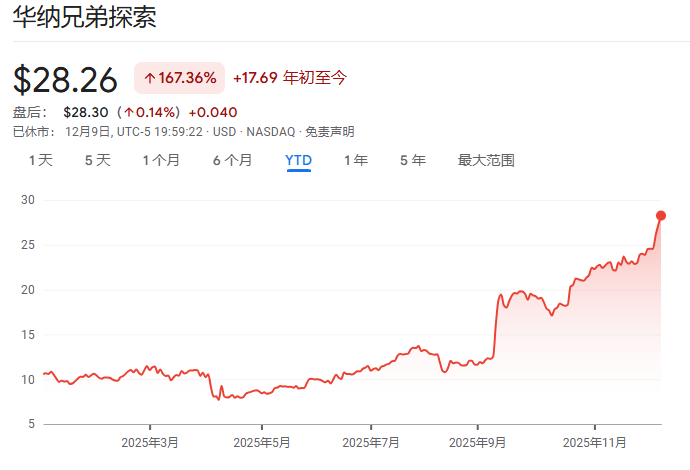
Core Viewpoint - Paramount Skydance's CEO David Ellison is advocating for a $108 billion all-cash hostile bid for Warner Bros. Discovery, positioning it as a more favorable option compared to Netflix's $82.7 billion cash-and-stock offer [1]. Group 1: Bid Details - Paramount's bid is an all-cash offer of $30 per share, which is not the final offer as the company is considering increasing the price or providing additional regulatory assurances [4]. - Netflix's bid consists of $23.30 in cash and $4.50 in Netflix stock per WBD share, but it does not include the acquisition of WBD's traditional television channels, such as CNN [4]. Group 2: Shareholder Reactions - Several WBD shareholders expressed a favorable impression of Paramount's proposal, viewing it as potentially simpler and faster to navigate regulatory hurdles compared to Netflix's offer [2]. - Some investors indicated they would be inclined to accept Paramount's bid unless Netflix improves its offer [3]. Group 3: Market Impact - The bidding war has led to a significant increase in WBD's shares, which rose over 130% to $28.26, while PSKY shares fell by 7.25% to $14.64 and NFLX shares dropped by 9.4% to $96.40 in the past five days [6]. - The competition between Paramount and Netflix has created a unique situation in Hollywood, where factors like financing structures, regulatory risks, and deal speed are becoming as important as the bid price [6]. Group 4: Regulatory Considerations - President Donald Trump has indicated he will play a direct role in the federal review of Netflix's bid, raising potential regulatory concerns regarding market share [7]. Group 5: Timeline - WBD shareholders have until January 8 to respond to Paramount's tender offer, while WBD's board must provide its response by December 22 [5].


Ross Gerber Calls Warner Bros 'Dog Asset' Worth No More Than $15: Says Netflix, Paramount Are Both 'Vastly Overpaying' In Bidding Frenzy - Netflix (NASDAQ:NFLX)
Benzinga· 2025-12-10 07:38
Core Viewpoint - Investor Ross Gerber warns that the bidding for Warner Bros Discovery Inc. is leading to significant overvaluation of the company, describing it as a "dog asset" not worth more than $15 per share, while competitors Netflix and Paramount are bidding at $27.75 and $30 per share respectively [1][3]. Group 1: Company Valuation and Bidding Dynamics - Gerber believes that the competitive bidding environment, driven by the scarcity of major studio assets, is inflating offers for Warner Bros Discovery Inc. [3]. - He expressed skepticism about how Netflix would create value from acquiring Warner Bros, suggesting that the primary motivation is to protect its market position [3]. - Gerber noted that shareholders of Warner Bros would be content to recover their investments, indicating a lack of confidence in the company's future profitability [3]. Group 2: Market Reactions and Stock Performance - Shares of Warner Bros Discovery Inc. increased by 3.78% on Tuesday, closing at $28.26, with a slight overnight rise of 0.35% [6]. - The stock is noted to have a favorable price trend in the short, medium, and long terms, scoring high on Momentum in Benzinga's Edge Stock Rankings [6]. Group 3: Ethical and Political Considerations - Paramount's bid for Warner Bros has attracted scrutiny due to its backing by Affinity Partners, which is associated with Jared Kushner and several Middle Eastern sovereign wealth funds [5]. - Former President Trump has indicated his intention to be involved in the federal review of Netflix's potential acquisition of Warner Bros, citing concerns over market share implications [6].
特朗普搅局华纳“世纪收购”!派拉蒙抛出千亿现金方案“截胡”,奈飞想赢“得加钱”
Hua Er Jie Jian Wen· 2025-12-10 07:35
Core Viewpoint - The acquisition battle for Warner Bros. has intensified with Paramount's $108 billion all-cash hostile bid challenging Netflix's previous agreement, influenced by political dynamics surrounding Trump and regulatory scrutiny [1][2][4]. Group 1: Acquisition Proposals - Paramount's offer of $30 per share in cash represents a 139% premium over Warner Bros.'s unaffected stock price, totaling an enterprise value of $1,084 billion [4][5]. - Netflix's proposal, valued at $72 billion, includes $23.25 in cash and $4.50 in stock per share, focusing on Warner's film production and streaming assets [4][5]. - Paramount's CEO emphasized the certainty of cash returns and lower regulatory risks compared to Netflix's mixed cash and stock offer, which could lead to significant cash benefits for Warner Bros. shareholders [1][5]. Group 2: Market Reactions - Warner Bros.'s stock price surged from $12 in September to $28 amid the acquisition battle, reflecting investor interest and speculation [2]. - Following the news of Paramount's bid, Paramount's stock rose approximately 9%, while Netflix's stock fell about 3.4% [8][11]. Group 3: Regulatory Environment - The acquisition proposals face strict antitrust scrutiny, with the potential merger of Netflix and Warner Bros. creating a streaming giant with approximately 430 million subscribers, raising concerns about market concentration [8][9]. - Trump's administration is reportedly more lenient towards traditional media mergers, which could favor Paramount's bid over Netflix's [7][8]. Group 4: Strategic Considerations - Paramount's strategy includes leveraging its political connections and emphasizing the competitive nature of its acquisition proposal, arguing that merging with Netflix would be anti-competitive [7][9]. - Netflix's response may involve increasing its cash offer to make its proposal more attractive to Warner Bros. shareholders, as its stock component's value is under pressure [11][12].

Warner Bros. rival bids put spotlight on flagging cable networks
BusinessLine· 2025-12-10 05:36
Core Viewpoint - The competition between Netflix Inc. and Paramount Skydance Corp. for Warner Bros. Discovery Inc. highlights the contrasting valuations of struggling cable TV networks and the strategic importance of a strong content library in the streaming industry [1][7]. Bidding Details - Paramount has initiated a bidding war with a $30-per-share all-cash offer, valuing Warner Bros. at $108.4 billion, including debt, aiming to counter Netflix's previously announced offer of $27.75 per share [2]. - The $2.25 difference in share price between the two offers is attributed to the inclusion of struggling cable channels in Paramount's bid, which Netflix's offer excludes [3]. Financial Backing - Paramount's bid is supported by $11.8 billion from CEO David Ellison's family and $24 billion from Middle Eastern sovereign wealth funds, with additional participation from RedBird Capital Partners and Affinity Partners [4]. Potential for Increased Bids - Paramount's banker indicated that the $30-per-share offer is not the final proposal, suggesting the possibility of higher bids [5]. Netflix's Position - Netflix has the option to match Paramount's offer if deemed superior by Warner Bros., and its executives expressed confidence in the approval of their deal [6]. Importance of Content - The acquisition of Warner Bros. would significantly enhance Paramount's streaming service, which currently has about 80 million subscribers, by adding valuable titles like Game of Thrones and Batman [7]. - For Netflix, acquiring Warner Bros. would further solidify its lead in the streaming market, reaching over 300 million households globally [8]. Cable TV Industry Challenges - The cable TV business is facing significant declines, with Warner Bros. planning to spin off its pay-TV networks by 2026, reflecting broader industry trends [9]. - Warner Bros.' cable audience dropped 26% in Q3, with a revenue decline of 5% to $20.2 billion last year [12]. Valuation of Cable Channels - Analysts estimate the value of Warner Bros.' cable channels, which are set to be spun off, to be between $2 to $4 per share, potentially influencing the bidding dynamics [10][13]. Regulatory Considerations - Regulatory approval is a critical factor in determining the success of either bid, with concerns raised about antitrust issues related to Netflix's offer [13][14].

What Netflix’s Deal With Warner Bros. Highlights About Leveraged ETFs
Yahoo Finance· 2025-12-10 05:03
Core Insights - Netflix's stock experienced a decline of 9.4% over the past five days following a significant deal with Warner Bros. Discovery, while leveraged ETFs tracking Netflix have seen even larger declines due to the nature of their structure [2][4] Group 1: Leveraged ETFs Performance - The Direxion Daily NFLX Bull 2X Shares (NFXL) is down by 5.5% year to date, despite Netflix stock being up by 9% [2] - The Direxion Daily NFLX Bear 1X Shares ETF (NFXS) has also declined by over 14% year to date, illustrating the volatility and decay associated with leveraged ETFs [4] - Leveraged ETFs are designed for experienced traders and are not intended for long-term holding due to their tendency to lag behind the performance of the underlying stocks [4] Group 2: Mechanisms Behind Leveraged ETFs - The performance of leveraged ETFs is affected by "decay," which refers to their tendency to lag the securities they track, especially in volatile markets [2][6] - The leverage in these ETFs comes from the sizing of swap agreements, which can obscure the actual risk and return profile for investors [5] - Volatility decay means that when an investment loses value, it must increase by a higher percentage to return to its original value, a phenomenon that is amplified in leveraged ETFs [6]