
National Grid(NGG)

Search documents
城市24小时 | 这些省份,为何都在“组CP”?
Mei Ri Jing Ji Xin Wen· 2025-12-31 02:01
Group 1: Project Developments - The construction of the back-to-back interconnection projects in Yuchuan-Guizhou, Hunan-Guangdong, and Fujian-Jiangxi has commenced, enhancing power supply stability and resource optimization in these regions [1][3] - The Hunan-Guangdong project, which started on December 27, aims to facilitate flexible interconnection between the State Grid and the Southern Grid, improving power supply stability in Hunan [1] - The Yuchuan-Guizhou project, initiated on December 26, will strengthen interconnectivity between the State Grid and Southern Grid, benefiting both Chongqing and Guizhou [1] - The Fujian-Jiangxi project, which began on December 25, will establish Jiangxi's first flexible DC back-to-back converter station, creating a high-speed interconnection channel for the two provinces [1] Group 2: Technical Insights - The back-to-back interconnection project involves a converter station that connects asynchronously operating power grids through an "AC-DC-AC" conversion process, allowing for safe and efficient power transfer [2] - This technology acts as a high-efficiency "power converter" for two regional power grids, enabling bidirectional power exchange [2] Group 3: Investment and Infrastructure - A total investment of 24.4 billion yuan (approximately 3.4 billion USD) has been approved for five back-to-back interconnection projects, which will include the construction of five converter stations with a capacity of 3 million kilowatts each and a total line length of 1,227 kilometers [3] - The projects include the Yuchuan-Guizhou and Hunan-Guangdong projects led by the State Grid, while the Hunan-Guizhou project is led by the Southern Grid [3] Group 4: Market Implications - The acceleration of building a unified national electricity market is aimed at facilitating cross-province electricity trading and optimizing resource allocation [4] - The completion of these interconnection projects is expected to significantly enhance regional power support capabilities and provide a solid physical foundation for regular cross-grid electricity trading [4]


蒙西—京津冀±800千伏特高压直流工程开工
Xin Lang Cai Jing· 2025-12-30 16:03
Core Viewpoint - The commencement of the Mengxi-Beijing-Tianjin-Hebei ±800 kV UHVDC project by State Grid Corporation of China marks a significant step in enhancing green energy transmission and supporting the development of the "Shage Desert" renewable energy base in Inner Mongolia [1][2]. Group 1: Project Overview - The Mengxi-Beijing-Tianjin-Hebei project will span approximately 700 kilometers, starting from the Daqing Station in Ordos, Inner Mongolia, and ending at the Xiongnan Station in Cangzhou, Hebei, with a rated voltage of ±800 kV and a capacity of 8 million kW [1]. - The total investment for the project is approximately 17.2 billion RMB, with an expected completion and operational date set for 2027 [1]. Group 2: Environmental Impact - Once operational, the project is expected to deliver over 36 billion kWh of electricity annually to the Hebei load center, replacing 6.3 million tons of standard coal and reducing carbon dioxide emissions by 16.6 million tons [2]. - The project aligns with the green development philosophy and aims to facilitate energy transition in the region [2]. Group 3: Strategic Importance - The Mengxi-Beijing-Tianjin-Hebei project serves as the first external transmission channel for the "Shage Desert" renewable energy base, which has an installed capacity of 12 million kW, contributing to a larger external transmission capacity exceeding 50 million kW [1]. - The project is part of a broader strategy to enhance the cross-regional and cross-provincial transmission capacity of the State Grid, which is projected to reach 370 million kW by the end of 2025 [2].
Dual Overweight Calls Put National Grid (NGG) Back in Focus
Yahoo Finance· 2025-12-29 07:59
Core Viewpoint - National Grid plc (NYSE:NGG) is gaining attention from analysts with positive ratings and price targets, reflecting confidence in its financial performance and strategic focus on regulated electricity and gas networks [2][3][5]. Group 1: Analyst Ratings and Price Targets - Morgan Stanley initiated coverage of National Grid with an Overweight rating and a price target of $85.50 [2]. - JPMorgan raised its price target for National Grid to 1,250 GBp from 1,225 GBp while maintaining an Overweight rating [2]. Group 2: Financial Performance - National Grid reported first-half adjusted profit slightly above market expectations, driven by higher UK electricity transmission revenue and increased investment in regulated businesses [3]. - For the six months ended September 30, the company posted an underlying operating profit of £2.29 billion ($3.07 billion), exceeding the market's expectation of £2.24 billion [5]. Group 3: Strategic Focus - The company has been reshaping its portfolio under the leadership of former CEO John Pettigrew, focusing on regulated electricity and gas networks while divesting from non-core assets like the US onshore renewables arm and the Grain LNG terminal [4]. - National Grid reaffirmed its medium-term outlook, expecting underlying earnings per share to grow at a compounded annual growth rate of 6% to 8% from the 2024–25 baseline [5].
老区三明:电网高质量发展加快推进
Zhong Guo Fa Zhan Wang· 2025-12-17 06:51
Core Viewpoint - The construction of the Wazhuang-Raoshan 220 kV transmission line project marks a significant step towards enhancing the power grid structure in Sanming City, Fujian Province, facilitating high-quality development in the revolutionary old area [1][6]. Group 1: Project Overview - The Wazhuang-Raoshan 220 kV transmission line project has passed the design review and is transitioning from the preparation phase to the construction phase, indicating the formation of a "closed loop" in the 220 kV backbone power grid of Sanming [1]. - The project has a total investment of 220 million yuan and is scheduled for completion by December 2026, featuring the construction of 85.6 kilometers of new power lines [3][4]. Group 2: Economic and Social Impact - The project is expected to provide a robust energy guarantee for the economic and social development of Ninghua and Jianning counties, which have a combined population of nearly 400,000 [4][6]. - The initiative aligns with the State Council's policy to support the high-quality development of revolutionary old areas, emphasizing the importance of electricity in economic growth [1][5]. Group 3: Environmental Considerations - The project incorporates environmentally friendly practices, including the use of innovative construction methods and ecological protection measures, ensuring harmony between power grid development and environmental conservation [5]. - The design process involved extensive field surveys and discussions to optimize the project while minimizing ecological impact, receiving high praise from the review agency [5].
组成人员调整,国家能源局公布!
中国能源报· 2025-12-03 05:06
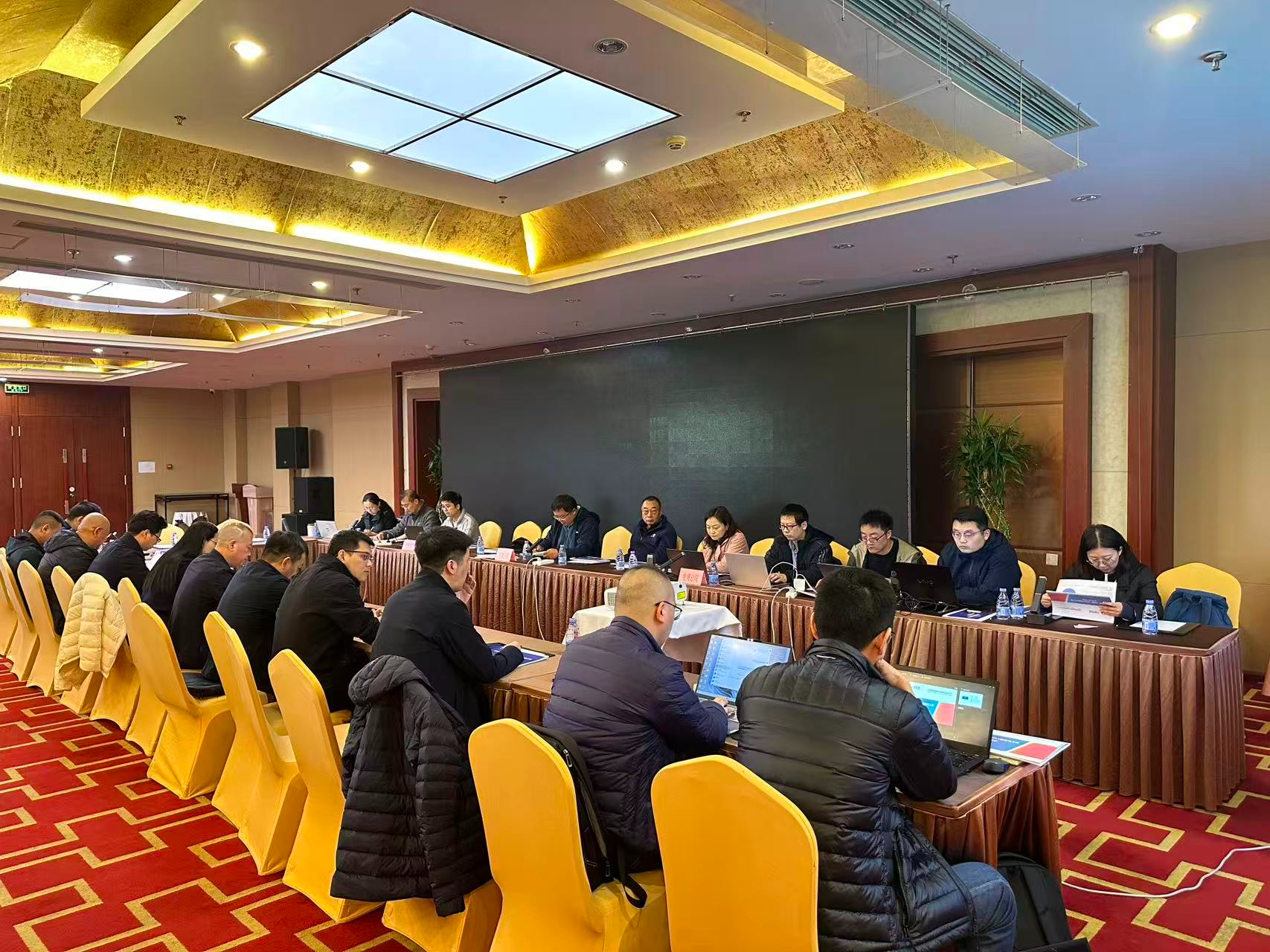
Core Viewpoint - The National Energy Administration has announced adjustments to the members of the Electricity Industry Network and Information Security Joint Conference, indicating a focus on enhancing cybersecurity within the energy sector [1][5]. Group 1: Leadership Structure - The convenor of the conference is He Yang, a member of the Party Leadership Group and Deputy Director of the National Energy Administration [1]. - The deputy conveners include key figures from major energy companies, such as Huang Xue'nong from the National Energy Administration and Wang Gang from State Grid Corporation [1][2]. Group 2: Member Composition - The member list includes high-ranking officials from various energy companies, such as Li Xinsong from China Energy Construction Group and Meng Yanbin from China National Nuclear Corporation, highlighting a collaborative approach to cybersecurity [2][3]. - The conference also includes representatives from regulatory bodies within the National Energy Administration, ensuring a comprehensive oversight mechanism [2][3]. Group 3: Operational Details - The Electricity Industry Network and Information Security Joint Conference Office is established within the Electric Safety Supervision Department of the National Energy Administration, indicating a structured approach to managing cybersecurity initiatives [3][5]. - The office is led by Wang Yongjun, the Director of the Electric Safety Supervision Department, ensuring that cybersecurity efforts are aligned with regulatory standards [5].





National Grid Launches AI-Powered Wildfire Risk Initiative with Rhizome
Prnewswire· 2025-12-02 14:00
Core Insights - National Grid is enhancing resilience against wildfire risks through a partnership with Rhizome, utilizing advanced AI technology to identify and prevent such risks across its electric transmission and distribution networks in Massachusetts, New York, and the UK [1][3]. Group 1: Partnership and Technology - The collaboration with Rhizome involves the deployment of the gridFIRM platform, which quantifies long-term wildfire risks related to utility assets, enabling cost-effective mitigation strategies [2][8]. - The partnership aligns with National Grid's strategic focus on risk management, system resilience, and maintaining bill affordability for customers [3][4]. Group 2: Wildfire Risk Context - Wildfire risk is increasingly affecting the Northeast, with New York and Massachusetts experiencing 2,626 wildfires in 2024, more than double the previous year's total [3]. - The growing geographic diversity of wildfire risks necessitates robust resilience planning and preparedness for National Grid and utility stakeholders [3]. Group 3: Investment in Innovation - National Grid is committed to investing in innovative technologies, having announced a $100 million investment in AI technologies and startups, building on a previous investment of $150 million [5]. - The company aims to transform its networks to provide more reliable and resilient energy solutions, aligning with state climate goals and reducing greenhouse gas emissions [6].

事关输配电定价!国家发改委重磅通知
中国有色金属工业协会硅业分会· 2025-12-01 09:00
Core Viewpoint - The National Development and Reform Commission (NDRC) has issued new regulations regarding the pricing and cost supervision of electricity transmission and distribution, aiming to enhance the regulatory framework for power grid enterprises and ensure fair pricing mechanisms [2][29]. Group 1: Cost Supervision and Pricing Methods - The newly established methods include the "Cost Supervision Method for Transmission and Distribution Pricing," "Provincial Grid Transmission and Distribution Pricing Method," "Regional Grid Transmission Pricing Method," and "Cross-Province and Cross-Region Special Project Transmission Pricing Method" [2][29]. - The cost of regional grid transmission is defined as the reasonable expenses incurred by grid operators to provide transmission services using shared transmission networks across provinces [5]. - The cost supervision principles include legality, relevance, and reasonableness, ensuring that only direct and necessary costs are included in the pricing [5][6]. Group 2: Cost Composition - The components of transmission and distribution pricing costs include depreciation and operational maintenance costs [8]. - Depreciation costs are calculated based on the fixed assets and usage rights related to transmission and distribution, following specified methods and timeframes [13][14]. - Operational maintenance costs encompass material costs, repair costs, labor costs, and other operational expenses necessary for maintaining normal grid operations [8][9]. Group 3: Regulatory Obligations - Power grid enterprises are required to establish a cost accounting system and submit regular reports to government price authorities [6][22]. - They must provide accurate financial reports and cooperate with government audits, ensuring the authenticity and completeness of the data provided [7][24]. - The enterprises must differentiate costs by voltage level and user category, ensuring proper allocation and reporting of costs and revenues [22][23]. Group 4: Pricing Calculation and Adjustments - The provincial grid transmission and distribution pricing will be determined based on the approved revenue, which includes allowable costs and reasonable returns [34][37]. - The pricing structure will consider various voltage levels and user categories, ensuring a fair distribution of costs among different users [49][50]. - Adjustments to pricing may occur due to significant changes in costs or regulatory policies, ensuring that the pricing remains aligned with market conditions and operational realities [54][56].
National Grid - Superb Returns From Undervaluation (NYSE:NGG)
Seeking Alpha· 2025-11-30 08:18
Core Insights - The article discusses the investment strategies and market coverage of a senior analyst with over 10 years of experience in European and North American markets [1] Group 1: Analyst Profile - The analyst is a senior analyst and private portfolio manager with extensive experience in generating value ideas in various markets [1] - The analyst contributes to investing groups such as iREIT®+HOYA Capital and Wide Moat Research LLC, focusing on reasonably valued stock ideas [1] Group 2: Market Coverage - The analyst covers a wide range of markets including Scandinavia, Germany, France, UK, Italy, Spain, Portugal, and Eastern Europe [1] - The focus is on identifying investment opportunities in both European and North American markets [1]
关于印发输配电定价成本监审办法、省级电网输配电价定价办法、区域电网输电价格定价办法和跨省跨区专项工程输电价格定价办法的通知
国家能源局· 2025-11-27 10:29
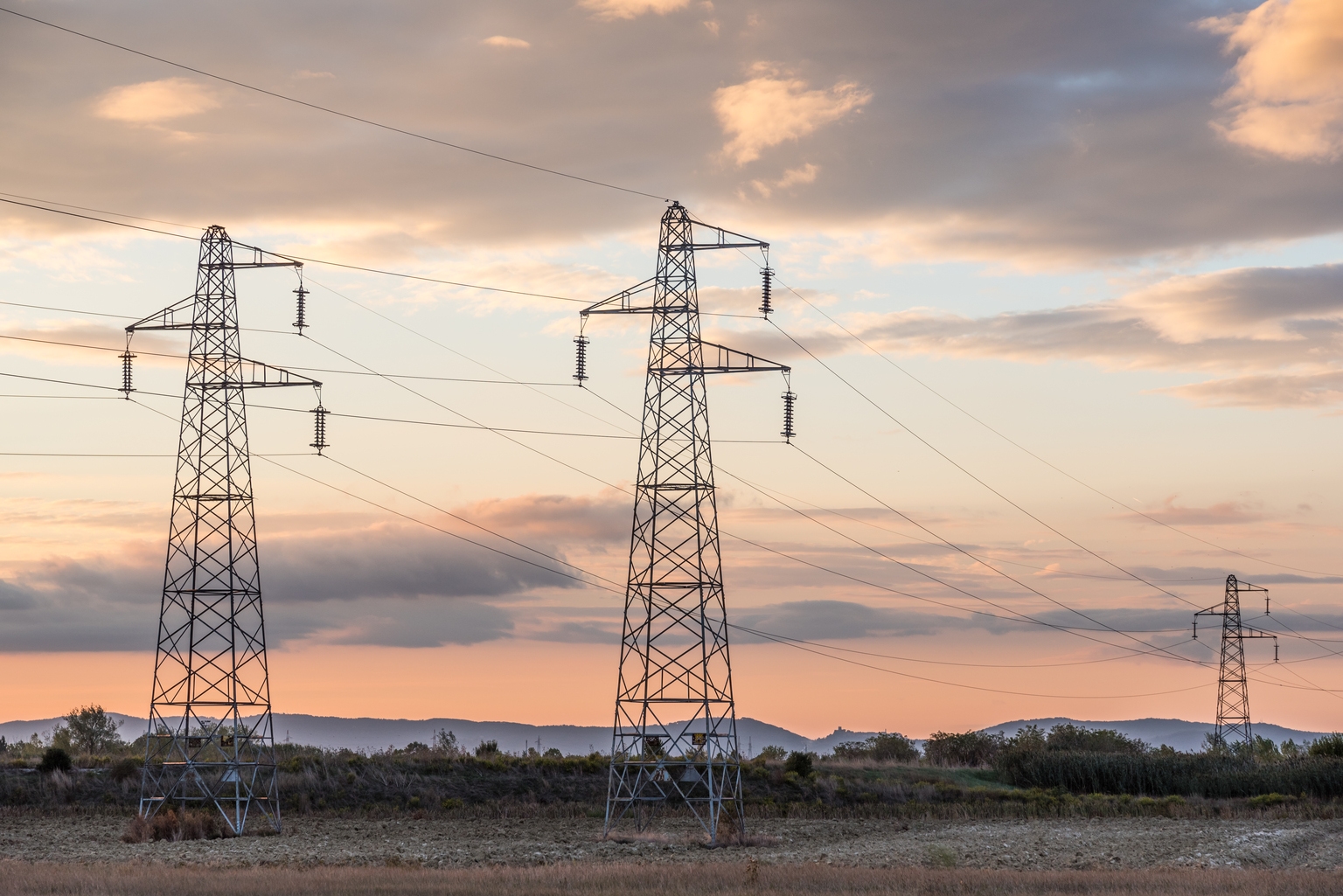
Core Points - The article outlines the newly established pricing and cost supervision methods for electricity transmission and distribution, aimed at enhancing the regulatory framework for power grid enterprises [1][2][30] - The methods include specific guidelines for provincial, regional, and cross-province transmission pricing, ensuring that costs are reasonable and aligned with legal standards [2][30] Group 1: Cost Supervision Principles - The cost supervision for transmission and distribution pricing must adhere to principles of legality, relevance, and reasonableness, ensuring that only direct and necessary costs are included [2][4] - Costs must comply with the Accounting Law of the People's Republic of China and relevant financial regulations [2][4] Group 2: Cost Composition - Transmission and distribution pricing costs consist of depreciation and operational maintenance costs, which include materials, repair, labor, and other operational expenses [5][6] - Specific costs such as materials and repair fees are capped at a percentage of the newly added fixed assets during the supervision period [15][39] Group 3: Excluded Costs - Certain costs are explicitly excluded from the pricing, including those unrelated to transmission and distribution services, such as expenses from auxiliary business units and penalties [8][10] - Costs that are compensated by government subsidies or donations are also not included in the pricing calculations [8][10] Group 4: Pricing Methodology - The pricing for provincial electricity transmission is determined based on the approved costs and reasonable returns, with a focus on promoting high-quality development of power grid enterprises [33][36] - The average transmission price is calculated by dividing the total approved revenue by the total electricity transmitted [47][48] Group 5: Regulatory Framework - The regulatory framework mandates that power grid enterprises report their cost data annually, ensuring transparency and accountability in pricing [28][34] - The methods are set to be implemented starting December 1, 2025, with a validity period of ten years [30][55]

跨省跨区电力现货结算迈向全国一体化
Huan Qiu Wang· 2025-11-19 05:22
Core Insights - The establishment of cross-regional electricity spot trading between State Grid and Southern Grid marks a significant advancement in optimizing electricity resource allocation across provinces in China, transitioning into the "spot trading era" [1][2][5] Policy and Institutional Developments - The National Development and Reform Commission and the National Energy Administration have set a clear roadmap for achieving comprehensive coverage of the electricity spot market by the end of 2025, with specific provinces transitioning to formal operations [2][3] - The introduction of the "Electricity Market Measurement and Settlement Basic Rules" has standardized measurement units, data standards, and settlement processes, significantly enhancing trading efficiency [3][4] Market Performance and Statistics - From January to September 2025, the total electricity market trading volume reached 49,239 billion kilowatt-hours, a year-on-year increase of 7.2%, with cross-provincial trading volume at 11,950 billion kilowatt-hours, up 12.1% [3][4] - In Zhejiang, the inter-provincial spot electricity purchase reached 10.2 billion kilowatt-hours in 2024, a 44% increase year-on-year, with cost savings of 226 million yuan [4][6] Technological Innovations - The intelligent settlement system developed by the two major grids has achieved a transaction error rate of less than 0.03%, significantly improving the accuracy and efficiency of cross-regional trading [5][6] Impact on Businesses and Urban Development - The spot settlement mechanism has become a crucial tool for ensuring supply resilience, with significant contributions during peak demand periods, such as the response to Typhoon "Haikang" in 2025 [6][7] - The integration of green electricity trading with the spot settlement mechanism has led to a substantial increase in clean energy consumption in Zhejiang, reaching 42% [6][7] Future Directions - The ongoing refinement of the cross-regional spot settlement mechanism aims to enhance user participation and improve inter-regional data exchange efficiency, paving the way for a unified national electricity market [7]