PepsiCo(PEP)

Search documents
The Super Bowl Isn't For Days. The Excitement Around The Ads Is Already Here
Investopedia· 2026-02-04 13:01
Core Insights - Companies are investing approximately $10 million for 30 seconds of advertising during the Super Bowl, one of the most-watched television events, which generates significant ad revenue [1][1] - High-profile figures such as Lady Gaga, Ben Stiller, Bowen Yang, and Emma Stone are featured in this year's Super Bowl commercials to create buzz and engage audiences [1][1] - The cost of airing ads has increased alongside viewership, with 30-second spots costing around $10 million, and total costs including production ranging from $16 million to $29 million [1][1] Advertising Trends - Brands are releasing teasers for their Super Bowl commercials, aiming to build anticipation among football fans [1][1] - Companies like Redfin, Svedka, and Budweiser are utilizing creative content to attract viewers, with Budweiser releasing a full 60-second ad ahead of the game [1][1] - Online prediction markets such as Kalshi and Polymarket are seeing significant betting activity on which companies will advertise during the Super Bowl [1][1] Market Impact - The Super Bowl's advertising landscape is becoming increasingly competitive, with brands facing scrutiny over their marketing campaigns [1][1] - A record 128 million viewers watched the Super Bowl last year, indicating a growing audience for advertisers [1][1] - The unique opportunity to reach an engaged audience during the Super Bowl is seen as valuable by companies with substantial marketing budgets [1][1]



Earnings live: Supermicro, Eli Lilly stocks pop on upbeat forecasts, AMD and Uber slide
Yahoo Finance· 2026-02-04 12:30
Group 1 - The fourth quarter earnings season is ongoing, with major companies like Alphabet, Amazon, AMD, Qualcomm, and Palantir reporting results [1] - As of January 30, 33% of S&P 500 companies have reported their fourth quarter results, with an estimated 11.9% increase in earnings per share, marking the 10th consecutive quarter of annual earnings growth for the index [2] - Analysts initially expected an 8.3% increase in earnings per share, which was revised up due to strong performance from tech companies, following a 13.6% growth rate in the previous quarter [4] Group 2 - Big Tech companies are setting the tone for the earnings season, with ongoing capital expenditures and themes such as artificial intelligence and economic policies influencing market dynamics [5] - Upcoming earnings reports will include updates from companies like Disney, Chipotle, PepsiCo, Uber, and Snap, indicating continued investor interest in diverse sectors [5]



PepsiCo Is Executing Well While Trading Below Its Long-Term Norm
Seeking Alpha· 2026-02-04 12:22
Core Insights - Investors are underestimating PepsiCo, Inc.'s (PEP) stable core business and management's efforts to enhance margins and return cash to shareholders [1] Company Analysis - PepsiCo's management is actively working to improve profit margins and increase shareholder returns, indicating a strong focus on financial health and operational efficiency [1] Market Perspective - The article emphasizes the importance of analyzing the underlying business performance and financial metrics rather than following market narratives [1]
百事集团2025年净收入近940亿美元,品牌主张发布中文版
Bei Ke Cai Jing· 2026-02-04 09:40
2025年,集团持续加码亚太供应链布局,中国西安、越南宁平、印尼雅加达等新产能项目陆续落成,为 食品业务的中长期发展奠定基础。 编辑 唐峥 校对 柳宝庆 "我们380亿美元规模的国际业务(占百事集团2025年净收入和核心业务营业利润的40%以上),在2025 年实现了4.5%的有机收入增长。其中,休闲食品的有机收入增长为3.5%,而饮料的有机收入增长为 7%。"龙嘉德表示,这是国际业务连续第19个季度实现至少中个位数的有机收入增长。 全年来看,亚太食品业务的报告收入为46.29亿美元,同比增长2%,有机收入增长1.5%,销量增长为 4%。尽管没有单独披露中国市场业绩,但龙嘉德提到,无论是咸味休闲食品还是饮料,百事2025年在 中国的市场份额保持稳定或有所增长。 据了解,作为百事集团增长的重要引擎,亚太食品业务2025年全域均实现了市场份额的增长,反映出其 产品组合与本地消费者需求之间的高度契合。 新京报讯(记者王子扬)2月4日,新京报记者了解到,全球食品饮料企业百事集团发布2025年财报显 示,2025年全年,集团净收入达到939.25亿美元(折合人民币约6751.33亿元),上年同期为918.54亿美 元; ...
百事集团2025年财报:全年净收入939.25亿美元
Mei Ri Jing Ji Xin Wen· 2026-02-04 06:32
每经AI快讯,百事集团2月3日发布2025年财报。2025年,百事集团全年净收入939.25亿美元,同比增长 2.3%;每股收益6.00美元。亚太市场表现稳健,其中亚太食品业务全年收入46.29亿美元,同比增长 2%,销量增长4%。 ...
时隔25年百事首次品牌焕新,发布全新中文主张
Xin Lang Cai Jing· 2026-02-04 05:03
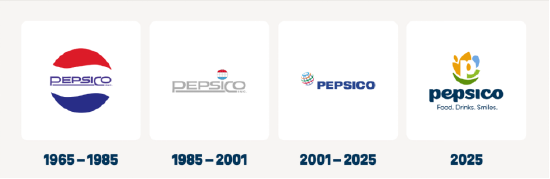
同时,百事集团也发布了全新企业品牌标识和品牌主张——"食有味 饮开怀"。这是百事集团近25年来 的首次品牌焕新。 对比来看,英文版的品牌主张"Food.Drinks.Smiles.",强调通过旗下优质的食品与饮料,让每一口都融 入更多瞬间,点亮生活的欢乐。 而中文版则结合中文传统表达:"有味"取自"有滋有味"、"津津有味",而"开怀"源自"开怀畅饮"、"开怀 大笑"。 百事集团亚太区CEO谢长安表示:"每一种独特的文化里,美食美饮都是幸福的通用语言,是欢笑的最 佳搭档。" 炒股就看金麒麟分析师研报,权威,专业,及时,全面,助您挖掘潜力主题机会! 2月4日,日前,百事集团发布了2025年第四季度及全年业绩。财报显示,第四季度,百事集团净收入 293.4亿美元,同比增长5.6%;有机收入增长2.1%。2025年全年,集团净收入达到939.25亿美元(折合 人民币约6751.33亿元),上年同期为918.54亿美元;有机收入增长为1.7%。 据了解,作为百事集团增长的重要引擎,亚太食品业务2025年全域均实现了市场份额的增长。2025年, 集团持续加码亚太供应链布局,中国西安、越南宁平、印尼雅加达等新产能项目已陆续 ...
百事集团2025年亚太市场份额实现全域增长,2026年预计收入最高增长4%
Xin Lang Cai Jing· 2026-02-04 04:57
2月4日,日前,百事集团发布了2025年第四季度及全年业绩。财报显示,第四季度,百事集团净收入 293.4亿美元,同比增长5.6%;有机收入增长2.1%。 2025年全年,集团净收入达到939.25亿美元(折合人民币约6751.33亿元),上年同期为918.54亿美元; 有机收入增长为1.7%。 百事集团首席执行官龙嘉德(Ramon Laguarta)表示,第四季度业绩反映出报告收入和有机收入的环比 增长加速,北美和国际业务双双改善。"净收入加速增长和显著的生产力节约,推动了第四季度营业利 润率的大幅提升,并实现了两位数的每股收益增速。" "我们380亿美元规模的国际业务(占百事集团2025年净收入和核心业务营业利润的40%以上)在2025年 实现了4.5%的有机收入增长。其中,休闲食品的有机收入增长为3.5%,而饮料的有机收入增长为 7%。"龙嘉德表示,这是国际业务连续第19个季度实现至少中个位数的有机收入增长。 2月4日,日前,百事集团发布了2025年第四季度及全年业绩。财报显示,第四季度,百事集团净收入 293.4亿美元,同比增长5.6%;有机收入增长2.1%。 2025年全年,集团净收入达到939.2 ...
摩根大通:将百事(PEP.O)目标价从164.00美元上调至176.00美元。
Jin Rong Jie· 2026-02-04 04:13
本文源自:金融界AI电报 摩根大通:将百事(PEP.O)目标价从164.00美元上调至176.00美元。 ...
百事公司Q4净营收293.4亿美元,同比增长5.6%
Cai Jing Wang· 2026-02-04 03:40
(编辑:王璨 林辰) 近日,百事公司发布第四季度财报,财报显示,该财季公司净营收293.4亿美元,同比增长5.6%;核心 每股收益2.26美元。 (企业官网) ...
“把乐带回家”十五年:从陪伴到共情,百事的长期主义与文化共建
Di Yi Cai Jing· 2026-02-04 03:23
Core Insights - The article discusses how Pepsi's "Bringing Happiness Home" campaign has evolved over 15 years, becoming a significant part of Chinese cultural identity, particularly during the Spring Festival [3][4][9] - The campaign reflects a shift from traditional success narratives to a focus on ordinary life and emotional connection, resonating with contemporary consumer sentiments [5][10] Group 1: Brand Evolution - "Bringing Happiness Home" is rooted in local culture and specifically designed for the Chinese Spring Festival, marking its unique position in Pepsi's marketing strategy [3][4] - The campaign has transformed from celebrating family reunions to addressing broader community and cultural identities, emphasizing a shared emotional need for connection and reassurance [4][5] Group 2: Marketing Strategy - The campaign's approach is characterized by a long-term emotional investment rather than immediate marketing noise, aiming to create a lasting emotional bond with consumers [8][9] - The collaboration with the animated IP "Wang Wang Mountain Little Monsters" signifies a deeper cultural engagement, moving beyond superficial brand partnerships to a narrative that resonates with everyday life [6][10] Group 3: Cultural Integration - Pepsi's strategy emphasizes respect, participation, and integration into local culture, aiming to build a "national brand" emotional core in the Chinese market [7][11] - The partnership with "Wang Wang Mountain" is seen as a significant cultural shift, reflecting a desire for unconditional acceptance and emotional resonance in marketing narratives [6][10] Group 4: Industry Implications - The collaboration serves as a reference model for the industry, illustrating a transition from superficial brand collaborations to deeper narrative integration and emotional connection [10][12] - It highlights the importance of co-creating narratives that resonate with consumers, moving from mere brand presence to active participation in cultural storytelling [11][12]