
Pfizer(PFE)

Search documents
Adaptive Biotechnologies signs non-exclusive deals with Pfizer worth up to $890 million
Reuters· 2025-12-15 13:24
Core Insights - Adaptive Biotechnologies has entered into two non-exclusive agreements with Pfizer to advance research in rheumatoid arthritis and other immune-related diseases [1] Company Summary - The collaboration with Pfizer aims to leverage Adaptive Biotechnologies' expertise in immune profiling to enhance the understanding and treatment of autoimmune conditions [1] - These deals signify a strategic partnership that may lead to innovative therapeutic solutions in the field of immunology [1] Industry Summary - The agreements highlight the growing interest and investment in research related to autoimmune diseases, particularly rheumatoid arthritis, which affects millions globally [1] - This collaboration reflects a broader trend in the pharmaceutical industry towards partnerships that combine advanced biotechnology with traditional drug development [1]


Adaptive Biotechnologies Announces Two Immune Receptor Licensing Agreements with Pfizer
Globenewswire· 2025-12-15 13:00
Core Insights - Adaptive Biotechnologies has entered into two non-exclusive agreements with Pfizer to utilize its T-cell receptor (TCR) discovery capabilities and immune receptor antigen mapping data for research in rheumatoid arthritis (RA) [1][3][5] Group 1: Agreements Overview - The first agreement focuses on identifying disease-causing TCRs in RA, where Adaptive will analyze Pfizer's clinical samples to find common TCRs enriched in RA patients [3] - The second agreement involves licensing Adaptive's TCR-antigen datasets, which are claimed to be the largest and highest quality available, for use in developing AI and machine learning models at Pfizer [4][6] Group 2: Financial Aspects - Adaptive will receive an upfront payment from Pfizer and may be eligible for additional payments that could total up to approximately $890 million, contingent on data delivery, development, and commercialization milestones [5] - Specific financial terms of the TCR-antigen data licensing agreement have not been disclosed, but it is a multi-year, non-exclusive agreement [6] Group 3: Company Background - Adaptive Biotechnologies is a commercial-stage biotechnology company focused on leveraging the adaptive immune system for disease diagnosis and treatment, with a goal to develop immune-driven clinical products tailored to individual patients [7]
辉瑞中国区副总裁钱云:创新药生态正进入全链条、系统化支持新阶段
Mei Ri Jing Ji Xin Wen· 2025-12-15 12:46
Core Insights - The article discusses the recent "2025 14th Annual Development Conference of Listed Companies and Hainan Free Trade Port Opportunities Exchange Conference" held in Haikou, highlighting the participation of over 400 listed companies and various institutions to explore policy paths and globalization opportunities in the context of high-level openness [2] Group 1: Pfizer's Strategic Shift - Pfizer is transitioning from "importing global innovation" to "deep co-creation with China's innovation system" as part of its strategy in China [3] - The "Pfizer China 2030 Strategy" includes three pillars: accelerating innovation, improving diagnostic capabilities and treatment standards, and promoting local scientific innovation [3] - Pfizer has established innovation centers in cities like Beijing and Shanghai, aiming to enhance collaboration with local research forces [3] Group 2: Policy Support for Innovative Drugs - Recent policies supporting high-quality development of innovative drugs have become systematic, covering the entire chain from drug research and approval to hospital access and insurance payment [4] - The acceleration of innovative drug approvals allows for more global synchronized launches and quicker inclusion in insurance directories, addressing previous bottlenecks in the "last mile" of drug delivery [4][6] - The introduction of commercial insurance directories is seen as a significant signal for the industry, providing a multi-dimensional patient protection plan that can significantly reduce out-of-pocket expenses for patients [5] Group 3: Multi-Payment Mechanism - The establishment of a multi-payment mechanism is crucial for reducing patient financial burdens, particularly for high-cost innovative drugs in oncology and rare diseases [6] - The goal is to create an ecosystem where government, enterprises, medical institutions, and insurance companies share risks and benefits, enabling faster and more affordable access to life-saving innovative drugs for Chinese patients [6] Group 4: Hainan's Role in Innovation - Hainan, particularly the Boao Lecheng International Medical Tourism Pilot Zone, is highlighted as a significant area for the pharmaceutical industry, benefiting from "first trial" policies [7] - Pfizer has successfully utilized these policies, with nine products benefiting from expedited access to patients, exemplifying the potential for synchronized drug availability with global markets [7] - The "first trial" policy fosters confidence among healthcare providers, facilitating the exploration and optimization of clinical applications for innovative drugs in the Chinese population [7] Group 5: Future Recommendations - Further policy support for innovative drugs post-launch is recommended, including facilitating the first listing of products in Hainan and promoting the implementation of the 2025 insurance and commercial insurance innovative drug directories [8][9] - The aim is for Hainan to develop a distinctive path for high-quality development of innovative drugs, enhancing the overall ecosystem for patient access to these therapies [9]
Buy And Hold Portfolio For Next 10 Years: Potential $5,500 Monthly Income
Seeking Alpha· 2025-12-13 13:00
Core Insights - The "High Income DIY Portfolios" service aims to provide high income with low risk and capital preservation for DIY investors, particularly targeting income investors such as retirees [1][2] - The service offers a total of 10 model portfolios, including various strategies like buy-and-hold and rotational portfolios, designed to create stable, long-term passive income with sustainable yields [1][2] Group 1: Portfolio Strategies - The service includes seven portfolios: three buy-and-hold, three rotational, and a conservative NPP strategy portfolio, focusing on low drawdowns and high growth [1] - The portfolios are categorized into two High-Income portfolios, two Dividend Growth Investing (DGI) portfolios, and a conservative NPP strategy [1] Group 2: Investment Approach - The investment approach emphasizes a unique 3-basket strategy that targets 30% lower drawdowns and aims for a 6% current income with market-beating growth over the long term [2] - The service provides buy and sell alerts, as well as live chat for real-time support and guidance [2]




Forget Teladoc and Buy This Healthcare Stock Instead
Yahoo Finance· 2025-12-13 12:13
Group 1 - Teladoc Health has been struggling with declining revenue as demand for its services has decreased post-pandemic, and its virtual therapy service, BetterHelp, faces stiff competition [1] - Management efforts to turn around Teladoc have not been successful, leading to a recommendation for investors to consider other healthcare stocks, particularly Pfizer [2] - Pfizer experienced significant revenue and earnings growth during the pandemic due to its leading coronavirus vaccine, Comirnaty, and antiviral treatment, Paxlovid, but has seen a decline in revenues over the past three years [4] Group 2 - Despite a 50% decline in share price over the past three years, Pfizer has a clearer path to recovery compared to Teladoc, supported by its established profit generation and strategic acquisitions [5] - Pfizer is expected to secure approvals for several new products in the coming years, targeting markets such as weight management and oncology, which are crucial for future sales and earnings growth [6] - The company has over 100 programs in clinical trials and has taken steps to mitigate potential threats, including a deal to sell some medicines at lower prices in exchange for tariff exemptions [7]
20.85亿美元!复星医药国际合作再添里程碑
Ge Long Hui· 2025-12-13 04:35
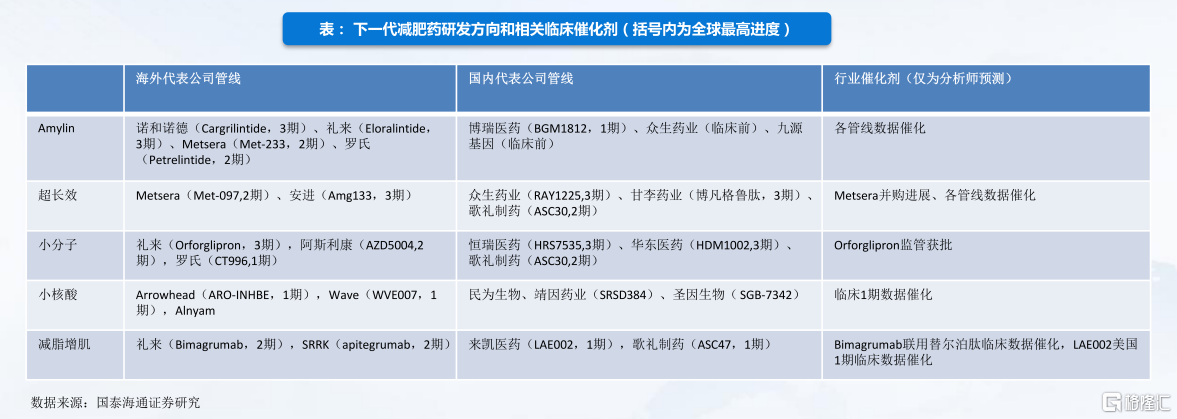
Core Viewpoint - Pfizer's aggressive strategy in the weight loss drug market is underscored by its recent licensing agreement with Fosun Pharma, granting Pfizer exclusive global rights to develop and commercialize the oral GLP-1R agonist YP05002, with a total transaction value of up to $2.085 billion [1][3][4]. Group 1: Pfizer's Strategic Moves - Pfizer's recent acquisition of Metsera for over $10 billion and the licensing deal for YP05002 reflect its commitment to expanding its weight loss drug portfolio amid impending patent expirations for several key products [3][4]. - The company plans to invest $10-15 billion in mergers and acquisitions by 2025, indicating a proactive approach to filling revenue gaps caused by patent cliffs [3][4]. - Pfizer's recent transactions highlight its determination to capture a significant share of the weight loss market, which is projected to be worth hundreds of billions [3][4]. Group 2: Fosun Pharma's International Strategy - The collaboration with Pfizer is a significant milestone for Fosun Pharma, enhancing its internationalization strategy and accelerating the global development of YP05002 [2][10]. - Fosun Pharma has completed six external business development deals in 2025, totaling approximately $4 billion, which includes various innovative drug pipelines [10][11]. - The partnership with Pfizer not only boosts Fosun's revenue potential but also strengthens its core technology platforms in antibody, ADC, cell therapy, and small molecule innovation [10][11]. Group 3: Market Dynamics and Competitors - The weight loss drug market is experiencing a surge, with multiple companies reporting positive clinical data for their GLP-1 drugs, leading to significant stock price increases [5][6]. - Notable competitors include ShouTi Bio and EQRx, which have reported promising results for their respective GLP-1 drugs, indicating a competitive landscape [5][6]. - The emergence of next-generation weight loss drugs, including small molecules and siRNA therapies, suggests a dynamic and evolving market with various players vying for market share [8][9][14].
Pfizer Declares First-Quarter 2026 Dividend
Businesswire· 2025-12-12 17:00
NEW YORK--(BUSINESS WIRE)--Pfizer Inc. (NYSE: PFE) today announced that its board of directors declared a $0.43 first-quarter 2026 dividend on the company's common stock, payable March 6, 2026, to holders of the Common Stock of record at the close of business on January 23, 2026. The first-quarter 2026 cash dividend will be the 349th consecutive quarterly dividend paid by Pfizer. About Pfizer: Breakthroughs That Change Patients' Lives At Pfizer, we apply science and our global resources to brin. ...

Pfizer Is Still Struggling to Replace Its COVID Revenue. Here's What We Could See From the Pharmaceutical Giant in 2026.
The Motley Fool· 2025-12-12 16:32
Core Viewpoint - Pfizer has seen a significant decline in its coronavirus vaccine market, which previously contributed to over $100 billion in annual sales, and faces challenges in replacing this revenue stream moving forward [1][2]. Vaccine Development - Pfizer is developing new mRNA vaccines, including one for influenza, which could improve efficacy compared to traditional flu vaccines that have variable effectiveness [4][5]. - In a phase 3 clinical trial, Pfizer's mRNA influenza candidate showed significantly fewer flu-like illnesses compared to a leading competitor, with potential regulatory submissions expected next year [6]. Cancer and Weight Loss Candidates - Pfizer is advancing two promising candidates: PF-4404, an investigational cancer medicine with a dual mechanism of action, and MET-097i, a weight loss medicine acquired through Metsera [7][9]. - PF-4404 is set to initiate seven new clinical trials and target 10 new indications by the end of next year, which could be a long-term growth driver if approved [8]. - MET-097i has shown competitive weight loss potential and favorable tolerability, with phase 3 studies anticipated to start in 2026 [10]. Financial Outlook - Pfizer is facing patent cliffs, particularly with the immunosuppressant Xeljanz losing exclusivity, which may hinder sales growth in the near term [11]. - Despite a 2% year-over-year revenue decline to approximately $45 billion in the first nine months of 2025, net income has benefited from cost-cutting measures [13]. - The stock is currently undervalued at 8.7 times forward earnings compared to the healthcare sector average of 18.3, and offers a forward dividend yield of 6.6%, making it attractive for long-term investors [14].

The Best Turnaround Stock to Invest $1,000 in Right Now
The Motley Fool· 2025-12-12 15:15
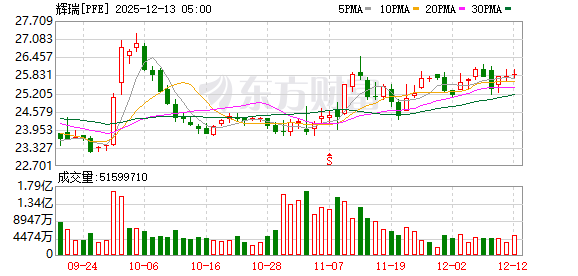
Core Viewpoint - Pfizer and Bristol Myers Squibb are currently out of favor in the market, but Pfizer may present a better turnaround opportunity for long-term investors [1] Company Comparisons - Comparing companies is essential for understanding their relative value; for instance, Eli Lilly's P/E ratio is nearly 50, while Bristol Myers Squibb's is just over 17 and Pfizer's is under 15 [4] - Eli Lilly's strong performance is attributed to its leading position in the GLP-1 weight loss market, while Pfizer has faced setbacks and has had to pursue acquisitions to enhance its drug pipeline [5][6] Patent Cliffs - Both Pfizer and Bristol Myers Squibb are facing upcoming patent cliffs, which raises investor concerns about potential revenue declines; in contrast, Eli Lilly may not face a significant patent cliff for over a decade [9] Investment Considerations - Bristol Myers Squibb offers a safer investment profile with a dividend yield of nearly 4.8% and a payout ratio of approximately 85%, while Pfizer's yield is 6.6% with a 100% payout ratio, indicating higher risk [11][14] - For contrarian income investors, Bristol Myers Squibb may be more attractive, but for those seeking a turnaround opportunity, Pfizer presents a better choice due to its 55% decline from 2021 highs compared to Bristol Myers Squibb's 35% decline from 2022 highs [12][15] Market Performance - Pfizer's stock is currently trading at $25.88 with a market cap of $147 billion, while Bristol Myers Squibb is at $52.73 with a market cap of $104 billion [10][13]


辉瑞恋战减肥药
Jing Ji Guan Cha Wang· 2025-12-12 14:36
Core Insights - Pfizer has made a significant investment in acquiring a licensing agreement with Fosun Pharma for a GLP-1 receptor agonist developed by its subsidiary, Yaoyou Pharmaceutical, which is currently undergoing Phase I clinical trials in Australia [1][3] - The global market for GLP-1 drugs is booming, with the highest-selling drugs in the first three quarters of 2025 being GLP-1 class medications, highlighting the lucrative opportunity for multinational companies in this sector [1][2] Group 1: Licensing Agreement Details - The licensing agreement grants Pfizer exclusive global rights for the development, use, production, and commercialization of the GLP-1R agonist, with an upfront payment of $150 million, milestone payments of $350 million, and up to $1.585 billion in sales milestone payments [1] - The total potential transaction value of $2.085 billion is comparable to similar agreements made by other Chinese pharmaceutical companies with foreign firms regarding GLP-1 drugs [2] Group 2: Challenges and Market Potential - Pfizer has faced challenges in the development of GLP-1 drugs, having terminated three clinical trials for oral GLP-1 candidates between 2023 and 2025, and recently acquired Metsera for over $10 billion to gain access to multiple GLP-1 candidates [3] - The agreement with Fosun Pharma uniquely includes provisions for animal indications, indicating Pfizer's interest in the pet obesity market, which is significant given that 61% of cats and 59% of dogs in the U.S. are overweight or obese [3][4] Group 3: Animal Health Market Insights - The pet obesity market is gaining attention, with companies like Okava conducting clinical trials for GLP-1 drugs aimed at pets, indicating a growing trend in veterinary applications of these medications [4] - Pfizer previously launched an animal weight loss drug, Dirlotapide, which was withdrawn due to adverse effects, but is now exploring the potential of GLP-1 drugs for treating pet diabetes and other conditions [5]