LG Energy Solution

Search documents
Tesla Battery Pivot Sparks ETF Rotation: America In, China Out?
Benzinga· 2025-07-30 16:10
Core Viewpoint - Tesla Inc. has entered a $4.3 billion battery agreement with LG Energy Solution, signaling a shift towards domestic battery production in the U.S. and reducing reliance on Chinese battery manufacturers [1] Group 1: Impact on ETFs - The new agreement is expected to enhance investor optimism regarding U.S.-focused clean energy and manufacturing ETFs, benefiting from the "Made in America" supply chains [2] - ETFs like iShares U.S. Clean Energy ETF (ICLN) may see inflows due to their exposure to companies benefiting from the Inflation Reduction Act [3] - First Trust NASDAQ Clean Edge Smart Grid Infrastructure Index Fund (GRID) could also benefit as Tesla's domestic battery production increases, positively impacting related sectors [3] Group 2: International Clean Tech ETFs - South Korean-based LGES is a key player in the clean tech space, and ETFs with international clean tech holdings may gain from the rising profile of South Korean battery manufacturers [4] - KraneShares Electric Vehicles and Future Mobility ETF (KARS) has high exposure to global EV technology and could benefit as LGES gains prominence [4] Group 3: Challenges for China-Focused ETFs - ETFs that previously relied on China's battery leadership may face challenges as Tesla's strategy diverts investment towards non-Chinese suppliers [5] - KraneShares MSCI China Clean Technology Index ETF (KGRN) may experience subdued gains or volatility due to reduced exposure to Chinese battery output [6] Group 4: Strategic Motivations Behind the Shift - Tesla's move is driven by a desire to mitigate trade risks and leverage favorable domestic policies, such as tax credits from the Inflation Reduction Act [7] - By reducing reliance on Chinese suppliers, Tesla avoids potential tariffs and trade uncertainties, prompting a possible rebalancing in investor portfolios [8] - This shift indicates a trend towards more balanced global EV supply chains, suggesting a solid investment thesis for ETFs reflecting this larger trend [9] Group 5: Conclusion - The evolving landscape of geopolitics, policy incentives, and supply chain strategies necessitates a reevaluation of ETF holdings, with Tesla's actions serving as a catalyst for change in fund management strategies [10]



X @Tesla Owners Silicon Valley
Tesla Owners Silicon Valley· 2025-07-30 05:10
Battery Industry Deal - LG Energy Solution signs a $4.3 billion (十亿) global LFP battery deal [1] - The deal spans from 2027 to 2030 [1] Potential Customer - Tesla is speculated to be a major client for LG Energy Solution's LFP batteries [1] - The customer for the $4.3 billion (十亿) deal remains unnamed [1]
近5GWh!南网等4企获储能订单
行家说储能· 2025-07-29 12:20
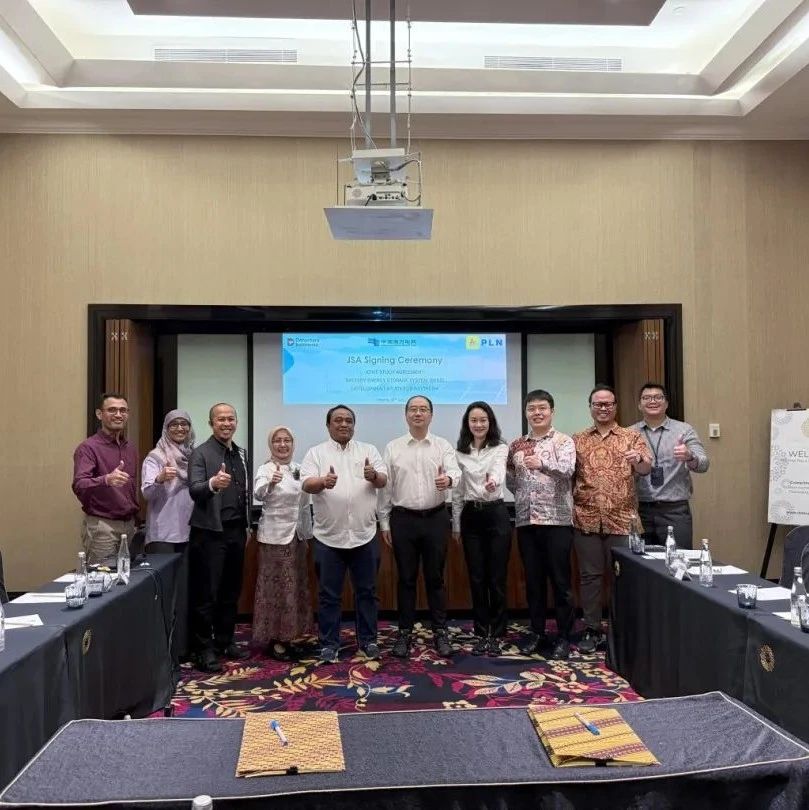
Core Insights - Multiple companies have recently announced significant collaborations in the energy storage sector, totaling 4.874 GWh of storage orders [1] Group 1: South China Power Grid and Indonesia - South China Power Grid International (Hong Kong) has signed an agreement with Indonesia's state electricity company to jointly research energy storage development in Indonesia, focusing on five key areas: development planning, investment policies, pricing mechanisms, technical solutions, and safety standards [2][4] - This collaboration aims to enhance the efficiency of energy storage projects in Indonesia and accelerate its low-carbon transition, serving as a model for energy storage development in Southeast Asia [4] Group 2: Samsung SDI - Samsung SDI has won 2.574 GWh of energy storage orders by securing six out of eight projects in the first round of public bidding by the South Korean government [5] - The total project capacity is 3.39 GWh across various regions, with an estimated project value of approximately 1 trillion KRW (7.25 million USD, about 51.5 billion RMB) [5] - Samsung SDI's competitive edge in the bidding process was attributed to its advantages in non-price criteria, which accounted for 40% of the evaluation [5][6] Group 3: Fluence and Invenergy - Fluence has partnered with independent power producer Invenergy to construct the Hashknife project in Navajo County, Arizona, which includes 475 MW of solar power and 1.9 GWh of energy storage [7] - The project will be developed in two phases, with the first phase starting in 2024 and expected to be operational by 2026, while the second phase will begin this year and is expected to be operational by 2027 [8] - The project will utilize Fluence's Gridstack and Gridstack Pro lithium-ion storage solutions, with total economic investment projected at 53 million USD [9] Group 4: Tesla - Tesla is currently operating a 185 MW solar plus 400 MWh battery energy storage system (BESS) project in Lincoln County, Nevada [10] - In the second quarter of 2025, Tesla deployed 9.6 GWh of battery storage products, with a total deployment of approximately 20 GWh in the first half of the year [11] - Tesla's Shanghai Gigafactory has produced its 1,000th Megapack energy storage system in less than six months, which will be shipped to Europe [11]

据媒体报道:韩国锂离子电池生产商SK Nexilis将向LG Energy Solution供应铜箔。
news flash· 2025-07-24 23:08
Group 1 - SK Nexilis, a South Korean lithium-ion battery manufacturer, will supply copper foil to LG Energy Solution [1]
2026年俄罗斯莫斯科光伏电池储能市场分析
Sou Hu Cai Jing· 2025-07-18 07:46
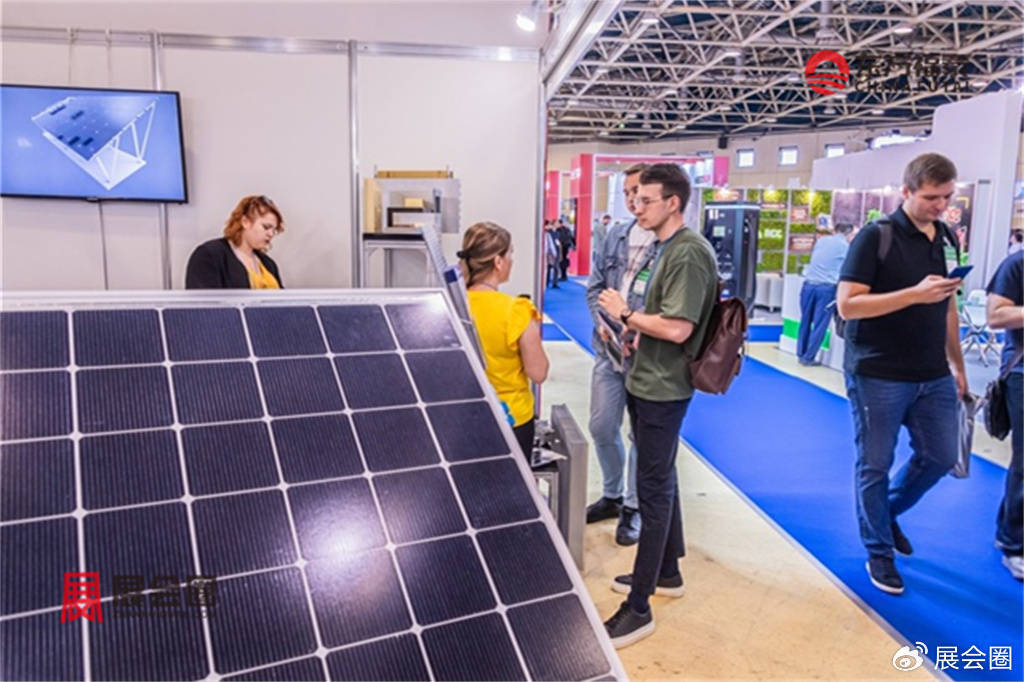
Market Overview - The photovoltaic (PV) and energy storage market in Moscow, Russia, is experiencing rapid development, transitioning from traditional energy reliance to renewable energy solutions [2][4] - As of 2024, the total installed capacity of renewable energy in Russia is approximately 6.18 GW, with solar energy accounting for nearly 2.2 GW [2] - The Russian government aims to increase the share of renewable energy to over 25% by 2035, with significant deployment in urban residential, commercial, and public facilities [2][4] Energy Storage Market - The revenue of the energy storage market in Russia reached approximately $228 million in 2023, projected to grow to $1.425 billion by 2030, with a compound annual growth rate (CAGR) exceeding 29% [2][13] - Energy storage systems are increasingly applied in commercial parks, residential areas, and critical facilities like hospitals and schools to address peak demand and enhance power supply security [2][4] Policy Framework - The Russian government is implementing a phased approach to energy structure adjustment, with a target of 10-15 GW of energy storage capacity by 2030 [4][15] - A green power certification mechanism has been established to encourage investments in solar and storage systems, involving electric grid companies and equipment manufacturers [4][15] Technological Developments - Lithium-ion batteries are becoming the dominant technology in the market, with household and small commercial storage systems primarily ranging from 6-10 kW [4][8] - The state-owned Rosatom's Renera company plans to establish a manufacturing base with an annual capacity of 3 GWh for battery production, promoting domestic battery manufacturing [4][8] Market Trends - The solar market in Russia achieved approximately $6.84 billion in revenue in 2023, expected to rise to $11.92 billion by 2030, with a CAGR of about 8.3% [11][13] - The market is transitioning from traditional lead-acid batteries to lithium-ion and flow battery technologies, with domestic leaders investing in lithium battery production [13][15] Application Scenarios - The integration of PV and storage systems is expanding into various applications, including residential projects, commercial buildings, and industrial parks, enhancing energy independence and stability [9][15] - Off-grid storage solutions are gaining traction in remote areas, providing reliable clean energy to thousands of users [4][15] Competitive Landscape - The market is characterized by increasing competition, with domestic and international brands vying for market share [27][29] - Companies like Sungrow Power Supply, Tesla, BYD, and LG Energy Solution are notable players, each leveraging their technological strengths to cater to different market segments [27][29]
General Motors, LGES to Upgrade Spring Hill Site to Make LFP Batteries
ZACKS· 2025-07-15 16:25
Core Insights - General Motors (GM) and LG Energy Solution (LGES) are upgrading the Spring Hill, TN plant to produce more affordable lithium iron phosphate (LFP) electric vehicle (EV) battery cells, which are less expensive than traditional lithium-ion batteries due to the absence of costly materials like cobalt and nickel [1][9] - The upgrade will enable U.S.-based production of LFP batteries, complementing GM's existing high-nickel battery offerings and future lithium-manganese-based batteries, thereby expanding GM's EV lineup [2] Company Developments - GM currently offers 12 EV models with prices ranging from approximately $35,000 to over $300,000, with the upcoming Chevy Silverado EV and next-generation Chevy Bolt EV expected to feature LFP batteries [3] - The new Bolt is anticipated to start production later this year and reach consumers by early 2026, while local LFP production is targeted for late 2027 [3] - The LFP version of the Silverado EV is projected to provide around 350 miles of range and reduce vehicle costs by $6,000 [3] Investment and Technology - The Spring Hill plant upgrade builds on a previous $2.3 billion investment announced in 2021, although no additional investment figures were disclosed for the current upgrade [4] - GM is also developing advanced battery technologies, including lithium-manganese-rich chemistries for large EVs, expected to launch around early 2028, and is exploring silicon anodes and solid-state batteries in its Michigan R&D labs [4] Industry Context - LFP batteries, initially developed in the U.S., have seen mass adoption and advancements led by Chinese manufacturers like BYD and CATL, while Korean companies like LG are now accelerating their efforts in this space [5] - LFP technology is gaining traction in the U.S., with Ford and Tesla also investing in LFP battery production [5] - The GM-LGES joint venture is currently the largest battery cell manufacturer in North America [5]


摩根大通:Big Beautiful Bill – 最终法案,通胀削减法案 更新加速美国电动汽车补贴逐步取消,但推动 ESS、关键矿物。加速与中国脱钩
摩根· 2025-07-15 01:58
Investment Rating - The report indicates a shift in investment ratings for the EV and solar industries, with a more favorable outlook for energy storage systems (ESS) and critical minerals compared to solar and wind [16]. Core Insights - The "One Big Beautiful Bill" accelerates the phaseout of EV subsidies, expiring on September 30, 2025, compared to December 31, 2032, under the original IRA [16]. - The report highlights stricter restrictions on foreign entities, particularly from China, affecting the eligibility for investment tax credits (ITC) and advanced manufacturing production credits (AMPC) [16][17]. - There is a notable increase in domestic content requirements to qualify for additional credits, which may impact the cost structure for manufacturers [16][17]. Summary by Sections Part 1: EV Consumer Tax Credits - The final assembly of EVs must occur in North America to qualify for tax credits, with a maximum credit of $7,500 [6]. - Key requirements include MSRP limits of $80,000 for SUVs and $50,000 for other vehicles, with critical minerals and battery component restrictions starting in 2024 and 2025 respectively [6][7]. Part 2: Residential Clean Energy Credit - The residential clean energy credit remains at 30% for expenditures through December 2032, decreasing to 26% in 2033 and 22% in 2034 [10]. - No credits will be available for expenditures made after December 31, 2034 [10]. Part 3: ITC - The business tax credit for investment in zero-emission power and energy storage property is set at 30% of capital expenditures, with additional bonuses for domestic content [12]. - The credit rate will phase out based on the date of construction start, with specific thresholds for solar and energy storage systems [12]. Part 4: Advanced Manufacturing Production Credit - The AMPC will phase out for eligible components produced and sold, with a stricter non-PFE threshold compared to the Senate draft [13]. - The report emphasizes that projects with "effective control" by prohibited foreign entities will not receive credits, impacting U.S. battery production using Chinese components [16][17]. Key Changes vs. IRA - The report outlines significant changes from the original IRA, including the introduction of PFE restrictions and a more stringent domestic content requirement for tax credits [16]. - The overall stance on China has become tougher, with implications for U.S. manufacturers relying on foreign supply chains [16].




GM to challenge China's LFP monopoly with upgraded battery factory
TechCrunch· 2025-07-14 16:04
Core Insights - GM is collaborating with LG Energy Solution to upgrade its Ultium battery factory to produce lithium-iron-phosphate (LFP) cells for low-cost electric vehicles (EVs) [1][2] - The Spring Hill, Tennessee battery plant, valued at $2.3 billion, will transition from lithium-ion cells to LFP production, with commercial output expected by late 2027 [2][7] - The automotive industry is increasingly favoring LFP batteries due to their lower cost and enhanced safety profile compared to nickel-manganese-cobalt (NMC) batteries [3] Group 1: Battery Production and Technology - The Spring Hill factory will begin converting its battery cell lines to LFP cells later this year, enhancing domestic LFP production capabilities [2][7] - GM's strategy includes a three-pronged approach to battery sourcing, utilizing NMC for high-range models, LFP for entry-level vehicles, and a new lithium-manganese-rich (LMR) chemistry for mid-range applications [3][4][5] - LMR cells, which will reduce nickel and cobalt content in favor of more affordable manganese, are expected to enter the market in 2028, offering a balance of range and cost [5] Group 2: Market Trends and Future Outlook - The consistent decline in battery pack costs suggests that LFP prices may fall below those of LMR in the coming years, making LFP a more attractive option for entry-level vehicles [7] - The shift towards LFP aligns with broader industry trends favoring cost-effective and safer battery technologies, positioning GM competitively in the EV market [3][7]

X @Bloomberg
Bloomberg· 2025-07-14 15:10
General Motors and LG Energy Solution plan to add more battery production lines at their joint venture plant in Tennessee to make lower-cost cells starting in late 2027 https://t.co/ShjJVJyxMz ...
GM, LG to upgrade Tennessee plant to make low-cost EV batteries
CNBC· 2025-07-14 15:00
Core Viewpoint - Ultium Cells, a joint venture between General Motors and LG Energy Solution, is upgrading its Spring Hill, Tennessee facility to produce low-cost lithium iron phosphate (LFP) battery cells for electric vehicles (EVs) [1][3]. Group 1: Facility Upgrade and Production - The upgrade at the Spring Hill facility aims to scale production of lower-cost LFP cell technologies in the U.S., which will diversify GM's EV portfolio alongside high-nickel and future lithium manganese-rich solutions [2]. - Commercial production of the LFP cells is expected to begin by late 2027 [3]. Group 2: Investment and Partnership - GM and LG invested $2.3 billion in the Tennessee battery plant when the partnership was announced in 2021, with the recent announcement building on this collaboration [3]. - No additional financial details regarding the upgrade were disclosed [3]. Group 3: Strategic Direction and Market Context - GM has 12 EVs in its lineup, with prices ranging from approximately $35,000 to over $300,000 [2]. - The announcement aligns with GM's broader strategy to transition to an all-EV lineup by 2035, although customer demand has influenced the pace of this transition [5].