Canva

Search documents
Behind Figma's IPO Pricing Incident
20VC with Harry Stebbings· 2025-08-07 15:10
Market Valuation & IPO Dynamics - The $98 price for Figma was contingent on the IPO occurring at $38 [1] - Raising at $80 would not have garnered sufficient bids [2] - Timing is crucial for IPOs due to market seasonality [2] Strategic Recommendations - Canva, as a strong company, should prepare for an IPO [2]


X @Bloomberg
Bloomberg· 2025-08-07 05:04
Airtree Ventures, an investor in Canva and AirWallex, has closed a $425 million fund focused on Australia and New Zealand, saying international interest is growing in the region’s startups https://t.co/kAY3jwy4C9 ...
SuRo Capital(SSSS) - 2025 Q2 - Earnings Call Transcript
2025-08-06 22:00
Financial Data and Key Metrics Changes - The company reported a net asset value (NAV) of $9.18 per share, a 38% increase from the prior quarter, marking the largest increase since inception [6][30] - The increase in NAV was primarily driven by net unrealized appreciation of the investment portfolio and realized gains from the sale of investments [30] Business Line Data and Key Metrics Changes - CoreWeave's stock price increased over 200% following its IPO, reflecting strong investor conviction [9] - The company sold approximately 40% of its initial CoreWeave investment, generating $25.3 million in net proceeds and $15.3 million in realized gains [10][11] - The company fully exited its investment in ServiceTitan, realizing a gain of approximately $6 million [11] Market Data and Key Metrics Changes - OpenAI is generating over $13 billion in annual recurring revenue (ARR), with projections of reaching $20 billion by year-end [13] - Canva's annual recurring revenue is now $3.3 billion, up 50% since May 2024, with 240 million monthly active users [18] Company Strategy and Development Direction - The company is focused on AI infrastructure investments, which accounted for approximately 33% of the investment portfolio at fair value [29] - The company plans to continue monetizing investments as portfolio companies become public and shares are freely tradable [11][16] Management's Comments on Operating Environment and Future Outlook - Management expressed optimism about the ongoing trends in AI capital expenditures and the reopening of the IPO market [6][7] - The company anticipates declaring additional distributions throughout the year based on ongoing portfolio activity [31] Other Important Information - The company declared a cash dividend of $0.25 per share, paid on July 31, to shareholders of record as of July 21 [11][31] - The company ended the quarter with approximately $52.4 million in liquid assets, including $49.9 million in cash [31] Q&A Session Summary Question: Thoughts on the second quarter dividend and potential size of dividends in Q3 and Q4 - Management projected ongoing monetizations of public companies and anticipates declaring at least one and possibly two distributions targeting one towards the end of Q3 and another towards the end of the year [34][37]

SuRo Capital Corp. Reports Second Quarter 2025 Financial Results
Globenewswire· 2025-08-06 20:05
Core Insights - SuRo Capital Corp. reported a significant increase in net asset value (NAV) per share, reaching $9.18 as of June 30, 2025, up from $6.66 per share at the end of March 2025 and $6.94 per share a year earlier, marking a growth of over 35% [2][3][24] - The growth in NAV was primarily driven by investments in AI-focused companies, with notable contributions from CoreWeave's IPO and OpenAI's record $40 billion capital raise, which underscored the demand for AI platforms [3][4] - The company declared an initial cash dividend of $0.25 per share, reflecting successful monetizations of its public securities and indicating a positive outlook for further distributions throughout the year [4][11] Financial Performance - As of June 30, 2025, SuRo Capital's total net assets were approximately $219.4 million, with liquid assets around $52.4 million [2][9] - The company reported a net investment loss of $3.7 million for the second quarter, but realized gains on investments amounted to $21.2 million, contributing to a net increase in net assets from operations of $62.3 million [9][21] - The total investment portfolio had a fair value of approximately $243.8 million, with the top five investments accounting for about 53% of the total portfolio [5][6] Investment Activity - During the second quarter, SuRo Capital invested $5 million in Plaid, a fintech platform, and exited investments in CoreWeave and ServiceTitan, realizing gains of $15.3 million and $5.9 million respectively [7][8] - The company held positions in 36 portfolio companies, with 33 being privately held and 3 publicly held, indicating a diversified investment strategy [5][18] Market Context - The strong performance of SuRo Capital is reflective of broader market trends favoring AI infrastructure companies, which have gained significant attention and investment in recent years [3][4] - The company's strategy focuses on identifying and investing in high-growth, category-defining companies, particularly in the technology and fintech sectors [4][18]

Figma Stock: Too Risky At $120?
Forbes· 2025-08-04 15:02
Core Insights - Figma made a remarkable debut on the public markets, with its stock price rising to $122 from an initial listing price of $33, resulting in a market cap of approximately $60 billion, marking the largest first-day gain for a U.S. IPO valued over $1 billion in nearly 30 years [2] Financial Performance - Figma reported revenue of $228.2 million for the quarter ending March 31, reflecting a 46% year-over-year increase, positioning it for an annual revenue run rate of $913 million [3] - The current market cap translates to a price-to-sales multiple exceeding 60x, significantly higher than mature competitors like Adobe, which stands at about 7.5 times forward sales [3] Competitive Landscape - Figma faces competitive pressure from Microsoft, which is integrating design tools into its Office 365 suite, potentially attracting more enterprise users [4] - Smaller competitors like Canva are expanding their product offerings, and emerging AI-native tools from companies such as OpenAI could disrupt traditional design platforms [4] Market Expansion Potential - Figma's long-term success hinges on its ability to expand its user base beyond designers to include software developers, marketers, and cross-functional teams, necessitating significant product innovation [5] - The broader creative software market is projected to reach $15.4 billion by 2025, while the global software market is expected to exceed $700 billion, with enterprise software comprising a substantial portion [5] Enterprise Customer Dynamics - Figma has over 13 million users, but only about 1,000 large enterprise customers who pay over $100,000 annually, indicating that its enterprise footprint is still developing [6] - Failure to deepen relationships with high-value clients or accelerate enterprise adoption could limit long-term revenue scalability and margin expansion [6] Share Liquidity Considerations - Approximately two-thirds of Figma's shares are held by insiders, subject to a 180-day lock-up agreement, which will expire around January 2026, potentially increasing share supply in the market [7][8] - If many insiders choose to sell their shares post-lock-up, it could exert downward pressure on Figma's stock price [8]


Figma IPO 里的 VC 赢家,它用 AI 解读财报做到 800 万美金 ARR
投资实习所· 2025-08-04 06:05
Core Insights - Figma's successful IPO has generated significant returns for early-stage venture capitalists, with some achieving returns exceeding their entire fund size [1][2]. VC Returns - Index Ventures achieved a return of 1850x, investing $3.9 million and earning $7.2 billion, which is 17.5 times the size of their $400 million fund [2]. - Greylock Partners realized a 480x return, investing $14 million for $6.7 billion, equating to 10.8 times their $600 million fund [2]. - Kleiner Perkins (KP) saw a 240x return, with a $25 million investment yielding $6 billion, or 8 times their $700 million fund [2]. - Sequoia Capital achieved a 95x return, investing $40 million for $3.8 billion, which is 1.4 times their $2.5 billion fund [2]. - Other VCs like a16z and Durable Capital also reported substantial returns from their investments in Figma [2]. Missed Opportunities - Initialized Capital, co-founded by YC CEO Garry Tan, passed on investing in Figma in 2016, as noted in an investment memo, although the reasons for this decision were not disclosed [3]. User Growth and Metrics - At the time of the missed investment, Figma had 80,000 registered users, with 10% being weekly active users, and a notable increase in weekly logins [5]. - Currently, Figma boasts 13 million monthly active users, with only one-third being designers, indicating a broader user base that includes developers, product managers, and marketers [5]. Customer Base - Figma has approximately 450,000 total customers, with 1,031 enterprise customers spending over $100,000 annually, contributing to 37% of total ARR [6]. - 95% of Fortune 500 companies use Figma, and 76% of customers utilize more than two of its products [6]. - 85% of Figma's users are from outside the United States, with international users accounting for about 47% of revenue [6]. Market Comparison - Based on Figma's current valuation, Canva's market cap at IPO is expected to exceed $100 billion, with Canva's ARR at $3.3 billion compared to Figma's $900 million [6]. - Canva's growth rate is 50%, while Figma's is 46%, with Canva being consistently profitable [6]. AI Investment Platform - There is a growing interest in an AI-driven platform designed to enhance financial professionals' and individual investors' ability to access and analyze company information, with an ARR exceeding $8 million and a 300% annual growth rate [7].
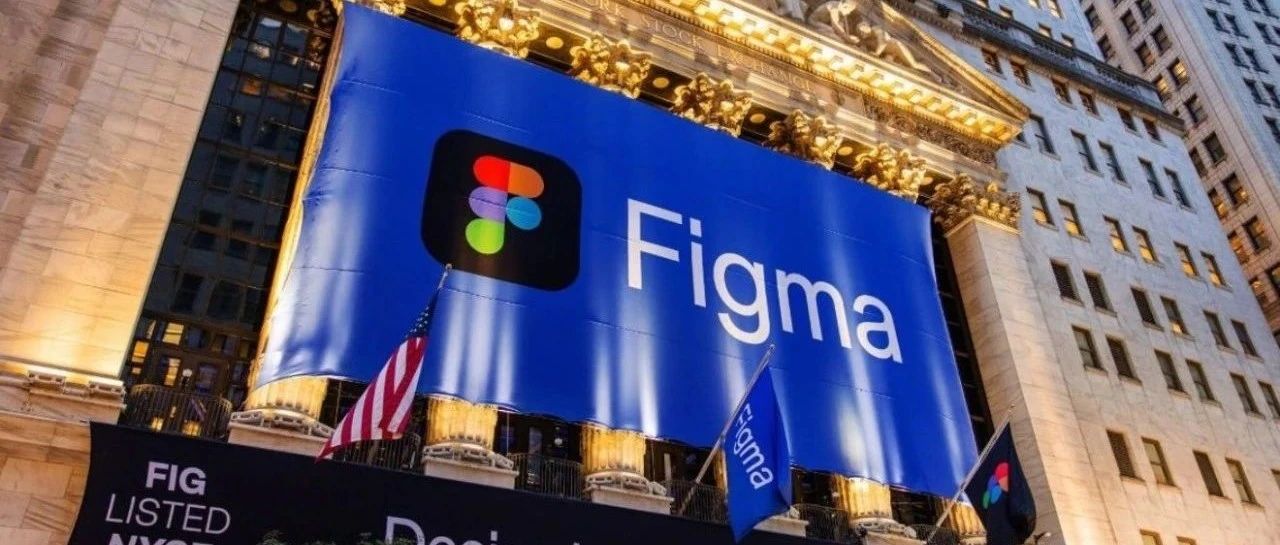
你在为Figma上市欢呼,Figma可不敢为AI狂欢
创业邦· 2025-08-03 10:42
Core Viewpoint - Figma's IPO on July 31, 2025, marked a significant event in the tech market, with its stock price soaring 250% on the first day, reflecting strong investor enthusiasm for AI-integrated SaaS companies [7][9]. Group 1: IPO Performance - Figma's initial public offering (IPO) was priced at $33 per share, opening at approximately $85 and closing at $115.50, leading to a market capitalization of nearly $67 billion [7]. - The IPO is seen as a sign of renewed vitality in the tech market, particularly in the context of the "AI and SaaS integration" era [9]. Group 2: AI Strategy and Risks - Figma's strong market performance is attributed to its robust AI strategy, which includes generative AI capabilities integrated into its design collaboration tools [9]. - The term "AI" appears 154 times in Figma's SEC filing, with 60% of mentions in the risk factors section, indicating a significant focus on potential risks associated with AI [9][11]. Group 3: Identified Risks - Figma's reliance on third-party AI models poses a risk, as changes in access or terms from providers like OpenAI could degrade or terminate its services [11]. - The complexity of copyright and usage rights for AI-generated content presents legal challenges, particularly in the sensitive design industry [11]. - The risk of AI capability homogenization could diminish Figma's competitive edge as similar functionalities are adopted by competitors [11][12]. Group 4: Industry Context - Figma is not alone in highlighting AI risks; other SaaS companies have also begun to address AI-related uncertainties in their investment documents [12]. - The shift from a collaboration tool to a comprehensive creative platform reflects Figma's strategic pivot towards generative AI, especially after the failed acquisition by Adobe [16][18]. Group 5: Product Evolution - Figma's AI capabilities evolved from basic task assistance to advanced features like "First Draft," which generates UI designs from natural language prompts [18][19]. - The introduction of Figma Make represents a significant advancement, allowing users to create deployable web prototypes directly from design prompts, blurring the lines between roles in product development [18][19]. Group 6: Strategic Positioning - Figma's acknowledgment of AI's uncertainties reflects a mature understanding of the technology's complexities and potential risks, distinguishing it from other companies that may overly emphasize AI as a growth driver [26]. - The company's approach signals a realistic and nuanced perspective on integrating AI into its business model, recognizing both the opportunities and challenges presented by this technology [26].
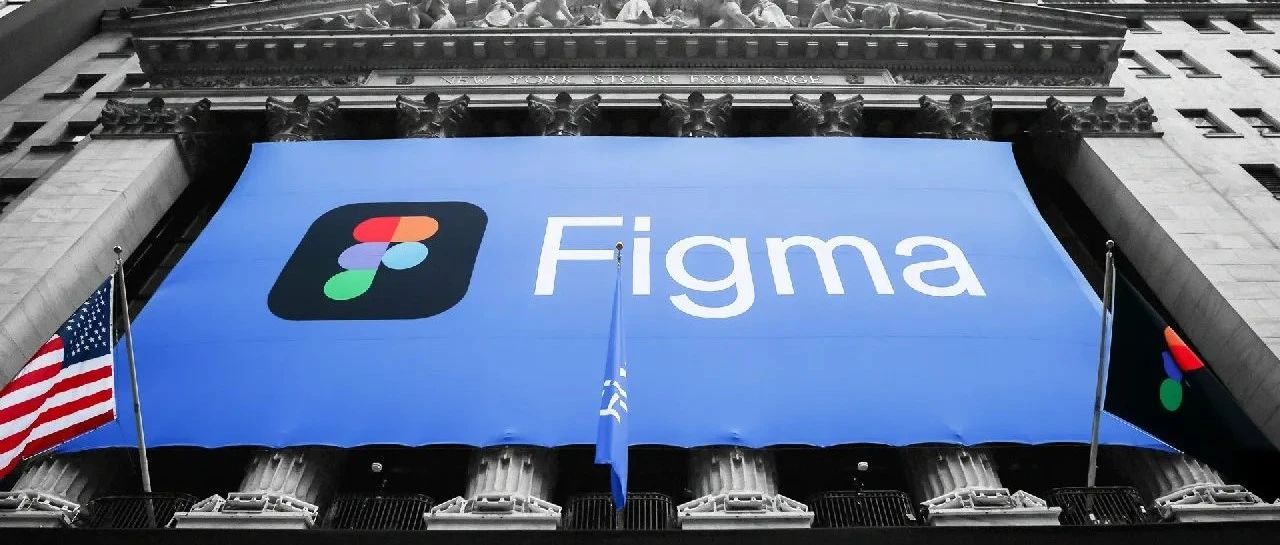
计算机行业周报:Figma上市超预期,叠加“AI+”政策走出共振行情-20250803
HUAXI Securities· 2025-08-03 08:15
Investment Rating - The industry rating is "Recommended" [4] Core Insights - Figma's IPO on July 31, 2025, exceeded expectations, with a first-day stock price surge of 250%, reaching a market capitalization of $56.3 billion, setting a new record for tech IPOs [1][13][25] - The "AI+" policy aims to drive the large-scale commercialization of artificial intelligence, promoting deep integration of technology across various sectors, enhancing innovation and application cycles [2][14][32] - The report highlights key beneficiaries in the AI sector, including companies focused on computing power, AI healthcare, AI large models, and AI office applications [3][21] Summary by Sections Figma's IPO and Market Position - Figma's successful IPO marked its transition from a high-growth startup to a mature public company, with a user base exceeding 13 million monthly active users, two-thirds of whom are non-designers [13][19][29] - The company faces competition from Adobe and Canva, necessitating continuous innovation to maintain its market leadership [1][24][30] "AI+" Policy and Industry Integration - The "AI+" initiative emphasizes the integration of AI into manufacturing, healthcare, and finance, with local governments actively promoting policies to support this integration [2][14][34][39] - Shanghai and Beijing are leading efforts in AI applications, focusing on manufacturing and healthcare respectively, aiming to enhance efficiency and innovation in these sectors [34][42] Investment Recommendations - Recommended stocks include companies in computing power such as Cambrian and Zhongheng Electric, AI healthcare firms like RunDa Medical and Weining Health, and AI large model companies like iFlytek and Kunlun Wanwei [3][21][18]
Figma上市狂欢背后:对AI的深度依赖与隐忧并存
Sou Hu Cai Jing· 2025-08-02 13:16
Core Insights - Figma successfully went public on the New York Stock Exchange with an initial share price of $33, closing at $115.50 on its first day, representing a 250% increase and a market capitalization of nearly $67 billion [1][3] - The IPO is seen as a significant indicator of the recovery and vitality of the tech market since 2025, largely attributed to Figma's strong positioning in the AI sector [3][5] - Despite the impressive market performance, Figma's S-1 filing reveals a cautious stance regarding AI, with 60% of AI mentions focusing on risk factors [3][4] Company Overview - Figma's product matrix includes various tools such as Figma Design, FigJam, Dev Mode, Figma Slides, Figma Make, Figma Buzz, Figma Draw, and Figma Sites, catering to different user needs from UI/UX design to no-code development [6] - The company transitioned from being a potential acquisition target for Adobe at $20 billion in 2022 to embracing generative AI as a core growth driver after the acquisition was blocked by antitrust regulators [6][7] AI Integration and Risks - Figma's AI capabilities evolved from enhancing operational efficiency to becoming core functionalities, with significant features like "First Draft" and "Figma Make" enabling users to generate UI designs from natural language prompts [7] - The company acknowledges three main AI-related risks: dependency on third-party models, compliance issues regarding generated content, and the potential for homogenization of AI capabilities across competitors [4][5][7] - Figma's realistic approach to AI highlights the complexities and uncontrollability of the technology, contrasting with the prevailing narrative of AI as an unqualified growth engine [7]
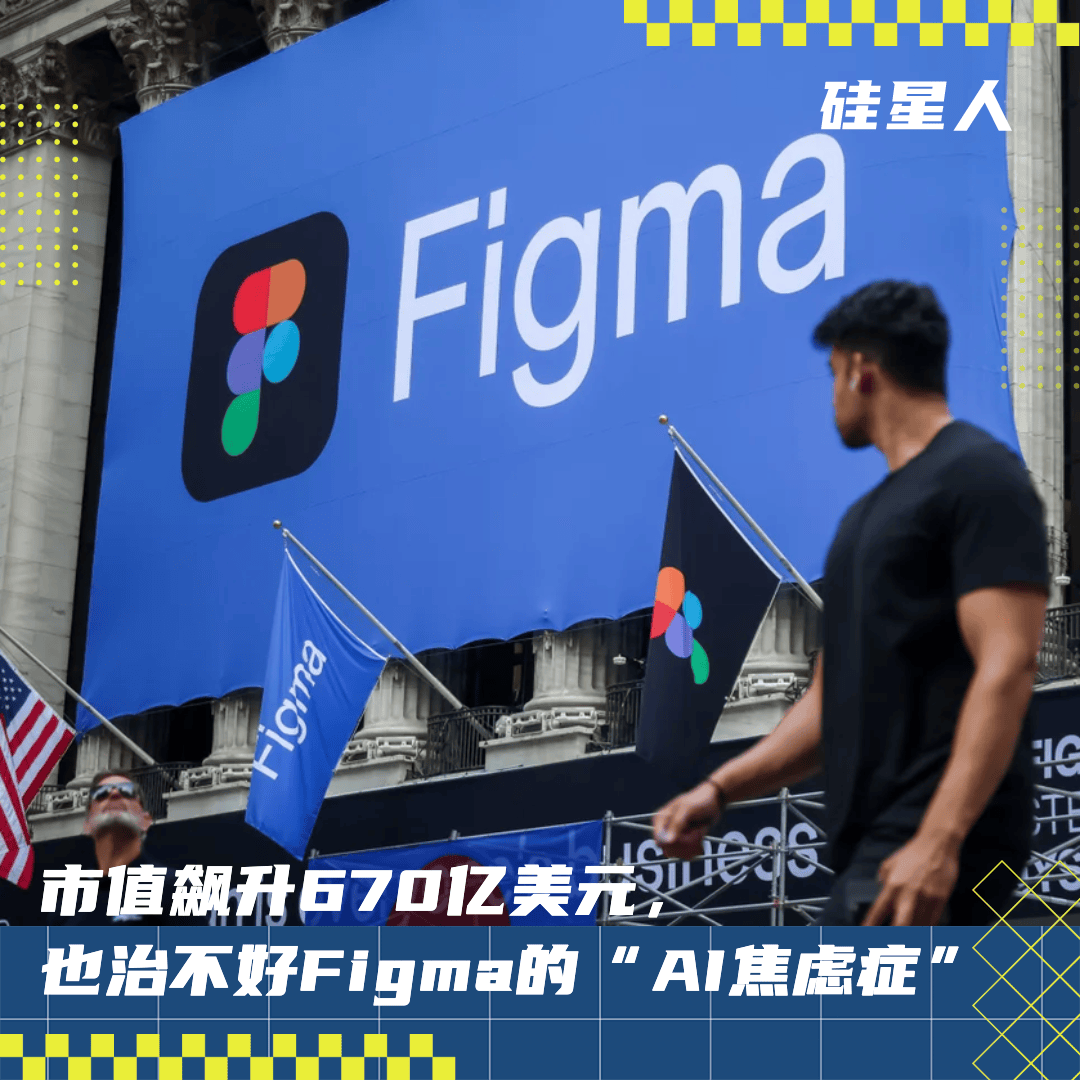
Figma Stock Soars 255% Post IPO. Despite Bitcoin, Why To Avoid $FIG Now
Forbes· 2025-08-01 14:35
Company Overview - Figma, founded in 2012, specializes in collaborative design software and is expanding its platform to include software developers, with over two-thirds of its users now being non-designers [3] - The company has reported a 46% revenue growth in the first quarter and a 20% net margin according to its IPO prospectus [4] IPO Performance - Figma's IPO saw shares rise by 255% from the offering price of $33, resulting in a market valuation that left $48.7 billion on the table due to significant underpricing [5] - The IPO raised $1.2 billion, with only a third of that amount going to Figma, benefiting large institutional clients of the underwriters [5][6] Market Dynamics - The demand for Figma shares was exceptionally high, prompting underwriters to increase the offering price from an initial range of $25 to $28 to $33 [14] - Figma's stock market valuation is considered high relative to its peers, with a price-to-sales ratio of 69, significantly above other software companies like Microsoft and Datadog [13] Competitive Landscape - Figma faces substantial competition from other tech companies, particularly in the AI space, with competitors like Canva and Lovable rapidly growing [13] - The company must continue to innovate and offer compelling AI features to maintain its competitive edge [13] Future Outlook - Figma's co-founder and CEO, Dylan Field, expressed optimism about the company's potential to create significant value through AI products and experiences [4] - The company is also exploring investments in Bitcoin, having approved a $55 million investment in a Bitcoin ETF for 2024 and a $30 million investment in cryptocurrency [14]