AUO

Search documents
国补政策与旺季备货双轮驱动,2025年三季度LCD TV面板出货量预计同比增长5.1%
CINNO Research· 2025-09-30 09:25
Group 1 - The core viewpoint of the article highlights that the global LCD TV panel shipment volume is expected to increase by 5.1% year-on-year in Q3 2025, driven by national subsidy policies and seasonal inventory preparations [4]. Group 2 - The article provides a detailed analysis of the quarterly and monthly changes in global LCD TV panel shipment volume and area, along with forecasts [4]. - It discusses the monthly price trends of LCD TV panels from September 2024 to September 2025 [4]. - A timeline related to the "old-for-new" national subsidy policy for 2024-2025 is included [4]. - The article ranks global LCD TV panel shipment volume and area for Q3 2024, along with year-on-year comparisons [4]. - It presents the shipment volume and area share by size for BOE LCD TV panels from Q1 2024 to Q3 2025 [4]. - Similar data is provided for CSOT, HKC, Innolux, AUO, CHOT, and Sharp LCD TV panels, detailing their shipment volume and area share by size from Q1 2024 to Q3 2025 [4].

Meta首款量产AR装置有望带动LCoS显示产品市占率
WitsView睿智显示· 2025-09-19 10:17
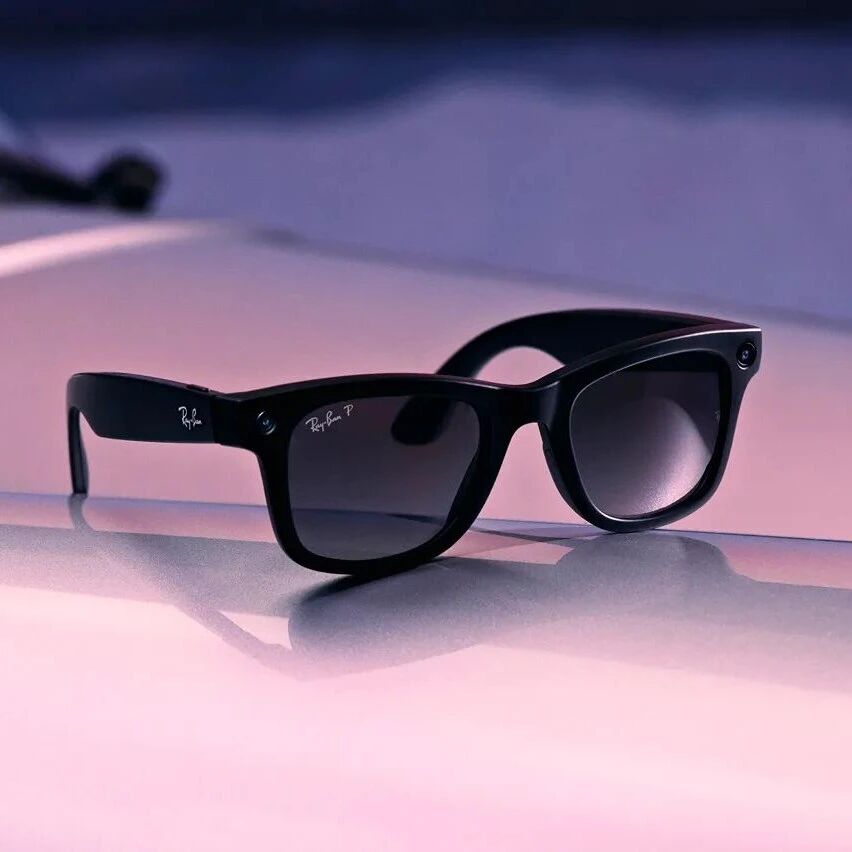
Core Insights - TrendForce's latest research indicates that Meta's recently launched AR device, the Meta Ray-Ban Display Glasses, utilizes LCoS display technology, which is expected to increase the market share of LCoS display products to 13% by 2026 [2][5] - The competition between LCoS and single-chip full-color LEDoS is anticipated to intensify until significant breakthroughs in technology and cost for LEDoS are achieved, projected for 2028 [5][6] Market Analysis - The global AR device shipment is forecasted to grow by 9.1% annually, reaching 600,000 units by 2025, driven by AI-enabled information prompt applications [5] - Meta's AR glasses feature a 20-degree field of view (FoV), a resolution of 600x600, a pixel density of 42 PPD, and a brightness of 5,000 nits, targeting the information prompt application market [5] Technology Development - Meta opted for LCoS technology over the mainstream single green LEDoS combined with waveguide technology due to LCoS's maturity, cost-effectiveness, and superior average power consumption [5] - Despite its advantages, LCoS faces challenges in miniaturization, high brightness, and high contrast, prompting companies like OmniVision and Himax Display to push for next-generation display technology [6] Future Projections - The LEDoS technology requires further optimization in terms of cost and process, with expectations for breakthroughs through QD color conversion and vertical stacking technologies post-2028, potentially increasing its market share to 65% by 2030 [6]

Micro LED手表推动,2029年芯片市场规模或突破4.61亿美元
WitsView睿智显示· 2025-09-10 09:08
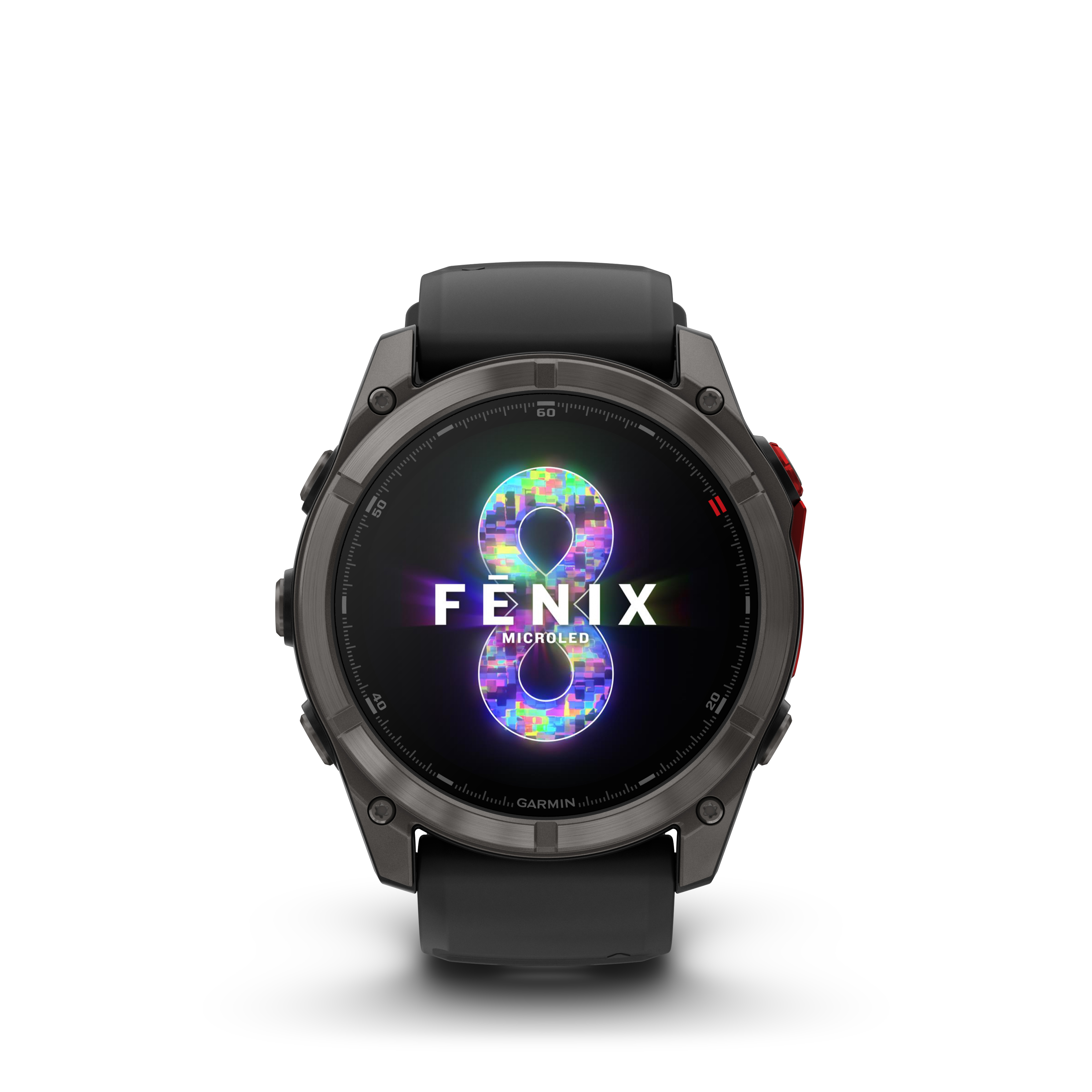
Core Viewpoint - The article discusses the accelerating penetration of Micro LED technology in consumer electronics, highlighting its potential to transform various sectors, including televisions, smartwatches, and automotive displays, with a projected market value of $461 million by 2029 [2][4]. Group 1: Market Trends and Projections - Micro LED technology is expected to see significant growth, with Samsung launching a 140-inch Micro LED TV in 2023 and Garmin planning to introduce the Fenix 8 Pro smartwatch with Micro LED technology by 2025 [2]. - The market value of Micro LED chips is projected to reach $461 million by 2029, driven by the introduction of key products across various applications [2][4]. Group 2: Competitive Landscape - Current challenges for Micro LED include high power consumption and pricing, making it difficult to compete with more mature OLED technology in the short term [4]. - Despite these challenges, Micro LED's ability to meet the high brightness demands of outdoor environments and its potential for integrating sensing components position it favorably for future innovation [4]. Group 3: Industry Collaboration and Supply Chain - The Garmin Fenix 8 Pro smartwatch will utilize components from AUO, PlayNitride, and Raydium, showcasing the evolving Micro LED supply chain and its readiness for commercialization [4]. - The collaboration among various companies in the Micro LED ecosystem indicates a growing interest and investment in this technology, paving the way for further advancements and cost optimization [4].

AUO and Garmin Launch First Micro LED Smartwatch
Globenewswire· 2025-09-04 13:00
Ushering in a New Era of Advanced Display Applications in Consumer Wearables Garmin fēnix 8 Pro MicroLED (Image: Garmin) AUO has teamed up with Garmin to unveil the world’s first Micro LED smartwatch—the fēnix 8 Pro MicroLED—designed to deliver exceptional performance in sports and outdoor exploration, setting a new standard for display technology in wearable devices. (Image: Garmin) HSINCHU, Taiwan, Sept. 04, 2025 (GLOBE NEWSWIRE) -- AUO, a global leader in next-generation display technologies, has team ...
最新报告 | 近眼显示将迎来市场成长新纪元
TrendForce集邦· 2025-08-29 03:44
Core Insights - The near-eye display device market is expected to show a lackluster performance in the short term, with global shipments projected to reach 6.2 million units by 2025 [2] - The VR/MR market, particularly Meta Quest 3s, is anticipated to see a decline in shipments to 5.6 million units by 2025, while AR devices are expected to perform more steadily, with shipments reaching 600,000 units driven by new AI+AR products and decreasing OLEDoS prices [2] - Long-term growth is expected, with global near-eye display shipments projected to rise to 46.5 million units by 2030, supported by ongoing product development from major companies like Meta and Apple, and strong growth in the AR market [2] AR Display Technology Market Development - OLEDoS remains the mainstream technology in China due to its cost advantages, but other technologies pose a threat to its dominance [6] - LCoS technology is expected to gain traction in the market due to Meta's adoption, while the growth of single green LEDoS AR glasses will enhance the penetration of LEDoS technology [6] - The demand for AR devices is increasing, with expectations for shipments using high-spec full-color LEDoS technology to reach 20.9 million units by 2030, achieving a penetration rate of 65% [7] Optical Waveguide Technology and SiC Supply Alliance Analysis - The choice of optical waveguide technology is critical for AR engine modules, with diffraction waveguides currently being the mainstream but needing efficiency improvements [9] - NIL and PL are the two main processing methods for waveguides, with NIL suitable for small-scale development and PL better for mass production [9] - The trend towards larger SiC substrates is expected to enhance cost-effectiveness, with projections indicating that 8-inch SiC substrate shipments could exceed 20% by 2030, moving towards 12-inch substrates in the long term [9] AR Product Development Trends - The specifications of AR devices are becoming standardized to control costs, with mainstream panel sizes for LEDoS and LCoS ranging from 0.13 to 0.18 inches and pixel densities exceeding 5,500 PPI [10] - Chinese brands like Xreal, RayNeo, and INMO are focusing on different strategies, such as enhancing display technology and integrating AI capabilities, reflecting a shift from hardware competition to a more complex software-hardware ecosystem [10]

Smartkem to Deliver Feature Presentations at the 25th International Meeting on Information Display (IMID) in Busan, Korea
Prnewswire· 2025-08-13 11:00
Core Insights - Smartkem is presenting at the 25th International Meeting on Information Display (IMID 2025) in Busan, Korea, focusing on advancements in MicroLED technology and its proprietary chip-first microLED manufacturing architecture [1][8] Company Overview - Smartkem is innovating in electronics with a new class of transistors using proprietary advanced semiconductor materials, specifically TRUFLEX® semiconductor polymers, which enable low-temperature printing processes [4][5] - The company has a robust intellectual property portfolio with 140 granted patents across 17 families, 14 pending patents, and 40 trade secrets [6] Technology and Innovations - Steven Tsai will present on the technical roadmap for secondary optics in MicroLED and Smartkem's collaboration with AUO to develop a transparent, rollable display [2][7] - Dr. Simon Ogier will discuss the chip-first approach for MicroLED display fabrication, which utilizes low-temperature organic thin-film transistor (OTFT) technology to address challenges in commercialization, such as high manufacturing yields and small die sizes [3][7] - The patented chip-first method eliminates the need for eutectic bonding, reducing costs and improving yield by using a planarized organic layer and precision via metallization [3] Market Position and Future Prospects - Smartkem's innovations aim to overcome technical barriers in MicroLED commercialization, offering scalable solutions that enhance power efficiency, brightness uniformity, and the production of thinner display panels for next-generation consumer electronics [3]


Omdia:预计2025年全球汽车显示面板营收将达136亿美元 高端化趋势加速
智通财经网· 2025-08-12 06:36
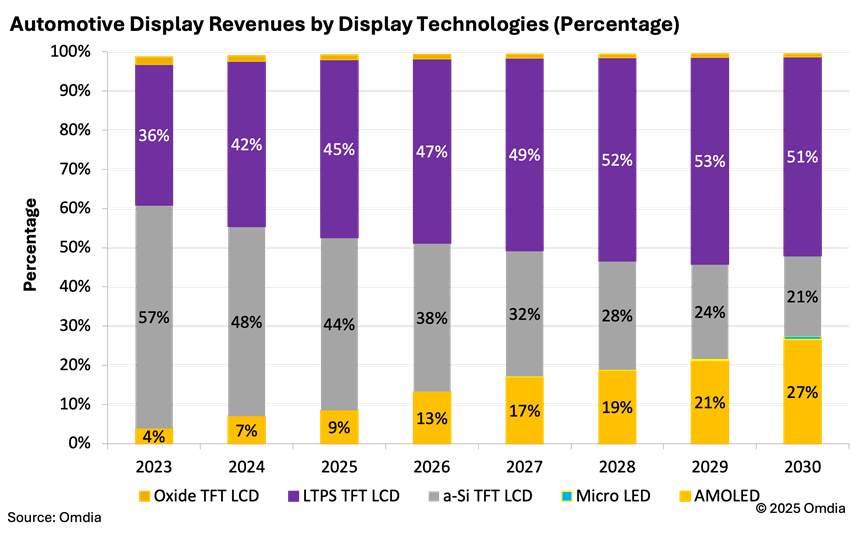
Core Insights - The global automotive display market is projected to experience significant growth, with revenue expected to reach $13.6 billion in 2025, representing an 8% year-over-year increase. By 2030, the market size is anticipated to grow to $18.3 billion [1] - The revenue growth is driven by the increasing adoption of high-end and high-priced display panel technologies, particularly OLED and LTPS TFT LCD, rather than by shipment volume [1] - In 2025, LTPS TFT LCD is expected to account for 45% of the total automotive display market revenue, while OLED will represent 9%. The share of a-Si TFT LCD is projected to decrease from 48% to 44% [1] Market Trends - LTPS TFT LCD and OLED are becoming the mainstream display technologies in the automotive sector, with LTPS TFT LCD expected to exceed 50% of shipment revenue by 2028, and OLED anticipated to dominate the high-end automotive cockpit segment with over 20% share [5] - The average selling prices (ASP) of LTPS TFT LCD and OLED are higher than traditional a-Si TFT LCD, indicating a market shift towards higher-value technologies [2] Technological Advancements - LTPS TFT LCD offers several advantages over traditional a-Si TFT LCD, including higher resolution, brightness, lower power consumption, and better touch panel integration, which are crucial for the growing electric vehicle sector [1] - OLED is expanding its application range in central displays, instrument panels, and passenger displays due to its lightweight design, high contrast, and efficient power consumption [2] Future Outlook - The introduction of Micro LED displays is expected to occur in the automotive display market after 2028, marking the next wave of advanced display technology [5] - Major panel manufacturers such as AUO, BOE, and LG Display are aggressively entering the automotive sector to pursue higher value and revenue, while leading OLED manufacturers are developing new designs to accelerate their presence in the automotive market [5][6]
AUO to Showcase Micro LED and AI R&D Capabilities at SID 2025
Globenewswire· 2025-05-12 14:00
Unlocking Interactive Applications Across Retail, Automotive, Wearables, AI PCs, and ESG Through Large-sized, Transparent, and Integrated Technologies HSINCHU, Taiwan, May 12, 2025 (GLOBE NEWSWIRE) -- As the AI wave continues to expand, displays are becoming crucial interactive interfaces. Micro LED, poised to be the leading next-generation high-definition display technology, is set to realize its full potential thanks to its superior performance. AUO stands at the forefront of Micro LED display technology ...
Smartkem Reports Fourth Quarter and Full Year 2024 Financial Results
Prnewswire· 2025-04-01 11:00
Core Insights - Smartkem is advancing its proprietary transistor technology aimed at revolutionizing the electronics industry, particularly in the MicroLED display sector, which is projected to exceed $4 billion by 2030 [2][9] Business Highlights - The company made significant progress in Q4 2024, achieving all key milestones and raising $7.65 million in equity financing along with a $1.1 million grant from Innovate UK [2][6] - Smartkem's commercialization strategy focuses on three pillars: advancing polymer materials, developing EDA tools, and establishing scalable manufacturing processes [3] - Key partnerships include a project with AUO for a rollable, transparent MicroLED display and a sale of TRUFLEX® materials to Chip Foundation [6][7] Financial Highlights - For the year ended December 31, 2024, Smartkem reported revenues of $82 thousand, an increase from $27 thousand in 2023, primarily due to higher sales of demonstrator products [12][14] - Operating expenses rose to $11.5 million in 2024 from $10.8 million in 2023, with a net loss of $10.33 million compared to a loss of $8.5 million in the previous year [12][14] - Cash and cash equivalents decreased to $7.1 million as of December 31, 2024, down from $8.8 million a year earlier [12][13] Industry Context - The MicroLED display market is expected to grow significantly, with Smartkem's low-temperature process allowing for more efficient manufacturing, reducing defects and enhancing yield [9] - The company's technology is applicable across various sectors, including smartphones, wearables, automotive, and digital signage, indicating a broad market potential [9][8]

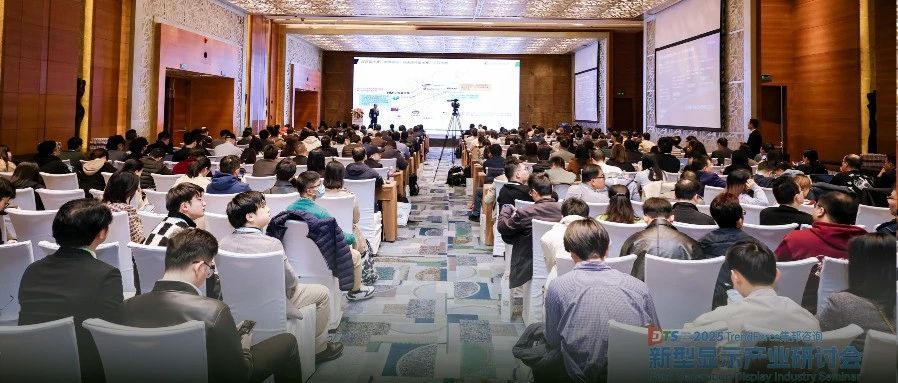
群英荟萃,DTS微型和中小型显示专场顺利落幕
WitsView睿智显示· 2025-02-26 11:14
Core Insights - The 2025 TrendForce New Display Industry Seminar highlighted the future of micro and small display technologies, with industry experts discussing trends and innovations in various display sectors [1][3]. Group 1: Panel Industry Dynamics - The TFT-LCD industry is dominated by mainland panel manufacturers, who have improved operations through production control strategies and are expected to continue focusing on demand-driven production [3][4]. - Key areas of focus for the panel industry include production control strategies, potential mergers, and the increasing dominance of domestic component suppliers in critical materials [4]. Group 2: Automotive Display Innovations - The automotive display market is transitioning towards larger, smarter, and multi-screen solutions, with increasing demand for high-resolution and high-brightness displays [5][6]. - Companies like Jinko Electronics are actively developing Mini LED products for both interior and exterior automotive applications, enhancing user interaction and visual experience [6][7]. Group 3: Flexible OLED Market Growth - The flexible OLED market is expected to grow significantly, driven by advancements in LTPO technology and the rise of foldable devices, with BOE leading in market share [8][9]. - BOE has established a flexible OLED industrial cluster and is focusing on technological innovations to maintain its competitive edge [8][9]. Group 4: Mini LED Technology Developments - Mini LED technology is gaining traction, with companies like Nationstar and Jinko Electronics developing competitive products to meet market demands for higher quality and precision [11][12]. - The automotive sector is a key growth area for Mini LED applications, with various products already in mass production [12][13]. Group 5: AI PC Market Trends - The AI PC market is projected to see significant growth, with a forecasted penetration rate of 21.7% by 2025, driven by advancements in AI technologies that enhance user interaction [14]. - AI PCs are expected to become essential in digital workplaces, facilitating smarter operations and decision-making processes [14]. Group 6: Micro LED Technology Advancements - Micro LED technology is emerging as a promising solution for high-brightness and high-contrast displays, particularly in automotive applications [22][23]. - Companies are focusing on overcoming challenges related to cost and technology maturity to enable broader adoption of Micro LED displays [23][24]. Group 7: Near-Eye Display Market Trends - The near-eye display market is evolving with advancements in optical modules and display technologies, driven by the demand for AR and VR devices [33][34]. - The market is expected to grow significantly, with projections indicating a rise in VR/MR device shipments and the increasing importance of OLEDoS technology [34].