Genmab A/S

Search documents
EPKINLY Trial Results Prompt Price Target Cut for Genmab (GMAB)
Yahoo Finance· 2026-01-30 07:07
Company Overview - Genmab A/S (NASDAQ:GMAB) is a biotechnology company specializing in oncology, focusing on developing innovative antibody-based therapies for cancer treatment [3] Recent Developments - H.C. Wainwright has cut its price target for Genmab A/S from $41 to $39 while maintaining a Buy rating on the company's shares [1] - The price target adjustment follows the announcement that Genmab and partner AbbVie found no meaningful improvement in overall survival for EPKINLY (epcoritamab) monotherapy compared to standard treatments in second-line diffuse large B-cell lymphoma (DLBCL) patients [1] Future Outlook - Despite the recent trial results, H.C. Wainwright believes that EPKINLY will likely retain its 2023 accelerated clearance for third-line DLBCL treatment until the results of two additional ongoing Phase 3 trials are released [2] - The firm referenced Roche's Columvi as a precedent, which maintained its accelerated approval despite missing overall survival targets in a similar patient group while awaiting further study findings [2] Investment Considerations - While Genmab is recognized for its potential as an investment, there are opinions suggesting that certain AI stocks may offer greater upside potential and carry less downside risk [4]

Genmab A/S (GMAB) Shares Gain Analyst Support as Deutsche Bank Sees Oncology Upside
Yahoo Finance· 2026-01-20 10:00
Group 1 - Genmab A/S is recognized as one of the top oncology stocks to buy, with Deutsche Bank raising its price target for GMAB to DKK 2,400 from DKK 2,000 and maintaining a Buy rating, indicating strong analyst optimism regarding the company's late-stage oncology pipeline [1][3] - The company has partnered with AI research firm Anthropic to enhance its R&D capabilities through the use of agentic AI powered by Claude models, aiming for a more scalable and effective R&D process while maintaining human oversight [2] - Genmab specializes in developing innovative antibody-based therapies for cancer treatment, with its late-stage pipeline featuring promising programs such as Rina-S and Epkinly [3]
Genmab A/S (GMAB): A Bull Case Theory
Insider Monkey· 2026-01-15 19:33
Core Insights - Artificial intelligence (AI) is identified as the greatest investment opportunity of the current era, with a strong emphasis on the urgent need for energy to support its growth [1][2][3] Investment Opportunity - A specific company is highlighted as a potential investment opportunity, possessing critical energy infrastructure assets that are essential for meeting the increasing energy demands of AI data centers [3][7] - This company is not a chipmaker or cloud platform but is positioned to benefit significantly from the anticipated surge in electricity demand driven by AI technologies [3][6] Energy Demand and Infrastructure - AI technologies, particularly large language models like ChatGPT, are extremely energy-intensive, with data centers consuming as much energy as small cities [2] - The company in focus is involved in the U.S. LNG exportation sector, which is expected to grow under the current administration's energy policies [7] Financial Position - The company is noted for being completely debt-free and holding a substantial cash reserve, amounting to nearly one-third of its market capitalization [8] - It is trading at a low valuation of less than 7 times earnings, making it an attractive investment compared to other energy and utility firms burdened with debt [10] Market Trends - The article discusses the broader trends of onshoring and tariffs that are influencing the energy and AI sectors, suggesting that this company is well-positioned to capitalize on these developments [5][14] - The influx of talent into the AI sector is expected to drive continuous innovation and advancements, further solidifying the importance of energy infrastructure [12] Conclusion - The company is portrayed as a critical player in the intersection of AI and energy, with the potential for significant returns as the demand for AI-driven technologies continues to rise [11][13]

不再迷惘的制药商:2025年并购额暴涨124%,巨头狂扫创新药资产
美股IPO· 2026-01-10 03:34
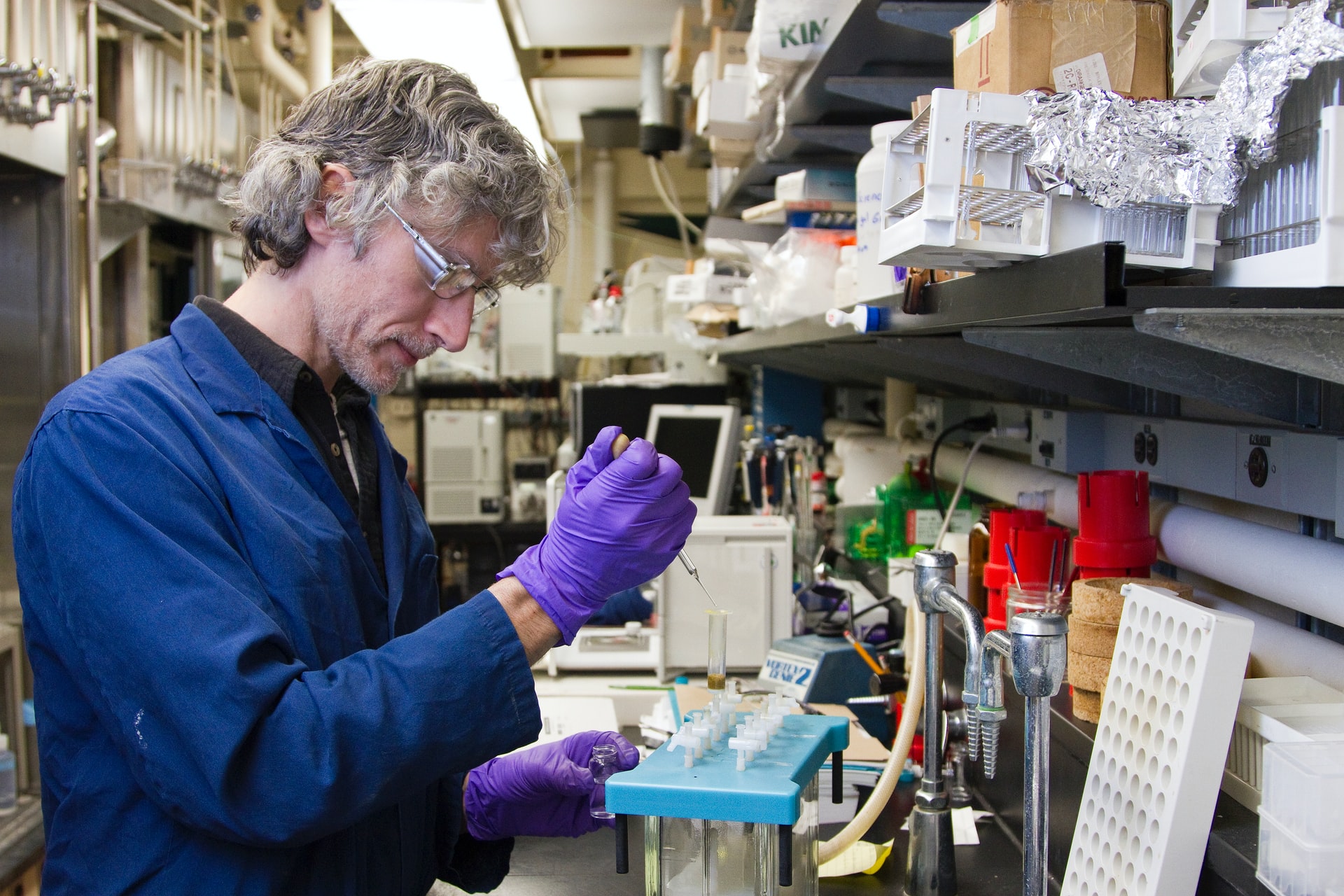
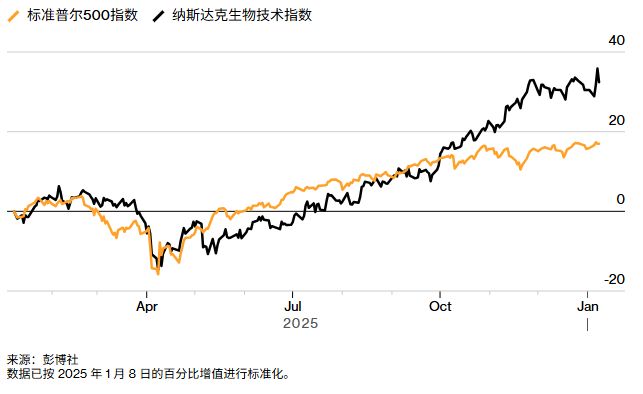
Core Insights - The sentiment among pharmaceutical companies attending the upcoming J.P. Morgan Healthcare Conference in San Francisco is significantly more relaxed compared to 2025, with previous uncertainties regarding drug pricing policies and tariffs largely dissipated [2][4] - The biopharmaceutical sector has seen a more than doubling of deal activity over the past year, with expectations for 2026 to surpass last year's performance [2][5] Group 1: Market Sentiment and Deal Activity - Pharmaceutical companies reached $130 billion in deals in 2025, a 124% increase from the previous year, with approximately 30 transactions exceeding $1 billion, marking a historical high [5] - The positive market reaction is attributed to an agreement with the White House aimed at lowering drug prices without significant adjustments to financial outlooks from related companies [4] Group 2: Acquisition Trends - Major pharmaceutical companies like Merck, Pfizer, and Bristol-Myers Squibb are under pressure to replenish their product pipelines as patents for blockbuster drugs are set to expire within the next five years, threatening over $300 billion in sales [8] - There has been a surge in public bidding wars for biotech firms developing potential blockbuster drugs, indicating a strong desire among CEOs to pursue acquisitions [9][10] Group 3: Investment Climate and IPO Outlook - The current high stock prices are encouraging CEOs to pursue mergers and acquisitions more aggressively, with a notable increase in competition for biotech companies [9] - Despite the optimistic outlook, rising valuations may deter potential buyers, leading to a cautious approach towards major acquisitions [11][12] - There is an expectation of a significant number of private biotech companies going public this year, with venture capital increasingly focusing on later-stage companies in anticipation of a more favorable IPO environment in 2026 [12]

不再迷惘的制药商:2025年并购额暴涨124%,巨头狂扫创新药资产
Zhi Tong Cai Jing· 2026-01-09 14:05
Core Insights - The pharmaceutical industry is experiencing a significant shift in sentiment as executives prepare for the upcoming J.P. Morgan Healthcare Conference, with a more relaxed attitude compared to 2025 [1] - Concerns regarding drug pricing policies and tariffs that could erode profits have largely dissipated, leading to a notable reduction in industry anxiety [1][3] - Biopharmaceutical transactions have more than doubled over the past year, with expectations for continued growth in 2026 [1][3] Group 1 - The J.P. Morgan Healthcare Conference serves as a key networking and deal-making event for thousands of biopharmaceutical executives and investors [3] - A recent agreement with the White House aimed at lowering drug prices has positively influenced market sentiment, as companies have not significantly adjusted their financial outlooks [3] - In 2025, pharmaceutical companies completed $130 billion in transactions, a 124% increase from the previous year, with approximately 30 deals exceeding $1 billion [3] Group 2 - Major pharmaceutical companies like Merck, Pfizer, and Bristol-Myers Squibb are under pressure to replenish their product pipelines as blockbuster drug patents expire in the next five years, threatening over $300 billion in sales [6] - The rising stock prices have emboldened CEOs to pursue mergers and acquisitions, leading to competitive bidding wars for biotech firms developing potential blockbuster drugs [6][7] - Mid-sized companies are also actively acquiring early-stage biotech firms, indicating a shift in strategy as they seek growth opportunities [7] Group 3 - Despite the optimism, rising valuations may deter potential buyers from pursuing acquisitions [7] - Political uncertainties remain, particularly with the Trump administration's influence on the FDA and its unpredictable leadership changes [8] - The FDA has recently rejected several rare disease drug applications, causing frustration among investors and advocacy groups, which may lead to a more cautious approach to major mergers [8]




Johnson & Johnson submits application to the European Medicines Agency for TECVAYLI®▼ (teclistamab) in combination with DARZALEX® (daratumumab) subcutaneous formulation for patients with relapsed/refractory multiple myeloma
Globenewswire· 2026-01-06 11:52
Core Insights - Johnson & Johnson has submitted a Type II variation application to the European Medicines Agency (EMA) for an indication extension of TECVAYLI® (teclistamab) in combination with DARZALEX® (daratumumab SC) for treating adult patients with relapsed/refractory multiple myeloma (RRMM) who have received at least one prior therapy [1][2] Group 1: Clinical Study and Results - The application is supported by data from the Phase 3 MajesTEC-3 study, which showed a statistically significant improvement in progression-free survival (PFS) and overall survival (OS) compared to standard treatment [1][2] - The MajesTEC-3 study enrolled 587 patients and demonstrated an 83.4% reduction in the risk of disease progression or death compared to standard regimens at nearly three years follow-up (hazard ratio [HR], 0.17; 95% confidence interval [CI], 0.12-0.23; P<0.0001) [2][4] - More than 90% of patients who remained progression-free at six months continued to be progression-free at three years [2] Group 2: Treatment Efficacy and Safety - Teclistamab and daratumumab SC work in a complementary manner by targeting both BCMA and CD38, enhancing immune-mediated responses earlier in treatment [2] - The combination regimen showed similar rates of Grade 3/4 treatment-emergent adverse events (TEAE) compared to standard care (95.1% vs. 96.6%) [2] - The most common Grade 3/4 events were cytopenia and infection, with infections observed in 96.5% of patients receiving teclistamab and daratumumab SC [2] Group 3: Regulatory and Market Position - The FDA has granted Breakthrough Therapy Designation for the teclistamab and daratumumab SC combination, expediting its development and regulatory review [2] - Johnson & Johnson aims to redefine treatment possibilities in multiple myeloma by using the right medicines early and combining them for optimal outcomes [3] Group 4: Background on Multiple Myeloma - Multiple myeloma is an incurable blood cancer affecting plasma cells, with over 35,000 new diagnoses in the EU in 2022 [8] - Patients experience frequent relapses, and remissions become progressively shorter with each line of therapy [8]


Incyte Study Shows Lymphoma Drug Combo Slows Aggressive Blood Cancer
Benzinga· 2026-01-05 16:59
Core Insights - Incyte Corporation announced positive topline results from the pivotal Phase 3 frontMIND trial for tafasitamab (Monjuvi/Minjuvi) as a first-line treatment for adults with newly diagnosed diffuse large B-cell lymphoma (DLBCL) [1][2] Group 1: Trial Results - The frontMIND trial met its primary endpoint of progression-free survival (PFS) and its key secondary endpoint of event-free survival (EFS) by investigator assessment [2] - No new safety signals were observed during the trial [2] Group 2: Disease Context - DLBCL is the most common type of non-Hodgkin lymphoma in adults, accounting for 40% of all cases, and is characterized as an aggressive, fast-growing lymphoma [3] Group 3: Regulatory and Market Outlook - Incyte plans to file a supplemental Biologics License Application (sBLA) for tafasitamab for first-line treatment of DLBCL in the first half of 2026 [4] - Tafasitamab was previously approved in combination with lenalidomide for relapsed or refractory DLBCL in 2020 and 2021 by the FDA and EMA, respectively [5] - The drug was also approved in June 2025 for relapsed or refractory follicular lymphoma in combination with lenalidomide and rituximab [6] Group 4: Analyst Perspectives - Analysts view the positive results from the frontMIND trial as supportive of a meaningful, albeit modest, indication expansion opportunity for Monjuvi in frontline DLBCL [7] - There is caution regarding the ultimate market share for Monjuvi due to a crowded frontline DLBCL landscape with several ongoing Phase 3 studies of novel R-CHOP-based regimens [8]


Weekly Buzz: ARS Pharma's Neffy Goes East, SLS Advances, A Signal Of Hope For IFRX?
RTTNews· 2026-01-02 11:37
FDA Approvals & Rejections - ARS Pharma's neffy, a needle-free epinephrine nasal spray for emergency treatment of Type I allergic reactions, received approval in China, with commercial availability expected in spring 2026. The product generated $31.3 million in U.S. revenue in Q3 2025 [3][4]. - Vanda Pharmaceuticals' NEREUS, an oral NK-1 receptor antagonist for preventing motion-induced vomiting, received FDA approval, marking the first new treatment for motion sickness in over 40 years. The drug demonstrated a meaningful reduction in vomiting in clinical trials [5][6]. Clinical Trials - Breakthroughs & Setbacks - InflaRx's analyses from a halted Phase 3 trial of Vilobelimab in pyoderma gangrenosum indicated potential efficacy signals with longer treatment duration, prompting plans to discuss alternative endpoints with the FDA [15][17]. - SELLAS reported that survival in its Phase 3 REGAL trial for Galinpepimut-S (GPS) in acute myeloid leukaemia is extending longer than anticipated, potentially increasing the likelihood of a positive outcome [18][19]. - Ultragenyx announced that its Phase 3 studies for Setrusumab in Osteogenesis Imperfecta failed to meet primary endpoints, leading to a decline in investor confidence [20][21]. - Genmab decided to discontinue clinical development of Acasunlimab to focus on higher-priority programs, with no impact expected on its full-year 2025 financial guidance [22][23]. Corporate Actions - FONAR Corporation agreed to be taken private by a CEO-led acquisition group for $19.00 per share, valuing the transaction at a significant premium. The deal is expected to close in Q3 2026, subject to shareholder approval [12][13][14].






Here’s Why Genmab A/S (GMAB) Rose in Q3
Yahoo Finance· 2025-12-31 13:43
Core Insights - Chautauqua Capital Management's third-quarter 2025 investor letter indicates that global equity markets performed well due to the resolution of trade conflicts and a dovish shift in U.S. monetary policy [1] - The Baird Chautauqua International Growth Fund and the Baird Chautauqua Global Growth Fund both underperformed their respective benchmarks, primarily due to poor stock selection in the information technology, financials, and industrials sectors [1] Fund Performance - The Baird Chautauqua International Growth Fund underperformed the MSCI ACWI ex-U.S. Index - ND in Q3 2025 [1] - The Baird Chautauqua Global Growth Fund also trailed the MSCI ACWI Index – ND in the same quarter [1] Stock Highlights - Genmab A/S (NASDAQ:GMAB) is highlighted as a key stock, focusing on antibody-based products for cancer treatment [2] - Genmab A/S had a one-month return of -0.69% and a 52-week gain of 50.89%, closing at $31.49 per share with a market capitalization of $19.522 billion on December 30, 2025 [2] - Genmab A/S reported solid earnings and positive clinical trial results, receiving FDA Breakthrough Therapy Designation for its product candidate Rina-S [3] Hedge Fund Interest - At the end of Q3 2025, 20 hedge fund portfolios held Genmab A/S, an increase from 19 in the previous quarter [3] - Despite the potential of Genmab A/S, the analysis suggests that certain AI stocks may offer greater upside potential with less downside risk [3]
Immunotherapies Replacing Chemotherapy as Blood Cancer Market to Hit $13B by 2030
Prnewswire· 2025-12-19 12:44
Core Insights - The FDA's recent approval of the first bispecific antibody combination for second-line blood cancer treatment signifies a major shift from traditional chemotherapy, with engineered cell therapies and bispecific antibodies achieving response rates over 90% in relapsed and refractory hematologic malignancies [1][2] Company Developments - GT Biopharma, Inc. is advancing its Phase 1 clinical trial of GTB-3650 to Cohort 4, with patients receiving a dose of 10 µg/kg/day, focusing on relapsed or refractory blood cancers expressing CD33, particularly acute myeloid leukemia (AML) and high-risk myelodysplastic syndrome (MDS) [3][4][6] - The therapy utilizes the patient's natural killer cells to target cancer cells, with treatment structured in two-week cycles followed by rest intervals, continuing for up to four months based on patient response [5][6] - The current dose in Cohort 4 is seen as a threshold for potential clinical efficacy, supported by positive immunological biomarker trends and no dose-limiting toxicities reported across previous cohorts [6][7] - GT Biopharma is also developing GTB-5550, targeting B7H3 in various solid tumors, with regulatory submission for human trials expected in late December 2025 or January 2026 [8][9] Market Trends - The CAR-T cell therapy market is projected to grow from $3.87 billion in 2024 to $13.25 billion by 2030, driven by its efficacy in treating relapsed and refractory patient populations [2]