Global Infrastructure Partners

Search documents
Eni and BlackRock's GIP take joint control of carbon capture unit
Reuters· 2025-12-18 15:26
Core Insights - Eni has finalized the sale of a 49.99% stake in its carbon capture and storage unit to BlackRock's infrastructure fund Global Infrastructure Partners, resulting in joint control of the business between the two entities [1] Company Summary - Eni has engaged in a strategic partnership by selling a significant stake in its carbon capture and storage unit, indicating a shift towards collaboration with major investment firms [1] - The transaction enhances Eni's focus on sustainable energy solutions while leveraging BlackRock's investment capabilities in infrastructure [1] Industry Summary - The deal reflects a growing trend in the energy sector towards carbon capture and storage technologies, highlighting the increasing importance of sustainability in investment strategies [1] - Joint ventures in carbon capture and storage are becoming more common as companies seek to address climate change and regulatory pressures [1]



Allete announces completion of acquisition by CPP, GIP
Yahoo Finance· 2025-12-16 14:55
Core Viewpoint - ALLETE has been successfully acquired by Canada Pension Plan Investment Board and Global Infrastructure Partners, marking a significant development in the energy sector with a commitment to deliver substantial benefits to Minnesota Power customers and communities [1] Group 1: Acquisition Details - The acquisition was finalized following the unanimous approval by the Minnesota Public Utilities Commission [1] - CPP Investments and GIP have acquired all outstanding common shares of ALLETE, with shareholders set to receive $67 per share in cash [1] - Trading of ALLETE's stock was suspended prior to the opening of trading on the New York Stock Exchange [1] Group 2: Customer Benefits - The acquisition will provide approximately $200 million in benefits to Minnesota Power customers and communities [1] - Key benefits include a one-year base rate freeze and $50 million in rate credits [1] - Additional support will be directed towards energy affordability and innovation initiatives [1]

BHP strikes $2 bln infrastructure funding deal with GIP for WAIO power network
Reuters· 2025-12-09 01:38
Core Viewpoint - BHP Group has entered into an agreement with Global Infrastructure Partners, a part of BlackRock, for a $2 billion investment in a minority stake of Western Australia Iron Ore's inland power network [1] Company Summary - BHP Group is collaborating with Global Infrastructure Partners to enhance its infrastructure capabilities in Western Australia [1] - The investment signifies BHP's commitment to developing its inland power network, which is crucial for its iron ore operations [1] Financial Summary - The agreement involves a substantial funding of $2 billion from the U.S.-based investor [1] - This investment will provide Global Infrastructure Partners with a minority stake in the power network, indicating a strategic partnership [1]

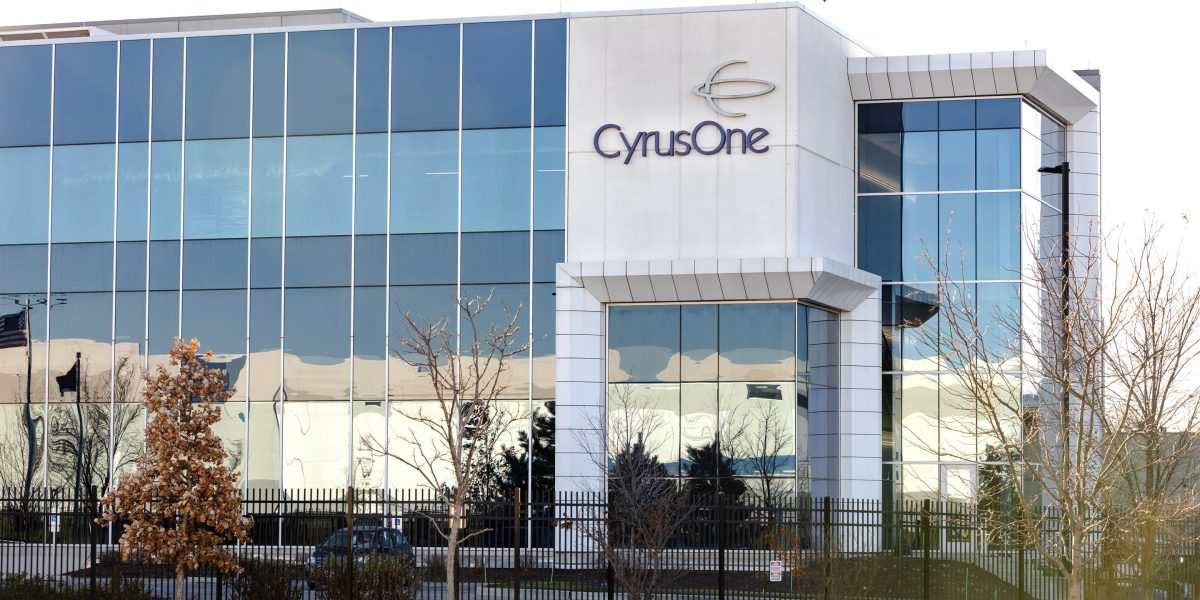
CME Data Center Bolsters Backup Cooling After 10-Hour Outage
Insurance Journal· 2025-12-01 05:26
Core Insights - The CME Group experienced a significant outage due to a cooling system failure at its data center operated by CyrusOne, leading to a 10-hour disruption in trading across global markets [1][4][5] - CyrusOne has since restored operations and enhanced cooling capacity to prevent future incidents, indicating a focus on improving infrastructure reliability [2][6] Group 1: Incident Overview - The outage occurred on Friday, affecting trading in various markets including gold, oil, and interest rates, with disruptions felt from Tokyo to London [5][6] - Temperatures at the data center exceeded 100°F (38°C) during the incident, despite existing redundancy measures [7] Group 2: Operational Response - Futures trading resumed normally on Sunday evening, with minor fluctuations in contracts, indicating a return to stability [3] - CME's decision not to switch to a backup facility during the outage was based on initial assessments suggesting a brief disruption [4] Group 3: Market Implications - The incident highlighted vulnerabilities in global markets that depend on a few dominant exchanges, raising concerns about CME's contingency plans and reliance on the data center sold to CyrusOne in 2016 [6][9] - The Commodity Futures Trading Commission is monitoring the situation, reflecting regulatory awareness of the incident's impact on market stability [9]

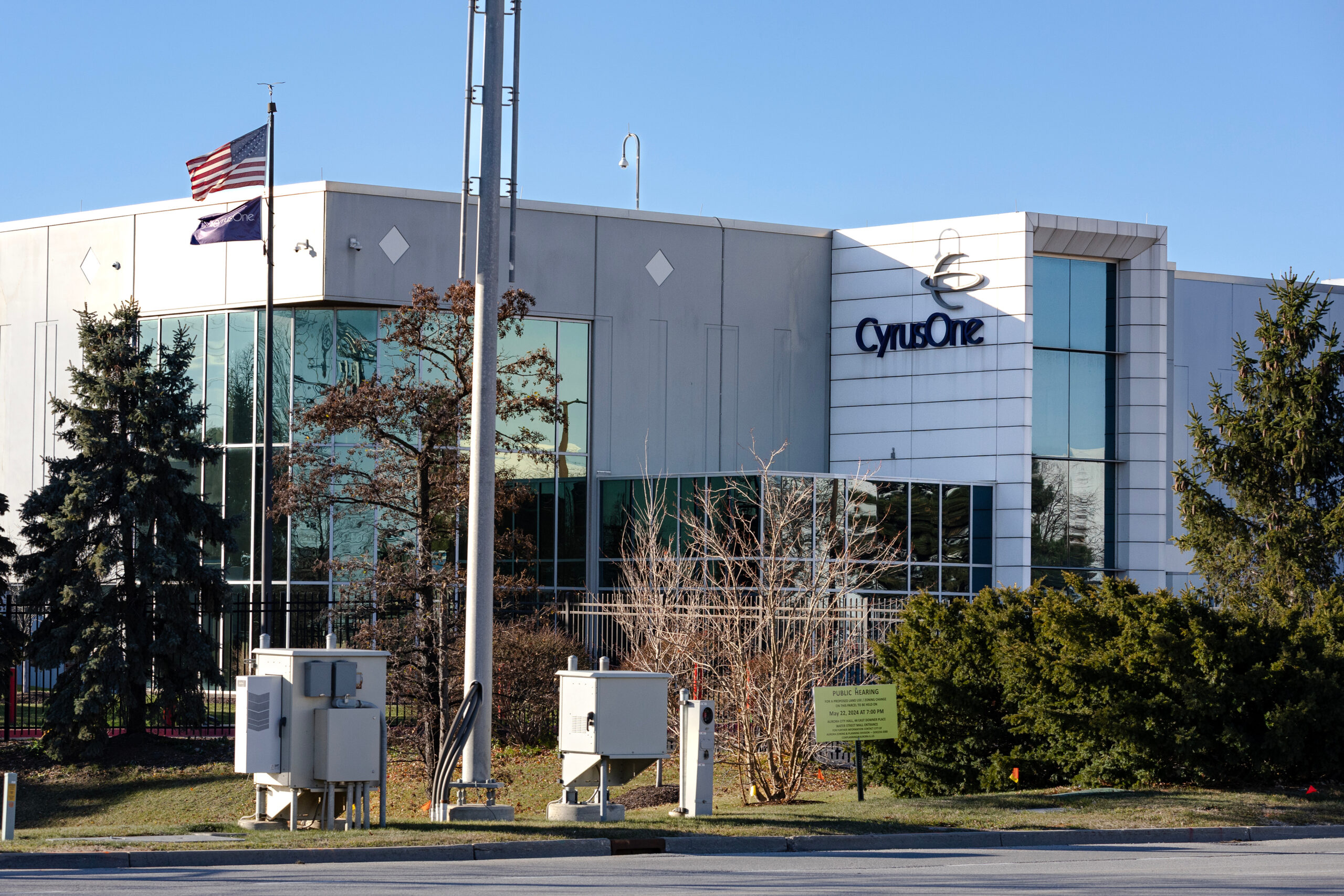
CME’s Data Center Adds More Cooling After Outage, CyrusOne Says
Yahoo Finance· 2025-11-30 21:23
Core Viewpoint - The CME Group faced significant operational disruptions due to a cooling system failure at its Aurora, Illinois data center, which has since been addressed with additional backup systems installed by CyrusOne [1][2]. Group 1: Incident Overview - A catastrophic cooling system failure occurred at the data center complex late Thursday, causing temperatures to exceed 100°F (38°C) [2]. - The CME Group's disaster recovery plan included a move to a New York area data center, but the exchange chose not to switch facilities, believing the outage would be brief; however, it lasted for several hours [2]. Group 2: Operational Recovery - Most operations were restored by Friday afternoon US time, with the Commodity Futures Trading Commission monitoring the situation [3]. - CyrusOne has confirmed that stable and secure operations have been restored at the Chicago 1 (CHI1) data center, and additional redundancy has been added to the cooling systems to enhance continuity [1].
Worldwide markets roiled by data-center snafu in Chicago suburb
Fortune· 2025-11-30 16:49
Core Insights - The CME Group experienced a significant outage due to a cooling system failure at its data center in Aurora, Illinois, which halted trading across global markets for hours [1][3][5] - The outage highlighted vulnerabilities in the global financial system, particularly the reliance on a few dominant exchanges and the contingency plans of CME [5][6] - The incident raised concerns about the operational resilience of CME, especially after it outsourced its data center operations to CyrusOne in 2016 [5][13] Group 1: Incident Details - The outage began on Thursday evening, affecting trading in various commodities and financial instruments globally [1][3] - Initial communications from CME indicated that the issue would be resolved quickly, but the malfunction persisted for an extended period [2][3] - Trading disruptions continued into the following day, with the CME Direct platform being offline for most of the US trading session [4][9] Group 2: Market Impact - The 10-hour outage was more severe than a previous incident in 2019, underscoring CME's integral role in global markets [6] - The disruption affected trading volumes and liquidity, particularly during a month-end period when investors needed to adjust positions [7][14] - Traders reported erratic movements in commodities like gold and oil, and some market makers hesitated to engage in trades until the issue was fully resolved [14] Group 3: Technical Aspects - The cooling system failure was attributed to machinery issues, leading to temperatures exceeding 100F (38C) in the data center [1][10] - CyrusOne, the operator of the data center, stated that it was working to restore normal operations and had implemented temporary cooling solutions [10][11] - The Aurora complex has been a critical hub for CME's digital operations for nearly two decades, emphasizing the importance of its infrastructure [12]
AI时代的致命隐患,芝商所数据中心宕机,揭示冷却系统隐忧
Hua Er Jie Jian Wen· 2025-11-28 20:05
Core Insights - The recent trading disruption at CME Group highlights the critical issue of cooling systems in data centers, which can significantly impact global markets [1] Group 1: Incident Overview - On November 27, CME Group's trading platform experienced a multi-hour outage affecting trillions of dollars in contracts across various asset classes due to a cooling system failure at its Aurora, Illinois data center [1] - The cooling system failure was attributed to a malfunction in a chiller unit, which impacted multiple cooling units, leading to market turmoil [1] - CyrusOne, the operator of the data center, stated that the incident was caused by a "simple" physical failure, emphasizing the vulnerability of data centers to such issues [1] Group 2: Data Center Cooling Challenges - Data centers consume significantly more energy than typical office buildings, with energy consumption per square foot being 50 times higher, leading to substantial waste heat generation [5] - Traditional cooling methods using air are being increasingly replaced by liquid cooling systems due to the higher heat output from AI-related workloads, although these systems are more complex and costly [6] - The reliance on cooling systems raises concerns about water resource consumption, particularly in water-scarce regions, as data centers require substantial water for cooling [6] Group 3: Consequences of Overheating - Overheating in data centers can result in data loss, damage to expensive server components, and service interruptions, similar to recent outages experienced by other digital infrastructure providers [8] - Despite investments in redundancy measures, such as backup generators and additional cooling units, the complexity of systems can still lead to unavoidable disruptions [8] Group 4: CME Incident Analysis - The CME trading platform is located in a CyrusOne-operated facility in Aurora, which reportedly has advanced cooling technology and additional cooling units to mitigate failures [9] - Following the incident, CyrusOne deployed temporary cooling equipment while working to restore full cooling capacity [9] - The effectiveness of the redundant cooling systems during this incident remains unclear, raising questions about their reliability [9]
Franklin Inorganic Expansion Efforts: A Catalyst for Future Growth?
ZACKS· 2025-11-17 19:01
Core Insights - Franklin Resources (BEN) is actively expanding through acquisitions and partnerships to enhance its alternative investments and multi-asset solutions offerings [2][11] - The acquisition of Apera Asset Management significantly increased BEN's alternative credit assets under management (AUM) by over $90 billion, bringing total alternative asset strategies to nearly $270 billion as of September 30, 2025 [3] - The company is focusing on higher-growth asset classes, particularly alternatives, to capture incremental flows and support long-term AUM expansion [7] Strategic Acquisitions and Partnerships - In October 2025, Franklin Resources completed the acquisition of Apera Asset Management, enhancing its position in the alternative credit market [3] - In September 2025, Franklin partnered with Copenhagen Infrastructure Partners, DigitalBridge, and Actis to expand its private infrastructure platform [4] - In July 2024, Franklin collaborated with SBI Holdings to enter the ETF and digital assets space, targeting younger investors [5] - The acquisition of Putnam Investments in January 2024 boosted Franklin's defined-contribution AUM above $100 billion [5] Market Position and Competitiveness - Franklin's strategic moves have strengthened its presence in the separately managed account (SMA) market and expanded its capabilities across private debt, real estate, hedge funds, and private equity [6] - The company's focus on alternatives aligns with industry trends, enhancing its competitive positioning and potential for sustained revenue growth [7] - Peers like BlackRock and T. Rowe Price are also pursuing similar inorganic growth strategies through acquisitions and partnerships [8][12] Financial Performance and Valuation - Franklin's shares have increased by 1.7% over the past three months, contrasting with an 18.2% decline in the industry [14] - The company trades at a forward price-to-earnings (P/E) ratio of 8.71X, below the industry average of 13.98 [16] - The Zacks Consensus Estimate indicates year-over-year earnings growth of 12.6% and 12.5% for 2026 and 2027, respectively, although recent estimates have been revised downward [18]


Eni Lifts Buyback and Outlook After Strong Q3 Driven by Upstream Growth
Yahoo Finance· 2025-10-27 04:59
Core Insights - Eni S.p.A. reported strong third-quarter 2025 results with a 6% year-on-year production growth and record upstream performance, leading to an increase in full-year cash flow outlook and a 20% rise in share buyback program to €1.8 billion [1][2] Financial Performance - Proforma EBIT reached €3 billion and net profit was €1.2 billion, which is 20% above expectations, while operating cash flow stood at €3.3 billion despite weaker oil prices and a stronger euro [2][6] - Full-year cash flow from operations before working capital is now expected to be €12 billion, up from €11.5 billion, with a buyback plan increase of €300 million [2] - Gross capital expenditure was €2 billion, and net debt is reported at €9.9 billion, maintaining a proforma leverage ratio of 12% [6] Production and Upstream Growth - Eni's upstream division was a key growth driver, with oil and gas production climbing to 1.76 million barrels of oil equivalent per day [3] - Significant milestones included the final investment decision on the Coral North FLNG project in Mozambique, the sale of a 30% stake in Côte d'Ivoire's Baleine field for €1 billion, and the early launch of the Agogo West Hub in Angola [3] Energy Transition Strategy - Eni is advancing its energy transition strategy, with its renewables arm, Plenitude, achieving 4.8 GW of installed capacity and targeting 5.5 GW by year-end [4] - The company is converting refining hubs to biofuel and circular production, while its chemicals arm, Versalis, is shifting towards battery and recycling ventures [4] - A new satellite joint venture with Global Infrastructure Partners aims to expand Eni's carbon capture and storage (CCUS) portfolio, with a €2 billion investment from Ares Fund into Plenitude nearing completion [4] Strategic Structure and Value Generation - Eni's "satellite" model, which involves spinning off specialized entities like Plenitude, Enilive, and Azule Energy, continues to generate value and steady cash inflow [5] - This strategic structure allows the company to maintain a leverage ratio of just 12% on a pro forma basis, ensuring accelerated growth and stable dividends while maintaining balance sheet strength [5]
NEXT Greenlights Rio Grande LNG Train 5, Adding 6 MTPA LNG Capacity
ZACKS· 2025-10-20 15:11
Core Insights - NextDecade Corporation has made a positive final investment decision for Train 5 of the Rio Grande LNG project in Brownsville, TX [1][5] - The total estimated cost for the construction of Train 5 and related infrastructure is $6.7 billion, with full committed financing secured [2][5] - Train 5 is expected to add 6 million tons per annum (mtpa) of liquefaction capacity, raising the total capacity of the facility to approximately 30 mtpa, with completion anticipated in the first half of 2031 [3][5] - The expansion is supported by long-term sales and purchase agreements totaling up to 4.5 mtpa of LNG with companies like EQT Corporation, JERA, and ConocoPhillips [4][5] Financing Details - NextDecade has secured $6.7 billion in committed financing, which includes a $3.59 billion term loan facility and $0.50 billion from private placement notes [2] - The company has committed $1.29 billion in equity financing, with an additional $1.29 billion in equity commitments from Global Infrastructure Partners, GIC, and Mubadala Investment Company [2] Capacity and Agreements - The addition of Train 5 will increase the LNG export plant's capacity to about 30 mtpa [3] - Long-term offtake agreements include a 20-year deal with EQT for 1.5 mtpa, a 20-year agreement with JERA for 2 mtpa, and a 20-year agreement with ConocoPhillips for 1 mtpa [4]