
PDVSA

Search documents
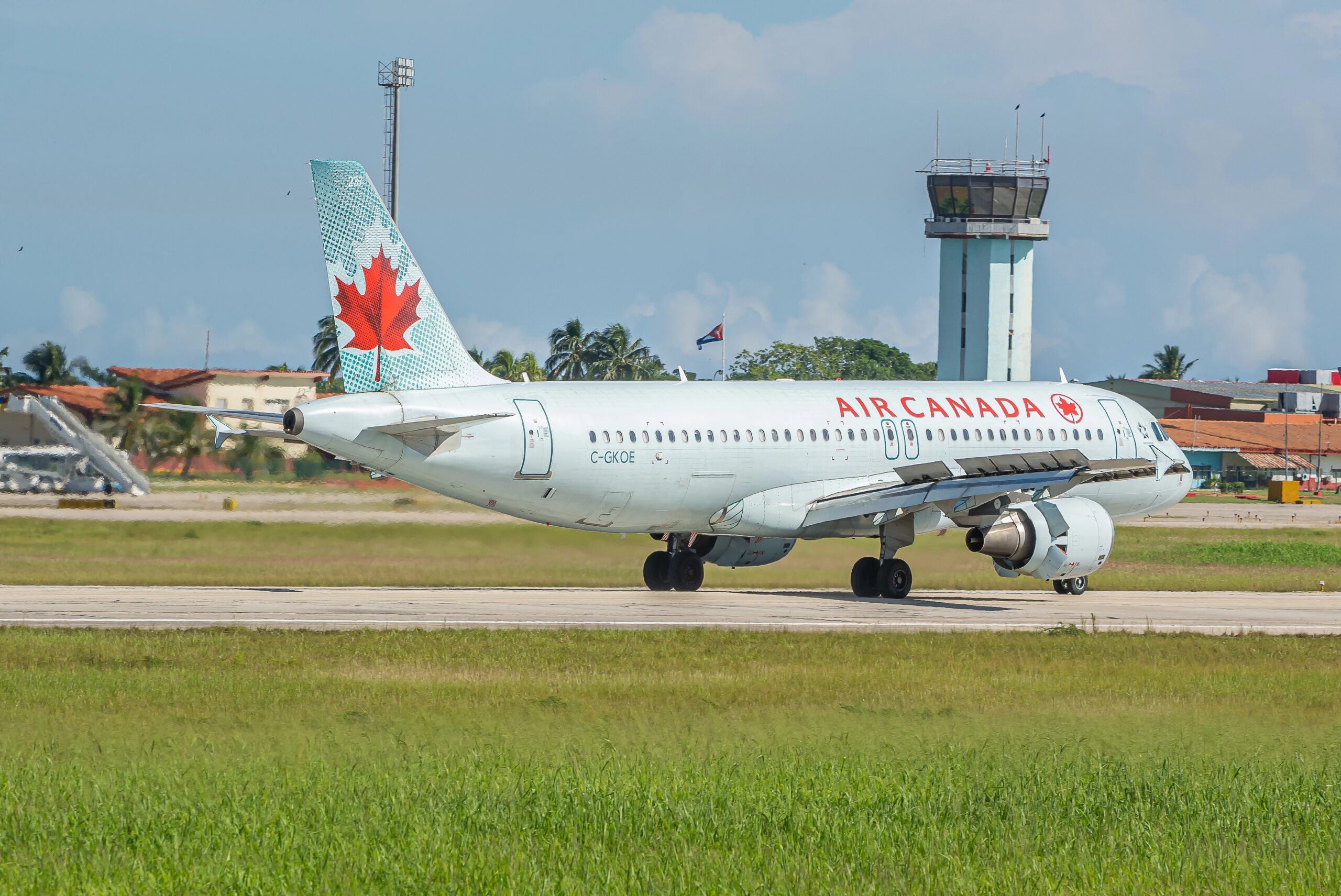
Canadian Airlines Suspend Cuba Flights as Island Set to Run Out of Jet Fuel
Insurance Journal· 2026-02-11 10:00
Core Viewpoint - Canadian airlines have suspended flights to Cuba due to a jet fuel shortage caused by U.S. restrictions on oil supplies from Venezuela, impacting operations and travel plans for many passengers [1][10]. Group 1: Airline Operations - Air Canada, the largest carrier in Canada, announced that aviation fuel will not be available at Cuban airports starting Tuesday, leading to flight cancellations [1]. - Smaller airlines, including WestJet and Air Transat, have also canceled flights due to anticipated fuel shortages, with Air Transat suspending all flights to Cuba until the end of April [2][6]. - WestJet has initiated a wind-down of its Cuban operations and is organizing flights to assist customers returning to Canada [6]. Group 2: Fuel Supply Issues - The Cuban Aviation Corporation (ECNA) did not acknowledge the fuel shortage or flight cancellations in its statement, emphasizing its commitment to maintaining aviation safety and reliability [3]. - Air Europa plans to make refueling stops in the Dominican Republic due to the fuel restrictions, indicating that fuel shortfalls are a recurring issue for airlines operating in Cuba [4]. - Historically, Cuba has relied on Venezuela for jet fuel, but since mid-December, it has not received any fuel from Venezuela due to U.S. sanctions [10][11]. Group 3: Impact on Travelers - Travelers in Cuba expressed concern over the flight cancellations and fuel shortages, indicating that the situation is causing anxiety among families and passengers [6][7]. - Despite the issues faced by Canadian airlines, U.S. carriers such as American Airlines, Southwest Airlines, and Delta Air Lines continue to operate flights to Cuba without current disruptions [8].

Exclusive-Increased Orinoco Belt output boosts Venezuela's oil production to 1 million bpd, sources say
Yahoo Finance· 2026-02-09 16:36
Core Viewpoint - Venezuela's state oil company PDVSA has reversed most of its output cuts, increasing total production close to 1 million barrels per day (bpd) following a U.S. oil blockade that had previously constrained output [1][2]. Group 1: Production Recovery - PDVSA has resumed production in the Orinoco Belt, now producing slightly over 500,000 bpd, which is more than 100,000 bpd above early January levels [3]. - The recent increases in production are attributed to the easing of export restrictions and the granting of U.S. licenses to trading houses for Venezuelan oil exports [3][4]. Group 2: U.S. Involvement - The U.S. Treasury Department has issued general licenses allowing U.S. companies to export Venezuelan oil and provide fuel, which is expected to facilitate further authorizations for oil exploration and production in Venezuela [4]. - Initial U.S. licenses granted to trading houses Trafigura and Vitol are part of a $2 billion supply agreement between Caracas and Washington, aiding in the recovery of Venezuelan oil exports [3][4]. Group 3: Impact of Blockade - The U.S. oil blockade imposed in December led to significant output cuts as millions of barrels of crude were stranded in the country, but recent developments have allowed PDVSA to boost production and exports [2][5]. - The easing of the blockade has provided much-needed diluents for Venezuela's extra heavy oil, enabling PDVSA to enhance production levels [5].
Exclusive: Venezuela boosts oil output in Orinoco Belt, country's production approaches 1 million bpd, sources say
Reuters· 2026-02-09 14:48
Core Viewpoint - Venezuela's state oil company PDVSA has significantly increased its oil production by reversing most of the output cuts previously implemented in its oilfields and joint ventures, particularly in the Orinoco Belt region, bringing total production close to 1 million barrels per day (bpd) [1] Company Summary - PDVSA has lifted the majority of its output cuts at its oilfields and joint ventures [1] - The reversal of cuts has led to a substantial boost in the nation's oil production levels [1] - Current production levels are nearing 1 million bpd, indicating a recovery in operational capacity [1] Industry Summary - The increase in production is primarily concentrated in the Orinoco Belt, which is Venezuela's main crude oil region [1] - The actions taken by PDVSA reflect a strategic shift in the management of oil output in response to operational needs [1]

US refiners struggle to absorb sudden surge in Venezuelan crude oil imports
BusinessLine· 2026-02-04 07:11
Core Viewpoint - U.S. Gulf Coast oil refiners are facing challenges in absorbing a surge of Venezuelan crude shipments following a $2 billion supply deal between Caracas and Washington, leading to price pressures and unsold volumes [1][2]. Group 1: U.S. Demand and Supply Dynamics - Soft U.S. demand poses an early challenge for the U.S. administration's plans to increase Venezuelan oil imports, especially after the capture of President Nicolas Maduro [2]. - Venezuelan oil exports to the U.S. nearly tripled to 284,000 barrels per day (bpd) last month, but refiners are struggling to find buyers due to high prices compared to Canadian heavy grades [5][4]. - Before sanctions in 2019, the U.S. was importing around 500,000 bpd of Venezuelan oil, but exports dropped to zero by mid-2025 [6]. Group 2: Refiners' Capacity and Pricing - Phillips 66 can process approximately 250,000 bpd of Venezuelan crude, but competitive pricing is essential for these grades to replace other heavy oil sources [7]. - Venezuelan heavy oil is currently offered at about $9.50 per barrel below benchmark Brent, while Canadian WCS crude is trading at a discount of about $10.25 per barrel under Brent [4][5]. Group 3: Export and Trading Developments - Chevron increased its Venezuelan oil exports to 220,000 bpd in January from 99,000 bpd in December, but must manage storage or marketing for excess production [8]. - Vitol and Trafigura exported around 12 million barrels (approximately 392,000 bpd) from Venezuelan ports in January, primarily to Caribbean storage terminals, with much of it still unsold [10][11]. - Total Venezuelan oil exports rose to nearly 800,000 bpd last month, up from 498,000 bpd in December, with the U.S. now controlling Venezuela's oil sales following Maduro's capture [11]. Group 4: International Trade Relations - The U.S. has allowed China to purchase Venezuelan oil under conditions that prevent "unfair, undercut" pricing, but China has halted purchases while assessing the situation [12]. - A potential new market for Venezuelan oil could emerge from India, as a recent trade deal may lead to increased imports of Venezuelan oil [13].


US refiners struggle to absorb sudden surge in Venezuelan oil imports
Reuters· 2026-02-03 17:21
Core Viewpoint - U.S. refiners are facing challenges in absorbing a sudden increase in Venezuelan oil imports, leading to price pressures and unsold volumes following a significant supply deal between Caracas and Washington [1]. Group 1: U.S. Refiners' Challenges - U.S. Gulf Coast refiners are struggling to manage a rapid surge in Venezuelan crude shipments, which have increased significantly since a $2 billion supply deal was established [1]. - The demand from U.S. refiners is soft, creating obstacles for the U.S. government's plans to increase Venezuelan oil imports following the capture of President Nicolas Maduro [1]. - Some refiners are reluctant to purchase Venezuelan crude due to high prices compared to competing Canadian heavy grades, despite a slight decline in prices [1]. Group 2: Venezuelan Oil Exports - Venezuelan oil exports to the U.S. nearly tripled in January to 284,000 barrels per day (bpd), up from a much lower figure due to previous sanctions [1]. - Total Venezuelan oil exports rose to almost 800,000 bpd in January, recovering from a low of 498,000 bpd in December [1]. - The U.S. was previously importing around 500,000 bpd of Venezuelan oil before sanctions were imposed in 2019, with exports dropping to zero by mid-2025 [1]. Group 3: Market Dynamics and Competition - Trading houses Vitol and Trafigura have been granted U.S. licenses to market Venezuelan oil, but they are finding it increasingly difficult to secure buyers among Gulf Coast refiners [1]. - Chevron has increased its Venezuelan oil exports to 220,000 bpd in January from 99,000 bpd in December, but it must store or market excess production due to limited refining capacity [1]. - The potential for increased Venezuelan oil exports may arise from a trade deal with India, which could lead to Indian companies considering imports of Venezuelan oil [1].

In Venezuelan oil region, industry reform sparks both hope and skepticism
Reuters· 2026-02-02 20:07
Core Viewpoint - Venezuelan state oil company PDVSA's workers and retirees are optimistic that recent oil-industry reforms, influenced by U.S. intervention, will enhance their purchasing power amid declining wages and pensions [1] Group 1: Impact of U.S. Intervention - The U.S. intervention last month is expected to catalyze reforms in the oil industry, which could lead to improved economic conditions for workers and retirees [1] - Workers and retirees are particularly hopeful that these reforms will address the erosion of their wages and pensions, which have been significantly affected by economic challenges [1] Group 2: Economic Conditions - The current economic situation in Venezuela has led to a decline in the purchasing power of PDVSA employees, prompting a demand for reforms to stabilize their financial conditions [1] - The anticipated reforms are seen as a potential solution to the ongoing financial struggles faced by those dependent on the oil industry for their livelihoods [1]

Venezuela oil exports rise sharply in January under US control, data shows
Yahoo Finance· 2026-02-02 18:07
Core Insights - Venezuelan oil exports increased significantly to approximately 800,000 barrels per day (bpd) in January from 498,000 bpd in December, following the U.S. capture of Nicolas Maduro and the end of an oil blockade [1][2] Group 1: Export Dynamics - The U.S. oil embargo imposed in December led to the accumulation of over 40 million barrels of crude and fuel in storage, which forced PDVSA to cut output in early January [2] - The January export volume was close to the average of 847,000 bpd for the previous year, but PDVSA's partners need to accelerate exports to reduce inventory levels and reverse output cuts fully [3] - The U.S. regained its position as the main destination for Venezuelan crude, with exports of about 284,000 bpd, primarily driven by Chevron, which increased its shipments from 99,000 bpd in December to 220,000 bpd in January [5] Group 2: Licensing and Operations - The U.S. Treasury Department issued a broad license allowing U.S. companies to engage in various activities related to Venezuelan oil, facilitating exports and operations for PDVSA [4] - Vitol and Trafigura exported 12 million barrels of Venezuelan crude and fuel oil under U.S. licenses, averaging about 392,000 bpd in January, primarily to Caribbean storage terminals [6] - Between 18 million and 38 million barrels are yet to be exported under a $2 billion supply deal between Caracas and Washington, with proceeds directed to a U.S.-supervised fund [7]
坐拥金山,却变成人间炼狱,委内瑞拉到底经历了什么?
小Lin说· 2026-02-01 13:00
今天咱们来聊一个国家 可以说是人类近代历史上 最大的经济灾难 就是 委内瑞拉 作为全球石油储量最高的国家 起手牌可以说是 "俩王四个二" 却在不到十年的时间里头 GDP下降了80% 根据联合国的估算 2024年有82%的人 生活在贫困线以下 首都加拉卡斯有一整座山的贫民窟 谋杀率全球最高 在这个加油跟几乎不要钱一样的国家 却连卫生纸 粮食药品 这些基本物品都极度短缺 以至于超市买菜都得限号 得看你的身份证尾号 还要配备非常严格的武装安保 十多年持续陷入在恶性通胀的火炉里 钱都得论斤称 这个货币贬值速度 离谱到什么程度啊 如果你把它20年前 100块面值的玻利瓦尔 这么一张一张摞起来 物理上塞满整个鸟巢体育场 还不是一个 塞满40个鸟巢 这么多钱价值多少呢 也就可以去麦当劳买个汉堡 你还不能配薯条跟汽水 等等这些恶魔般的概念 竟然全都附身在了这么一个国家身上 所以你可别觉得 我们今天聊委内瑞拉 就是因为它是一个政治热点 咱来一起看看 它是怎么把这一手好牌打成这样 委内瑞拉 是南美洲北部海岸的一个国家 国土面积大概91万平方公里 比东三省加起来再大点 现在大概有2,800万人口 本来呢这主要是土著的印第安人 从1 ...

Chevron Q4 Earnings Call Highlights
Yahoo Finance· 2026-01-30 22:10
Core Viewpoint - Chevron reported strong fourth-quarter earnings and significant production growth, emphasizing a shift towards free cash flow growth and strategic acquisitions to enhance its upstream portfolio [1][2][3]. Financial Performance - Fourth-quarter earnings reached $2.8 billion, or $1.39 per share, with adjusted earnings of $3.0 billion, or $1.52 per share, impacted by pension curtailment costs of $128 million and negative foreign currency effects of $130 million [1]. - Operating cash flow for Q4 was $10.8 billion, contributing to an adjusted free cash flow of approximately $20 billion for the year, with record cash returned to shareholders, including $3 billion in buybacks during the quarter [4][6]. - The company announced a 4% increase in the quarterly dividend, marking it as a top financial priority, with over $100 billion returned in dividends and buybacks over the last four years [7]. Production and Growth Strategy - Chevron achieved record global and U.S. production in 2025, reaching approximately 1,000,000 barrels of oil equivalent per day in the Permian, with a target of 300,000 boe/d in the Gulf of Mexico by 2026 [2][5]. - The company completed the Future Growth Project at Tengiz, adding 260,000 barrels of oil per day, and initiated major projects such as Ballymore and Whale in the Gulf of Mexico [2][5]. - Chevron's production in Venezuela has increased by over 200,000 barrels per day since 2022, with potential for an additional 50% increase pending U.S. approvals [3][8][9]. Cost Management and Efficiency - Chevron's cost reduction program exceeded expectations, delivering $1.5 billion in 2025 and targeting $3 billion–$4 billion in savings by the end of 2026, with over 60% of savings expected from durable efficiency gains [16]. - The company is optimizing cash generation and capital efficiency in the Permian, maintaining production at roughly 1 million barrels per day [16]. Future Outlook - Looking ahead to 2026, Chevron expects continued production growth driven by project ramp-ups and efficiency improvements, with a projected year-over-year increase of 7%–10% in production, excluding asset sales [15]. - The company is also focusing on expanding its Eastern Mediterranean gas projects, with significant capacity increases anticipated by the end of the decade [11][12].
BofA Raises Chevron (CVX) Target as Geopolitical Shifts Lift Energy Outlook
Yahoo Finance· 2026-01-30 22:06
Group 1: Company Overview - Chevron Corporation (NYSE:CVX) is an integrated energy company involved in the production of crude oil and natural gas, manufacturing transportation fuels, lubricants, petrochemicals, and additives, as well as developing technologies that support its operations and the wider energy industry [6] Group 2: Market Outlook and Price Target - BofA raised its price target on Chevron Corporation (CVX) to $188 from $180, maintaining a Buy rating, reflecting updated views on Integrated, Refining, and Midstream companies due to higher front-month crude prices influenced by geopolitical factors [2] - Analysts noted that the removal of Maduro in Venezuela and ongoing unrest in Iran are contributing to a more favorable energy outlook for Chevron [2] Group 3: Venezuelan Crude Shipments - Chevron is preparing to increase shipments of Venezuelan crude to the US, with exports expected to rise to approximately 300,000 barrels per day in March, marking a significant recovery from previous slowdowns [3] - The company has secured several tankers and is accelerating loadings to facilitate this increase in shipments [3] Group 4: Production Capacity and Joint Ventures - Chevron's joint ventures with PDVSA are currently producing about 240,000 to 250,000 barrels per day of heavy crude, which is preferred by Gulf Coast refiners, and these operations have not been affected by recent production cuts from PDVSA [4] - Company executives indicated that Chevron could potentially double crude loadings and increase production over the next two years by focusing on repairing and upgrading existing facilities [5]