Burberry

Search documents
Gen Z Shoppers in China, Asia-Pacific Fuel Burberry Growth in Key Third Quarter
Yahoo Finance· 2026-01-21 07:56
Core Insights - Burberry's underlying retail sales increased by 3 percent in the holiday trading quarter, driven by strong performance from Gen Z shoppers in China and the Asia-Pacific region [1][4] - The company's overall retail revenue rose by 1 percent to 665 million pounds, exceeding consensus estimates of a 2 percent increase, resulting in a 4 percent rise in share price [2] - Comparable store sales improved by 3 percent, contrasting with a 4 percent decline in the same period last year, with growth attributed to existing stores rather than new openings [3] Regional Performance - Sales in China rose by 6 percent, while the Asia-Pacific region saw a 5 percent increase, and the Americas region grew by 2 percent during the quarter [4] - The company noted that its Burberry Forward strategy is gaining momentum, leading to improved comparable sales growth and revenue quality across various channels and regions [4][6] Product and Marketing Strategy - Burberry's marketing campaigns focused on "immersive timeless British luxury" resonated well with customers, contributing to strong performance in the outerwear category, which is now extending to accessories and ready-to-wear [5] - The company reported a "higher quality" of revenue across all channels and regions, with a shorter and more discreet markdown period compared to the previous year [7] Financial Outlook - Burberry anticipates that adjusted operating profit will align with consensus for fiscal 2025-26, indicating confidence in building on recent progress in revenue quality and sustainable long-term value [6]
Burberry Books Revenue Rise as Gen Z Interest Warms
WSJ· 2026-01-21 07:53
Group 1 - The group reported double-digit growth among Gen Z in Greater China and Asia-Pacific [1] - The reach with younger consumers across all regions is strengthening [1]



Burberry beats holiday sales expectations, attracts more shoppers in China
Reuters· 2026-01-21 07:08
Core Insights - Burberry exceeded sales growth expectations during the crucial holiday quarter, driven by a successful marketing campaign featuring British celebrities that resonated with consumers [1] Company Summary - The marketing strategy effectively attracted a larger number of Gen Z consumers in China, indicating a positive shift in brand engagement among younger demographics [1]

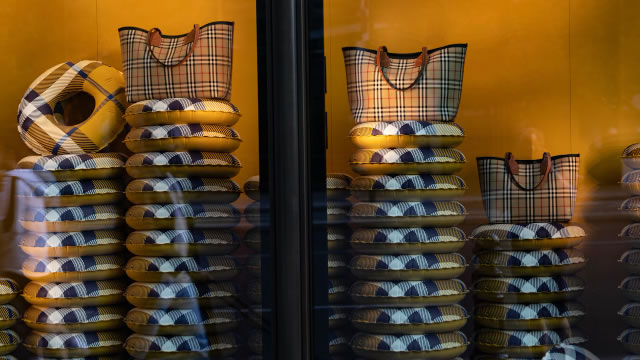
Here are the European exporters most exposed if Trump’s Greenland tariffs kick in
CNBC· 2026-01-19 10:53
Tariff Threats and Economic Impact - U.S. President Donald Trump has announced plans to impose 10% tariffs on several European countries, escalating to 25% by June 1, as part of a strategy to acquire Greenland [2] - European political leaders are preparing for emergency talks to discuss potential retaliatory measures and broader economic policies in response to the tariffs [3] Affected Sectors Automotive - The automotive sector is highly vulnerable to the proposed tariffs due to globalized supply chains and reliance on North American manufacturing [4] - Major European car manufacturers, including Volkswagen, BMW, and Mercedes-Benz, experienced stock declines of over 2.5% following the announcement [5] - The tariffs are expected to negatively impact Germany's economic outlook, which is heavily reliant on the automotive industry [7][8] Luxury Goods - Luxury stocks, previously insulated from trade tensions, are now facing potential declines due to the tariffs, particularly affecting French companies like LVMH and Kering [9] - Shares of LVMH and Kering fell approximately 3.5% and 2.6%, respectively, following the tariff threats [10] Pharmaceuticals - The pharmaceutical sector could see significant repercussions, as it represents the EU's largest export to the U.S., with exports valued at €84.4 billion ($98.1 billion) in the first three quarters of the previous year [11] - Major pharmaceutical companies, including Novo Nordisk, Roche, and Sanofi, experienced slight declines in stock prices due to the tariff threats [12] Energy - The energy sector may be indirectly affected by the tariffs, with concerns over weaker global demand and lower crude prices impacting stock performance [13] - Energy stocks like Equinor, TotalEnergies, Shell, and BP saw declines ranging from 1% to 3.4% following the announcement [14] Broader Economic Implications - Analysts predict that the tariffs will have a widespread impact across various sectors, affecting oil prices, commodity prices, equity markets, and debt markets [16]

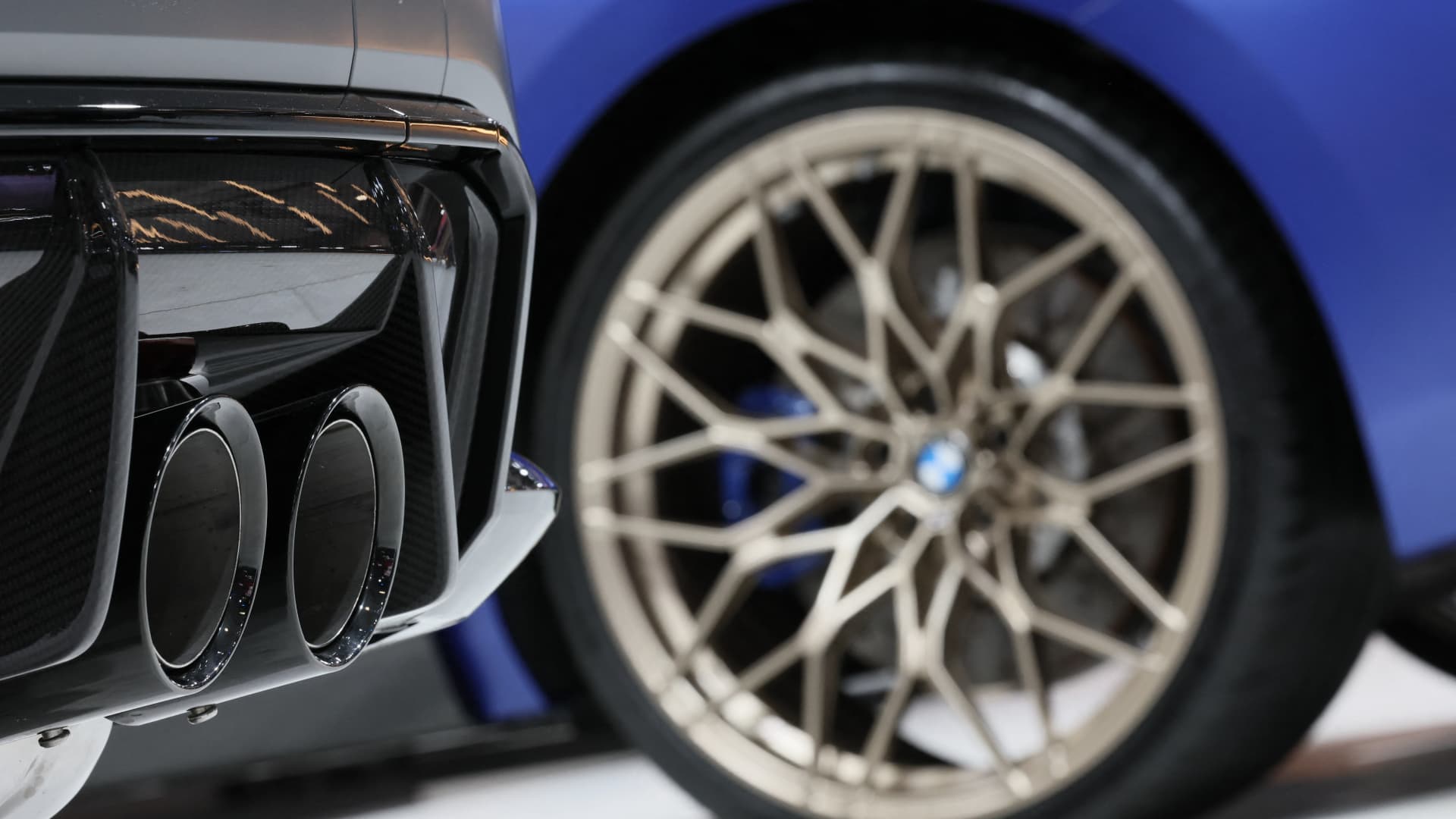
Rezolve Ai Guides to $350 Million 2026 Revenue and $500 Million ARR Exit Run Rate
Globenewswire· 2026-01-13 13:30
Core Insights - Rezolve Ai anticipates significant revenue growth, projecting at least $40 million for 2025 and approximately $350 million for 2026, which is nearly double market expectations of $170 million, indicating nearly 10× year-on-year growth [2][3] Revenue Guidance - For 2025, the company expects to exceed $40 million in revenue, surpassing current analyst consensus [2] - For 2026, the revenue guidance is set at approximately $350 million, indicating a substantial increase from the previous year [2] Annual Recurring Revenue (ARR) - Rezolve aims to exit 2026 with a minimum of $500 million in annual recurring revenue (ARR), translating to about $40 million in monthly revenue by December 2026 [3] Operating Performance - The company ended 2025 with approximately $209 million in ARR, achieving a record revenue of over $17 million in December, marking its first profitable month [4] - In 2025, Rezolve processed more than 51 billion API calls and reached over 340 million unique users globally, demonstrating its operational scale [4] Customer Base and Institutional Confidence - Rezolve's clientele includes major global brands such as Adidas, Gucci, and H&M, reflecting strong enterprise adoption [5] - The company secured significant repeat institutional investments, including a $50 million strategic investment and an additional $200 million commitment, indicating strong confidence in its execution and scalability [6] Strategic Partnerships - Throughout 2025, Rezolve strengthened partnerships with Microsoft and Google, focusing on integrating AI-driven commerce with next-generation payment infrastructure [7] Leadership Commentary - The CEO of Rezolve emphasized that 2025 marked a turning point for enterprise AI-driven commerce, highlighting the company's focus on execution and operational leverage as it moves into 2026 [8] Company Overview - Rezolve Ai is recognized as a leader in AI-powered solutions, specializing in enhancing customer engagement and operational efficiency [9] - The company operates with over 1,000 employees and has more than 650 enterprise customers across 24 global offices [10]

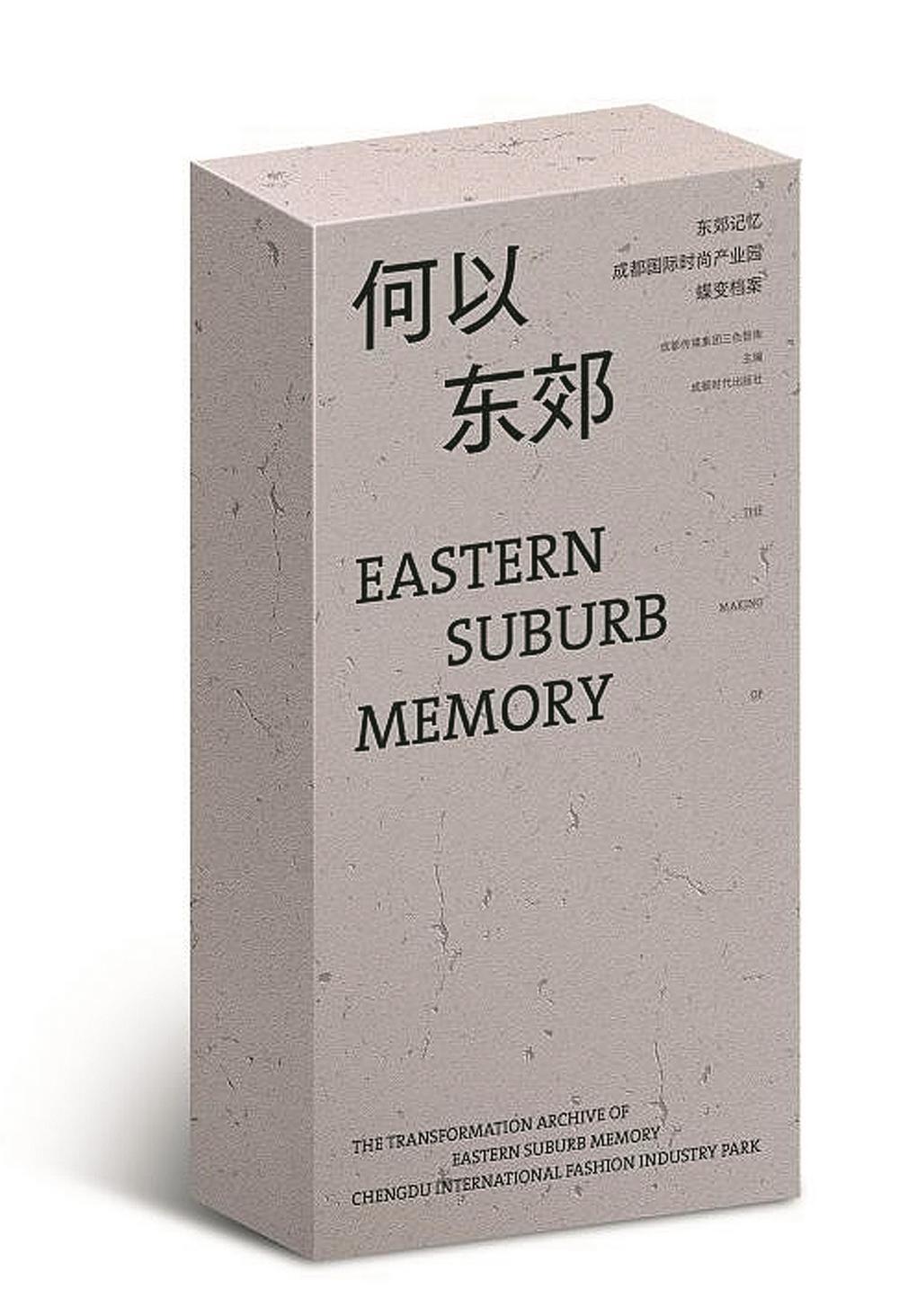
《何以东郊》书写工业遗迹的诗意重生
Xin Lang Cai Jing· 2026-01-12 18:00
□成都日报锦观新闻记者 泽登旺姆 转自:成都日报锦观 《何以东郊》书写工业遗迹的诗意重生 外在之变的核心,是工业形态的凤凰涅槃,这也正是该书精准捕捉的成都"兼容并蓄"文化基因的具象体现。东郊记忆的改造延续了"修旧如 旧、旧房新用"的克制策略——保留当年的红砖厂房、3根巨型烟囱与交错管道,将报废的生产设备改造为雕塑与舞台背景,让工业肌理成为最 独特的文化符号。1958年红光电子管厂在圣灯乡马槽沟村诞生时,一批年轻人怀揣"为国争光"的理想,在泥泞田埂旁的厂房里手工试制出中国 第一支黑白显像管。而今,这些承载着奋斗记忆的车间,变身为浪美术馆的沉浸式光影空间、东区超现场的音乐舞台,老厂房的高空间特质与 现代文化业态完美契合。这种"不割裂过去、不盲从潮流"的改造理念,既尊重老一辈红光人"艰苦朴素、无私奉献"的工业精神,也接纳年轻人 对潮流文化的多元表达,让不同年代的记忆在同一空间和谐共生,恰是东郊记忆作为"流动生命体"的生动注脚。 活化表达在地文化 在地文化的活化表达,是该书着力凸显的核心价值之一。成都人"吃得苦、耍得开"的生活态度,在东郊记忆的蝶变中得到充分彰显。书中详细 记录了蜀宴赋的打造历程:品牌主理人以汉文化传 ...
奢侈品市场复苏,消费价值观重塑
2 1 Shi Ji Jing Ji Bao Dao· 2025-12-30 23:14
Group 1 - The luxury goods market is showing signs of moving towards a new balance after experiencing structural adjustments, with total sales remaining stable at approximately €1.44 trillion, and projected growth to €2.2 trillion to €2.7 trillion by 2035 [1][2] - The Greater China region is viewed as the core engine driving the recovery of luxury brands like LVMH and Burberry, with significant improvements in their performance since Q3 2025 [2][3] - Consumer demand is shifting towards personalized, diversified, high-quality, and cost-effective products, indicating a change in purchasing logic among younger generations [1][3] Group 2 - The luxury goods market is gradually recovering from post-pandemic consumption fatigue, with major luxury groups reporting positive trends in the Greater China market, leading to reduced revenue declines or positive growth [2][3] - Nearly half of luxury consumers believe that brand prices are inflated and are unwilling to pay for frequently increasing prices, indicating a shift towards value and experience over brand logos [3][4] - Discount channels are experiencing significant sales growth, with platforms like Vipshop reporting a 30% year-on-year increase in luxury goods sales from January to September [3][4] Group 3 - Trust issues regarding discounted luxury goods are prevalent, as consumers question the reliability of purchasing from discount channels [4][5] - The establishment of a third-party inspection agency, such as China Inspection, is crucial for building consumer trust in discounted luxury products, as it provides authoritative verification [5][6] - The luxury market is entering a more complex and healthier phase, balancing brand aspiration with the need for a trust system and pricing pathways to meet increasingly discerning consumer demands [5][6]
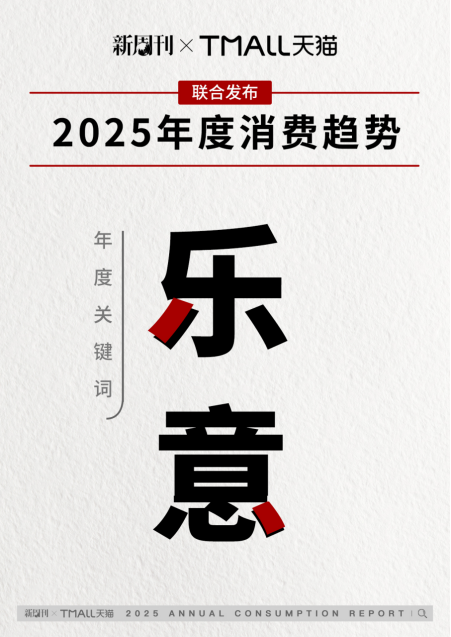
2025天猫年度消费观察:「乐意」成年度关键词
Zhong Guo Jing Ji Wang· 2025-12-29 07:36
Core Insights - The article highlights the evolving consumer behavior of the younger generation and high-net-worth individuals, emphasizing their willingness to spend on emotional satisfaction and identity recognition, with a focus on the concept of "乐意" (willingness) in their purchasing decisions [1] Group 1: Consumer Trends - The younger generation is categorized into "professional players," "identity expressers," and "long-term thinkers," each with distinct consumption patterns [4][7][10] - "Professional players" prioritize product efficacy and quality, leading to significant growth in categories like skincare and sports equipment, with some products seeing over 60% growth [4][5] - "Identity expressers" focus on unique aesthetics, with a notable increase in sales of niche luxury brands and designer items, reflecting a shift away from traditional price and logo-based definitions of taste [7] - "Long-term thinkers" adopt a new logic of spending less but investing in high-quality, durable items, with a marked increase in consumers willing to spend over 2000 yuan on winter clothing [11][12] Group 2: Emotional Spending - The concept of "情绪氪金" (emotional spending) indicates that consumers are willing to spend on items that enhance their emotional well-being, with significant growth in categories like EDC products and plush toys, showing increases of over 500% [14] - Young consumers are also creating "healing spaces" in their lives, leading to a near 100% increase in searches for body care products [14] Group 3: Cultural Trends - The rise of "华流" (Chinese cultural flow) reflects a growing appreciation for traditional aesthetics among young consumers, with a 300% increase in high-craft gold jewelry sales [16] - New Chinese elements are increasingly incorporated into modern fashion, with significant sales growth in traditional clothing styles [16] Group 4: Multifunctional Products - The demand for "瑞士军刀" (Swiss Army knife) style products is on the rise, with consumers favoring multifunctional items that serve multiple purposes, leading to substantial sales growth in smart home and pet products [19][20]
2025天猫年度消费趋势:专业玩家、穿出人设、一物封神…年轻人都在这样花钱
Jin Rong Jie Zi Xun· 2025-12-29 04:04
Core Insights - The article highlights the evolving consumer behavior of young and high-net-worth individuals in 2025, emphasizing their willingness to spend on emotional satisfaction and identity recognition while being frugal on everyday items [1] Group 1: Consumer Trends - Young consumers are categorized as "professional players," focusing on product efficacy and quality, with significant growth in skincare and hair care products [3][4] - The rise of "long-termism" in spending habits indicates a shift towards purchasing high-quality items that last longer, with a notable increase in consumers willing to spend over 2000 yuan on winter clothing [9][10] - Emotional spending, termed "emotional gold," reflects a trend where consumers invest in items that enhance their mood, leading to a dramatic increase in categories like EDC and plush toys [12][13] Group 2: Aesthetic and Identity - The concept of "wearing one's persona" suggests that consumers prioritize unique aesthetics over brand recognition, leading to a surge in demand for designer and niche luxury items [6][7] - The "Chinese flow" trend showcases a resurgence of traditional aesthetics, with significant growth in handcrafted gold jewelry and new Chinese-style clothing, indicating a cultural renaissance among young consumers [15][16] Group 3: Multifunctionality - The demand for "Swiss Army knife" products is on the rise, with consumers favoring multifunctional items that serve multiple purposes, such as smart furniture and pet products [18]
红杉中国买了“小脏鞋”,马云或套现离场
21世纪经济报道· 2025-12-23 07:45
Core Viewpoint - Sequoia China has finalized the acquisition of a controlling stake in Golden Goose, with Temasek and its subsidiary participating as minority shareholders, while the original shareholder Permira retains a minority stake. This investment aims to accelerate Golden Goose's global expansion [1][2]. Company Overview - Golden Goose, founded in 2000, is described as a global emerging fashion brand that blends luxury, lifestyle aesthetics, and sports style. The company is headquartered in Venice, Italy, and was co-founded by designers Alessandro Gallo and Francesca Rinaldo. Its signature product, the Super-Star sneaker, features a distinctive worn look and has gained popularity in the fashion community [3][4]. Financial Performance - In the latest fiscal quarter ending September 30, Golden Goose reported a net revenue increase of 13% year-over-year, reaching €517 million. The EMEA and APAC markets grew by 15%, while the Americas saw a 10% increase. Direct-to-consumer (DTC) net revenue rose by 21%, accounting for 79% of total revenue, driven by new store openings and double-digit same-store sales growth [5]. - Adjusted EBITDA for the first nine months increased by 7% to €173.6 million, with an EBITDA margin of 33.6% [5]. Strategic Initiatives - CEO Silvio Campara highlighted the brand's unique store expansion strategy, collaborations with influential ambassadors, and the launch of new sneaker models. The company has also established the Golden Goose Arena in Milan, which integrates sports, culture, and community [6]. - Golden Goose has attracted over 2 million members to its Dreamers community and operates 227 direct stores globally, reaching consumers through online and wholesale channels [6]. Market Context - The luxury goods market is experiencing fluctuations, with major brands like LVMH and Kering reporting declines in revenue. However, there are emerging opportunities, as seen with brands like Arc'teryx, which reported a 25.9% revenue increase in the first three quarters of the year [8][9]. - The market dynamics suggest that high-end consumers are shifting preferences, opting for brands like Arc'teryx and Golden Goose, which offer a better price-to-value ratio compared to traditional luxury brands [9]. Investment Outlook - Sequoia China's investment in Golden Goose reflects confidence in the growth potential of the consumer market, despite the challenges faced by the luxury sector. The partnership with Temasek, which has experience in the luxury market, may help address operational challenges [10].