Maruti Suzuki

Search documents
India’s highways may soon ‘talk’ to vehicles under new CCV protocol
MINT· 2025-12-21 23:30
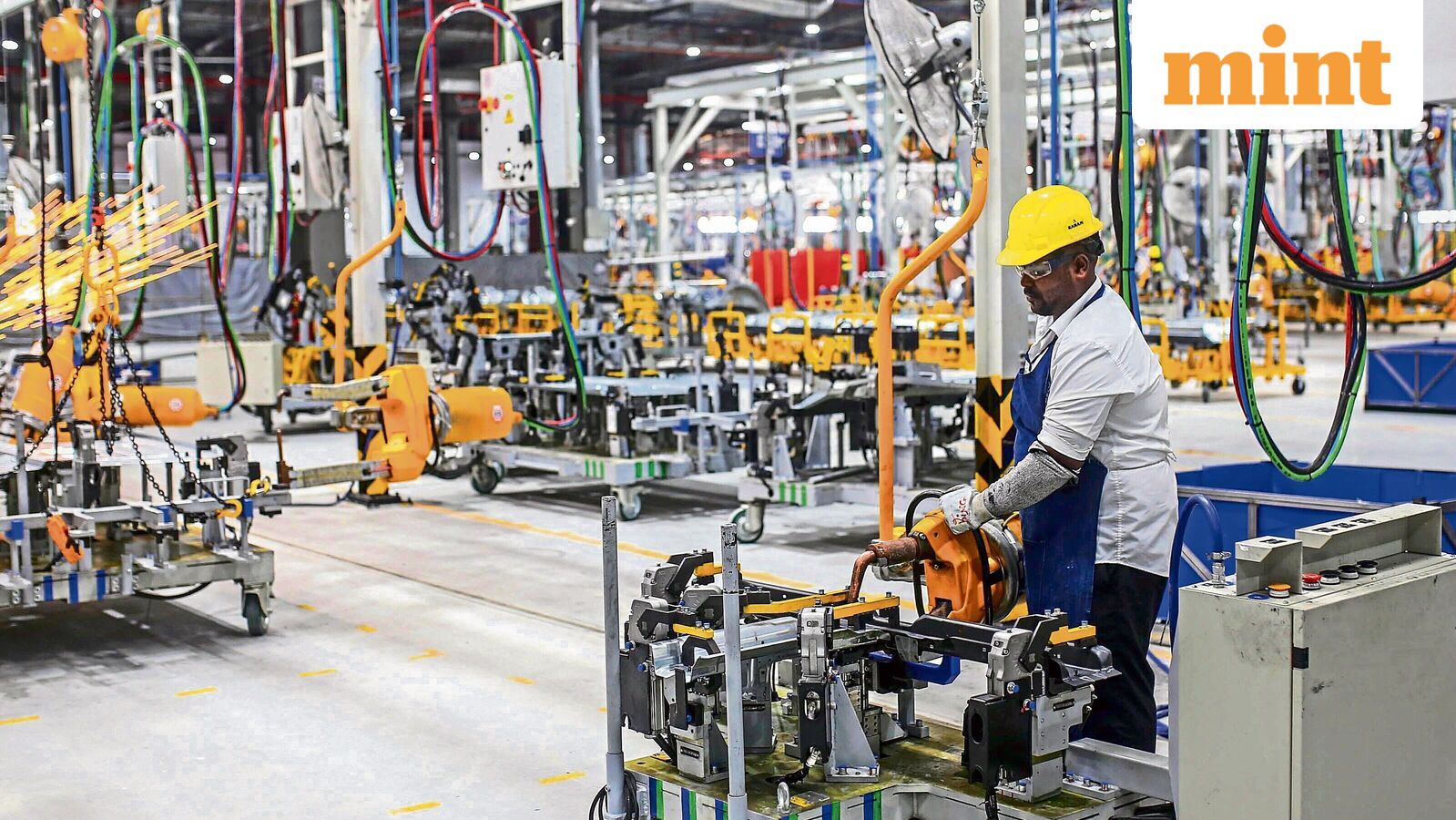
Core Insights - India is advancing towards a significant initiative in autonomous vehicles while also addressing the growing demand for electric vehicles (EVs) [1][4] - The government is developing the Connected Commercial Vehicle (CCV) protocol to enhance communication between vehicles and infrastructure [1][2] Group 1: Autonomous Vehicles and V2X Connectivity - The CCV protocol aims to bridge the gap between smart vehicles capable of vehicle-to-everything (V2X) connectivity and non-responsive infrastructure [2] - Discussions involving the Union road transport ministry, NHAI, NITI Aayog, and industry representatives are underway to refine this plan [3] - The focus is on V2X platforms that facilitate communication between vehicles and infrastructure without relying on cellular networks [13] Group 2: Electric Vehicle Infrastructure - The plan includes creating regulatory and technical frameworks for seamless connectivity between electric vehicles and advanced highway infrastructure [8] - India is preparing for large-scale long-haul electric mobility, emphasizing interoperability protocols for electric vehicles and charging infrastructure [9][16] - The government aims to install over 72,000 additional public EV charging stations by FY28 under the ₹10,900-crore PM E-Drive scheme [20] Group 3: Market Growth and Investment Opportunities - India's EV market is projected to be worth approximately $55 billion in 2025, with expectations to double by 2029 [18] - The rise in EV adoption is evident, with over 2 million EVs sold in 2025, marking an increase from 1.9 million in 2024 [17] - The initiative to upgrade road transport infrastructure is expected to create investment opportunities for local companies in various sectors, including automotive suppliers and communication infrastructure providers [21][22]



VinFast steers Vingroup’s India expansion amid US EV headwinds
MINT· 2025-12-21 12:17
Core Viewpoint - Vietnamese conglomerate Vingroup is planning rapid international expansion through India, focusing on its strong automotive performance while scaling back its efforts in the US market due to challenging policies [1][2]. Investment Plans - Vingroup announced over $500 million investment in India through its electric vehicle (EV) maker VinFast and plans to increase overall investments to $5 billion in the country [2][6]. - The company is committed to investing $2 billion in VinFast and an additional $3 billion across the EV ecosystem and new business entries like VinHomes [7][10]. Market Strategy - VinFast is prioritizing expansion in Asian markets, particularly India, to offset losses in the US market, where it has paused store expansion [3][8]. - The Indian market is viewed as a strategic growth pillar for VinFast, complementing its presence in mature markets like the US [4][19]. Manufacturing and Sales - VinFast plans to expand its manufacturing plant in Tamil Nadu and enter the electric two-wheeler and bus segments [5][6]. - The company has already seen initial success in India, selling 700 units within three months of operations and increasing its dealership count to 24, with plans to reach 35 by year-end [13][17]. Competitive Landscape - The Indian EV market is experiencing significant growth, with sales surging approximately 80% to nearly 120,000 units from April to November [14]. - VinFast's prospects in India are favorable compared to the US, where EV sales are expected to stall, with a projected 2.1% year-over-year decline in 2025 [15][11]. Future Outlook - VinFast anticipates that 70-80% of its sales will come from the domestic market in the coming year, indicating a gradual increase in international sales [18]. - The company aims to build a resilient, multi-market presence, with both the US and India being essential to its long-term international vision [20][21].
X @Bloomberg
Bloomberg· 2025-12-16 22:26
Maruti Suzuki expects the debut of its first all-electric vehicle to boost deliveries of alternative-fuel-powered cars to nearly half its total Indian sales next year https://t.co/KGSpwbB0FC ...
Market Wrap: Sensex rises 427 pts, Nifty above 25,850 as D-St breaks 3-day slide after Fed cut
The Economic Times· 2025-12-11 10:24
Market Performance - The Nifty 50 increased by 0.55% to close at 25,898.55, while the BSE Sensex rose by 0.51% to 84,818.13, marking a broad-based rebound in domestic markets after a three-day decline of approximately 1.6% [1][12][4] - Mid-cap and small-cap indices also saw gains, adding 1% and 0.8% respectively, with metal stocks rising by 1.1% due to stronger global prices following a rate cut by the Federal Reserve [2][12] Economic Indicators - The Federal Reserve's 25-basis-point rate cut was a significant factor in boosting market sentiment, as it coincided with a decline in U.S. 10-year yields, suggesting a moderation in future foreign institutional investor (FII) outflows [6][12] - The Indian rupee fell to a record low of 90.48 per dollar, influenced by concerns over the potential delay of a U.S.-India trade deal until March 2026 [11][12] Sector Performance - The auto sector showed strong performance due to anticipated demand, while the IT sector gained traction on expectations of increased spending [7][12] - In contrast, other Asian markets faced selling pressure, particularly due to concerns regarding AI-driven valuations and rising yields in Japan, which negatively affected overall domestic sentiment [7][12] Global Market Influences - Global markets experienced a downturn following a weak earnings report from Oracle, which led to a significant drop in its shares and affected S&P 500 and Nasdaq futures [8][12] - Japan's Nikkei index fell by 1%, impacted by a 7.5% decline in SoftBank Group shares, while Hong Kong's Hang Seng index saw a marginal gain of 0.06% [9][12] Commodity Prices - Oil prices decreased as investors focused on geopolitical developments, with Brent crude falling by 1.3% to $61.40 per barrel and U.S. West Texas Intermediate also declining by 1.3% to $57.68 [10][12]



Exclusive-Mexico tariff hike to hit $1 billion India car exports despite automaker lobbying
Yahoo Finance· 2025-12-11 08:43
Group 1 - Mexico has decided to raise import tariffs on cars to 50%, impacting $1 billion worth of shipments from major Indian car exporters like Volkswagen and Hyundai [1][3] - The tariff increase is aimed at protecting local jobs and manufacturing in Mexico, amidst U.S. pressure to limit business with China [2][6] - The Society of Indian Automobile Manufacturers has urged the Indian government to engage with Mexico to maintain the current tariff levels [4][5] Group 2 - The tariff hike could significantly affect Indian automakers' strategies, as Mexico is India's third-largest car export market [6] - Indian car manufacturers have relied on exports to maximize production and improve margins, a strategy that may need reevaluation due to the new tariffs [6][7] - The increase in tariffs aligns with a global trend of rising tariffs, complicating India's position as a low-cost manufacturing alternative to China [7]
RBI rate cut lifts markets; Sensex surges 447 points as banking stocks rally
BusinessLine· 2025-12-05 12:11
Market Performance - Indian equity benchmarks experienced strong gains, with the Sensex closing at 85,712.37, up 447.05 points or 0.52 per cent, and the Nifty advancing 152.70 points or 0.59 per cent to settle at 26,186.45 [1] - The Nifty Bank index rose 488.50 points or 0.82 per cent to 59,777.20, while the Nifty Financial Services surged 270.45 points or 0.98 per cent to 27,881.90 [4] Central Bank Actions - The Reserve Bank of India (RBI) cut the repo rate by 25 basis points to 5.25 per cent, marking a total of 125 basis points in cumulative cuts since February 2025, driven by record low retail inflation of 0.25 per cent in October [2] - The RBI also announced ₹1 lakh crore of open market operations in government securities and a three-year dollar-rupee buy-sell swap of 5 billion USD to inject durable liquidity into the system [2] Sector Performance - Banking and financial services stocks led the market advance, with notable gains from Shriram Finance (up 3.04 per cent), State Bank of India (up 2.49 per cent), and Bajaj Finserv (up 2.13 per cent) [4] - The broader market showed mixed results, with the Nifty Midcap 100 index gaining 294.80 points or 0.49 per cent, while the Nifty Smallcap 100 declined 100.10 points or 0.57 per cent [5] Stock-Specific Movements - Kaynes Technologies saw a significant decline of 12 per cent due to potential governance issues, while IndiGo shares fell 1.2 per cent amid operational disruptions [6] Currency and Commodity Markets - The Indian rupee traded marginally weaker at 89.92 against the dollar, influenced by foreign institutional investor selling [7] - Spot gold prices remained above $4,220 per ounce, with WTI crude oil prices steady near $59.70 per barrel amid geopolitical tensions [7] Future Outlook - Markets are expected to focus on December-quarter results and updates on the US Federal Reserve's policy path, with immediate resistance seen around 26,300 and crucial support between 25,950 and 26,000 [8]
RBI Policy: Rate-sensitive banking, NBFC, auto and realty stocks gain up to 2% after 25 bps repo rate cut
The Economic Times· 2025-12-05 04:47
Monetary Policy Impact - The Reserve Bank of India (RBI) has lowered the repo rate by a cumulative 125 basis points since February, now standing at 5.25% after a recent cut of 25 basis points [1][6] - The MPC's decision was made after assessing macroeconomic conditions, and the rate was kept unchanged in August and October [4][6] Market Reactions - Following the policy announcement, the Nifty Bank index rose by 0.6% to 59,658.65, Nifty Auto advanced 0.4% to 27,850.25, and Nifty Realty gained 1% to 899.05 [1][6] - Financial stocks increased by up to 1.5%, with notable gains from AU Small Finance Bank, Kotak Mahindra Bank, and IDFC First Bank [6][7] - Realty stocks such as Brigade Enterprises, Prestige Estates Projects, and DLF rose between 1% and 2% [6][7] - Auto stocks including Maruti Suzuki, Eicher Motors, and Mahindra & Mahindra gained up to 1% [6][7] Economic Outlook - Dr. Ravi Singh from Master Capital Services stated that the RBI's rate cut is a growth-oriented move supported by a soft inflation backdrop, with core CPI expected near 2% [5][6] - The liquidity measures from the central bank are expected to lower funding costs and improve credit transmission, benefiting rate-sensitive sectors [5][7] - The policy is seen as constructive for sectors like Banks, NBFCs, Autos, and Real Estate, which are anticipated to benefit from improved demand and earnings visibility [5][7]
India's Tata bets new SUV will boost fight with Hyundai, Suzuki
Reuters· 2025-11-25 12:07
Core Viewpoint - Tata Motors is focusing on its newly launched sport-utility vehicle (SUV) to enhance competition against rivals such as Hyundai Motor and Maruti Suzuki in a rapidly growing market segment [1] Company Summary - Tata Motors aims to strengthen its market position with the introduction of the new SUV, which is expected to attract more customers and increase sales [1] - The company is entering a highly competitive landscape, where established players like Hyundai and Maruti Suzuki dominate [1] Industry Summary - The SUV market is characterized by fierce competition and rapid growth, indicating a significant opportunity for companies to capture market share [1] - The introduction of new models by various manufacturers is likely to intensify competition further in this segment [1]


Fuel emission relief for small cars leaves industry divided
Rediff· 2025-11-24 11:18
A deep split has emerged within India's auto industry over the proposed CAFE exemption for small cars, with only Maruti Suzuki and Renault backing the move in the final SIAM vote.Kindly note the image have only been published for representational purposes. Photograph: ANI Photo Mercedes-Benz was “neutral”, Toyota was “for consensus”, Maruti Suzuki India (MSIL) and Renault said “yes”, and the remaining 15 carmakers said “no” when asked to give their final vote on the proposal to allow a weight-based exemptio ...

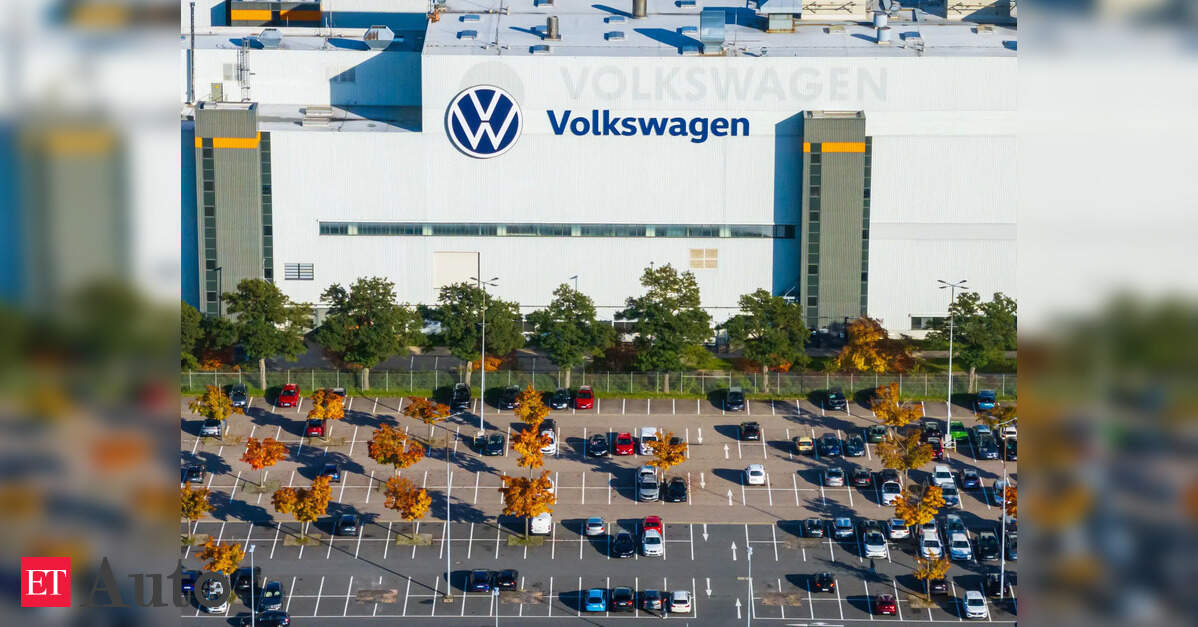
Volkswagen cuts India EV development costs by one-third, seeks local partner to revive strategy
ETAuto.com· 2025-11-19 02:39
Core Insights - Volkswagen AG has reduced the cost of developing electric vehicles (EVs) for the Indian market to approximately $700 million from the previous estimate of $1 billion, reflecting a strategic shift in its investment approach due to low market share of around 2% after nearly two decades of operations [2][10][12] - The company is actively seeking domestic partners, including discussions with an Indian contract manufacturer and the JSW Group, to share investment and risks, especially after previous talks with Mahindra & Mahindra collapsed [1][3][10] - Volkswagen's India-specific EV launch is anticipated in 2028, with the company also considering short-term alternatives such as importing electric cars if trade agreements between the EU and India facilitate such shipments [5][10] Investment Strategy - The cost-cutting measures are part of a broader recalibration of investments by global automakers across various markets, including India, China, and Western regions [7][12] - Despite significant investments over the years, Volkswagen has struggled to gain substantial market share in India, where local competitors like Maruti Suzuki and Hyundai dominate with affordable offerings [8][12] - The company is prioritizing a partnership model to unlock further internal funding, indicating a shift towards collaboration in a challenging market environment [10][12] Regulatory Environment - With stricter carbon-emission norms set to take effect in India by 2027, car manufacturers are under increasing pressure to transition to cleaner technologies [4][10] - Volkswagen's strategic reset aims to maintain relevance in one of the fastest-growing automotive markets while addressing rising investment pressures and the need for cleaner mobility solutions [9][12]