Eli Lilly

Search documents
This Top Dividend Stock Just Entered The Weight Loss Market: Is It a Buy?
The Motley Fool· 2025-03-10 11:57
Core Insights - The weight loss market is becoming increasingly lucrative, with drugs like Wegovy and Zepbound generating billions in sales, prompting other pharmaceutical companies to explore opportunities in this sector [1] Company Overview - AbbVie is entering the weight loss market through a licensing agreement with Danish drugmaker Gubra A/S to develop GUB014295, a potential weight loss therapy [2][4] - The agreement includes an upfront payment of $350 million and potential milestone payments of up to $1.9 billion, along with royalties [4] Product Development - GUB014295 operates differently from current leading therapies by mimicking the activity of amylin and calcitonin hormones, rather than the GLP-1 hormone [3] - AbbVie will lead the development of GUB014295, but it is still uncertain if the company can compete effectively against established players like Novo Nordisk and Eli Lilly [5][6] Financial Performance - AbbVie's revenue for 2024 increased by 3.7% to $56.3 billion, despite an 8.9% decrease in adjusted earnings per share to $10.12, attributed to acquisition-related expenses [7] - The company's immunology drugs, Skyrizi and Rinvoq, are expected to continue driving sales growth into the next decade [8] Growth Potential - AbbVie has a diverse pipeline with numerous drug candidates and other growth drivers, including its Botox franchise and Venclexta, a cancer medicine [8] - The entry into the weight loss market diversifies AbbVie's clinical lineup, and even if GUB014295 does not succeed, the company is likely to pursue other opportunities in the anti-obesity space [8] Investment Appeal - AbbVie is recognized as a strong dividend stock, having increased its payouts for 52 consecutive years, with a forward yield of 3.1% and a cash payout ratio of just under 62% [9]



2 Vanguard ETFs to consider buying in March
Finbold· 2025-03-07 14:00
Core Insights - Vanguard is the second-largest provider of ETFs, known for cost-effective and diversified investment options appealing to a wide range of investors [1] - Sector-focused funds, like those offered by Vanguard, provide sharper investment edges and lower risks compared to individual stock picking [2] Vanguard High Dividend Yield ETF (VYM) - VYM tracks the FTSE High Dividend Yield Index, including U.S. stocks with a history of above-average dividends, diversified across 530 stocks [3] - The ETF has averaged a 10.11% annual return over the past decade and 8.83% since its inception in 2006 [4] - Currently, VYM has a year-to-date gain of 2.24%, trading at $130.45, with a dividend yield of nearly 2.7%, more than double the S&P 500's average yield [6] - VYM has a low expense ratio of 0.06%, translating to an annual fee of $0.30 for every $500 invested [6] Vanguard Growth ETF (VUG) - VUG tracks the CRSP US Large Cap Growth Index, providing diversified exposure with a tech-heavy tilt, where top holdings include Apple, Microsoft, and NVIDIA, accounting for over 32% of total allocation [7] - Despite a strong historical track record, VUG has underperformed year-to-date with a 5.5% decline amid broader market sell-offs [9] - Over the past year, VUG has gained over 13%, driven by rallies in AI, cloud computing, and high-growth stocks, currently trading at $389 per share [10] - VUG has delivered a 15.09% annualized return over the past decade and maintains an average annual return of 11.56% since its inception in 2004 [12] - The ETF has a low expense ratio of 0.04%, resulting in an annual fee of $0.20 for every $500 invested [12]


Big Money Returning for Eli Lilly
FX Empire· 2025-03-07 10:37
Core Viewpoint - The content emphasizes the importance of conducting personal due diligence and consulting competent advisors before making any financial decisions, particularly in the context of investments in complex instruments like cryptocurrencies and CFDs [1]. Group 1 - The website provides general news, personal analysis, and third-party content intended for educational and research purposes [1]. - It explicitly states that the information does not constitute any recommendation or advice for investment actions [1]. - Users are advised to perform their own research and consider their financial situation before making decisions [1]. Group 2 - The website includes information about high-risk financial instruments, including cryptocurrencies and CFDs, which are complex and can lead to significant financial losses [1]. - It encourages users to understand how these instruments work and the associated risks before investing [1]. - The content may not be provided in real-time and may not be accurate, highlighting the need for caution [1].


Novo Nordisk Lowers Wegovy Costs for Cash-Pay Patients, Stock Up 4%
ZACKS· 2025-03-06 15:00
Group 1: Novo Nordisk's New Initiative - Novo Nordisk is launching a direct-to-patient online pharmacy called NovoCare, offering its obesity injection Wegovy at a discounted price of $499 per month for uninsured patients and those with insurance that does not cover obesity medicines [1] - Wegovy's current market price is approximately $1,350 per month, but insured patients typically pay between $0 to $25 [2] - The stock of Novo Nordisk rose nearly 4% following the announcement, indicating positive market reception to the new pricing strategy [2] Group 2: Market Context and Competitors - The launch of Novo Nordisk's discounted Wegovy follows a similar pricing strategy by Eli Lilly, which has also reduced prices for its obesity treatment Zepbound to $499 per month through a self-pay program [5] - The FDA announced in late February that the shortage of Wegovy has been resolved, allowing for increased availability of the drug [4] - The removal of Wegovy and Lilly's products from the FDA's shortage list has negatively impacted telehealth companies like LifeMD and Hims & Hers Health, whose stocks have dropped over 30% since the announcement [9]

Novo Nordisk Plunges 21% in 3 Months: Buy, Sell or Hold the Stock?
ZACKS· 2025-03-05 15:20
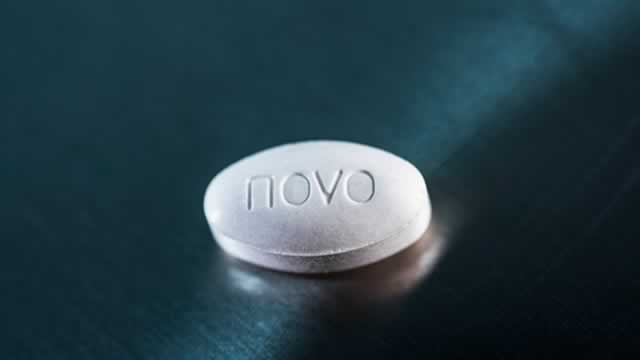
Core Viewpoint - Novo Nordisk's stock has underperformed significantly, losing 21% in the past three months, while the industry grew by 4.6% [1][2]. Group 1: Stock Performance - Novo Nordisk shares are currently trading above their 50-day moving average but below their 200-day moving average [1]. - The company's stock has faced a decline due to several factors, including setbacks in its investigational obesity candidate, CagriSema, which has benefited its competitor, Eli Lilly [3][4]. - The removal of Eli Lilly's tirzepatide from the FDA's drug shortage list allows it to meet demand, potentially increasing its market share at the expense of Novo Nordisk's semaglutide products [4]. Group 2: Financial Performance - Despite recent setbacks, Novo Nordisk's revenues surged by 129% on a reported basis, with a net profit margin reaching a five-year high of 36% in 2023 [5][6]. - Wegovy, a key product, saw revenues grow by 86% to DKK 58 billion in 2024, while Ozempic sales increased by 26% to DKK 120 billion [9]. Group 3: Market Position and Competition - Novo Nordisk maintains a strong presence in the diabetes care market with a 33.7% global market share, driven by its GLP-1 products [8]. - The company is the global market leader in the GLP-1 segment, holding approximately 55.1% value market share [8]. - Competitors like Amgen and Viking Therapeutics are advancing in the development of GLP-1-based candidates, posing future competition [10]. Group 4: Growth Opportunities - Novo Nordisk is exploring additional uses for semaglutide, including potential treatments for heart failure and chronic kidney disease [11][12]. - The company is also diversifying its portfolio with new treatments for hemophilia A and B [13]. - Plans to expand the indications for Wegovy, Ozempic, and Rybelsus could increase patient eligibility and boost revenues [21]. Group 5: Valuation and Estimates - Novo Nordisk is trading at a premium valuation with a price/earnings ratio of 21.96 compared to the industry average of 17.8 [14]. - Earnings estimates for 2025 have slightly decreased from $3.88 to $3.84 per share, while 2026 estimates have increased from $4.53 to $4.66 [16]. - The company's return on equity stands at 84.69%, significantly higher than the industry average of 34.61% [19].

Here's How to Play AbbVie Stock as it Enters the Obesity Space
ZACKS· 2025-03-05 14:40
Core Viewpoint - AbbVie is expanding its presence in the obesity treatment market by in-licensing GUB014295, a long-acting amylin analog, from Gubra, with a total potential deal value of $2.225 billion [1][2][3] Industry Overview - The obesity market is projected to reach $100 billion by 2030, with current dominance by GLP-1 drugs from Eli Lilly and Novo Nordisk [3] - Major pharmaceutical companies, including Merck, Pfizer, Amgen, and AstraZeneca, are actively pursuing opportunities in the obesity space through in-house development or licensing deals [3] AbbVie's Product Performance - AbbVie has successfully launched Skyrizi and Rinvoq, generating combined sales of $17.7 billion in 2024, particularly excelling in the inflammatory bowel disease market [5][6] - The company anticipates combined sales of Skyrizi and Rinvoq to exceed $31 billion by 2027, driven by market growth and new indications [7] Pipeline and Acquisitions - AbbVie has a robust pipeline with several early/mid-stage candidates and expects multiple regulatory submissions and approvals in the next 12 months [8][9] - The company has been active in acquisitions, signing over 20 early-stage deals in 2024 to enhance its pipeline in immunology, oncology, and neuroscience [11][12] Sales Trends and Challenges - AbbVie is experiencing declining sales from Humira due to biosimilar competition, with a sharper decline expected in 2025 [13] - The aesthetics portfolio, including Juvederm fillers, has also seen a decline, with a 14.6% drop in sales in 2024 [14][15] Stock Performance and Valuation - AbbVie stock has outperformed the industry with a 14.8% increase over the past year [16][18] - The stock trades at a price/earnings ratio of 16.52, slightly below the industry average of 17.80, but higher than many large drugmakers [19][20] Earnings Estimates - The Zacks Consensus Estimate for AbbVie's 2025 earnings has increased from $12.24 to $12.29 per share, indicating positive sentiment [22]
Novo Nordisk offers Wegovy for less than half the price through new direct-to-consumer pharmacy
CNBC· 2025-03-05 13:49
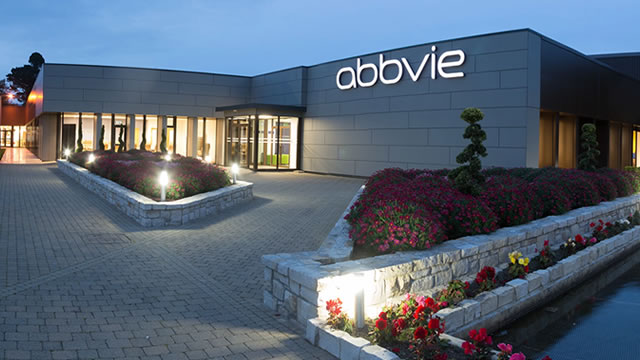
Core Viewpoint - Novo Nordisk is launching a direct-to-consumer online pharmacy, NovoCare, offering its weight loss drug Wegovy at a significantly reduced price of $499 per month, compared to its previous list price of nearly $1,350 per month, aiming to increase accessibility for patients without insurance coverage [1][3]. Group 1: Pricing and Accessibility - The new cash-pay offering is designed for millions of patients lacking insurance coverage, including those on Medicare, to make Wegovy more accessible [2]. - Wegovy will be available for $499 per month through NovoCare, which is less than half of its original list price [3]. - The pharmacy will provide home delivery of Wegovy prescriptions and additional patient support services, including refill reminders and access to live case managers [3][4]. Group 2: Competitive Landscape - Novo Nordisk's strategy mirrors that of its main competitor, Eli Lilly, which launched its own direct-to-consumer online pharmacy, LillyDirect, to facilitate access to its weight loss drug Zepbound [5]. - Eli Lilly's LillyDirect also offers Zepbound at a reduced price, with single-dose vials available for half or less of its usual $1,000 monthly list price [6]. - The FDA has recently declared the shortages of both Zepbound and Wegovy over, which will limit the ability of compounding pharmacies to create unapproved versions of these injections [6].

This Once-Unstoppable Low-Cost Vanguard ETF Is Underperforming the S&P 500 in 2025. Here's Why It's a Buy Now.
The Motley Fool· 2025-03-05 11:24
Core Viewpoint - Technology stocks, including Nvidia, Apple, and Microsoft, have significantly increased in value over the past decade, contributing to the S&P 500's growth, but have underperformed year to date, impacting the broader market due to tech's over 30% weight in the index [1]. Group 1: Technology Sector Performance - The consumer discretionary sector, led by Amazon and Tesla, has also experienced significant declines year to date, with Alphabet down over 10% [2]. - Despite the downturn in major tech stocks, the Vanguard Mega Cap Growth ETF has only decreased by 1.5% year to date, benefiting from gains in other sectors like healthcare and financials [8][9]. Group 2: Vanguard Mega Cap Growth ETF - The Vanguard Mega Cap Growth ETF has shown a remarkable increase of 363% from the start of 2015 to the end of 2024, outperforming the S&P 500 [4]. - The ETF is highly concentrated, with 65.4% of its investments in its top 10 holdings, which include major tech companies [5]. - The ETF's top holdings include Apple (13.2%), Microsoft (11.3%), and Nvidia (10.2%), indicating a significant focus on these growth stocks compared to the Vanguard S&P 500 ETF [6][7]. Group 3: Investment Strategy - The Vanguard Mega Cap Growth ETF offers a low expense ratio of 0.07%, making it an attractive option for investors looking to gain exposure to large-cap growth stocks [3]. - The ETF allows for diversification across various sectors, including software, hardware, and healthcare, without the need to build individual investment theses for specific companies [12]. - Investors should consider existing holdings in their portfolios to avoid redundancy when investing in the ETF, particularly with high-weighted stocks like Apple [13].







Down 39%. Is Novo Nordisk Stock a Buy on the Dip?
The Motley Fool· 2025-03-05 09:37
Core Viewpoint - Novo Nordisk's stock has experienced significant volatility, with a five-fold return during the pandemic but currently trading 39% below its peak, raising questions about potential investment opportunities [1][2]. Group 1: Performance Overview - Novo Nordisk's stock has outperformed the market, with a 191% increase over the past five years compared to a 94% gain in the S&P 500 [3]. - The company was primarily known for insulin and diabetes treatments until the launch of Ozempic in 2017, which has contributed significantly to its performance [3]. Group 2: Product Insights - Ozempic activates GLP-1 receptors, enhancing insulin secretion and appetite suppression, making it effective for type 2 diabetes patients [4]. - In 2021, the FDA approved semaglutide for chronic weight management under the brand name Wegovy, leading to substantial sales growth, reaching $28.4 billion in 2024 [5]. Group 3: Competitive Landscape - Novo Nordisk faces competition from compounding pharmacies and Eli Lilly's tirzepatide, which has gained market share and demonstrated superior weight loss efficacy in clinical trials [6][7][8]. - Tirzepatide's sales rose 208% to $16.5 billion, while semaglutide's sales growth was only 35% last year, indicating a potential loss of market share for Novo Nordisk [9]. Group 4: Future Growth Potential - The FDA has resolved the shortage of Wegovy and Ozempic, which could lead to increased sales growth for semaglutide in 2025 if legal challenges from compounding pharmacies fail [12]. - Novo Nordisk is continuing to develop cagrisema, which may offer competitive advantages over tirzepatide in future studies [13]. - The overall GLP-1 drug market is projected to reach $150 billion by 2030, indicating significant growth potential for Novo Nordisk [13]. Group 5: Valuation and Investment Considerations - Novo Nordisk's stock is currently valued at 23.5 times forward-looking earnings estimates, which is considered modest given its historical earnings growth of over 20% annually [15]. - The potential for cagrisema to enhance growth could make the current stock price an attractive entry point for long-term investors [15].

Buy Johnson & Johnson (JNJ) Stock for Higher Highs?
ZACKS· 2025-03-04 23:30
Core Viewpoint - The market is experiencing a sell-off due to tariff implications and rising geopolitical tensions, yet stocks like Johnson & Johnson (JNJ), Eli Lilly (LLY), and Pfizer (PFE) are standing out as potential investment opportunities [1]. Group 1: Johnson & Johnson (JNJ) Valuation - JNJ is currently trading below its decade-long median of 16.4X forward earnings, with a peak of 20.1X over the last 10 years [2]. - The stock has a beta ratio of 0.47, indicating it is less volatile than the market benchmark [2]. Group 2: Investment Outlook - JNJ stock has a Zacks Rank of 3 (Hold) after a significant year-to-date rally, suggesting that while there may be better buying opportunities near 52-week peaks, further price increases are possible [3]. - The company is viewed as a hedge against recent market volatility due to its steady growth and reasonable valuation [3].