Gucci

Search documents
Black Friday: The Big brands to look at
Bloomberg Television· 2025-11-28 18:54
Market Trends & Consumer Behavior - Consumers are looking for value and great deals, but still have money and want joy [3] - The US consumer has been solid worldwide, despite anxieties and cross-currents [4] - There's a barbell and bifurcation in the market, with pressure at the low and middle and strength at the high end [10] - Quiet luxury is a continuing trend, with less focus on logos and more emphasis on quality and materials [8] Retail & Payment Strategies - Increased rates of mobile use, with a mix of buy online pickup in store, curbside pickup, and delivery [5] - New ways of payment are very different for younger customers [6] - Digital advertising for Walmart is in the $5 billion range [14] Company Performance & Strategies - Levi's focuses on direct to consumer strategy by opening their own stores globally [1] - Walmart is favored for its value story, delivery, curbside pickup, marketplace model, and digital advertising [14] - Walmart's leading grocery business accounts for 60% of its revenue [15] M&A and IPO - Selective M&A is possible, especially in beauty, skincare, longevity, and niche fragrances [13] - The market is getting better with the consumer on a more stable footing, making M&A totally possible [13] Luxury Market - Jewelry is outperforming the rest of the luxury world, especially gold jewelry [9][10] - Handbag prices have gotten extreme, making jewelry prices compelling [11] - Creative leadership matters in luxury brands, driving desire and new design [7]


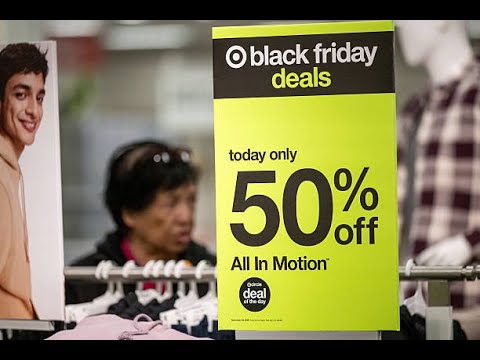
Retailers Are 'Cautiously Optimistic,' on Black Friday, Telsey Says
Youtube· 2025-11-28 15:58
Core Insights - The retail landscape during Black Friday has shifted, with a notable change in consumer behavior and store traffic patterns compared to previous years [1][4] - Macy's has introduced 40% new products, including popular items like La Boo-Boo dolls and various new cosmetics brands, indicating a focus on novelty and brand engagement [2][3] - Retail analysts express cautious optimism for the holiday season, highlighting a bifurcated consumer market where high-end consumers are spending while lower-income consumers face pressure [5][6] Retail Trends - The level of promotions this year is similar to last year, suggesting a consistent approach to sales strategies among retailers [4] - Retailers are focusing on maintaining competitive pricing for entry-level items while consumers are increasingly seeking value and promotions [6] - Outerwear and apparel are expected to drive sales, with specific products like aura rings and mass metal glasses gaining popularity [8] Market Dynamics - The luxury retail sector is experiencing significant changes, with brands like Prada expanding their physical presence and potential mergers being discussed in the industry [9][11] - The trend towards smaller store footprints is evident, with a shift towards online engagement and in-store pickup options [13] - The future of shopping malls is anticipated to be more curated, featuring special brands and enhanced food and activity offerings to attract consumers [15] Company Strategies - Companies like Steve Madden are expected to benefit from acquisitions that will enhance sales and margins in the coming years [16]


X @Bloomberg
Bloomberg· 2025-11-28 11:25
Giorgio Armani names former Gucci CEO Marco Bizzarri and other industry veterans to its board https://t.co/jmT5CCfglh ...
X @The Economist
The Economist· 2025-11-27 06:20
Industry Trends - Luxury brands such as Chanel, Gucci, Balenciaga, and Versace are appointing new creative directors [1] - The industry anticipates this will boost brand interest and translate into increased sales [1]
奢侈品门店密集调整,北京高端商业新比拼
Bei Jing Ri Bao Ke Hu Duan· 2025-11-21 03:25
Core Insights - The luxury goods market in Beijing is undergoing significant changes, with brands like Gucci and Dior closing stores in traditional high-end shopping areas, while new flagship stores are emerging in more vibrant districts like Sanlitun [1][3][4] - The trend indicates a shift towards a "one city, one store" strategy among luxury brands, focusing on flagship locations in prime commercial areas while closing underperforming stores [1][6] - The competition among shopping districts is intensifying, with high-end brands exerting more influence over commercial leasing decisions, necessitating upgrades in both infrastructure and experiential offerings to attract these brands [6][8] Group 1: Market Dynamics - Financial Street Shopping Center has seen the closure of major luxury brands due to expired leases, while other brands like Burberry and LV continue to operate [3][4] - West Beijing's luxury market is experiencing a decline, contrasting sharply with the booming luxury scene in the Chaoyang district, which is attracting high-end brands and consumers [3][8] - The luxury market's evolution reflects broader trends in consumer behavior and commercial real estate, with a growing emphasis on experiential retail and brand alignment with shopping environments [7][9] Group 2: Strategic Implications - Luxury brands are increasingly selective about their locations, prioritizing areas with high foot traffic, unique experiences, and strong brand alignment [6][7] - The trend of luxury brands concentrating in top-tier shopping districts is leading to a polarization of the market, potentially disadvantaging smaller shopping areas [9][10] - There are opportunities for luxury brands in the western districts of Beijing, particularly in areas like Haidian, which have affluent consumer bases but lack suitable retail environments [8][9]

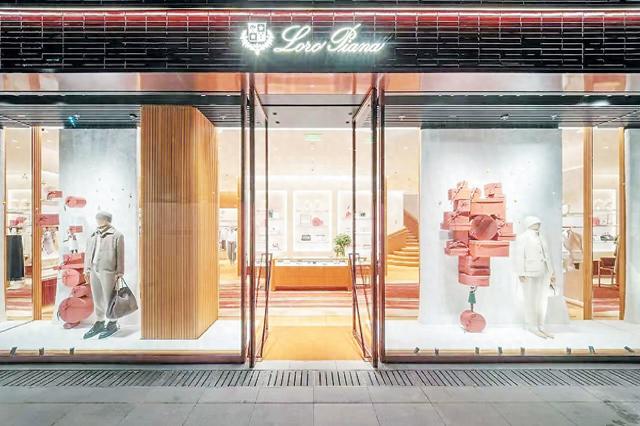
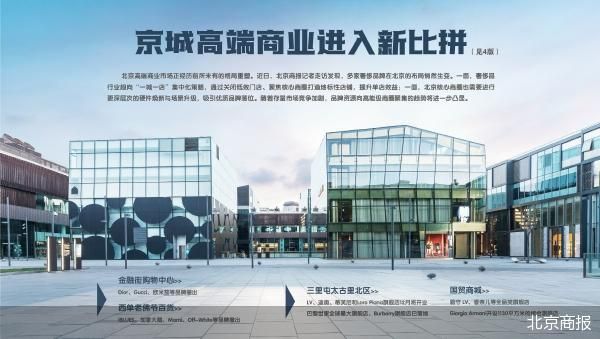
奢侈品门店密集调整 北京高端商业新比拼
Bei Jing Shang Bao· 2025-11-20 16:30
Core Insights - The luxury goods market in Beijing is undergoing significant changes, with brands like Gucci and Dior closing stores in traditional high-end shopping areas, while new flagship stores are emerging in more vibrant districts like Sanlitun [1][3] - The trend indicates a shift towards a "one store per city" strategy among luxury brands, focusing on flagship locations in prime commercial areas to enhance single-store efficiency [1][6] - The competition among shopping districts is intensifying, with a clear divide between the declining western commercial areas and the thriving eastern districts, particularly in Chaoyang [3][8] Group 1: Market Dynamics - Financial Street Shopping Center has seen the closure of major luxury brands due to expired leases, while other brands like Burberry and LV continue to operate [3] - Westside shopping areas, such as the West Wangfujing area, are experiencing a significant reduction in luxury brand presence, contrasting sharply with the "luxury frenzy" in the Chaoyang district [3][8] - The luxury brand selection criteria have evolved, with a focus on the alignment of brand positioning with shopping district characteristics and the necessity for high-quality infrastructure [6][7] Group 2: Strategic Adjustments - High-end shopping centers are actively upgrading their offerings to attract luxury brands, introducing trendy brands and unique experiences to enhance their appeal [4][6] - The introduction of flagship stores and unique retail experiences, such as themed pop-ups and interactive spaces, is becoming a strategy to maintain competitiveness in the luxury market [4][6] - The luxury market's focus on experiential retail is growing, with brands increasingly valuing the ability of shopping centers to create engaging content and experiences for consumers [7][10] Group 3: Future Opportunities - Despite the current challenges, there are still opportunities for luxury brands in the western regions of Beijing, particularly in areas like Haidian, which have affluent consumer bases [8][9] - The potential for luxury brands to establish a presence in western districts hinges on improving the quality of commercial spaces and enhancing transportation connectivity [8][9] - Strategies such as introducing high-end watch brands and leveraging local technological advancements could help attract luxury brands to underperforming areas [9][10]
Costco、山姆们的「会员制奥莱」,拿捏了中产
36氪· 2025-11-19 13:31
Core Insights - Membership-based warehouse retailers like Costco are gaining a competitive advantage in the apparel retail sector, with projected sales growth from $7 billion in 2019 to $9.7 billion by 2024, potentially surpassing brands like Lululemon and Puma [5][6] - The shift towards larger stores and online sales by traditional apparel brands has led to a reduction in physical retail locations, creating opportunities for large chain retailers [6][7] - The appeal of high-quality, low-priced branded products is attracting more consumers, especially in uncertain economic conditions [16][20] Sales Growth and Market Dynamics - Costco's apparel business has seen approximately 40% growth over the past five years, with double-digit growth reported in men's clothing sales [5][6] - BJ's and Sam's Club have also experienced growth in their apparel segments, with increases of about 28% and 21% respectively [5] - The overall sales growth of outlet malls in China reached 8.9% year-on-year, with foot traffic increasing by 12.5% [16][17] Consumer Behavior and Preferences - Consumers are increasingly turning to warehouse clubs for clothing purchases, finding better value compared to traditional retail stores [9][18] - Membership models enhance consumer loyalty and spending, as seen with Jiangnan Buyi, where over 80% of retail sales came from members [19][20] - The one-stop shopping experience offered by warehouse clubs reduces decision-making costs for consumers, making them more attractive [18] Product Strategy and Challenges - Costco and Sam's Club are introducing private label products that mimic popular brands, but this strategy carries risks of legal challenges related to trademark infringement [6][21][25] - The success of these membership stores hinges on maintaining product quality; any lapses could damage their reputation [22][26] - Legal issues have arisen for both Costco and Sam's Club regarding the authenticity of luxury brand products sold at discounted prices [22][25] Industry Outlook - The global fashion industry is expected to face challenges, with revenue growth projected to remain in the low single digits due to economic uncertainties [25][26] - The apparel retail sector is undergoing a phase of adjustment, with membership warehouse stores capitalizing on the trend towards value-oriented shopping [26]


Kering must downsize, reduce Gucci exposure and chase synergies, CEO de Meo says in memo
Reuters· 2025-11-18 21:12
Core Insights - Kering's growth strategy necessitates a reduction in dependence on the underperforming flagship brand Gucci [1] - The company plans to further scale back its store network to enhance operational efficiency [1] - Kering aims to pursue more synergies across its brands to drive overall performance [1]


Why Chinese Consumers Are Turning Away from LVMH, Gucci
Bloomberg Television· 2025-11-17 06:59
Market Trends & Consumer Behavior - Spending on foreign premium brands in mainland China has started stalling, with the rise of local premium brands [1] - Chinese consumers are becoming more cautious and selective, seeking personal connection, wellness, and cultural relevance in their purchases [4] - Western luxury brands are adapting by stressing storytelling and experiential shopping, such as building multi-story megastores with retail, exhibition, food, and drinks [10] Competitive Landscape - Chinese premium brands offer experiential and cultural elements in their brand storytelling, attracting Chinese consumers [5] - These brands are positioned as cheaper alternatives to Western luxury brands while still providing good quality products [6] - LVMH's chairman was observed shopping for Chinese brands, indicating a shift in the market [9] Challenges & Uncertainties - The rapid growth of Chinese premium brands started from a relatively low base, making future growth uncertain [6][7] - China's weak economy, lacking expanding population and middle-class income, poses challenges for homegrown luxury brands [8]
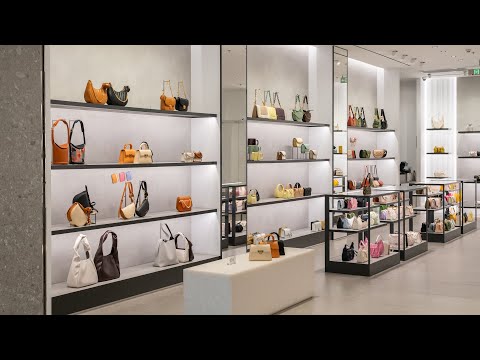
Why Chinese Consumers Are Turning Away from LVMH, Gucci
Youtube· 2025-11-17 06:59
Core Insights - The luxury market in China is experiencing a shift as spending on foreign premium brands is stalling, while local premium brands are gaining traction [1][4] - Chinese consumers are becoming more selective in their luxury purchases, seeking personal connections and cultural relevance in the brands they choose [4][5] Group 1: Rise of Chinese Premium Brands - The rapid growth of Chinese homegrown premium brands is occurring alongside China's economic slowdown, characterized by slumping property prices and high youth unemployment [4][8] - Chinese premium brands are effectively providing experiential and cultural elements in their brand storytelling, attracting consumers who view them as quality alternatives to Western luxury brands [5][6] - The initial low base of these Chinese brands has facilitated their growth, but sustaining this growth presents uncertainties [6][7] Group 2: Challenges for Luxury Brands - The weak state of China's economy poses challenges for luxury brands, as growth requires an expanding middle class and rising incomes, which are currently lacking [8] - Western luxury brands are adapting by emphasizing storytelling and experiential shopping to align with changing consumer behaviors in China [10][11] - The transformation of retail spaces into multi-story megastores with diverse offerings aims to create a deeper personal connection with consumers [10][11]