
Tesla

Search documents
Tesla registrations in Europe show little recovery in January
Reuters· 2026-02-02 11:42
Core Insights - Registrations of new Tesla cars in major European markets showed limited recovery in January, with mixed results across different countries [1] Group 1: Market Performance - In January, registrations increased in Sweden and Denmark, indicating some positive movement in these markets [1] - Conversely, registrations fell in France and Norway, highlighting challenges in these regions [1]


Should Investors Buy Tesla Stock After Upbeat Outlook on Robotaxis and Robots?
The Motley Fool· 2026-02-02 07:43
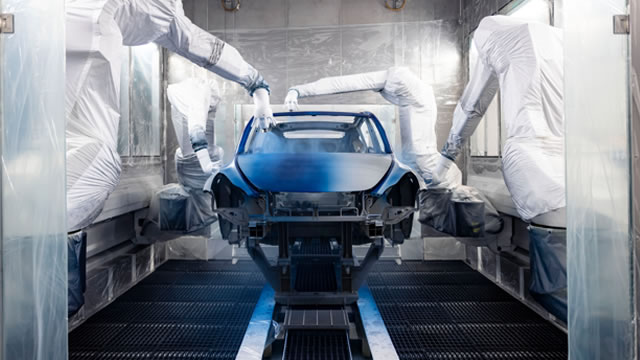
Core Insights - Tesla is shifting focus from being solely an electric vehicle maker to expanding into robotics, announcing plans to cease production of luxury Model S and X vehicles and convert a factory for Optimus humanoid robot production [1][2] - The company aims to produce 1 million robots annually and will unveil the third generation of Optimus, designed for mass production, within the current quarter [2] - CEO Elon Musk indicated that production of robotaxis without steering wheels will commence in April, with expectations to deploy autonomous vehicles in numerous major cities by year-end [3] Financial Performance - Tesla experienced a 16% decline in automobile deliveries in Q4, marking the third decline in four quarters, with previous drops of 13% in both Q1 and Q2 [4] - Auto revenue fell by 11% to $17.7 billion, despite a 38% increase in active full-self driving subscriptions to 1.1 million users [5] - Overall revenue decreased by 3% year over year to $24.9 billion, while energy generation and storage revenue increased by 25% to $3.8 billion [6] Cash Flow and Expenditures - Operating cash flow decreased by 21% in the quarter to $3.8 billion, with a total of $14.7 billion generated for the full year [7] - The company plans to invest over $20 billion in capital expenditures this year, which may lead to negative free cash flow [7] Market Context - Tesla's market capitalization stands at $1.4 trillion, with a current stock price of $430.62, reflecting a 3.38% increase [9] - The company is facing challenges in its core auto business, with declining deliveries and reduced high-margin regulatory credit revenue, prompting a greater emphasis on its emerging robotaxi and robotics sectors [9]
Gary Black Thinks Tesla-SpaceX Merger Does Not Make Sense For TSLA Shareholders: Here's Why - Tesla (NASDAQ:TSLA)
Benzinga· 2026-02-02 04:22
Core Viewpoint - Investor Gary Black argues that a merger between Tesla Inc. and SpaceX does not make mathematical sense for Tesla's shareholders unless significant cost or revenue synergies are identified [2]. Financial Analysis - Black highlights that a 35% dilution would occur if Tesla were to issue new shares to match SpaceX's $800 billion market cap at a 400x P/E ratio, while Tesla's current market cap is $1.5 trillion at a 200x P/E ratio, leading to a combined market cap of $2.3 trillion [3]. - Tesla has underperformed the Nasdaq over the past five years, with a return of 48% compared to the Nasdaq's 90%, and over the past year, Tesla returned 12% versus the Nasdaq's 20% [7]. Shareholder Concerns - Many institutional shareholders of Tesla may be hesitant about the uncertainty of deriving 25% of profits from space travel and communications, potentially leading them to sell their shares [4]. Industrial Logic - Black expresses skepticism regarding the industrial logic behind a merger, stating that while it could facilitate Musk's management of both companies, it does not address the concerns of Tesla's shareholders [5]. Market Sentiment - The merger discussions have also drawn criticism from notable investors like Michael Burry, who referred to Musk as a "desperately incentivized futurist," suggesting that there are credible concerns regarding Tesla's future [6].
出行革命_自动驾驶与机器人出租车-Mobility Revolution_ Autonomous driving and robotaxi
2026-02-02 02:22
Summary of Key Points from the Conference Call Industry Overview - The automotive sector is undergoing significant transformation with advancements in electrification, automation, and informatization, potentially leading to a revolution in transportation similar to the introduction of the moving assembly line by Ford over a century ago [2][10] Autonomous Driving and Robotaxi Trends - The shift from rule-based systems to end-to-end (E2E) architectures and variable large architectures (VLA) is evident, with many companies pursuing hybrid designs that combine safety mechanisms with AI models [3] - Advanced Driver Assistance Systems (ADAS) and Autonomous Driving (AD) penetration is expected to rise significantly, with L2+ systems projected to reach approximately 34% penetration by 2035, up from 12% in 2025 [5] - The global robotaxi market is anticipated to grow to USD 67.3 billion by 2030, with China being the most scalable market due to supportive policies and deployment momentum [6] Key Players and Strategies - Major automakers are adopting diverse strategies for autonomous driving: - **Toyota** is pursuing a multi-pathway strategy, combining in-house development with partnerships [10] - **Honda** is focusing on developing its own E2E system while collaborating with Helm.ai [10] - **Nissan** is leveraging Wayve's E2E technology [10] - In China, companies like **Pony.ai**, **WeRide**, and **Apollo Go** are leading the robotaxi deployment, with significant partnerships enhancing their capabilities [45] Investment Implications - Japanese automakers are expected to launch software-defined vehicles (SDVs) starting with Toyota's RAV4 in 2025, followed by Honda's 0 Series and Sony Honda Mobility's AFEELA in 2026 [10] - The transition to SDVs presents both opportunities and risks for traditional auto parts suppliers, as automakers increasingly assert control over software layers, potentially eroding supplier revenues [11] - The Japanese government has set a target for 30% SDV penetration by 2030-2035, which may accelerate strategic initiatives across the sector [12] Market Ratings - **Outperform Ratings**: Toyota, Suzuki, BYD, Xiaomi, Li Auto, Grab, BMW, Ferrari, Renault, Aston Martin, Hesai, Tuopu - **Market-Perform Ratings**: Honda, Denso, XPeng, NIO, Volkswagen, Mercedes, Stellantis, Volvo Cars, Continental - **Underperform Ratings**: Nissan, Mazda, Subaru, Black Sesame, Daimler Truck [12][15][17][26] Additional Insights - The integration of advanced technologies in the automotive sector is leading to a shift in competitive dynamics, with traditional OEMs partnering with tech companies to enhance their offerings [14] - The development of autonomous driving capabilities is closely linked to the operational design domain (ODD), which defines the conditions under which autonomous vehicles can operate [41][42] - The future of tyre technology is also evolving, with tyres expected to function as sensors that communicate data to vehicles, enhancing predictive maintenance and driving performance [18]


汽车-高度自动驾驶时代已至-Autos & Shared Mobility-Global Auto Monitor The Era of Abundant Autonomy Is Upon Us
2026-02-02 02:22
Summary of Key Points from the Conference Call Industry Overview - The conference call focuses on the **North American automotive industry**, particularly the developments in **autonomous vehicles (AV)** and the transition towards **physical AI** in automotive technology [1][2][3]. Core Company Insights Tesla (TSLA) - Tesla is phasing out the **Model X/S** to concentrate on **robotaxi** and **Optimus** initiatives, indicating a strategic shift towards autonomy [1]. - The company is expected to incur a **cash burn of $8 billion** in 2026 due to increased spending, which may pressure the stock but is deemed necessary to maintain leadership in **autonomous vehicles**, **robotics**, and **energy** sectors [2]. - Current stock valuation is at **30x 2030 EBITDA**, with a cautionary stance on potential downside risks to near-term consensus estimates [3]. General Motors (GM) - GM's stock rose nearly **10%** following a strong earnings report, with a **2026 guidance** that exceeds consensus expectations [2]. - The company has announced a **$6 billion buyback authorization**, reinforcing its commitment to capital return [2]. - The price target for GM is set at **$100**, with a bullish case reaching **$140** [2]. Industry Dynamics - The automotive industry is entering a period characterized as an **'EV Winter'**, expected to persist through 2026, which may impact growth prospects [4]. - Despite challenges in the electric vehicle segment, there is a slightly more optimistic outlook for **internal combustion engine (ICE)** and **hybrid vehicles**, projected to grow by **1.0% year-over-year** [4]. - The year 2026 is anticipated to be a pivotal moment for **autonomous driving**, with advancements in technology and new entrants in the market [4]. Additional Insights - The **global auto market** saw a **1% decline** in December, influenced by a drop in China, while the U.S. market showed a smaller-than-expected decline [18]. - **BYD** reported a **20%+ month-over-month growth** in overseas registrations, indicating strong performance in Europe and Latin America, despite challenges in the ASEAN region [13]. - **Kia** and **Hyundai** are positioned favorably in the physical AI narrative in Korea, suggesting potential for re-rating of traditional OEMs globally [9]. Financial Performance Highlights - **Volvo** reported revenues of **SEK 123.8 billion**, a **1% increase** compared to consensus expectations, with an adjusted EBIT of **SEK 12.8 billion**, exceeding forecasts by **12%** [8]. - The **global auto sales** summary indicates a **5.1% year-to-date growth**, with notable performances from various OEMs, although some, like **General Motors**, faced a **15.9% decline** in December sales [22]. Conclusion - The North American automotive industry is navigating a complex landscape with significant shifts towards autonomy and physical AI, with key players like Tesla and GM leading the charge. The outlook remains cautious due to potential headwinds in the EV market, but opportunities for growth in traditional segments and advancements in technology present a mixed but promising scenario for investors.
全球 PCB:供应分配细分;成本、竞争与收入确认常见问题解答-Global PCB_ Allocation breakdown; FAQs on cost, competition, and revenue recognition
2026-02-02 02:22
Summary of the Conference Call on Global PCB and CCL Market Industry Overview - The report focuses on the **Global PCB (Printed Circuit Board)** and **CCL (Copper Clad Laminate)** market, particularly in the context of AI server applications and the supply chain dynamics involving companies like **Victory Giant**, **WUS**, and **Shengyi** [1][13]. Key Points and Arguments 1. **Market Dynamics and Growth Projections** - The global AI PCB and CCL market is projected to grow significantly, with estimates of **+140% CAGR for PCBs** and **+179% CAGR for CCLs** from 2025 to 2027, driven by increasing demand for high-end products to support greater data bandwidth and connections [13][31]. 2. **Impact of Rising Material Costs** - Recent increases in CCL prices, primarily due to rising copper costs, are manageable for high-end products as raw material costs constitute a smaller portion of their total costs. For instance, Kingboard raised CCL prices twice in 2025, affecting downstream clients from January [5][11]. - High-end PCBs require complex manufacturing processes, which mitigate the impact of raw material cost fluctuations on overall production costs [11][12]. 3. **Competition in the Supply Chain** - There is a growing number of players in the AI server PCB and CCL supply chain, reflecting increased demand. While competition is rising, it is seen as an opportunity for suppliers to diversify and enhance their offerings [12][13]. - Key factors for winning customers include large capacity, continuous R&D investment, and robust quality assurance [13]. 4. **Revenue Generation Timeline for New Capacities** - It typically takes **4-5 quarters** from the start of factory construction to revenue recognition, encompassing various stages from construction to customer orders and production cycles [14]. 5. **Supply Allocation Trends** - PCB supply allocations are diversifying due to rising AI server demand, while CCL supply remains concentrated. For example, Victory Giant is expected to see increased revenues from Google TPU PCBs starting in 2026 [15]. - The CCL supply chain is more concentrated due to fewer high-speed CCL suppliers compared to PCB suppliers, raising entry barriers for new entrants [15]. Additional Important Insights - The report includes detailed allocation tables for various suppliers in the PCB and CCL markets, highlighting the percentage shares for major clients like Nvidia, AMD, and Amazon AWS across different years [17][19][21]. - The total market opportunity for AI server PCBs is projected to reach **US$27 billion** by 2027, while the CCL market is expected to reach **US$19 billion** [31]. Conclusion - The Global PCB and CCL market is poised for substantial growth driven by technological advancements and increasing demand for high-performance products. Companies in this space must navigate rising material costs and competition while capitalizing on the expanding market opportunities.
SpaceX seeks FCC nod to build data center constellation in space
Fortune· 2026-02-02 00:01
Core Viewpoint - SpaceX is seeking permission to launch up to 1 million satellites into Earth's orbit to create solar-powered data centers in space, aimed at meeting the growing data demands driven by artificial intelligence [1][4]. Group 1: Satellite Network and Technology - The proposed satellite system will be launched using SpaceX's reusable Starship rocket, offering a cost-effective and environmentally friendly alternative to traditional land-based data centers [2]. - The network will utilize radiative cooling in space, eliminating the need for large water volumes for cooling systems and reducing reliance on batteries by harnessing solar energy [3]. - Satellites will communicate via laser links and will be positioned in orbits between 500 km (310.69 miles) and 2,000 km to ensure near-constant solar access [3]. Group 2: Strategic Implications and Future Plans - The FCC filing coincides with SpaceX's plans for an IPO later this year and potential mergers with Musk's xAI or Tesla, which could enhance cash flow and integrate capabilities in AI, satellite production, and rocket launches [4]. - Musk has emphasized the necessity of orbital data centers, predicting that space will become the most cost-effective location for AI data centers within two to three years [5].
Musk: China Will Soon Generate Three Times as Much Electricity as US - Tesla (NASDAQ:TSLA)
Benzinga· 2026-02-01 18:46
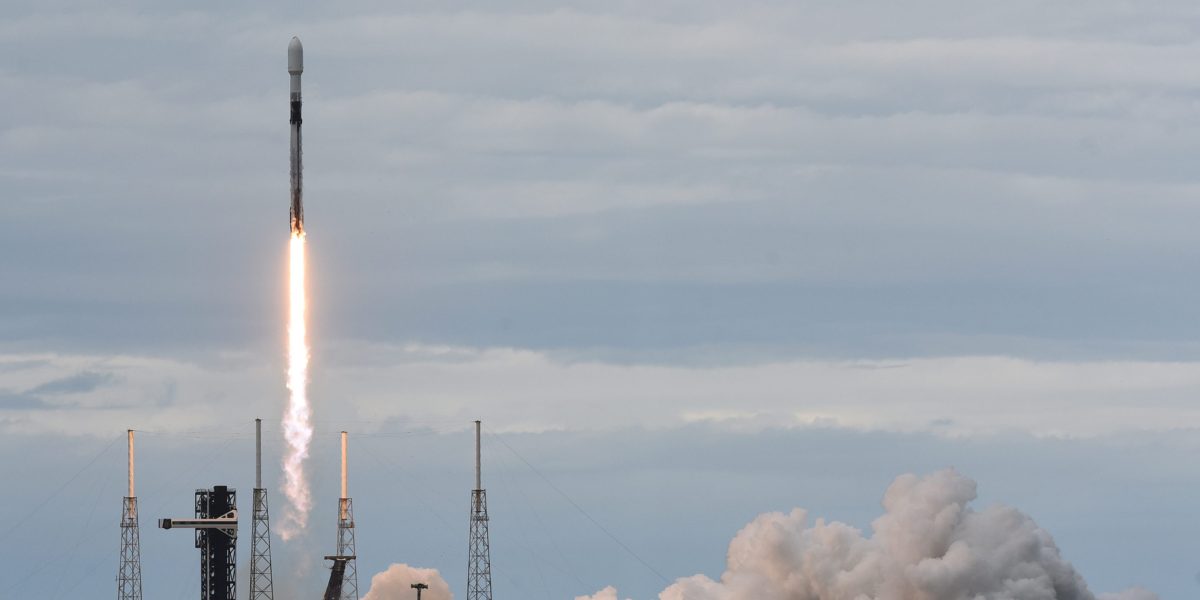
Core Insights - Elon Musk warns that China's electricity generation is expected to triple that of the US by 2026 or 2027, driven primarily by solar power growth [1] - In 2025, China is projected to account for 33.2% of global electricity generation, significantly surpassing the US's 14.2% share [2] - China's rapid adoption of renewable energy, particularly solar, is notable despite its ongoing reliance on coal [2] - The swift expansion of China's energy sector highlights its commitment to reducing carbon emissions, which could impact global energy dynamics and climate change efforts [3] - Concerns arise regarding the US's ability to compete in renewable energy, especially due to high tariff barriers affecting solar energy [3] - The progress made by China in renewable energy serves as a reminder for other nations, including the US, to enhance their renewable energy initiatives [4]
The EV Business Is Slowing In China. What That Means for Tesla Stock.
Barrons· 2026-02-01 17:52
Core Insights - NIO, Li, and XPeng combined sold 74,861 vehicles in January, marking a 1% increase year-over-year, but this represents the slowest growth rate since January 2023 [1] Company Performance - The sales figures indicate a modest growth trajectory for the companies involved, suggesting potential challenges in maintaining higher growth rates in the competitive electric vehicle market [1]
Elon Musk Bets On Optimus—But Prediction Markets Take The Other Side
Yahoo Finance· 2026-02-01 11:46
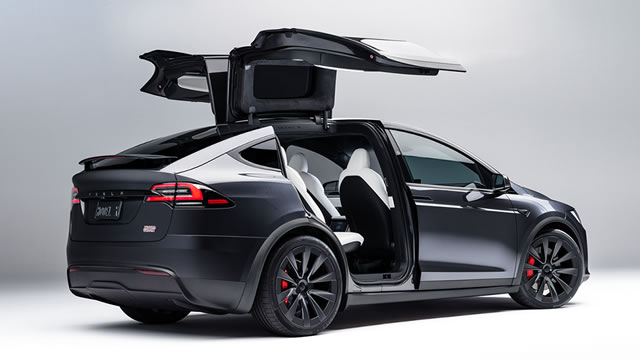
The era of Tesla Inc (NASDAQ:TSLA) as just a car company may be just about over. CEO Elon Musk announced during the Q4 earnings call that the company will end production of its flagship Model S and Model X vehicles next quarter. Musk called the decision an “honorable discharge” for the vehicles that put Tesla on the map. But for investors, the message is far more aggressive: Tesla is focusing on what Musk says is the biggest product in history: the Optimus humanoid robot. Don't Miss: Missed Nvidia and ...