GE HealthCare Technologies Inc.

Search documents
Refurbished Medical Imaging Equipment Market is expected to generate a revenue of USD 40,056.03 Million by 2032, Globally, at 15.07% CAGR: Verified Market Research®
Globenewswire· 2026-01-11 16:59
Market Overview - The Global Refurbished Medical Imaging Equipment Market is projected to grow at a CAGR of 15.07% from 2026 to 2032, with a market value of USD 12,990.44 Million in 2024, expected to reach USD 40,056.03 Million by the end of the forecast period [1] Key Drivers - Cost-effectiveness and affordability are significant factors driving the market, as healthcare facilities, especially in developing countries, opt for refurbished equipment to maintain high-quality diagnostic capabilities within budget constraints [3] - The growing healthcare infrastructure in emerging markets is increasing the demand for cost-effective imaging solutions, making refurbished equipment a practical option for healthcare providers [4] - Sustainability and environmental concerns are positively impacting the market, as refurbishing medical imaging equipment helps reduce electronic waste and carbon footprint, aligning with global sustainability goals [5] Challenges - Concerns over quality and performance remain a challenge, as some medical professionals doubt the reliability of refurbished equipment, which may hinder market acceptance [7] - Stringent regulatory requirements pose obstacles, as meeting international standards can be challenging and costly, potentially discouraging smaller companies from entering the market [8] - Competition from new technologies in medical imaging may reduce the market share of refurbished equipment, particularly in developed regions where budget constraints are less significant [9] Geographical Insights - North America leads the market due to its strong healthcare infrastructure and favorable reimbursement policies, with hospitals increasingly seeking affordable solutions [10] - Europe follows closely, with rising demand in countries like Germany and the UK, while emerging markets in Asia-Pacific are rapidly gaining ground, presenting promising growth prospects [10] Market Segmentation - The market is segmented by product type, including X-ray devices, ultrasound systems, CT scanners, and MRI equipment [12] - Applications include oncology, cardiovascular, gynecology, and orthopedic [12] - End-users consist of hospitals, diagnostic centers, and ambulatory surgical centers [12] Key Players - Major players in the Global Refurbished Medical Imaging Equipment Market include Siemens Healthineers AG, Canon Medical Systems Corporation, Philips Healthcare, GE Healthcare, DRE Medical, and Atlantis Worldwide [11]


NXP and GE HealthCare Accelerate AI Innovation in Acute Care
Globenewswire· 2026-01-06 16:00
Core Insights - NXP Semiconductors and GE HealthCare have announced a collaboration to advance edge AI technology in anesthesiology and neonatal care, aiming to enhance patient care through actionable insights and low-latency data processing [1][6] Group 1: Collaboration Overview - The collaboration focuses on developing two advanced edge AI concepts for anesthesia delivery and neonatal care, leveraging NXP's expertise in secure edge processing and GE HealthCare's medical technology innovation [1][3] - The concepts will be showcased at CES 2026, highlighting the potential of edge AI to transform workflows in acute care environments [1][6] Group 2: Anesthesia Concept - The first concept integrates edge AI into anesthesia delivery, allowing anesthesiologists to interact with equipment using real-time voice commands, thereby reducing cognitive load and minimizing human error in dynamic operating room settings [3][4] - This hands-free interaction aims to improve patient monitoring and care during procedures [3] Group 3: Neonatal Care Concept - The second concept focuses on neonatal care, utilizing intelligent monitoring to detect an infant's status, such as crying or resting, and alerting clinicians to potential issues [4][5] - The technology processes data locally, ensuring that no images leave the device, thus maintaining strict security and privacy standards [4][5] Group 4: Underlying Technology and Principles - Both concepts are built on GE HealthCare's Responsible AI principles, emphasizing safety, security, privacy, and transparency [5] - The solutions utilize NXP's applications processors with integrated neural processing units (NPUs) and the eIQ AI Toolkit for software enablement [5] Group 5: Company Background - NXP Semiconductors reported revenue of $12.61 billion in 2024 and operates in over 30 countries, focusing on innovative solutions across various markets [7] - GE HealthCare is a $19.7 billion business with approximately 53,000 employees, dedicated to advancing personalized and efficient healthcare solutions [8]



Hologic's Breast Health Unit Stays In Focus in 2026: What Lies Ahead?
ZACKS· 2026-01-06 14:21
Core Insights - Hologic's Breast Health business has gained significant investor attention, particularly due to a proposed take-private transaction by Blackstone & TPG, which includes a fixed cash offer of $76 per share and a contingent value right (CVR) of up to $3 per share based on revenue metrics for fiscal years 2026 and 2027 [2][9] Business Segments - The Breast Health segment generates revenues from a diverse portfolio, including 3D digital mammography systems and biopsy solutions, with the addition of Endomagnetics in fiscal 2024 contributing $54.9 million in product revenues for fiscal 2025 [3][9] - The Breast Health service business provides recurring revenues through service contracts for the global installed base of gantries, helping to mitigate volatility in capital sales [4][9] Innovation and Technology - Hologic has focused on innovation, introducing FDA-approved technologies such as 3DQuorum Imaging Technology and the next-generation Genius AI Detection PRO software, which reduces radiologists' reading time [5] - The company is advancing contrast-enhanced mammography with I-View 2.0 software and plans to commercially introduce the Envision Mammography Platform, featuring the first FDA-approved mammography focusing technology [5] Competitor Landscape - GE HealthCare has secured a contract to supply over 300 CT scanners in Indonesia, aiming to enhance healthcare access for over 280 million people [6] - Quest Diagnostics and Corewell Health have established a joint venture to expand laboratory services in Michigan, with Quest holding a 51% equity stake [7] Stock Performance and Valuation - Hologic's stock has increased by 11% over the past three months, outperforming the industry growth of 3.7% [8] - The company is trading at a forward five-year price-to-sales (P/S) ratio of 3.83, which is lower than the industry average of 4.11 [10]


The CEO trying to revive some of what made GE so special
Fortune· 2026-01-06 11:08
Company Overview - Larry Culp has successfully transformed General Electric (GE) by splitting it into three public companies: GE HealthCare Technologies, GE Vernova, and GE Aerospace [1] - GE HealthCare went public on January 4, 2023, and its stock has increased by almost 50% since then [1] - GE Vernova has seen a remarkable 400% increase since its debut in April 2024, largely driven by AI-related electricity demand, while GE Aerospace has more than doubled in value [1] Leadership and Strategy - Peter J. Arduini, CEO of GE HealthCare, is focusing on reviving the company's legacy by enhancing leadership development and product production processes [3] - Arduini emphasizes the importance of reducing "noise" in decision-making, which can be more challenging in larger organizations [3] - The revival of performance reviews and leadership development initiatives is part of Arduini's strategy to restore the effective management practices that characterized GE in its earlier years [3] Historical Context - GE was once a highly revered company, with a market cap of around $600 billion at its peak in 2000, equivalent to over $1 trillion today [2] - The company faced significant challenges over the years, including the dot-com crash, 9/11, the Enron scandal, and the 2008 financial crisis, which led to its decline and eventual breakup [2]



活动报名!医疗器械IPO招股书解读、上市前后传播合规实践
思宇MedTech· 2026-01-05 04:38
Core Viewpoint - The article emphasizes the importance of the IPO stage for medical device companies, highlighting that these companies often feel hesitant to communicate during this critical period [2]. Summary by Sections IPO Documentation and Communication - The article discusses the contents of the prospectus and the information that can be interpreted and utilized, as well as the communication limitations for companies before and after going public [3]. - It raises questions about the roles of marketing and branding departments during this phase, indicating a lack of systematic guidance and reliance on experiences from investment banks and listing teams [3]. Event Information - An organized event for a small group of participants is scheduled for January 15, 2026, in Shanghai, focusing on IPO-related discussions for medical device companies [4]. - The event is free but requires registration, which will be reviewed [4]. Agenda and Participants - The agenda includes self-introductions, a presentation by a guest speaker, and open discussions, targeting market/brand leaders from companies planning or undergoing IPOs, as well as management and strategic personnel [6]. - The guest speaker will cover three main topics: the readability of medical device prospectuses, compliance boundaries for communication before and after IPO, and executable promotional strategies for companies [7]. Key Topics of Discussion - The article outlines the basic structure and key modules of a prospectus, what different roles (marketing, investment, partners) typically focus on, and the distinction between factual statements and potentially misused content [7]. - It also addresses what can be communicated and what should be avoided, along with common pitfalls in promotional activities [7]. - The differences in risks before and after the IPO stage are highlighted, along with recommendations for effective communication strategies during the IPO process [7].

数千万融资!国产心腔内超声企业完成A轮
思宇MedTech· 2026-01-05 04:38
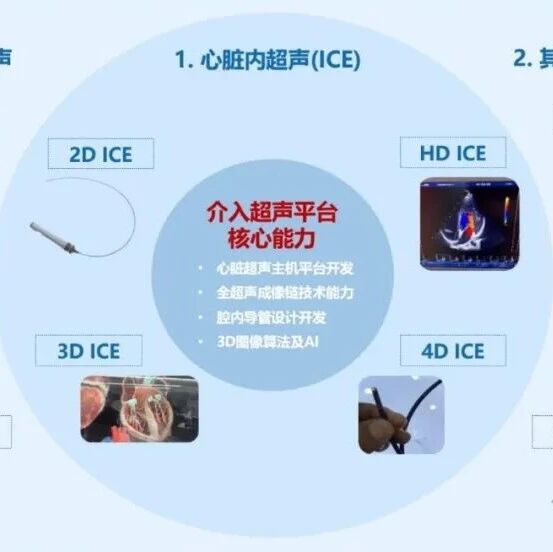
近日, 冰晶智能宣布完成数千万人民币 A 轮融资 。本轮投资方为 江夏科投 、 盛科智造 , 天超资本 、 大桉资本 (DAION CAPITAL)担任本轮财务顾问。公司表示,本轮融资资金将主要用于生产基地建设、运营投入及流动资金补充。 # ICE 市场前景及概况 心腔内超声( ICE )是一种 将相控阵超声成像和心脏导管术进行融合的经皮血管介入超声影像技术 。 ICE 具有 实时超声成像 、 不受成像窗限制 以及 良好耐受性 等优点。在手术实施过程中只需局部麻醉,调弯操作灵活,超 声影像全程可视,帮助临床医生获取心腔内的解剖结构,实时监测术中并发症,并进行多普勒血流评估。 近年来,随着结构性心脏病和心律失常疾病介入诊疗技术的快速发展,对术中影像的要求越来越高,随着 ICE 技术的适用范 围越来越广, ICE 导管逐渐成为心脏介入医生的 " 黄金眼 " 。 产品采用了业 内 首创的新一代声能转换系统 ,可有效提升信号采集、传输效率及图像清晰度;同时,HD-ICE系统采用了 国产首创的高清心脏图像专用处理系统 ,运用业内最新的算法技术,有更快的成像速度,从而可以满足更多的临床需求。 ▲公司相关产品线 在临床层面 ...
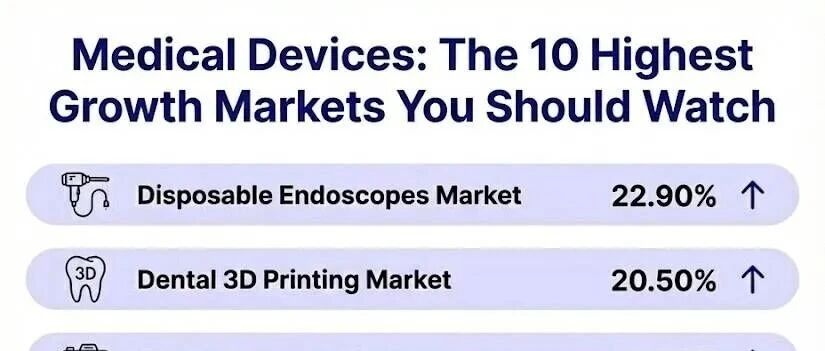
医疗器械加速中:十大高增长市场的真实图景
思宇MedTech· 2026-01-01 03:30
Core Viewpoint - The medical device sector is becoming one of the most certain and continuously evolving segments within the healthcare system, with ten related markets entering an acceleration phase due to clinical demand, payment logic, and technological maturity [2]. Summary by Relevant Sections Accelerating Medical Device Markets - Ten medical device markets are identified as entering an acceleration phase, indicating a significant shift in how medical services are provided, executed, and managed [2][3]. Market Growth Projections - **Disposable Endoscopes Market**: Expected to grow from $840 million in 2024 to $2.67 billion by 2030, with a CAGR of 22.9% [5]. - **Dental 3D Printing Market**: Projected to increase from $3.4 billion in 2024 to $10.06 billion by 2030, with a CAGR of 20.5% [6]. - **Surgical Imaging Market**: Anticipated to rise from $3.9 billion in 2023 to $12.2 billion by 2030, with a CAGR of 17.6% [7]. - **Surgical Robots Market**: Expected to grow from $9.6 billion in 2023 to $23.7 billion by 2029, with a CAGR of 16.5% [8]. - **Medical Robots Market**: Projected to increase from $13.8 billion in 2023 to $33.8 billion by 2029, with a CAGR of 16.1% [9]. - **Minimally Invasive Surgery Market**: Expected to grow from $81.65 billion in 2024 to $199.3 billion by 2030, with a CAGR of 16.1% [10]. - **Surgical Instrument Tracking System Market**: Anticipated to rise from $31.4 million in 2024 to $75.1 million by 2030, with a CAGR of 15.2% [12]. - **Autoinjectors Market**: Expected to grow from $1.08 billion in 2024 to $3.02 billion by 2030, with a CAGR of 13.6% [14]. - **Medical Aesthetics Market**: Projected to increase from $17.16 billion in 2024 to $35.32 billion by 2030, with a CAGR of 12.8% [15]. - **Diabetes Care Devices Market**: Expected to grow from $34.3 billion in 2025 to $61.2 billion by 2030, with a CAGR of 12.3% [16]. Common Directions Behind Growth - The ten markets are not isolated; they point towards several clear trends: - Medical services are becoming "de-experienced," with devices taking over tasks previously reliant on personal experience to reduce uncertainty [18]. - Efficiency is becoming a critical consideration in payment and procurement, driving growth in imaging, tracking, and disposable products [19]. - Minimally invasive and low-invasion procedures are becoming the default assumption rather than an optional choice [19]. - Healthcare is transitioning from "single-point devices" to "systematic operations," with platform, modular, and process capabilities becoming the new core of competition [20]. Reasons for Current Acceleration - The changes are not sudden but are the result of the convergence of technological maturity, shifts in payment logic, and structural labor shortages in healthcare, leading to a focus on devices that can change operational methods [21].
高管变动!全球透析巨头
思宇MedTech· 2025-12-30 14:40
Core Viewpoint - The appointment of Dr. Charles Hugh-Jones as Global Chief Medical Officer of Fresenius Medical Care signals a shift in the dialysis and kidney care industry, where competition is moving from "equipment performance" to "medical systems and long-term efficacy management" [2]. Group 1: Fresenius Medical Care's Role - Fresenius Medical Care is not just a device manufacturer but provides a comprehensive life support system for chronic kidney disease patients, covering dialysis equipment, consumables, and service networks [3][4]. - The company's responsibilities extend beyond merely selling equipment to hospitals; it must maintain high stability in long-term safety, treatment consistency, and care quality [4]. Group 2: Transition from Maddux to Hugh-Jones - Dr. Franklin W. Maddux, who served as Global Chief Medical Officer since 2020, oversaw a period where the dialysis industry increasingly emphasized real-world evidence, long-term follow-up, and clinical quality management [5][7]. - Dr. Hugh-Jones brings a diverse background from Allergan, Pfizer, and Sanofi, aligning with a trend where chronic disease management is integrating broader medical strategies and data systems [9]. Group 3: Why "Medical Leadership" is Being Highlighted - The technological ceiling for dialysis devices is approaching, with differentiation increasingly based on long-term complication management, patient quality of life, and systemic care capabilities rather than single-treatment outcomes [11]. - Regulatory and payment systems are demanding clearer evidence of "clinical value," transforming the medical department from a compliance supporter to a builder of evidence systems [12]. - Data and services are reshaping the boundaries of device companies, pushing dialysis from "standardized device treatment" to "continuous medical services," necessitating deeper integration of medical decision-making into product and system design [13][14]. Group 4: Implications for the Medical Device Industry - The appointment of Hugh-Jones reflects a broader industry trend where medical functions are gaining strategic importance, especially in chronic disease management and long-term life support systems [15]. - Companies are increasingly recognizing that when product lifecycles span years, medical judgment becomes a critical component of product competitiveness [16].


How Tempus AI Is Building Scale While Near-Term Risks Persist
ZACKS· 2025-12-30 13:35
Core Insights - Investor confidence in Tempus AI (TEM) is currently affected by near-term factors, despite the company's strong long-term strategic positioning [2] - The company's Data and Services segment shows growth through multi-quarter bookings, with significant additions in the third quarter and large contract wins [2] - Uncertainty regarding the timing of revenue conversion from these bookings is impacting market sentiment [2][3] Company Performance - Management indicates that bookings convert into revenues over multi-year periods, which does not lead to immediate top-line growth [3] - Data revenues are typically recognized in the second half of the year due to customer budgeting cycles, resulting in potential quarterly revenue variability [3] - Backlog growth enhances long-term visibility, but may lead to continued revenue and margin variability in the near term [3] Competitive Landscape - Tempus plans a gradual increase in MRD as reimbursement dynamics improve, but faces intense competition from high-sensitivity assays expected to enter the market [4] - The Paige acquisition is anticipated to increase losses by a mid-single-digit million amount per quarter, alongside ongoing investments in AI compute infrastructure [4] Peer Analysis - GE HealthCare's radiopharmaceuticals business presents strong growth potential but carries substantial execution risks, particularly with the integration of Nihon Medi-Physics [5] - Exact Sciences' financial results are highly dependent on the performance of its Cologuard test, with significant revenue generation reliant on the success of its Screening and Precision Oncology tests [6] Stock Performance - Over the past year, Tempus' shares have increased by 81.4%, significantly outperforming the industry growth of 1.3% and the S&P 500's 19.5% increase [7] Valuation Metrics - Tempus currently trades at a forward 12-month Price-to-Sales (P/S) ratio of 7.02X, compared to the industry average of 5.77X, indicating an expensive valuation [9] Earnings Estimates - In the past 30 days, the loss per share estimate for Tempus AI for 2025 has narrowed by 1 cent to 64 cents [10]

Best of HRDA Frankly Speaking (Part 2)
HR Daily Advisor· 2025-12-29 10:00
Core Insights - The HR industry is facing challenges such as employee engagement crises, the impact of AI on the workplace, and a skills gap between employer needs and employee capabilities [4] - The importance of creating an ecosystem for talent programs that work in conjunction is emphasized [4] - AI is seen as a tool for enhancing recruiting efficiency and cost savings, but HR leaders face challenges in gaining executive buy-in [7][8] Group 1: AI and Workforce Planning - AI was a central theme at SPARK Talent 2025, with discussions on its potential to improve recruiting efficiency [7] - HR professionals are encouraged to adopt predictive modeling technology for workforce planning to address business needs more rapidly [6] - The need for HR to transition from being order-takers to strategic architects of the workforce is highlighted as essential for demonstrating HR's value [9] Group 2: Talent Acquisition and Culture - The future workforce requires talent outliers who can change and reframe existing systems [1] - A supportive workplace culture is crucial for maintaining a confident and productive team [8] - The rise of workplace political conflict is noted, with 64% of U.S. employees experiencing political disagreements at work, which can distract from job performance [12][13] Group 3: Insights from Industry Leaders - Bertrand Dussert from Staples emphasizes the need for talent that can innovate within the workforce [1] - Tabitha Wright from GE Healthcare challenges organizations to define their business goals and create an environment conducive to achieving them [3] - Peter Lynch from Cardinal Group Companies argues that AI can enhance the "Human Advantage" in the workplace [11]