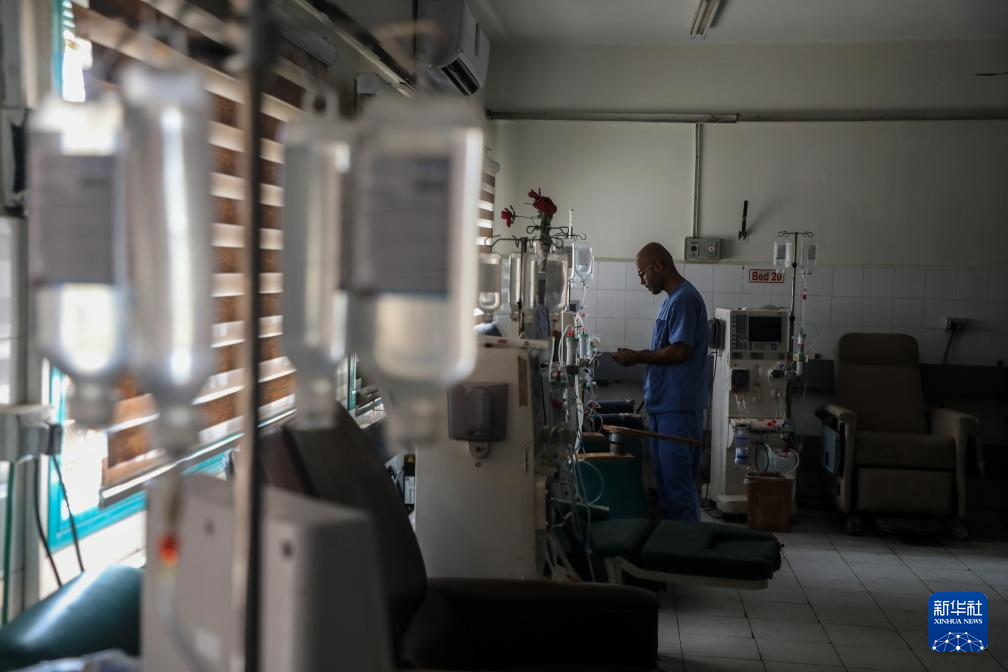
透析设备

Search documents
苏企“出海”开辟价值新航道
Xin Hua Ri Bao· 2026-01-12 20:55
Group 1 - The core transformation of Jiangsu enterprises is shifting from a traditional single product export model to providing integrated solutions that combine products, technology, services, and business models in the global market [1][2] - Jiangsu Guanhai Medical Technology Co., Ltd. has achieved a significant breakthrough in 2024 by localizing the assembly of dialysis machines, thereby enhancing the accessibility of quality medical resources to more patients globally [2][6] - The export of packaging machinery from Jiangsu reached 5.08 billion yuan in the first eleven months of 2025, marking a year-on-year increase of 32.1% [3] Group 2 - The shift from "selling products" to "selling solutions" is driven by global supply chain restructuring, technological advancements, and evolving customer demands, particularly evident in Jiangsu [2][4] - Jiangsu enterprises are actively expanding into international markets, moving from simple equipment exports to high-tech, customized system solutions, showcasing strong resilience in development [3][4] - The collaboration between government and enterprises has formed a powerful synergy to overcome challenges such as cultural differences and technical barriers in the global market [4][5] Group 3 - Jiangsu enterprises are increasingly adopting a value co-creation approach in their international operations, which enhances customer loyalty and allows for higher profit margins compared to traditional product exports [7][8] - The future of solution exports is expected to exhibit three significant characteristics: intelligence, greenness, and ecological sustainability, with companies integrating advanced technologies like AI and IoT into their solutions [7][8] - Jiangsu enterprises are positioning themselves to navigate from "Made in China" to "China Solutions," contributing significantly to high-quality global economic development [8]
高管变动!全球透析巨头
思宇MedTech· 2025-12-30 14:40
Core Viewpoint - The appointment of Dr. Charles Hugh-Jones as Global Chief Medical Officer of Fresenius Medical Care signals a shift in the dialysis and kidney care industry, where competition is moving from "equipment performance" to "medical systems and long-term efficacy management" [2]. Group 1: Fresenius Medical Care's Role - Fresenius Medical Care is not just a device manufacturer but provides a comprehensive life support system for chronic kidney disease patients, covering dialysis equipment, consumables, and service networks [3][4]. - The company's responsibilities extend beyond merely selling equipment to hospitals; it must maintain high stability in long-term safety, treatment consistency, and care quality [4]. Group 2: Transition from Maddux to Hugh-Jones - Dr. Franklin W. Maddux, who served as Global Chief Medical Officer since 2020, oversaw a period where the dialysis industry increasingly emphasized real-world evidence, long-term follow-up, and clinical quality management [5][7]. - Dr. Hugh-Jones brings a diverse background from Allergan, Pfizer, and Sanofi, aligning with a trend where chronic disease management is integrating broader medical strategies and data systems [9]. Group 3: Why "Medical Leadership" is Being Highlighted - The technological ceiling for dialysis devices is approaching, with differentiation increasingly based on long-term complication management, patient quality of life, and systemic care capabilities rather than single-treatment outcomes [11]. - Regulatory and payment systems are demanding clearer evidence of "clinical value," transforming the medical department from a compliance supporter to a builder of evidence systems [12]. - Data and services are reshaping the boundaries of device companies, pushing dialysis from "standardized device treatment" to "continuous medical services," necessitating deeper integration of medical decision-making into product and system design [13][14]. Group 4: Implications for the Medical Device Industry - The appointment of Hugh-Jones reflects a broader industry trend where medical functions are gaining strategic importance, especially in chronic disease management and long-term life support systems [15]. - Companies are increasingly recognizing that when product lifecycles span years, medical judgment becomes a critical component of product competitiveness [16].


中东战地手记丨和平才是真正的“救命药”
Xin Hua Wang· 2025-09-23 18:18
Core Viewpoint - The ongoing conflict in Gaza has led to a severe humanitarian crisis, particularly affecting patients with chronic illnesses who are unable to access necessary medical care and medication, highlighting the urgent need for peace as a true "lifesaver" [9]. Group 1: Medical Supply Shortages - Patients in Gaza are facing dire shortages of essential medications, such as insulin, with reports indicating that approximately 71,000 diabetes patients rely on insulin treatment, but current stocks are critically low [3][5]. - The healthcare system in Gaza is overwhelmed, with hospitals operating beyond capacity due to the influx of injured individuals, leading to inconsistent treatment for chronic patients [5][6]. Group 2: Impact on Patients - Chronic patients like Mahir Masri and Um Islam Dadahe are experiencing deteriorating health conditions due to the lack of regular medical treatment and the inability to store medications properly [3][5]. - The situation has resulted in patients resorting to using expired or degraded medications, which poses severe health risks, including metabolic imbalances that can lead to fainting or worse [5]. Group 3: Humanitarian Crisis - The blockade imposed by Israel has exacerbated the shortage of medical supplies, with many essential items being denied entry, including critical medical equipment and fuel for hospitals [6]. - A United Nations report indicates that over 500,000 people in Gaza are facing famine, marking the first formal recognition of famine conditions in the region [6].