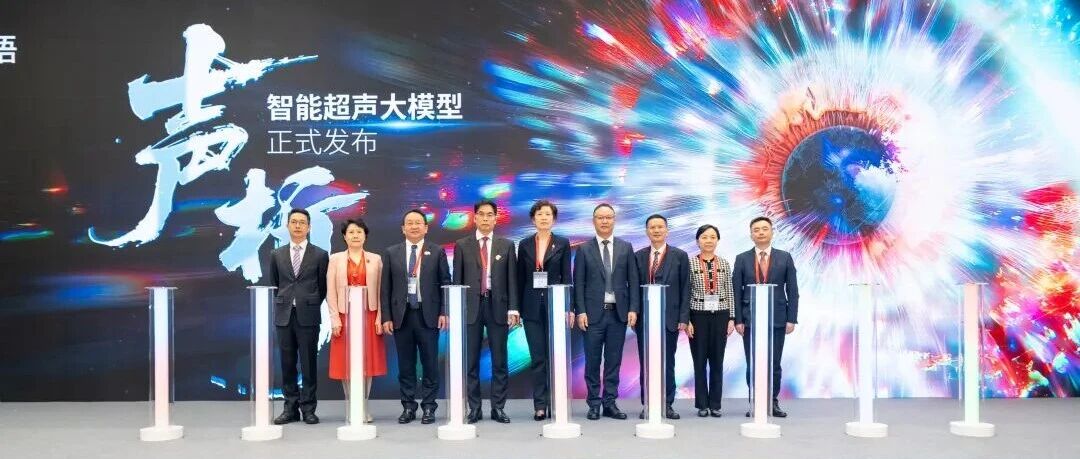
声析智能超声大模型

Search documents
活动报名!医疗器械IPO招股书解读、上市前后传播合规实践
思宇MedTech· 2026-01-05 04:38
Core Viewpoint - The article emphasizes the importance of the IPO stage for medical device companies, highlighting that these companies often feel hesitant to communicate during this critical period [2]. Summary by Sections IPO Documentation and Communication - The article discusses the contents of the prospectus and the information that can be interpreted and utilized, as well as the communication limitations for companies before and after going public [3]. - It raises questions about the roles of marketing and branding departments during this phase, indicating a lack of systematic guidance and reliance on experiences from investment banks and listing teams [3]. Event Information - An organized event for a small group of participants is scheduled for January 15, 2026, in Shanghai, focusing on IPO-related discussions for medical device companies [4]. - The event is free but requires registration, which will be reviewed [4]. Agenda and Participants - The agenda includes self-introductions, a presentation by a guest speaker, and open discussions, targeting market/brand leaders from companies planning or undergoing IPOs, as well as management and strategic personnel [6]. - The guest speaker will cover three main topics: the readability of medical device prospectuses, compliance boundaries for communication before and after IPO, and executable promotional strategies for companies [7]. Key Topics of Discussion - The article outlines the basic structure and key modules of a prospectus, what different roles (marketing, investment, partners) typically focus on, and the distinction between factual statements and potentially misused content [7]. - It also addresses what can be communicated and what should be avoided, along with common pitfalls in promotional activities [7]. - The differences in risks before and after the IPO stage are highlighted, along with recommendations for effective communication strategies during the IPO process [7].


报名!未来产业创新研讨会| 医工交叉加速成果转化专场
思宇MedTech· 2025-12-19 04:40
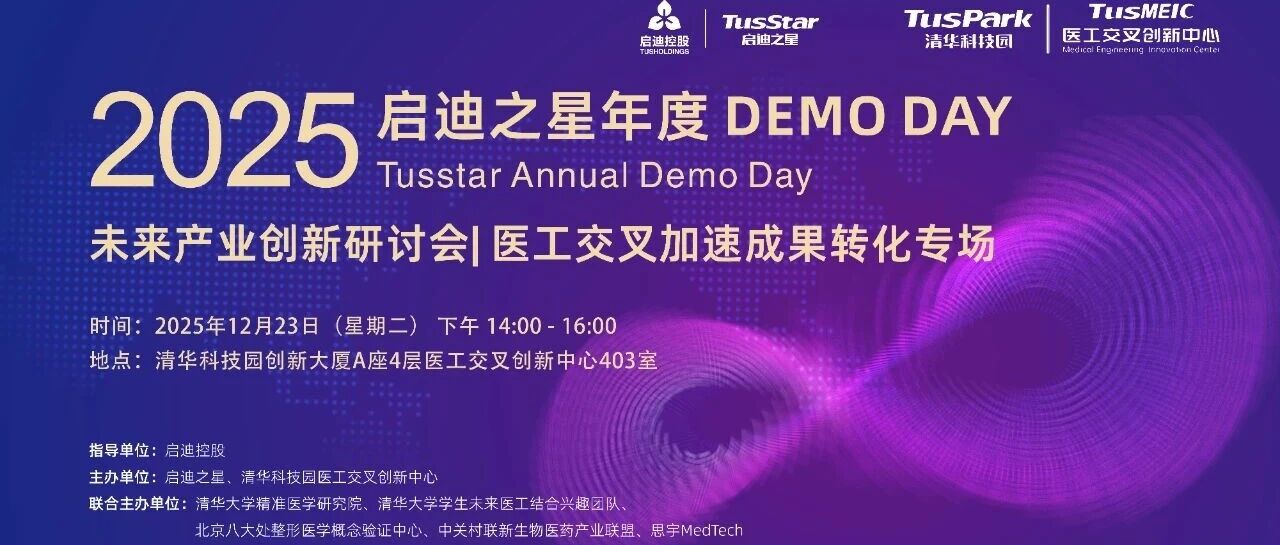
Core Viewpoint - The seminar aims to promote the integration of medical and engineering fields, focusing on technological innovation and the deep integration of the medical industry, while providing a platform for collaboration among clinical experts, investment institutions, industry associations, and innovative enterprises [2]. Group 1: Event Overview - The seminar will take place on December 23, 2025, at the Tsinghua Technology Park Medical-Engineering Innovation Center [1][3]. - It is part of the "2025 Yidian Star Annual DEMO DAY" series, emphasizing cutting-edge areas in medical-engineering intersections [2]. Group 2: Organizational Structure - The event is guided by Tsinghua Holdings and organized by Yidian Star and the Tsinghua Technology Park Medical-Engineering Innovation Center, with joint sponsorship from several prestigious institutions including Tsinghua University [3]. Group 3: Agenda Highlights - The agenda includes a series of presentations on topics such as the integration of medical engineering and the trends in the biopharmaceutical industry, featuring experts from Tsinghua University and investment firms [5]. - Key topics include the promotion of results transformation in knee replacement surgery, investment trends in China's biopharmaceutical industry, and the role of validation platforms in medical technology [5]. Group 4: Registration Information - Registration for the event is required and can be completed through a provided link or QR code [6]. Group 5: Notable Companies and Institutions - The event will feature notable medical technology companies such as Medtronic, Boston Scientific, and others, highlighting the innovation landscape in the medical technology sector [7].
上海交大医工创新转化工作坊第四期:创造属于你的医疗创新奇迹
思宇MedTech· 2025-12-14 01:11
Core Insights - The article promotes the "Medical Engineering Innovation and Transformation Workshop" organized by Shanghai Jiao Tong University, aimed at fostering collaboration between doctors, engineers, and investors to address challenges in medical device innovation [2][4][23] Course Highlights - The workshop offers a unique opportunity for participants to engage in innovative thinking and explore collaboration in medical technology innovation [4] - It emphasizes the integration of medical needs with engineering solutions to create innovative medical products and facilitate their transformation into market-ready solutions [4][5] - Participants will learn the Biodesign innovation methodology, which is a global leading model for efficient transformation in medical engineering [5] Training Information - The workshop is scheduled for January 10-11, 2026, with a group price of 2500 yuan per person [6] - It includes practical training over one and a half days, focusing on the core methods and elements of medical engineering innovation and transformation [7][9] Target Audience - The workshop is suitable for various professionals, including doctors, engineering technicians, manufacturers, distributors, and investors interested in medical device innovation [9] Course Structure - The course includes sessions on medical technology innovation, intellectual property management, and practical exercises to foster interdisciplinary collaboration [10][12][15] - Participants will engage in group discussions to identify and analyze real medical industry pain points and explore potential innovative solutions [15] Expert Faculty - The workshop features a team of distinguished experts from Shanghai Jiao Tong University and the biomedical engineering field, with extensive experience in medical technology and investment [17][20] Certification - Upon completion, participants will receive a certificate from Shanghai Jiao Tong University School of Medicine and continuing medical education credits [23]
超声智能化如何进化?开立声析智能超声大模型给出答案
思宇MedTech· 2025-11-20 11:01
Core Insights - The article emphasizes that the future of ultrasound imaging should transition from being merely a "strong tool" to an "intelligent partner" that collaborates with doctors throughout the entire workflow [2][3]. Group 1: Technological Evolution - The intelligentization of ultrasound medicine must respond to the structural pressures in the healthcare system, such as increasing examination volumes and the need for enhanced capabilities at the grassroots level [2][3]. - The "Voice Analysis" intelligent ultrasound model was introduced by the company at the recent CSUM2025 conference, marking a significant step in addressing the technological needs of the industry [3][5]. Group 2: Framework of the Voice Analysis Model - The Voice Analysis model is structured around a three-layer architecture: "Hand-Eye-Brain" [8]. - The "Hand" layer focuses on efficient tools for automatic identification and measurement of key anatomical structures, aiming for accuracy and speed in image capture [8][9]. - The "Eye" layer utilizes large language models (LLMs) to create an intelligent diagnostic system that identifies anomalies and generates structured reports [9][10]. - The "Brain" layer acts as a decision-making hub, integrating data from various sources to streamline the ultrasound workflow and provide clinical decision support [10][11]. Group 3: Practical Changes in Clinical Use - The Voice Analysis model has led to significant changes in clinical practice, emphasizing the importance of integrating AI with both equipment and physician workflows [12][14]. - The AURA multi-center project aims to validate the AI-O-RADS system across 41 hospitals, focusing on comparing its diagnostic performance with traditional methods and assessing its clinical value among different levels of physicians [13][16]. Group 4: Addressing Clinical Challenges - In the field of thyroid ultrasound, the article highlights the need for refined risk stratification tools to balance the issues of overdiagnosis and underdiagnosis [18][19]. - A multi-modal approach combining various imaging techniques is proposed to reduce the ambiguity in diagnosing thyroid nodules, thereby minimizing unnecessary procedures [20][22]. Group 5: Future Directions - The article concludes that the ultrasound field is entering a "process-level intelligent era" driven by large models, with the Voice Analysis model representing a leading solution in this transformation [24].